
From the Tiber to the Aegean
Naval power played a crucial role in shaping ancient Rome. Control of the seas allowed the empire to expand its influence and protect vital trade routes. The Roman fleets were not only impressive military forces but also symbols of the empire’s strength and ambition. Maritime logistics were essential for supporting both military campaigns and commercial endeavors.
Throughout history, notable naval battles highlighted the importance of Rome’s maritime dominance. Combat with other powers, especially Carthage, showcased both strategy and tactics that defined naval warfare. By understanding the lessons of these engagements, Rome secured its territories from the Tiber to the Aegean. The various port cities across the empire became integral for managing resources and facilitating trade.
As Rome grew, so did its need for a powerful navy. Control of the Aegean Sea was vital for communication and transport between provinces. The expansion into areas like Byzantium further underscored the empire’s strategic vision. Rome recognized that a formidable fleet could project power, deter enemies, and support ground forces. Each maritime campaign was a reflection of broader ambitions.
This article will delve into the key naval battles and fleet movements that defined this era. We will examine how naval strategy influenced military outcomes. Understanding these events reveals much about how ancient Rome maintained control over its vast territories.
Roman naval battles
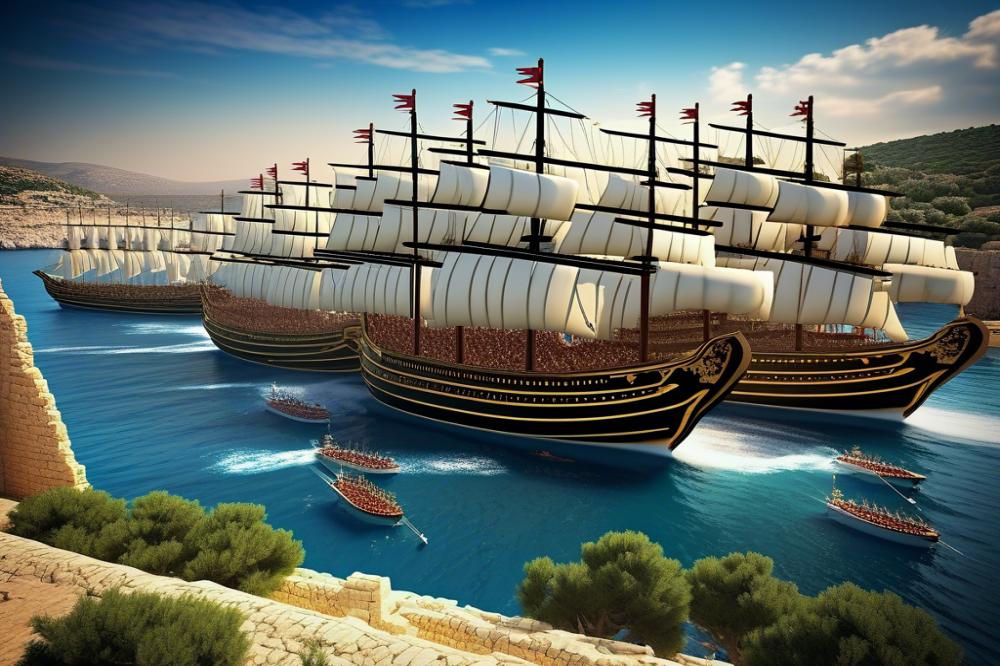
Throughout history, ancient Rome faced numerous challenges at sea. Key examples include the famous Battle of Mylae and the pivotal Battle of Actium. Both battles had significant implications for Roman naval power.
The Battle of Mylae occurred in 260 B.C. during the First Punic War against Carthage. Roman fleets relied on innovative tactics to overcome their enemy. They utilized the corvus, a boarding device that allowed soldiers to board enemy ships. This strong approach turned naval warfare into a land battle at sea.
In contrast, the Battle of Actium took place in 31 B.C., marking a turning point in Roman history. Here, the forces of Octavian faced those of Antony and Cleopatra. Octavian’s fleet employed superior maritime logistics and strategic positioning. He used smaller, more maneuverable ships to exploit weaknesses in the enemy’s larger vessels.
During these confrontations, Roman naval strategy evolved. Control of port cities became vital for logistical support. These locations provided safe havens for fleets and ensured supplies for long campaigns. This shift in focus changed how ancient Rome interacted with its Mediterranean neighbors.
Defeating Carthage secured Roman dominance in the western Mediterranean. The victories at Mylae and Actium showcased the might of Roman fleets. These battles also highlighted how crucial naval power was for maintaining control over vital trade routes.
Roman naval battles influenced the balance of power in the region. The victory at Actium paved the way for Octavian to become Augustus, the first Roman Emperor. Subsequently, this shaped the future of not only Rome but its influence over Byzantium and the surrounding areas.
Examining these historic events, we see the importance of naval warfare in ancient Rome. Success at sea opened doors for trade and military expansion. Each battle demonstrated how an effective fleet could secure Roman interests across the Tiber and into the Aegean.
The Role of the Tiber and Aegean in Roman Maritime Strategy
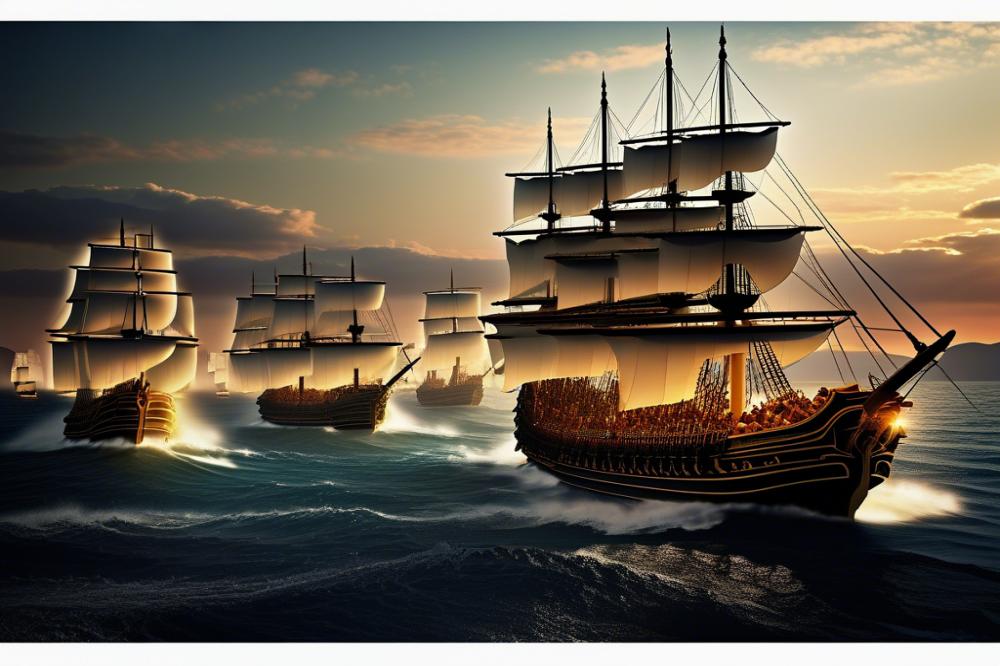
The Tiber River served as an essential hub for naval logistics and operations in ancient Rome. Its proximity to Rome allowed the Romans to quickly mobilize their fleets. Cargo and supplies could move efficiently from the heart of the Empire to various coastal regions. This river was more than a body of water; it was a vital artery for trade and military movement. Ships navigating the Tiber were crucial for connecting Rome with its broader maritime ambitions.
Across the Mediterranean, the Aegean Sea became a critical theater for naval warfare. Roman fleets faced rivals like Carthage and later the Byzantine Empire in these waters. The conflicts here were not just battles; they represented the struggle for dominance over vital trade routes. Controlling the Aegean meant access to important resources and territory. Each conflict shaped Rome’s naval strategy and its approach to maritime engagements.
Port cities in both the Tiber and Aegean regions played a significant role in enhancing Roman naval power. These cities, such as Ostia on the Tiber and key Aegean ports, provided strategic support for fleets. Shipbuilding facilities thrived, as well as supply depots for provisions. Crews could rest and prepare for new missions in these ports. Control over these cities ultimately strengthened Rome’s ability to project military might across the sea.
The relationship between the Tiber and Aegean was symbiotic. The river not only facilitated trade within Italy but also served as a launching point for naval operations further afield. Likewise, the Aegean’s coastal cities acted as gateways for reinforcing supplies back up the Tiber. This interconnectedness reveals how ancient Rome’s maritime strategy was carefully planned around these crucial waterways.
Development of Roman Naval Forces
The evolution of the Roman navy is a fascinating story. Initially, ancient Rome relied on small vessels for trade and patrol. Over time, these humble beginnings transformed into a formidable fleet. During the early days, Rome focused mainly on fleet movements along the Tiber, close to its heart. However, external threats from powerful rivals like Carthage prompted a significant reevaluation of naval capabilities.
Ship Designs and Construction Techniques
Roman ship design underwent remarkable changes. The construction of vessels was influenced heavily by interactions with other cultures. The trireme, a ship equipped with three rows of oars, became a popular model. Romans innovated with their own designs, increasing speed and maneuverability. Wood from local forests was utilized extensively, emphasizing sustainability in materials. Eventually, new techniques in shipbuilding led to larger and sturdier ships, enabling longer voyages across the Aegean Sea.
Advancements in Maritime Technology
Maritime logistics played a crucial role in expanding Roman naval capabilities. Innovations in navigation provided sailors with the tools needed to sail effectively. The introduction of the astrolabe allowed mariners to determine their position based on the stars. This was groundbreaking for society at the time. Furthermore, the development of the corvus, a boarding device, changed naval warfare strategies dramatically. This clever engineering made direct confrontations more favorable for Roman forces.
Training and Organization of Naval Crews
Training for naval crews was rigorous. Preparation ensured that sailors were not only skilled but also disciplined. Many sailors came from the lower classes, making naval service an opportunity for social mobility. Organization was essential; fleets were divided into squadrons, each with its own commanding officer. Sailors learned to operate the ships and coordinate with soldiers when engaging with enemies. Understanding naval strategy enhanced their effectiveness in battles. Port cities became vital centers for recruitment and training, strengthening Rome’s naval presence.
As the naval force expanded, the role of sailors became more pronounced in Roman society. Their contributions were acknowledged during military parades. Besides, an effective navy allowed Rome to control critical trade routes. This not only strengthened their economy but also ensured that supplies flowed smoothly throughout the empire. Conflicts with rivals helped refine training and tactics, making the Roman navy one of the best of its time. Engaging in battles was more than just fighting; it represented the might of ancient Rome.
Maritime Logistics and Fleet Movements
Understanding the logistics of ancient Rome’s naval operations reveals the complexity involved in maintaining and deploying fleets. Successful naval strategy relied heavily on effective supply lines. Without these, the Roman navy would have struggled to project power across the Mediterranean.
Supply routes extended from bustling port cities along the coastline. Goods flowed in and out, keeping ships and troops well-provisioned. Regular deliveries of food, fresh water, and materials for repairs were vital. Building ships was not enough; they needed to be maintained and ready for action.
Naval warfare required more than just ships and men; it demanded coordination and foresight. Fleet movements often depended on intelligence about enemy positions and capabilities. With tensions rising with rivals like Carthage, timely information could make all the difference. Preparing for battle involved intricate planning and a solid understanding of logistics.
Troop deployment to strategic locations across the Aegean was a common practice. The proximity of resources often determined where forces were sent. As Roman ships sailed from the Tiber to distant regions, they sought safety and speed. Larger fleets offered more protection, but they also required more supplies.
Trade routes often overlapped with military routes, showing the interconnected nature of Roman power. Ships acted not only as vessels of war but also as tools of commerce. When the navy protected trade, it ensured the flow of wealth back to Rome. This dual role of fleets highlighted the importance of maritime logistics in achieving wider goals.
In moments of conflict, the deployment of naval forces demonstrated strategic resilience. Rapid responses to threats, such as those posed by Byzantine naval activity, kept Rome relevant in the region. Understanding how fleets maneuvered was crucial for maintaining dominance over the sea.
The effectiveness of the Roman navy in these battles was not just in their ships, but in their ability to control the Mediterranean. Logistics and movement were the backbone of this ancient superpower. Maintaining this edge ensured that fleet commanders could launch swift and impactful operations across vast distances.
Naval strategy shaped the very fabric of Rome’s military might. Every vessel played a role in the broader tapestry of Roman authority. The movement of ships and the logistics surrounding it were as complex as the political landscape of the time. As fleets navigated the waters from the Tiber to the Aegean, their influence was undeniable.
Key Rivalries and the Impact on Naval Warfare
The rivalry with Carthage stands out as a pivotal point in ancient Rome’s naval history. For centuries, the two powers clashed over dominance in the Mediterranean. The First Punic War marked a turning point in Roman naval strategy. Rome, initially lacking a strong fleet, quickly adapted by building ships and training sailors. Their determination turned the tide against Carthage. Major battles like the Battle of Mylae showcased the effectiveness of the Roman approach.
Carthage’s naval tactics were sophisticated and heavily relied on their experienced crews and powerful warships. This posed significant challenges for Romans, who had to learn swiftly. How could they compete on such a vast sea? Innovation became essential. The Romans integrated new technologies and strategies to tackle the threat. They developed the corvus, a boarding device that allowed them to convert naval skirmishes into ground combat.
As threats evolved, so did Roman responses. Pirates roamed the seas, disrupting trade and posing risks to coastal towns. These offenders were not merely nuisances; they threatened the vital maritime logistics Rome relied upon. To combat this, Rome expanded its fleet and strengthened its port cities. Control over these areas became crucial for maintaining supply lines.
Rivalries also extended beyond Carthage. Rome faced emerging powers like Byzantium, which altered their naval warfare outlook. Byzantium’s strategic position in the Aegean encouraged Romans to tighten their grip on key maritime routes. Defensive tactics and swift fleet movements grew more vital as Rome sought to secure influence.
The interactions among these powers led to a profound evolution in naval engagements. Romans learned that effective fleet deployment and robust naval strategies were essential for survival. In response to new challenges, they prioritized training sailors to navigate and fight effectively on the open sea. These developments ultimately illustrated how naval warfare was a dynamic realm within ancient Roman military tactics.
In summary, the rivalries in the Mediterranean shaped Rome’s naval engagements. Actions against Carthage, pirates, and Byzantium pushed them to innovate. They mastered the waters from the Tiber to the Aegean, proving that flexibility and adaptation were key to their naval success.
Final Thoughts
The naval battles of ancient Rome played a pivotal role in shaping the course of history. These confrontations were not just military engagements; they were strategic events that influenced trade, politics, and the very fabric of Roman society. Overcoming challenges at sea allowed Rome to establish dominance across the Mediterranean. The Tiber River served as a critical conduit for naval logistics, connecting the heart of Rome to distant regions.
Rome’s ability to control vital sea routes ensured that resources flowed into the empire. This control meant that its influence extended well beyond the shoreline. The Aegean Sea became a theater for showcasing Roman power and naval innovation. Defeating formidable enemies at sea solidified Rome’s status as a superpower.
Reflecting on the impact of these historical events, one can see a clear legacy. Subsequent maritime powers learned from Roman strategies. Their innovations in ship design, tactics, and naval warfare informed future fleets. The principles established by the Romans can be traced into the naval doctrines of later nations.
Understanding these moments in history is essential for appreciating the maritime heritage of the Mediterranean. Each battle and fleet movement reveals the complexities of ancient naval power. By studying these events, we gain insight into how sea power shaped civilizations. It invites us to recognize the larger narratives of trade and culture that continue to resonate today.

