
Introduction
Gian Lorenzo Bernini stands as a monumental figure in the realm of Baroque art. His contributions to portraiture altered the very fabric of artistic expression. This sculptor mastered the interplay between realism and emotional depth. With each creation, he captured not just a likeness but the essence of his subjects.
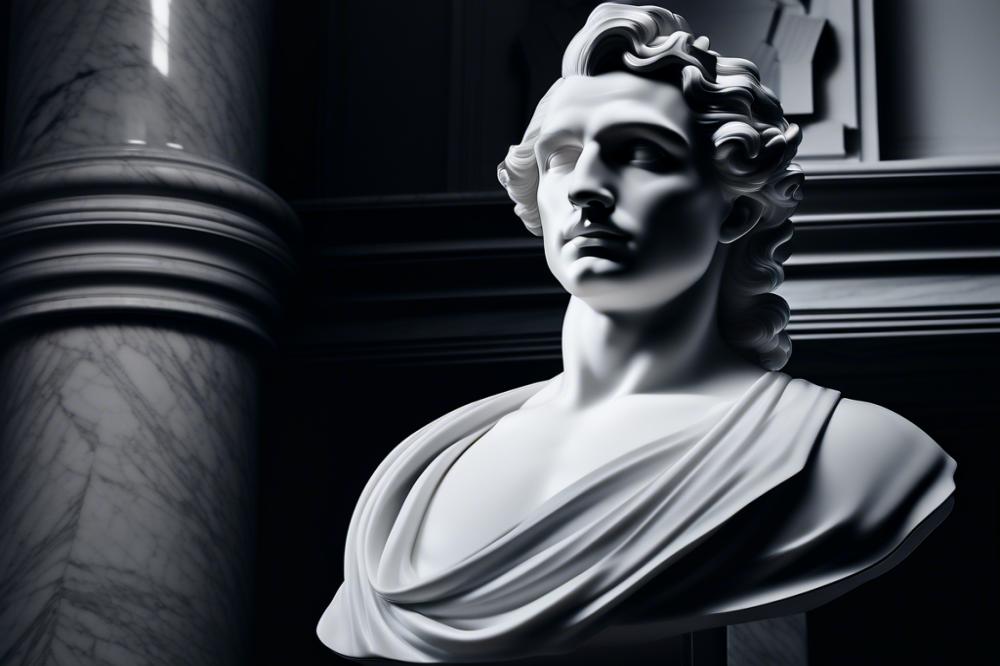
The techniques he employed were revolutionary. Chiaroscuro, the contrast of light and shadow, played a pivotal role in his works. Such methods breathed life into stone, helping figures emerge from their material confines. Viewers often feel a connection to the emotions conveyed in Bernini‘s portraits.
Among Italian painters, his significance cannot be overstated. His unique ability to blend pronounced realism with dramatic expression marked him as a leader of his time. Many sought to replicate his artistic style, yet few could achieve the same depth of feeling and vivid representation. Bernini’s influence is evident even centuries later. The emotional weight carried by his sculptures continues to inspire artists today.
In examining Bernini’s work, one must also consider the broader context of the Baroque period. This era emphasized movement, emotion, and grandeur. Bernini’s portraits encapsulate all these qualities, making them timeless treasures. His mastery of form and detail serves as a benchmark for future generations.
Bernini’s Approach to portraiture
The artist known for his incredible sculptures approached portraiture with an extraordinary vision. His Baroque style set him apart from contemporaries. Focusing on realism, he aimed to capture not just the physical likeness of his subjects but their emotional depth as well.
Chiaroscuro was one of his favorite techniques. This method involved using strong contrasts between light and dark to create three-dimensionality in his figures. It allowed him to give an illusion of depth that makes his sculptures appear almost lifelike. Observing the way light plays across his works reveals his attention to shadow, which adds complexity to expressions.
Exquisite details played a significant role in his artistic style. The texture of skin, the delicate strands of hair, and even the subtleties of a smile were meticulously carved. Each element contributes to the uniqueness of each sculpture, showing a personality that feels deeply human.
Facial expressions were not mere embellishments. They served to communicate the individual character of his sitters. His ability to blend form with feeling resonates in pieces like the portrait of Cardinal Scipione Borghese. That sculpture exemplifies how Bernini could make a viewer feel a connection to the subject, as if they were an active participant in a moment rather than just an observer of art.
Employing mastery over his materials, he carved marble with unmatched skill. This resulted in figures that seem to breathe life. The dedication to his craft helped ensure that the emotional essence of his subjects came through brilliantly in each piece.
Emotional Expression in Bernini’s Portraits
Capturing emotional depth is a hallmark of Baroque art, and few artists excelled at this like Bernini. His sculptures reveal a mastery of realism that evokes strong feelings in the viewer. Each work tells a story, showcasing varied expressions that go beyond mere likeness.
Take, for instance, the portrait of Cardinal Scipione Borghese. The figure appears contemplative yet confident. This duality draws us in, as we sense an inner conflict beneath the serene facade. Techniques such as chiaroscuro highlight the play of light and shadow on his face, adding layers to his emotional expression.
Another powerful example is the sculpture of Gian Lorenzo Bernini himself. In this self-portrait, one can feel a palpable intensity in the gaze. The furrowed brow suggests deep thought, while the slightly parted lips hint at unspoken words. Such elements contribute significantly to the impact of this work on the audience.
Moving to the portrait of the young woman, we observe a different approach. Her expression radiates joy and vulnerability simultaneously. The artist’s skillful manipulation of marble makes her seem almost alive. This vivid realism further pulls in viewers, inviting them to feel her joy mirrored in their own hearts.
Clearly, emotional expression is woven into the fabric of Bernini’s artistic style. His understanding of human emotions allowed him to create figures that resonate with audiences even today. Each sculpture presents a moment frozen in time, packed with meaning and depth, inviting onlookers to connect with the characters depicted.
The Influence of Baroque Art in Portraiture
Baroque art showcases a deep emotional connection through powerful expressions and movement. Portraits from this period often capture the essence of individuals in striking ways. The use of light and shadow, known as chiaroscuro, plays a significant role in conveying emotions. This technique adds depth and drama, making figures appear almost lifelike. Each sculpture serves as a testament to the artist’s skill in portraying not just the physical likeness of a person, but their inner character as well.
In the realm of portraiture, the influence of Baroque principles is evident in many artists’ works. Among them, Bernini stands out, exemplifying a masterful balance between realism and expressive detail. His sculptures reveal a nuanced understanding of human emotion. This mastery enhances the viewer’s connection to the subject. Dramatic poses and flowing garments contribute to a sense of movement that is characteristic of this artistic style. Visually, it pulls the audience into the scene.
Comparing Bernini with his contemporaries, one can see how varied techniques led to different portrayals of subjects. Artists like Caravaggio focused on personal stories infused with dark backgrounds. His characters often appear caught in moments of intense emotion. In contrast, Bernini captures clarity and grace. Facial expressions in his works evoke feelings of joy, contemplation, or even sorrow. Each piece conveys a distinct narrative, showcasing not only technical skill but also a keen observation of humanity.
The emotional depth presented by Bernini’s portraits remains unmatched. His ability to render likeness with astonishing precision distinguishes him from peers. In many cases, the sculptures seem to breathe, inviting the audience to engage with the figures. Movement is captured so artfully; one can almost feel the energy emanating from them. This unique approach to portraiture enables viewers to connect intimately with the subject, an element that is pivotal in Baroque art.
Overall, the integration of motion, light, and deep emotional connection characterizes Baroque portraiture. Artists from this era, including Bernini, aimed to bring the viewer closer to the subject. The exchange of artistic ideas flourished, as each sought to convey the human experience through their work. The ground-breaking techniques and stylistic innovations of this time set a profound legacy in the world of sculpture and portraiture.
Key Works of Portraiture by Bernini
The art of portraiture reached a new height during the Baroque period, and few exemplify this better than the renowned sculptor. One of his most notable works is the bust of Pope Urban VIII. This sculpture showcases not just the physical likeness of the Pope but also captures his character. The intricate details in the facial expressions convey authority along with warmth. Such realism was uncommon in earlier depictions. Its lifelike quality makes viewers feel connected to the figure.
Another significant piece is the portrait of Cardinal Scipione Borghese. This work exhibits unique techniques that emphasize chiaroscuro, which is the play of light and shadow. Through this style, Bernini enhances the emotional depth of the portrait. The tension in the Cardinal’s expression suggests a man full of thoughts, perhaps contemplating the weight of his responsibilities. This ability to meld personality with physical form sets Bernini apart from his contemporaries.
Among his subjects, the artist also portrayed several other prominent personalities. For example, he captured the likeness of the philosopher Giovanni Lorenzo Bernini, portraying the intricate layers of thought on his face. The way light accents the features pulls viewers into a dialogue with the figure, inviting reflection. Each piece tells its own story, revealing aspects of the subjects’ lives and roles in society.
In the works of this master, expression often seems to leap from the stone. Strong emotional content can be found in the way figures are posed and how their expressions are rendered. An uncanny ability to reflect inner sentiments animates his sculptures. Viewers are often surprised by the sheer humanity conveyed through marble, establishing a connection that transcends time.
These masterpieces not only display technical prowess but also an understanding of the human experience. Each portrait is not merely a replication; it becomes a captivating narrative. Every detail was meticulously considered, from the texture of the hair to the subtleties of the clothing. It allows onlookers to glimpse the lives of the individuals depicted. Observing these works opens a window into the past, revealing the social and political context of the era.
Legacy of Bernini in Portraiture
The lasting impact of Bernini on portraiture cannot be overstated. His mastery in sculpture changed how artists perceived and represented the human face. Through his techniques, he explored realism with a groundbreaking eye. Emotion flowed through his works, making figures more relatable. Artists after him looked to his sculptures for inspiration. They sensed a new standard for expression was set.
High levels of emotional depth marked his creations. Complexities in human feelings were captured in stone. The dynamic poses and lifelike textures displayed a unique approach. Techniques like chiaroscuro highlighted the interplay of light and shadow. This added drama and intensity, drawing viewers deeper into the artwork. The blending of realism and emotional nuance set an artistic style that resonated within the Baroque movement.
Future generations found their own paths by studying his art. They adopted aspects of his approach while also pushing boundaries further. Many sculptors aimed to achieve a similar likeness, striving for that delicate balance between idealism and reality. Bernini’s influence could be seen in both France and Italy, where artists learned to infuse life into their work.
Not only did he shape technical methods, but he also inspired a broader vision of portraiture. The way he represented individuality in his figures set a precedent. Each face told a story, showcasing distinct personalities and emotions. His sculptures reached beyond mere likeness to evoke feelings and thoughts in the observer.
In summary, his genius laid the ground for future explorations in portraiture. Artists continue to seek the emotional resonance that he achieved. His legacy remains a vibrant thread in the fabric of artistic history. The standards he set compel artists to strive for that same level of authenticity and depth.
Final Thoughts on Bernini’s Portraiture
Bernini’s impact on portraiture remains significant in the world of art. His work exemplifies the Baroque style, where emotion and realism come together beautifully. Many artists today look back at his techniques, admiring how he captured the spirit of his subjects. Each piece communicates a connection that resonates, fostering a bond between the viewer and the depicted figure.
Attention to detail marked his approach. Faces are not merely likenesses; they portray a deeper narrative. Skills he employed in marble created works that seem almost alive. The combination of delicate textures and dramatic expressions sets his sculptures apart. This passion for realism invites viewers to engage and reflect on the human experience.
Art enthusiasts continue to study his methods. They are drawn to how he synthesized classical ideals with innovative practices. Observers can feel the intense emotions portrayed in every gaze. Every sculpted head tells a story and provokes thought. In doing so, he revolutionized how artists explore identity and emotion.
In sum, the contributions of this legendary artist stand the test of time. His ability to weave life into stone and convey profound feelings is inspiring. Today’s portrait artists owe much to his legacy. His unique vision and skill offer endless lessons for generations to come. Embracing both beauty and depth, Bernini’s works assure his place in the pantheon of Italian painting, signifying an artistry that will never fade.

