
Introduction
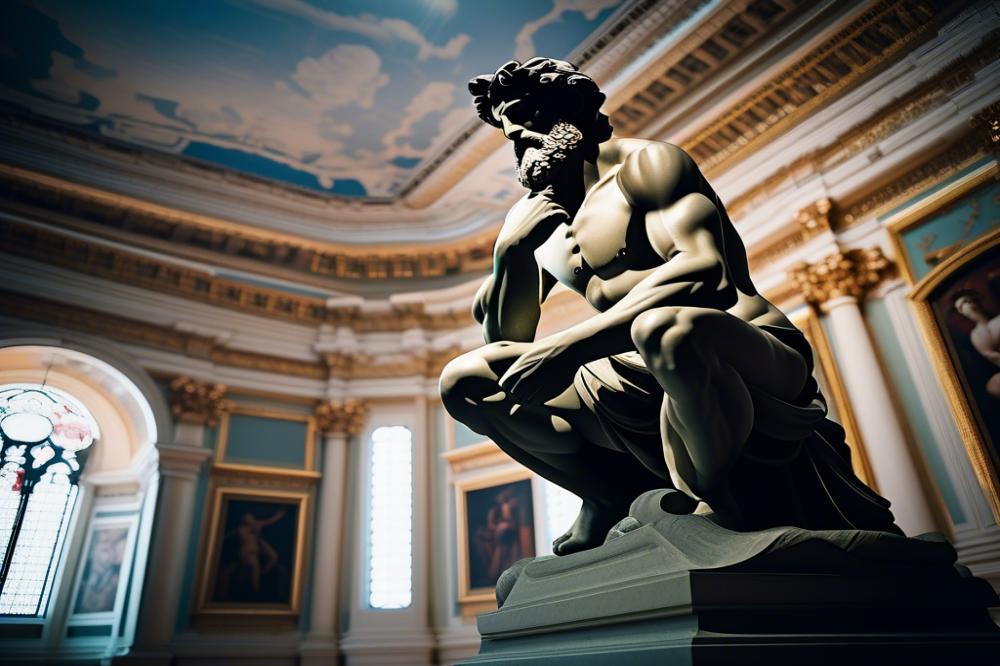
The impact of Michelangelo on Art History cannot be overstated. His work reshaped the landscape of artistic expression during the Renaissance. This period was marked by a renewed interest in the classics, and humanism played a central role in shaping creative endeavors. Among famous Italian painters, he stands out not only for his remarkable talent but also for his relentless pursuit of artistic innovation.
Painting and Sculpture were his primary mediums. His masterpieces like the David and the iconic frescoes of the Sistine Chapel are testaments to his exceptional skill. Each piece captures the human form with unparalleled precision. The influence he had on subsequent generations of artists is profound. His unique techniques and attention to detail set new standards for what art could achieve.
During the Renaissance, artists sought to explore the depths of human emotion and experience. Michelangelo‘s ability to infuse his work with life made him a key figure of this movement. His contributions defined a new era where artists could express profound ideas through their work. This shift not only changed how artists approach their craft but also impacted how people engage with art.
An exploration of his legacy reveals connections with other influential artists. They were inspired by his methods and ideas. The techniques he cultivated encouraged experimentation and growth in the art world. His vision remains a benchmark, urging artists to push boundaries and redefine norms. In conclusion, Michelangelo’s work embodies the spirit of the Renaissance, making him a pivotal character in the narrative of Art History.
Michelangelo and the Renaissance
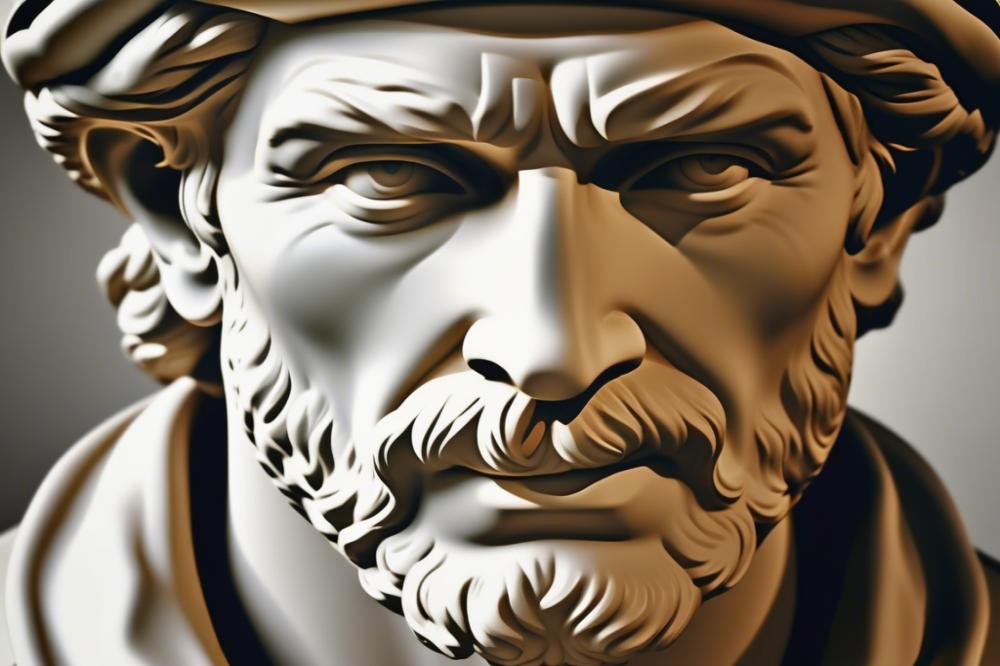
The Renaissance marked a time of extraordinary change in art, culture, and thought. This period blossomed in Europe, beginning in the 14th century and lasting into the 17th century. Artists looked back to classical antiquity for inspiration. They aimed to achieve beauty, realism, and a deep understanding of human nature. Humanism became a driving force, placing emphasis on human potential and achievements.
A closer look at Michelangelo’s work reveals how he exemplified the ideals of Humanism. His masterpieces, such as the Sculpture of David, show not just perfection in form but also the deep emotions and experiences of humanity. Sculpture and painting merged in his works, showcasing the figure in dynamic poses and intricate expressions. The emotional connection he created with his subjects resonated with viewers and set a standard for future artists.
Ancient Roman and Greek influences shaped his artistic approach significantly. His techniques mirrored the skills of classical sculptors, capturing the human body in striking detail. The Sistine Chapel’s frescoes serve as a prime example. They depict biblical scenes infused with life and movement. This stylistic fusion not only paid homage to antiquity but also pushed the boundaries of artistic innovation.
Influential artists of this era were inspired by his vision and mastery. They studied his works to understand the technique behind his sculptures and paintings. The way he blended anatomy with emotion created a new path in art. This path encouraged the exploration of individuality, which was a hallmark of the Renaissance.
Each brush stroke, each chisel mark spoke of his dedication to the craft. His ability to breathe life into marble challenged the conventions of his time. Viewers marveled at the realism he achieved. It was not just about appearance; it was about expression. The Renaissance did not merely change how art was made; it transformed how it was perceived. Michelangelo was a key player in this grand narrative.
Sculpture: The Master of Form
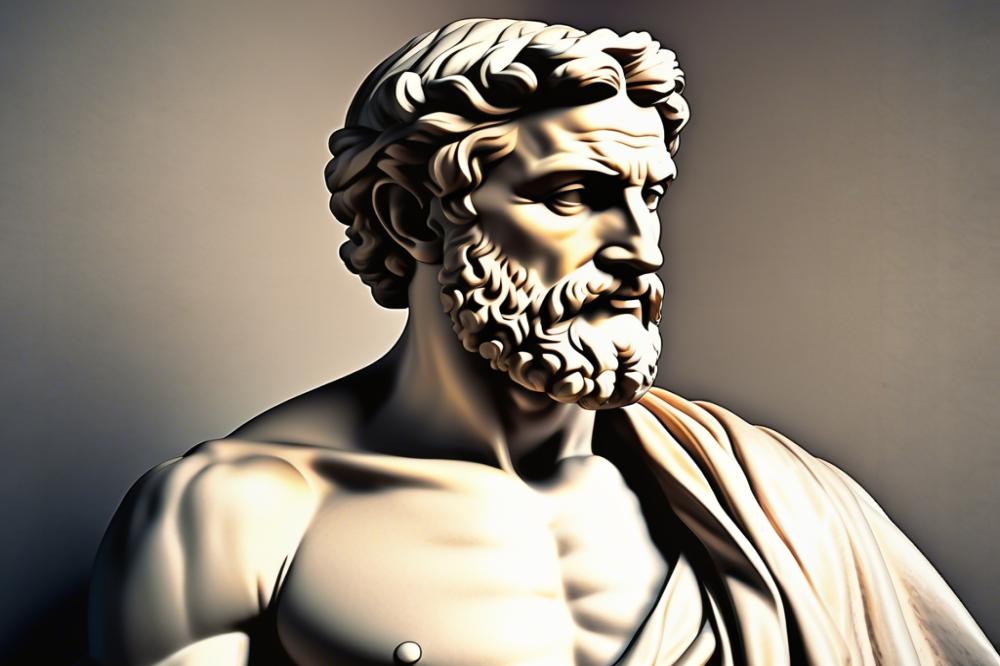
When we think about sculpture during the Renaissance, one name often comes to mind: David. This work of art is a prime example of how innovative technique can shape the perception of form. Carved from a single block of marble, this statue showcases an extraordinary level of skill. Each muscle, each vein seems to pulse with life. At first glance, it is a simple representation of a biblical hero. However, deeper analysis reveals an emotional depth rarely seen before in sculpture.
Artistic innovation marked the Renaissance, pushing boundaries in various forms like painting and frescoes. Artists began to embrace Humanism, focusing on what it means to be human. David personifies this movement, standing tall and proud, embodying the spirit of courage and determination. The gaze of this figure captures the moment before battle. Viewers are drawn not just to its beauty, but also to the story it tells.
His technique stands as a benchmark in the art world. The level of detail is astonishing. Hair and expression seem almost real. Each contour reflects knowledge of anatomy that was revolutionary at the time. Such realism did not exist before; it would set new standards for future sculptors. Influential artists who followed would struggle to meet this high bar.
Additionally, the impact extended beyond just sculpture. The same innovative spirit translated into painting, seen in the frescoes of the Sistine Chapel. There, the vibrant colors and intricate details echo the same principles of form and proportion evident in David. Artists began to realize that emotional storytelling and technical skill could coexist. Therefore, the legacy of this iconic statue reaches far beyond its marble surface, altering the course of art history forever.
In summary, the sculptures crafted within this time period speak volumes. They reflect a deeper understanding of human emotion and physicality. David, specifically, transformed how sculptors approached their craft. This piece not only redefined sculpture but also influenced generations of creators to come.
Painting: The Evolution of Technique
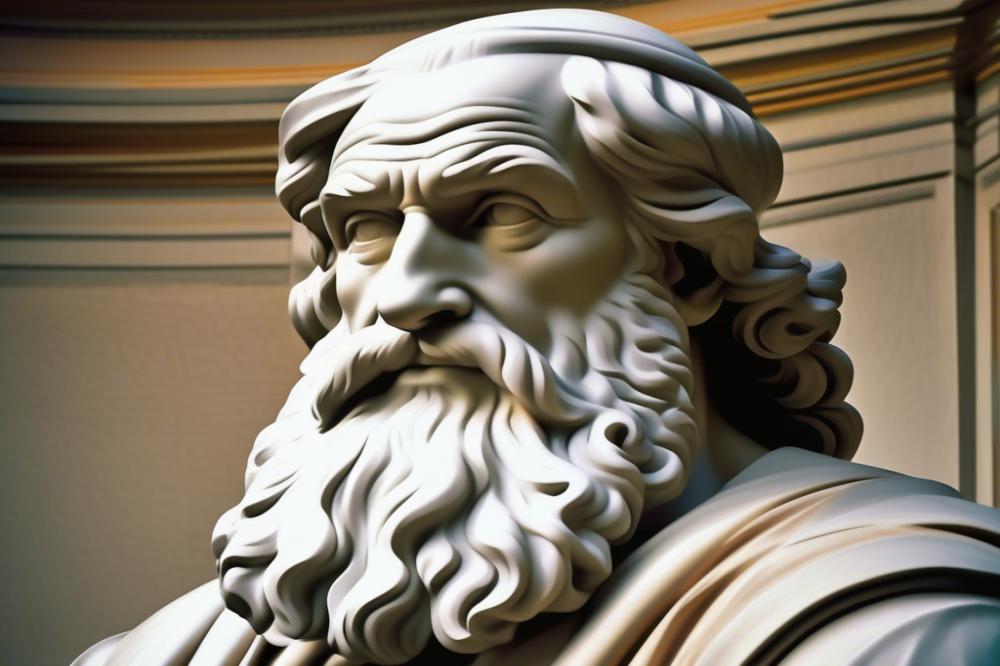
The Renaissance marked a significant turning point in the world of art. Artists began to explore the human experience and the beauty of the natural world. One of the most notable figures during this time was a master of more than just sculpture. His incredible work in painting transformed how people viewed this medium.
The Sistine Chapel stands out as a masterpiece of this evolution. This monumental work features a series of breathtaking frescoes. Painted upon the ceiling and altar wall, these images tell powerful stories from the Bible. Each figure exhibits an unparalleled understanding of the human form. This attention to detail made the characters come alive in a way that hadn’t been seen before. Artists after him drew inspiration from this work, impacting generations.
His fresco technique advanced the medium significantly. Unlike traditional methods, colors blended seamlessly into the plaster. This approach allowed for vibrant shades and deeper shadows. As a result, the paintings exhibited a three-dimensional quality that captured the viewer’s attention. Observers are struck by the sense of movement and emotion in each scene. Even the smallest details showcase his mastery of light and shadow.
Humanism played a crucial role in his artistic direction. Influence from classical antiquity seeped into his creations. Rather than only depicting divine beings, he portrayed humans with depth and complexity. Each figure embodies unique expressions, allowing viewers to connect with the artwork on a personal level. The emotionality of the frescoes encourages reflection.
This innovative approach inspired numerous influential artists who followed. His work, including the iconic “David,” demonstrated the potential of sculptural form in painting. Not only did he revolutionize the techniques of his time, but he also left a legacy that defined the trajectory of Western art. Present-day artists still look back at his techniques for inspiration.
Innovations in Artistic Expression
Art during the Renaissance saw a profound transformation, driven in part by the bold innovations of its masters. One such artist revolutionized the way composition and anatomy were approached. His work emphasized realism and emotion, shifting perspectives on the human form. The intricate details in his sculptures and paintings were groundbreaking, inviting viewers to appreciate the beauty and complexity of human anatomy.
The famed statue of David stands as a testament to this evolution. Created with a keen understanding of proportion and structure, it demonstrates a fluidity that many earlier forms lacked. Unlike his predecessors, this artist captured not just the physical appearance, but also the spirit of his subjects. The pose conveys both strength and vulnerability, which was rare for that period. Through such works, he set new standards for artistic excellence.
Frescoes in the Sistine Chapel serve as further evidence of his ability to inspire. These ceiling paintings showcase a dynamic arrangement of figures that engage and interact on an epic scale. Vibrant colors breathe life into biblical scenes, and the technique used draws the viewer’s eye across the vast expanse of the ceiling. This effectiveness in storytelling through art fostered a deeper emotional connection with audiences.
Humanism played a significant role in shaping this artist’s vision. The focus on individual experience and emotion resonated with contemporary themes. His mastery influenced not only his immediate peers but also generations of influential artists who followed in his footsteps. The pursuit of measure, proportion, and perspective became paramount in Renaissance art. Artists sought to replicate this newfound understanding in their own works.
Keen attention to detail and the innovative representation of the human body led to artistic innovation that expanded far beyond one individual’s contributions. This approach encouraged experimentation and exploration within the realm of sculpture and painting. As a result, art became a reflection of human experience, aspirations, and the very essence of life itself.
Legacy and Influence on Future Artists
The Renaissance marked a turning point in art, largely due to the work of Michelangelo. His skill in sculpture and painting has inspired countless artists across generations. His masterpieces, such as the iconic David and the breathtaking frescoes of the Sistine Chapel, became benchmarks for artistic excellence. These works did not only showcase his talent but also highlighted the ideals of Humanism.
Many influential artists looked to him as a guiding light. For example, the Baroque artist Gian Lorenzo Bernini drew upon Michelangelo’s dramatic techniques to elevate his own sculptures. The way he portrayed movement and emotion set a standard that many aimed to replicate. Additionally, the Impressionists were inspired by his use of light and shadow, pushing the boundaries of traditional styles.
Technique played a significant role in Michelangelo’s enduring impact. He was known for his ability to depict the human form with incredible realism and expression. This focus on anatomical precision and detail has influenced generations of artists in their own explorations. Modern artists still reference his approach to figure composition, proving that his methods are timeless.
Themes in his works resonate even today. Ideas of beauty, strength, and humanity can be found in various art movements that came after the Renaissance. From Neoclassicism to Romanticism, many artists wrestled with similar concepts. They sought to capture the essence of humanity in their creations, echoing the ideals Michelangelo championed.
Artistic innovation is another cornerstone of his legacy. His bold departures from conventional styles encouraged others to explore new techniques. Many future artists sought to break away from the tradition, inspired by his ability to combine sculpture with painting. This blend of disciplines has led to diverse forms of artistic expression.
Overall, Michelangelo’s influence is undeniable. Generations have turned to him for inspiration, and his work continues to be studied in art schools worldwide. His lasting impact on art history is woven into the fabric of modern creativity. Indeed, the evolution of art can be traced through the lens of his contributions. His approach serves as a wellspring for any aspiring artist today.
Final Thoughts on a Revolutionary Artist
Michelangelo’s impact on art is truly transformative. His works, both in painting and sculpture, set new standards for creativity and technical skill. This artist not only defined an era but also shaped the future of visual arts. From the iconic Sistine Chapel ceiling to the astonishing David, his creations pushed boundaries. They invited viewers to experience emotion and beauty in ways never seen before.
Significantly, his influence extends far beyond his lifetime. Other artists looked to him for inspiration. Techniques he pioneered continue to inform art today, teaching countless generations. His ability to convey human emotion and physicality in stone and paint captivated audiences and scholars alike. The detailed expressions and lifelike forms show a deep understanding of the human condition.
Furthermore, the Renaissance marked a turning point in how artists approached their craft. It encouraged a focus on realism and the exploration of human experience. In this environment, he thrived, raising the expectations of what art could accomplish. His legacy in this narrative of famous Italian painters remains a benchmark. It challenges artists to reach for greatness.
In the end, Michelangelo stands as a vital figure in art history. His revelations changed the conversation about artistic expression. The world feels his presence in galleries and museums, where his masterpieces continue to inspire. Each piece tells a story that resonates across time. It serves as a reminder of what can be achieved through creativity, dedication, and vision.

