
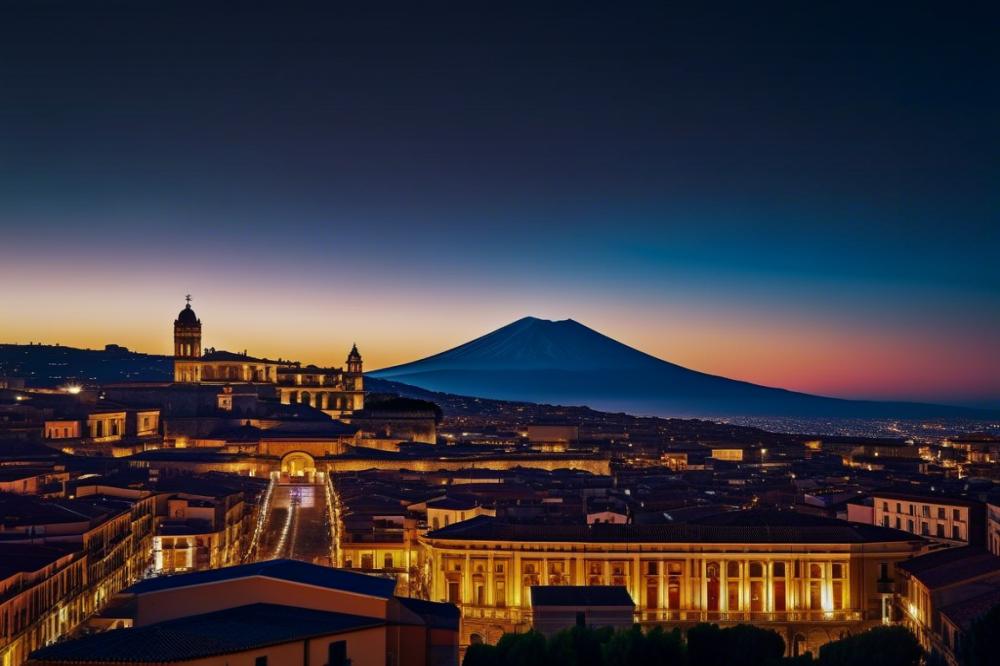
Overview of Catania‘s Significance in Italian History
Catania holds a prominent place in the tapestry of Italian history. Situated on the east coast of Sicily, the city has witnessed numerous civilizations. From the ancient Greeks to the Romans, each culture has left its mark on the landscape. Over the centuries, a rich blend of traditions has shaped its identity. This historical depth is evident in the architecture that lines its streets. Visitors can admire Roman ruins scattered throughout the area. Each site tells a story of glory, resilience, and transformation.
Connection Between mythology and the City’s Identity
mythology plays a crucial role in how the people view their city. Tales of gods and ancient heroes abound. Legend has it that the fire-breathing giant, Typhon, lies imprisoned beneath Mount Etna. This connection to myth gives it a mysterious aura that captivates residents and tourists alike. Local legends are woven into the fabric of Sicilian culture, creating a sense of belonging and pride. Festivals and traditions often celebrate these ancient stories, keeping them alive for generations. Through myth, a distinctive identity emerges, offering insight into the city’s character.
Influence of Mount Etna on Catania’s Culture and Development
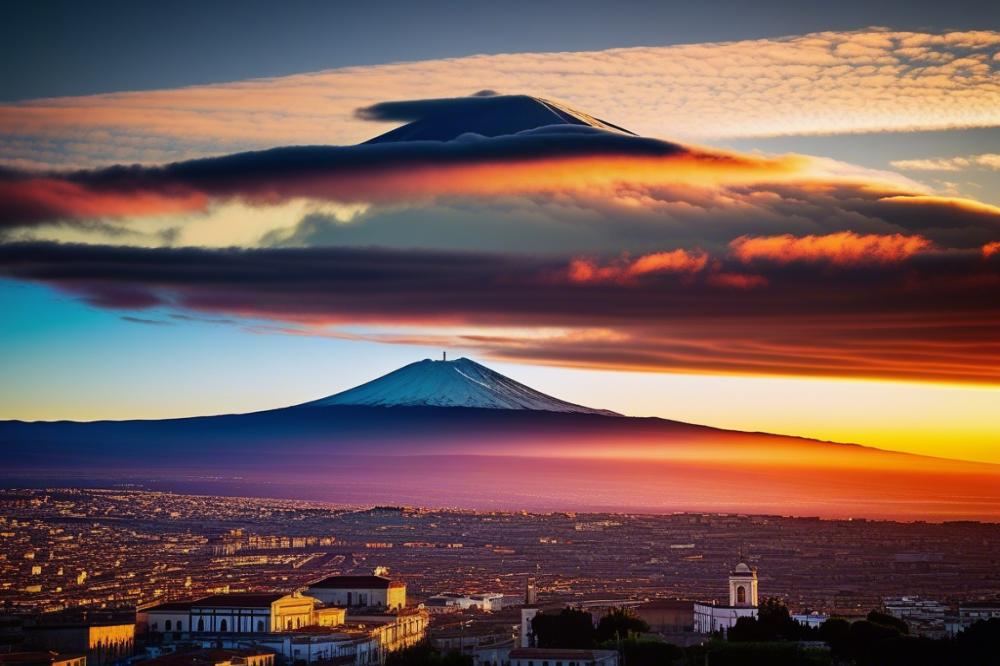
Mount Etna stands as a powerful symbol of Catania’s culture. This majestic volcano not only shapes the landscape but also influences daily life. Its eruptions have dramatically impacted the city throughout history. Yet, rather than fear, the locals have learned to respect and adapt. The fertile soil from its lava has allowed agriculture to thrive, feeding the population and enriching the cuisine. Baroque style buildings, constructed after devastating eruptions, are now UNESCO World Heritage sites, showcasing resilience and innovation.
Tourism flourishes in this dynamic environment. Travelers flock to admire the contrasting views of rugged volcanoes and stunning coastlines. The blend of natural beauty, history, and culture makes Catania a focal point for exploration. As visitors indulge in local cuisine, they taste the essence of a city sculpted by nature and myth. Environments shaped by volcanoes deliver both challenges and opportunities. Catania exemplifies how history, mythology, and nature can intertwine to create a rich, layered identity.
Catania’s Mythological Roots
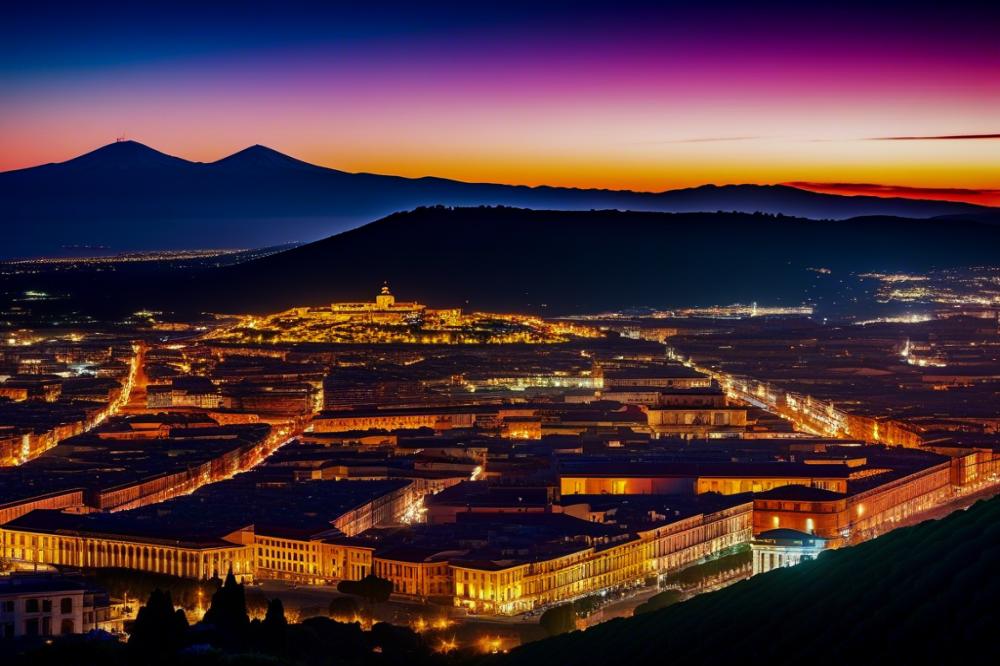
In the heart of Sicily, the breathtaking landscapes are intertwined with rich mythology. Local myths and legends have shaped the identity of the city over centuries. Many tales center around powerful deities and their connection to the land.
The goddess Ceres holds a special place in these stories. She represented agriculture and fertility, influencing the lives of ancient Sicilians. According to myth, her search for her daughter, Persephone, explained the changing seasons. This connection to nature instilled a deep respect for the land among the locals.
Other deities like Zeus and Vulcan also made their mark. The presence of Mount Etna, an active volcano, added to their significance. Legends often depict Vulcan, the god of fire, as residing within its fiery depths. This volcanic activity shaped not only the physical landscape but also the beliefs of the people.
Mythology permeates Sicilian culture in various ways. Through storytelling, ancient influences find their way into modern life. Festivals celebrate these myths, blending history with contemporary revelry. Artwork, too, often reflects these themes, showcasing gods and legends in stunning Baroque style architecture.
In addition to visual arts, local cuisine carries echoes of mythology. Dishes inspired by ancient rituals speak to the region’s agricultural roots. Traditional meals remind residents and visitors alike of Ceres’s blessings, making each meal a canvas of history.
Roman ruins scattered throughout the city reveal further connections to the past. These remnants stand as a testament to the city’s extensive history. Many ancient buildings display a mix of architectural styles, drawing from both Greek and Roman influences. The interplay of different eras creates a captivating backdrop for tourism.
As tourists explore, the fusion of mythology and real-life experiences comes to life. Guided tours often weave these tales into the narratives of Catania’s streets. Visitors are encouraged to engage with the myths, deepening their appreciation for the culture and its roots. The stories enhance the beauty of the city, making each exploration feel like a journey back in time.
The Influence of Volcanoes
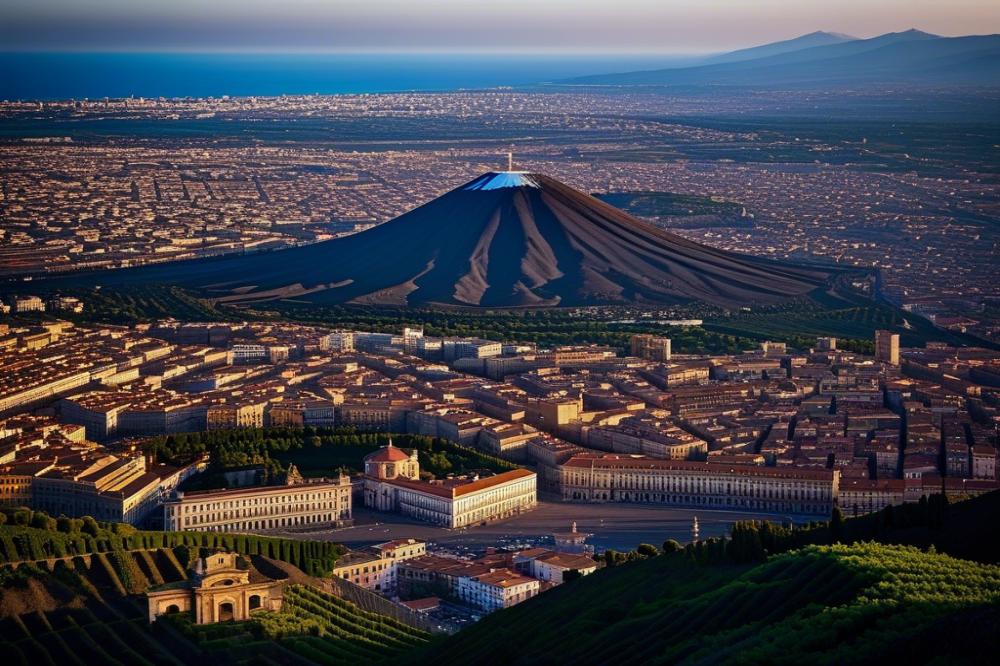
Geological Significance of Mount Etna
Mount Etna is one of the world’s most active volcanoes. Its constant eruptions have shaped not only the land but also the community around it. This stratovolcano dominates the local skyline, often veiled in a smoky haze. Geological studies reveal that its volcanic activity dates back thousands of years. An enormous variety of rocks and soils have emerged from its eruptions. This diversity creates unique landscapes that draw researchers and tourists alike.
Effects of Volcanic Activity on History and Architecture
The presence of Mount Etna has heavily influenced the course of history in the region. Numerous towns, including Catania, have risen and fallen due to its eruptions. Structures built from volcanic materials, like the famous Roman ruins, tell tales of resilience. Ash and lava have sometimes buried old buildings, creating a canvas for later architects to work with. In the Baroque style, many churches and palaces showcase stunning design. This interplay between nature and human creativity makes the architecture a key feature of the city.
Role of Etna in Shaping Local Agriculture and Cuisine
The fertile soils produced by volcanic ash enhance local agriculture. Farmers cultivate a variety of crops, including grapes and olives, thriving in the nutrient-rich ground. Many traditional dishes draw from these local ingredients, making the cuisine rich and flavorful. For instance, the wines from this region boast a distinct taste, stemming from the volcanic terroir. Sicilian culture often reflects this bounty, celebrating food in festivals and gatherings. Tourists savor these culinary delights while learning about the land’s volcanic heritage. The culture of Catania truly dances to a rhythm shaped by its volcanic neighbor.
Historical Milestones of Catania
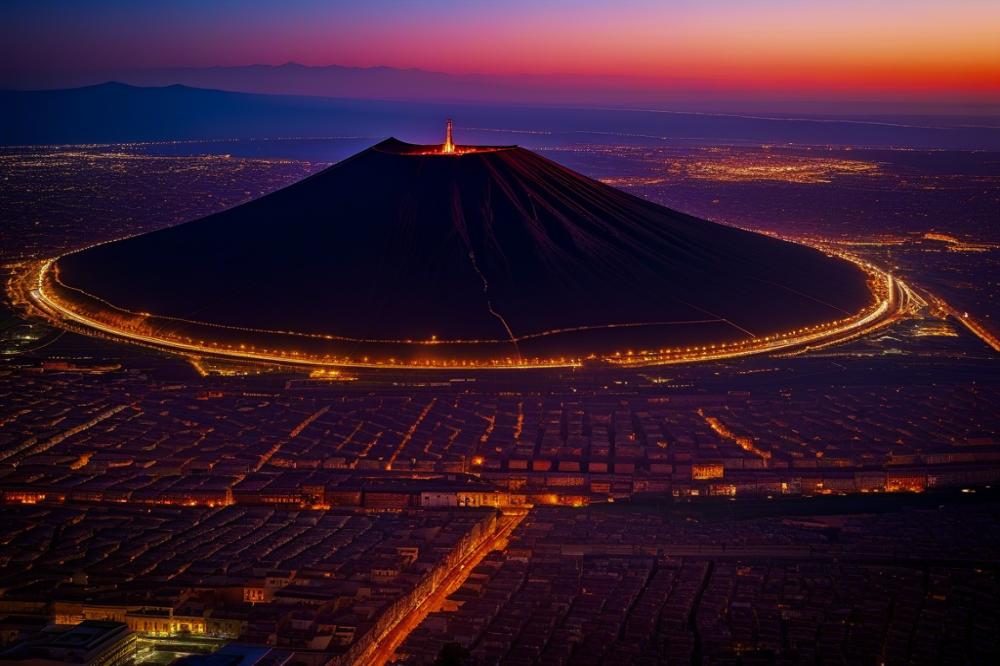
Located on the eastern coast of Sicily, Catania boasts a rich history that dates back to ancient times. Its origins lie with the Greeks, who named it Katanè in the 8th century BC. This coastal city’s fertile land and proximity to the sea made it a crucial settlement in the region.
The influence of the Romans was significant. They built vast structures, including roads and aqueducts, as well as impressive Roman ruins still visible today. After the fall of the Roman Empire, Catania experienced a new wave of growth under Arab rule. Their impact is evident in the local cuisine, architecture, and even some aspects of Sicilian culture.
Later, the Normans arrived, introducing a blend of styles that shaped the landscape forever. They transformed many existing structures and built grand churches, creating what is now admired for its Baroque style. This period left behind stunning cathedrals and palaces that draw tourists from around the world.
Throughout its tumultuous history, significant events altered the course of Catania. The city faced destruction from volcanic eruptions, particularly from Mount Etna. Each time, resilience emerged from the ashes. Reconstruction led to new developments that highlighted remarkable aspects of local culture.
Modern Catania reflects a mix of these diverse influences. The blend of ancient and contemporary can be seen in the vibrant street life and remarkable landscapes. Here, mythology intertwines with history, creating a unique identity that captivates visitors. Every corner reveals stories of the past, contributing to the allure of this Sicilian gem.
Architectural Diversity
Roman ruins stand as silent witnesses to the city’s storied past. They reflect a blend of ancient influence and local character. Structures like the Roman amphitheater showcase the grandeur of Sicilian culture. Built in the 2nd century AD, this amphitheater reveals a narrative of entertainment and community life long ago. Visitors often marvel at how such sites survived two major eruptions of Mount Etna.
Baroque Beauty
The Baroque style, dominant in the 17th and 18th centuries, transformed the city’s skyline. It features dramatic façades and intricate details that captivate the eye. Architecture of this era was influenced by both the Catholic Church and the local nobility. Churches and palaces often showcase this lavish design. The Cathedral of Sant’Agata, with its stunning ornaments, highlights this trend beautifully.
Notable Landmarks
Historical landmarks reveal layers of life and culture throughout time. Piazza del Duomo stands at the heart of it all. This lively square is home to the Elephant Fountain, an iconic symbol of the city. Nearby, the Ursino Castle offers glimpses into medieval architecture, showcasing Catania’s feudal past.
Streets lined with Baroque buildings entice tourists with their charm. The Monastery of San Nicolò l’Arena stands as a prime example of this aesthetic. Its interior is as rich and complex as the historical narratives surrounding it. Exploring these sites allows one to experience the blend of mythology and history that defines the area.
Sicilian Culture and Cuisine
Sicilian culture thrives at the crossroads of myth and history. The island’s complex past, filled with influences from various civilizations, shapes its culinary landscape. Volcanoes, particularly Mount Etna, have affected farming and agriculture, resulting in distinct flavors that define local cuisine.
Traditional dishes heavily rely on local ingredients. Fresh seafood from the coast complements pasta made from durum wheat. Popular meals include ‘arancini,’ fried rice balls stuffed with a variety of fillings, and ‘caponata,’ a sweet and sour eggplant dish. Herbs and spices found in the surrounding landscapes enhance the flavors, showcasing the influence of both Italy and North Africa.
Roman ruins scattered throughout the area tell stories of ancient life. They offer insight into how past cultures incorporated their traditions into everyday meals. The rich history of this region helps to preserve its unique culinary practices, making each dish a reflection of its heritage.
The Baroque style of the city’s architecture mirrors the diversity found in Sicilian cuisine. Festivals play a vital role in maintaining regional identity. Events celebrating local food are commonplace, attracting both tourists and residents alike. During these gatherings, traditional recipes are passed down through generations, strengthening community bonds.
Catania offers visitors a glimpse into a vibrant culture. Each bite of local food carries the essence of its history. Through cuisine and festivals, the people celebrate their roots, ensuring that the legacy of their ancestors continues to thrive.
Tourism and Landscapes
Nestled between the magnificent Mount Etna and the Ionian Sea, Catania boasts varied landscapes that reflect both natural beauty and urban charm. This vibrant Sicilian city showcases a dynamic mix of ancient Roman ruins and stunning Baroque architecture. Streets lined with black volcanic stone contrast with elegant white marble buildings, providing a feast for the eyes. Close by, the lush greenery of parks and gardens invites people to enjoy relaxing moments away from city life.
Popular Tourist Attractions
Numerous attractions draw visitors to explore the city’s rich history. The historic amphitheater, a remnant of Roman times, tells stories of gladiators and festivities that once echoed through its walls. Nearby, the ornate Piazza del Duomo features the stunning Cathedral of Sant’Agata, dedicated to the city’s patron saint. Baroque-style fountains and sculptures adorn this vibrant square, showcasing the artistic flair characteristic of Sicilian culture.
Mount Etna, the towering volcano, serves as both a natural wonder and a crucial part of local mythology. Many tourists venture to its slopes to witness the breathtaking views and learn about the volcano’s impact on the city. Guided tours offer insights into its eruptions and the fertile land surrounding it, which nurtures local crops and vineyards.
Impact of Tourism
Tourism significantly influences the city’s economy, providing jobs and supporting local businesses. Restaurants brim with patrons eager to taste the exquisite cuisine. Traditional dishes reflect a blend of flavors shaped by centuries of cultural exchange. Visitors often leave with more than just souvenirs; they carry pieces of Sicilian heritage and culinary traditions back home.
However, this influx of tourists can also strain the local environment and cultural sites. Balancing tourism with the preservation of historical landmarks is essential. Community efforts aim to protect the architecture and landscapes that define the city. Sustainable practices become increasingly crucial as the popularity of Catania continues to grow.
Reflecting on a City Shaped by Myth and Nature
Catania stands as a remarkable testament to the interplay of mythology, history, and the natural world. This Sicilian city has been molded by both the legendary tales that echo through its streets and the powerful presence of volcanoes that define its landscape. Ancient stories shape cultural identities, connecting residents to their rich past while also influencing their daily lives. The importance of preserving this vibrant cultural tapestry cannot be overstated. As generations pass, the stories, traditions, and the very essence of the place risk fading without conscious effort.
While walking through its historical neighborhoods, one can feel the weight of the ages. Each piazza, each stone, tells tales of resilience and creativity. It is vital to remember that every monument is not just a tourist attraction; it symbolizes the spirit of a community that has triumphed over both natural calamities and historical challenges. Future inhabitants deserve to experience this heritage, just as today’s residents do.
In summary, the city is an essential chapter in the broader narrative of Italian culture and history. It serves as a living museum where mythology intertwines with everyday life. The lessons learned from both mythological stories and the raw power of its surrounding volcanoes are crucial. They offer insight into the resilience and adaptability of its people. Catania deserves recognition and protection, so it will continue to enchant visitors and locals alike. This city is not simply a destination; it is a vital part of a larger story, one that must be cherished and sustained for years to come.

