Introduction
Michelangelo Pistoletto stands as a pivotal figure in modern Italian art, contributing significantly to the evolution of visual experience. His works bridge traditional art and contemporary expression, inspiring both artists and art lovers alike. Through innovative techniques and profound themes, he prompts viewers to reconsider their relationship with art.
One of his most notable achievements is the development of his Mirror Paintings. These captivating creations do more than simply depict images; they invite interaction. Viewers not only see reflections of themselves but also glimpses into the society around them. This unique concept encourages an exploration of identity and self-awareness within the context of the collective experience.
In contemporary art, Pistoletto’s works challenge conventions. They blur the lines between the observer and the observed, fostering dialogue about social issues. Themes of reflection, society, and time become deeply intertwined within these installations. As art critics have noted, his approach embodies a modernism that resonates with today’s cultural landscape.
The significance of Mirror Paintings lies in their ability to evoke thought and foster connection. They spark conversations about identity, community, and the passage of time. Pistoletto’s influence extends beyond the canvas, impacting various artistic movements and inspiring future generations. As we explore these themes further, it becomes clear that his work offers a lens through which society can examine itself.
Understanding Michelangelo Pistoletto
Born in 1933 in Biella, Italy, Michelangelo Pistoletto grew up during a time of significant change. He studied at the Turin Academy of Fine Arts, where he began to develop his artistic voice. Initially, he worked with traditional painting techniques, but his style evolved as he encountered modernism. The bold ideas of this movement deeply influenced him, especially its focus on breaking away from traditional forms.
Throughout his career, Pistoletto became known for his innovative approach to contemporary art. The mirror paintings he created essentially serve as a canvas that reflects not just images but ideas. By incorporating reflective surfaces, he invites viewers to engage with the artwork. This fosters interaction between the piece and the audience, leading to a visual experience that challenges perceptions of identity and personal reflection.
His artistic influence extends beyond just painting. Pistoletto has made significant contributions to installation art as well. These installations often explore themes of society, prompting viewers to think critically about their surroundings and relationships. Through these works, he highlights the connection between art and life, encouraging more profound dialogue about contemporary issues.
This body of work sparked much discussion in the art world. Critics have noted how his mirror paintings reflect broader societal concerns. They serve as a commentary on individual and collective identity in a rapidly changing world. Therefore, his career stands as a testament to the enduring impact of modernism on contemporary art.
The Concept of Mirror Paintings
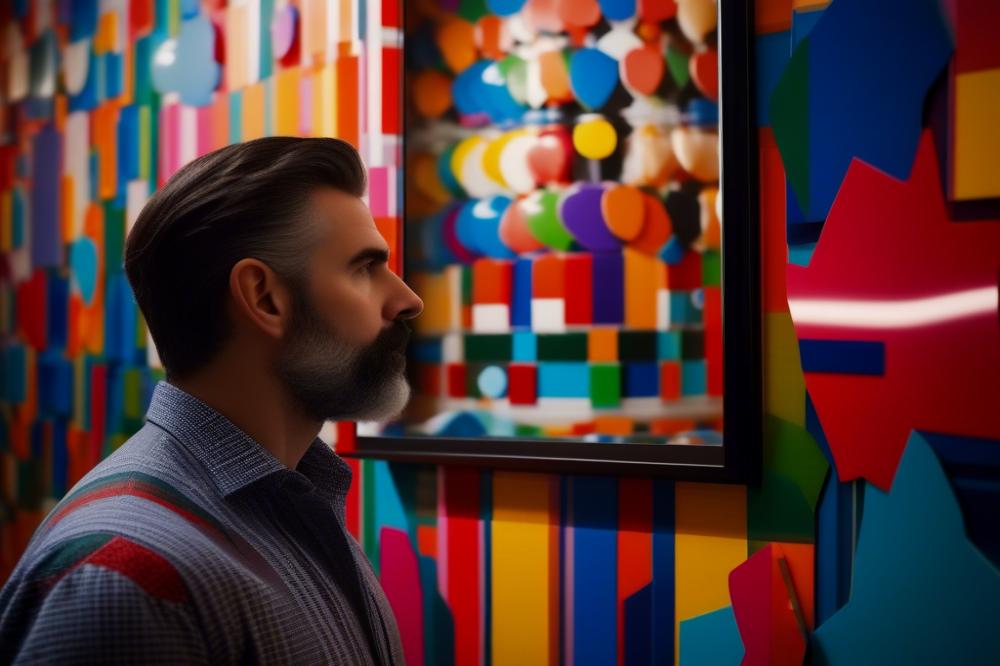
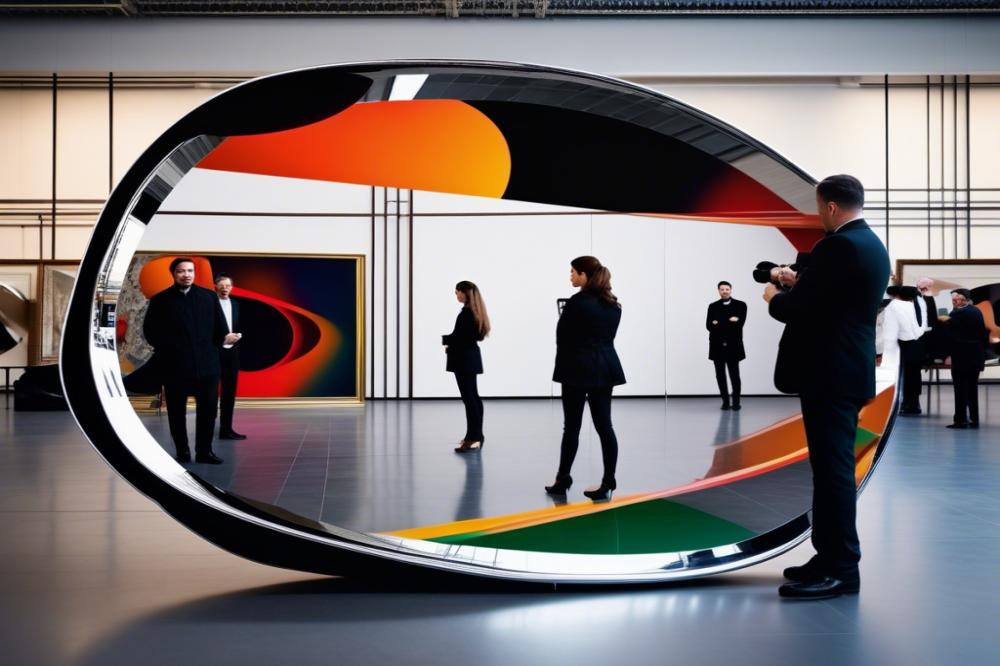
Michelangelo Pistoletto’s mirror paintings represent a key technique in contemporary art. These artworks feature reflective surfaces that transform traditional painting. The materials used include stainless steel or polished metal. Artists utilize these surfaces to create a unique interplay between the artwork and the viewer.
The visual experience generated by this interaction is captivating. When a person stands before a mirror painting, they do not merely observe an image. Instead, they become part of it, blending their reflection with the painted elements. This fusion encourages a dialogue between the observer and the piece, elevating the artwork beyond a static visual object. The moment of engagement invites viewers to consider their own presence in relation to the piece, highlighting the role of society in shaping personal identity.
This interaction also carries a deeper significance. The mirror acts as a metaphor for self-reflection, prompting viewers to examine their own lives. Each glance becomes a chance to question one’s place in a rapidly changing world. Many art critics argue that this aspect captures the essence of modernism, where the exploration of identity is paramount. Through these installations, Pistoletto influences our understanding of art as not only a display but also a catalyst for introspection.
In summary, mirror paintings showcase interactive elements that engage and challenge viewers. They are not mere reflections of painted images but rather a canvas for personal exploration. Art becomes a space where society’s complexities can be examined. Each viewing experience evolves into a thoughtful conversation about who we are and how we connect with the world around us.
Society and Time Reflected in Art
Michelangelo Pistoletto uses his mirror paintings to present a vivid commentary on societal issues. Each piece invites the viewer to engage with the world around them. In these works, art interacts dynamically with the observer. Reflections go beyond mere visual experience; they embody the complexities of contemporary life.
The relationship between time and art is crucial in understanding these installations. As viewers approach the artwork, they bring their own identities and experiences into the space. This interaction plays a significant role in shaping the viewer’s perception. The artworks don’t just represent the present; they also hold a mirror to our past and potential futures.
Case Studies of Specific Mirror Paintings
One notable example is the painting titled “Venus”. Here, Pistoletto highlights themes of consumerism and beauty standards. The reflective surface encourages viewers to see themselves as part of the commentary. It suggests that identity is intertwined with societal expectations. The personal becomes political; perceptions of beauty are challenged as the viewer sees their own image representing broader cultural narratives.
Another impactful piece is “The Mirror of the Heart”. This work explores emotional landscapes. It emphasizes the role of human connection in a fragmented society. Through the lens of specific events, it provokes thought on loneliness, compassion, and social dialogue. Pistoletto’s approach embodies modernism while maintaining a critical stance towards cultural dynamics.
Art criticism surrounding these mirror paintings often addresses their layered meanings. Critics discuss how the reflective quality of the surfaces serves as a symbol for dialogue. The artworks provoke questions about how individuals relate to both art and society. This exploration of identity through reflective surfaces draws viewers in, creating a profound connection.
In summary, these artistic influences capture the essence of contemporary art. Pistoletto’s work elevates reflections of society and time, blurring the lines between viewer and artwork. Observers find themselves not only contemplating the pieces but also their role within the societal framework. Each installation becomes a canvas for dialogue, revealing truths about existence, time, and shared experiences.
Artistic Influence and Criticism
Overview of Pistoletto’s Impact on Contemporary Art Movements
Michelangelo Pistoletto has played a significant role in contemporary art. His blend of visual experience and installation art has altered how artists think about their work. By using reflective surfaces, he invites viewers to become part of the artwork. This interaction fosters a deeper understanding of identity and society. Modernism often emphasizes individual expression, yet Pistoletto’s approach shifts the focus to community and shared experiences. Artists today draw inspiration from his techniques and themes, proving his influence endures.
Reception of His Mirror Paintings in Art Criticism
Critics have offered varied opinions on Pistoletto’s mirror paintings. Some view them as profound statements on self-perception and identity. These observers appreciate how the mirrors challenge viewers to confront their reflections. Other critics argue that the works are overly simplistic. They suggest that using mirrors could easily become gimmicky. Nevertheless, the dialogue around these pieces showcases their emotional power. Many see them as a mirror to society, revealing layers of meaning beneath their shiny surface.
Discussion of His Legacy and Continuing Relevance in Modern Artistic Discourse
Pistoletto’s legacy is visible in many contemporary art practices. Discussions surrounding his work continue to shape current artistic discourse. Artists are inspired to explore themes of reflection and interaction. The mirror paintings create platforms for engagement, prompting viewers to consider their roles in art and society. This ongoing relevance emphasizes the importance of self-exploration in artistic endeavors. As generations of artists study his impact, his work remains vital in understanding how art mirrors our world.
Wrapping Up Pistoletto’s Legacy
Michelangelo Pistoletto’s mirror paintings serve as profound interactions with society and identity. They compel viewers to confront their own image while examining the world around them. By blending art with everyday life, he highlights our interconnectedness. His work captures the essence of the times, revealing social dynamics and individual experiences through reflective surfaces.
The significance of these contributions remains evident in contemporary art. Pistoletto’s ideas resonate beyond mere aesthetic value. They invite us to ponder how art can influence thought and provoke discussion about identity and culture. More than just visual pieces, these works encourage dialogue about the environment we inhabit and the roles we play within it.
Art has a role that extends beyond decoration. Recognizing the importance of reflection in artistic expression can lead to a deeper engagement with the world. Art invites viewers not just to look, but to see—to understand the implications of their own presence within the larger tapestry of society. Through Pistoletto’s innovative approach, we learn that every interaction with art is a chance to explore our identity and reflect on our experiences.