Introduction
Mimmo Paladino stands as a pivotal figure in contemporary art. His works, blending painting and sculpture, have significantly shaped how artists engage with Italy’s rich cultural heritage. This visionary has revived interest in the artistic traditions of the past, fusing them with modern techniques.
Many scholars mark the rise of the Italian Transavantgarde movement as a response to an increasingly fragmented art world dominated by Postmodernism. This movement sought to restore emotional expression and traditional techniques in a time when abstraction often overshadowed the personal and the narrative. Artists associated with this movement, including Paladino, infused their creations with layers of cultural references and vivid imagery.
During the late 20th century, a wave of artists emerged from Italy, breathing new life into the concept of avant-garde art. They drew inspiration from older styles, crafting a unique voice that resonated with both their heritage and contemporary society. The focus on neo-expressionism across many of these artists emphasized the human experience in a way that directly countered the disconnection felt in much of modern art. As a result, these individuals not only redefined their own artistic paths but also made lasting contributions to the broader cultural landscape.
Mimmo Paladino and His Artistic Vision
Biographical background and early influences
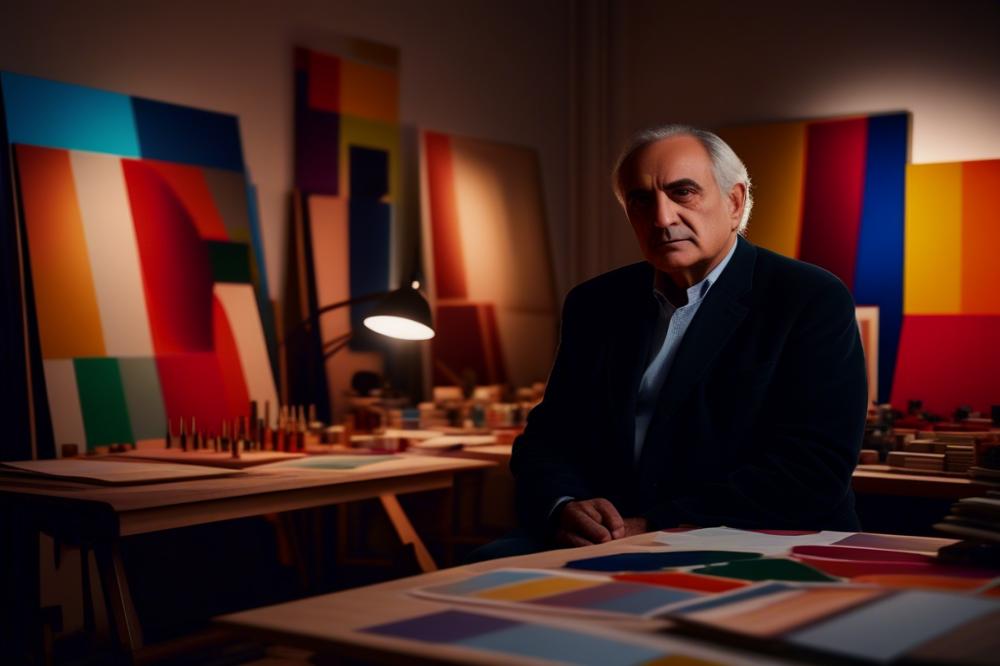
Born in 1948 in the small town of Cerreto Sannita, Italy, Mimmo Paladino grew up surrounded by the rich cultural heritage of his homeland. His early years were marked by a fascination with the traditions of Italian art. The landscape and history of the region left a lasting impression on him. He was influenced by both the simplicity of rural life and the complexities of mythological stories. As he delved into painting during his youth, he encountered various influences from art movements around the world. The avant-garde ideas and the burgeoning forms of contemporary art attracted him deeply.
Exploration of Paladino’s unique style in painting and sculpture
His style stands out in the contemporary art scene. Bold colors and textured surfaces define his paintings. Paladino often merges multiple techniques, creating a visual language that captures attention. Moreover, his sculptures exhibit a similar approach. He uses unconventional materials, which adds depth to his work. Each piece invites viewers to explore complex narratives. This distinct blend showcases his ability to transcend traditional boundaries between painting and sculpture.
Analysis of themes in his work: mythology, history, and identity
Themes of mythology and history permeate his creations. This focus reflects a deep connection with Italy’s past. Stories from antiquity often play a significant role in his pieces. They serve as a bridge, connecting contemporary viewers to their cultural roots. Identity is another recurring theme. Paladino’s work often calls into question what it means to be Italian in a rapidly changing world. His exploration prompts contemplation about personal and collective identities. Such themes resonate widely, making his art relatable to many.
Connection to avant-garde and neo-expressionism
Positioned within the context of the avant-garde, his contributions were crucial to the rise of the art movement in Italy. His approach can also be tied to neo-expressionism, emphasizing emotion and vivid imagery. This connection challenges traditional aesthetics and expectations. Through his work, he revitalizes interest in past artistic traditions while inviting new interpretations. Overall, Paladino’s artwork serves as a dialogue between the past and the modern world. His pieces stand as a testament to the ongoing artistic revival in Italy, bridging generations of art history with contemporary expression.
The Italian Transavantgarde Movement
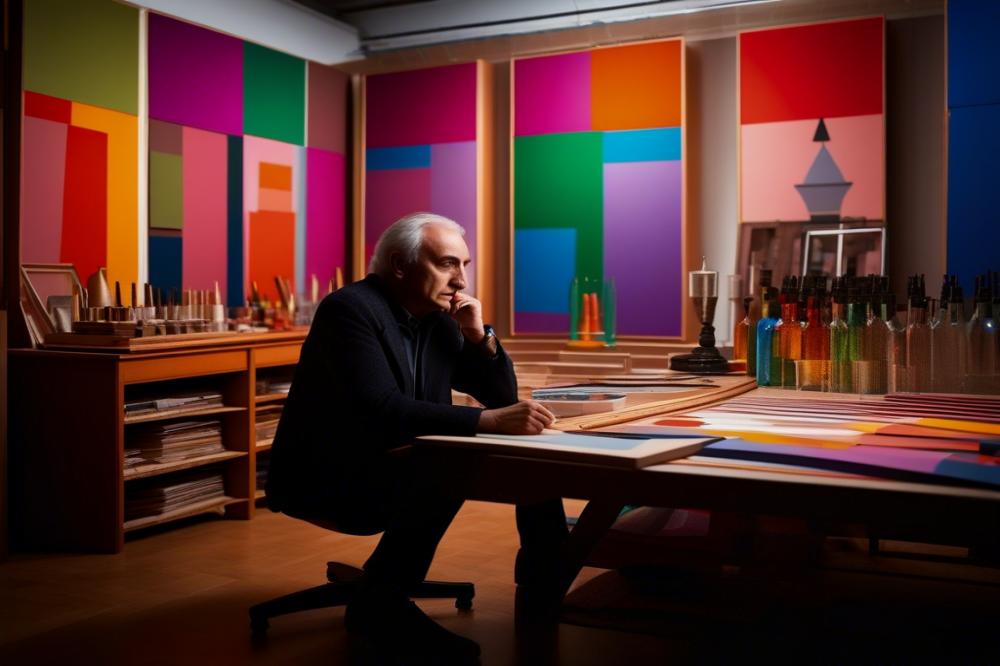
The Italian Transavantgarde emerged in the late 20th century as a significant art movement. This movement sought to reclaim the spirit of avant-garde art, aiming to fuse traditional techniques with contemporary themes. Artists involved strived to highlight emotional expression and cultural heritage, moving away from the rigidity of previous movements. Characteristics of Transavantgarde include vibrant colors, bold brushwork, and a deep connection to mythology and history. In this context, both painting and sculpture became vital forms of expression.
Mimmo Paladino played a crucial role in bringing the Transavantgarde to the forefront of contemporary art. His works often blend ancient symbols with modern ideas, creating a dialogue between past and present. He challenges viewers to reconsider their understanding of art and history. By doing so, he invigorates this artistic revival. His commitment and vision helped solidify the movement’s place in the broader landscape of Italian art.
Postmodernism significantly influenced Italian artists in this era. It encouraged the exploration of personal expression and cultural references. This shift led to neo-expressionism, which emphasized emotion and narrative over abstract forms. Artists sought authenticity in their work, expressing individuality through varied styles and techniques. The rise of this new wave expanded the boundaries of artistic expression. As a result, a more diverse array of artistic voices emerged, reflecting Italy’s rich cultural tapestry.
Numerous prominent figures collaborated with Paladino within the Transavantgarde movement. Their collective vision pushed the boundaries of contemporary art in Italy. Notable artists such as Francesco Clemente and Sandro Chia contributed to this dynamic scene. Each brought their unique perspectives, adding depth to the movement. Their artworks celebrated both spontaneity and the exploration of emotional themes. Together, they formed a vibrant community that left a lasting impact on the art world.
Cultural Heritage and Revival in Artistic Expression
Art often serves as a mirror reflecting society. In the case of Paladino’s artworks, the importance of cultural heritage shines clearly. His paintings and sculptures intertwine elements of Italy’s rich history. Cultural symbols and traditional motifs come alive on his canvases. These inspirations offer viewers a sense of connection to the past.
How do these pieces resonate with Italian history? Every brushstroke invokes narratives of ancient civilizations, mythology, and folklore. They serve as a bridge to collective memory, reminding us of shared experiences. This revival acts as a reminder of what has shaped Italian identity over centuries. Elements of neo-expressionism blend with the influences of the avant-garde, creating a dialogue with the present.
Other contemporary artists delve into similar themes. Some have also focused on Italian roots, exploring various aspects of heritage. This shared endeavor highlights a growing movement within the art community. Artists examine cultural narratives, presenting them through modern lenses. These comparisons enrich the conversation around cultural identity.
Contemporary art plays a vital role in preserving these narratives. It transforms historical themes into something accessible for today’s audience. Artists reimagine the past, inviting viewers to rethink their connections to it. Postmodernism’s ethos encourages exploration and reinterpretation, pushing boundaries of how history is depicted. In this context, Paladino’s work stands prominent as a part of this artistic revival.
Mimmo Paladino’s Global Impact
The influence of Paladino has spread far beyond the borders of Italy. His work has been featured in many significant exhibitions across the world. Major galleries in places like New York, Frankfurt, and Tokyo have showcased his unique vision. These exhibitions have highlighted his contributions to the neo-expressionism and transavantgarde movements. Audiences have responded passionately, learning about Italy’s rich cultural heritage through his art.
Many emerging artists draw inspiration from his techniques and themes. The revival of Italian avant-garde art has encouraged them to explore their own cultural narratives. Young creatives are now focusing on the emotional depth that characterizes contemporary art. With his innovative approach, Paladino has carved a path for future generations. This connection to Italy’s artistic past resonates strongly in their work.
Critics often discuss his impact within the context of Postmodernism. Some view his art as a bridge connecting the old with the new. By fusing traditional methods with contemporary themes, he challenges conventional ideas of art. Interpretations of his pieces range widely. Many see them as a commentary on society, while others appreciate the sheer aesthetics.
Debates in the art world frequently center on how well Paladino captures the essence of Italian identity. Questions about abstraction versus representation arise in many discussions. This ongoing dialogue keeps his work alive in cultural conversations. As a result, his contributions continue to shape modern artistic practices.
Mimmo Paladino and His Lasting Influence
Mimmo Paladino played a crucial role in the revival of the Transavantgarde movement and dramatically shaped modern Italian contemporary art. His work reintroduced ancient symbols and myths, creating a powerful dialogue between the past and present. This approach not only distinguished him from his peers but also breathed new life into an art movement that sought to escape the confines of minimalism and conceptualism. Enthusiasm and energy marked his art, inviting viewers to explore deeper meanings.
Examinations of his contributions demonstrate that they resonate well beyond Italy. Artists around the globe draw inspiration from his blend of tradition and innovation. Masterfully using materials like clay and bronze, he created sculptures that feel both timeless and modern. This fusion continues to inspire a younger generation eager to experiment with their own cultural narratives. As such, his influence extends into today’s artistic currents, igniting discussions about identity, history, and memory in art.
Looking to the future, the artistic community has much to gain by reflecting on Paladino’s legacy. Emerging artists might explore his techniques or revisit symbolic content in fresh ways. Questions surrounding the relevance of cultural narratives in an increasingly globalized world become vital. There is an opportunity for new voices to engage with the ideas he presented. These conversations can lead to exciting developments in the contemporary art scene, paving the way for innovative expressions and interpretations.
In the end, it is clear that his impact endures. By fusing traditional themes with contemporary techniques, he crafted a new path for art that still encourages exploration and introspection. As the ever-evolving landscape of art continues, the lessons from his journey remain vital, inviting all to reflect on the stories we tell through our creative expressions.