How Maurizio Cattelan Redefines contemporary sculpture with irony and provocation
Few contemporary artists have left such a striking imprint on the art world as Maurizio Cattelan. His approach to contemporary sculpture is notable for its rich layers of irony and provocation. This blend of humor and thought-provoking commentary allows him to challenge viewers while engaging them in deeper reflections about society and culture.
Satire plays a crucial role in his installations. Cattelan uses absurdity to make statements about serious issues, often in unexpected ways. He invites viewers to laugh and think at the same time, creating a unique interaction with his work. Most importantly, these artworks serve as critiques of modern life, questioning norms and raising awareness about often-ignored topics.
His place among Italy’s famous modern artists is well-deserved. Cattelan marries tradition with contemporary themes, showcasing both the richness of Italian art and its relevance today. He has become a key figure in contemporary art, inspiring many emerging creators to explore similar paths. Through each piece, he challenges norms, making sure audiences leave questioning their own beliefs.
In the end, Cattelan’s art not only entertains but also engages. It pushes the boundaries of what sculpture can be. By incorporating elements of humor and provocation, he creates a dialogue that resonates with viewers across the globe. His work stands testament to the power of contemporary sculpture to reflect and influence society.
Maurizio Cattelan: The Artist and His Vision
A strong foundation in art drives his work. Born in Padua, Italy, he grew up surrounded by rich cultural influences. Early experiences shaped his views on creativity and expression. The art scene in Italy was vibrant, yet he felt a pull towards something different. This desire sparked a journey into the realm of contemporary art.
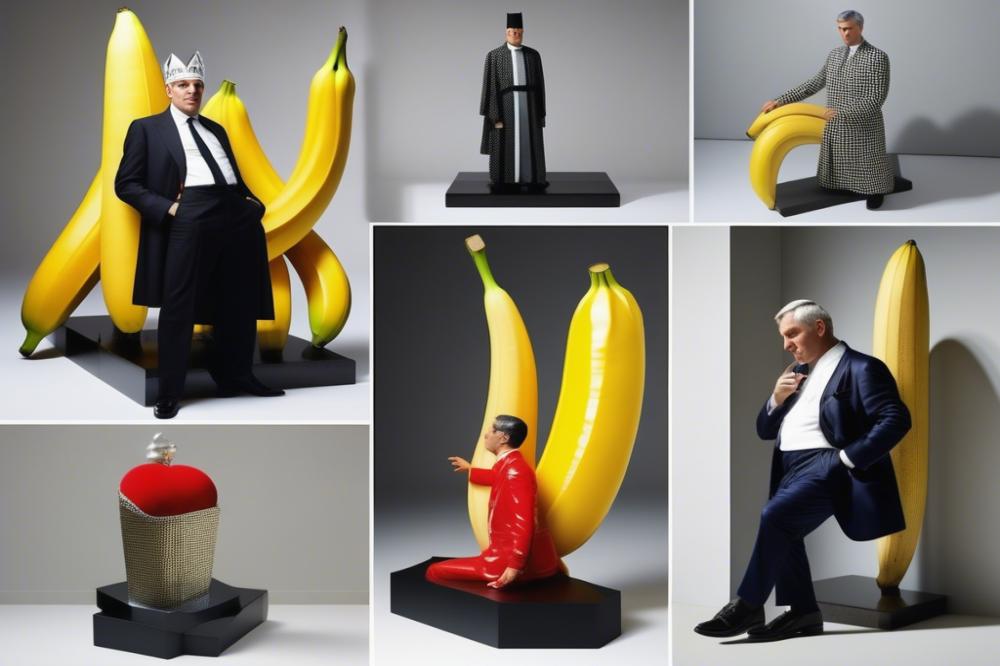
Key themes emerge from his installations. Humor plays a big role in his pieces, often making viewers laugh or at least smirk. Satire is another vital element, allowing him to critique modern society. Many of his works lean towards absurdity, prompting audiences to think about uncomfortable truths. He uses irony effectively, making serious topics more approachable through laughter.
The blending of high art and popular culture is particularly notable. Cattelan manages to bring the everyday into the gallery space. By doing so, he creates dialogue between different worlds. His work makes people question what art is and can be. This fusion feels refreshing, inviting a diverse crowd to engage with his pieces.
Overall, his approach resonates widely. Cattelan’s art invites reflection, yet also serves as entertainment. He has a knack for stirring emotions, whether through joy or unease. Each installation leaves a lasting impression, making it impossible to ignore the underlying messages. His ability to provoke thought while making people laugh sets him apart in the contemporary art scene.
Irony and Provocation in Cattelan’s Sculptures
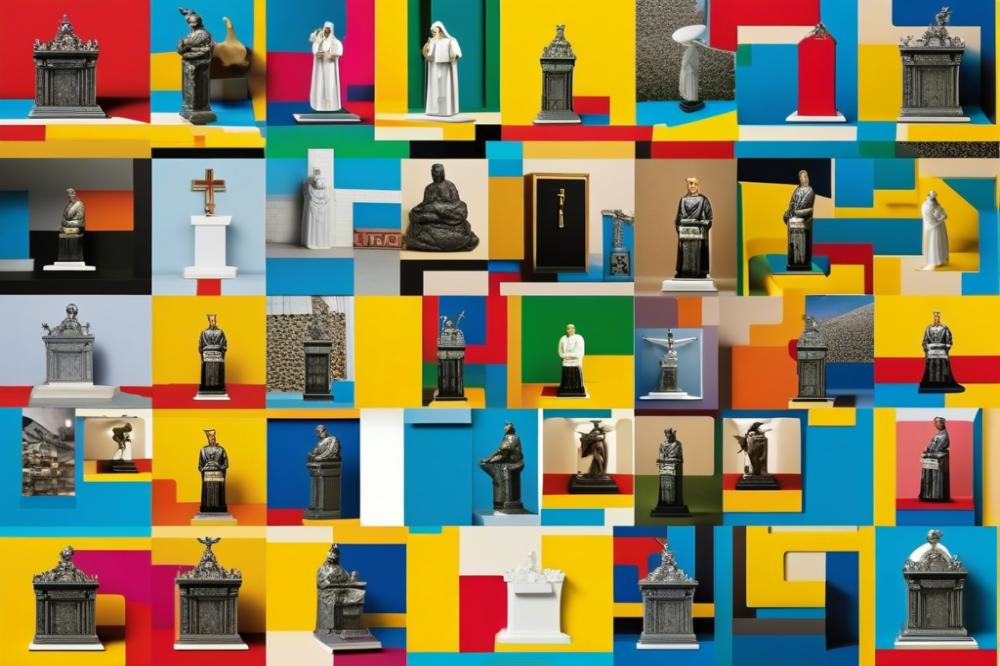
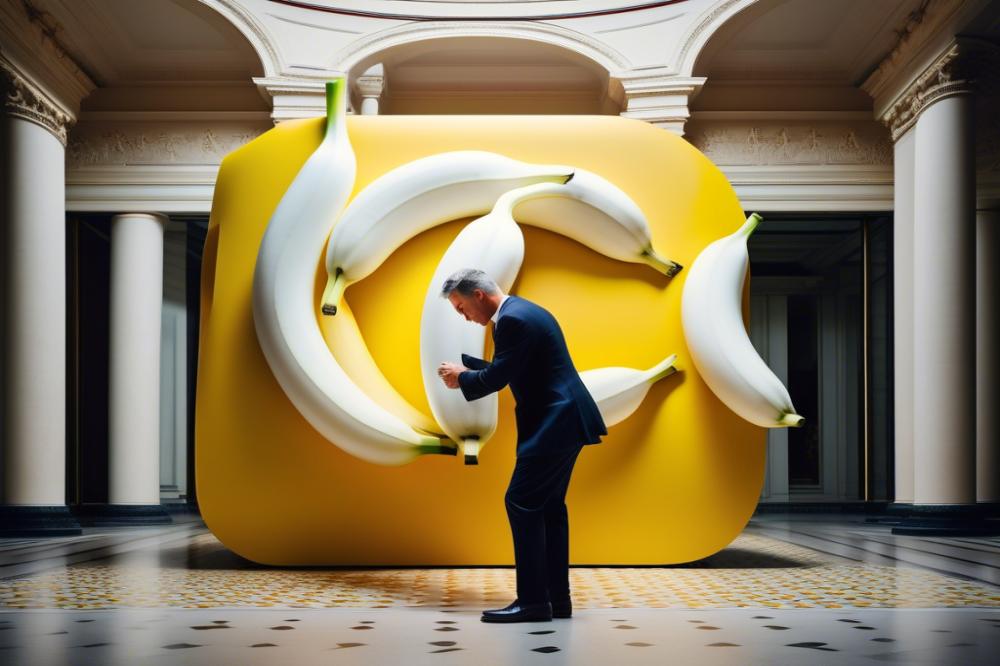
Irony and provocation play crucial roles in Maurizio Cattelan’s sculptures. A notable piece, “The Comedian,” showcases a banana duct-taped to a wall. This installation created a stir in the art community, prompting laughter and dismay. Its absurdity sparked conversations around value in contemporary art. What does a banana signify in a gallery space? This question resonates deeply with viewers.
An essential aspect of Cattelan’s work is how humor challenges societal norms. His sculpture “America,” a solid gold toilet, satirizes wealth and power. Placed in the Guggenheim, the installation became an ironic commentary on excess. Visitors could literally experience sitting on a throne of gold. This blend of humor and opulence made many reflect critically on their own values.
Through satire, Cattelan critiques contemporary issues. “Him” features a life-sized figure of Adolf Hitler praying on his knees. This stark representation starkly contrasts the act of prayer with the figure’s infamous history. Such a bold choice forces audiences to confront uncomfortable truths. It demands a dialogue about morality, history, and responsibility.
Installations like “Not Dead,” which features a taxidermied horse lying on the floor, invoke absurdity. The work elicits both shock and amusement. Viewers may wonder about the message behind such a display. Is it a commentary on existence, or merely a visual gag? This ambiguity is part of the brilliance of Cattelan’s art.
His ability to fuse humor with serious commentary sets Cattelan apart in contemporary art. Each piece resonates differently with audiences, often challenging their perceptions. Irony becomes a powerful tool for engagement. By making people laugh, he also encourages deeper thinking about the world’s complexities.
Notable Installations and Their Impact
The world of contemporary art has seen many bold statements, but none quite like those made by Maurizio Cattelan. His installations use irony and provocation to challenge viewers’ perceptions. One of his most famous works is America, a fully functional toilet made of solid gold. This piece sat in the Guggenheim Museum, inviting visitors to interact with it. By placing something so lavish in an everyday context, he made a powerful critique of wealth and consumption.
Audience reactions often range from amusement to discomfort. Some people find humor in his absurdity, while others feel offended. For instance, when he created Comedian—a banana duct-taped to a wall—the art world buzzed with opinions as it sold for $120,000. Some laughed, thinking it a clever joke, while others were outraged, unable to see the artistry behind the provocation.
Cattelan’s use of space is intentional and impactful. He often places his works in environments that heighten their meanings. In The Ninth Hour, a sculpture of Pope John Paul II struck down by a meteorite was displayed outdoors, catching the eyes of passersby in unexpected ways. The context amplifies the satirical commentary on religion and power, making viewers reconsider their beliefs.
Engagement with his art is complex. Visitors are not merely observers; they are participants in a larger conversation about society. There’s a playful tension in his work that draws people in while also challenging them to think. Humor plays a critical role, transforming uncomfortable truths into digestible critiques. Each installation prompts discussions that linger long after they leave the gallery.
Thought-provoking installations redefine what we see as art. The juxtaposition of ordinary objects within extraordinary contexts turns the mundane into something profound. As people navigate through statements soaked in irony, a multitude of emotions inevitably surfaces. Cattelan reminds us that art is not just to be viewed; it is also to evoke thought and reaction.
Cattelan’s Critique of Contemporary Art
His stance towards the art market is anything but conventional. With sharp irony, he highlights the contradictions found in modern art institutions. In his eyes, the world of high art often becomes a spectacle of absurdity. Wealthy collectors and prestigious galleries create an environment where value is sometimes lost amid the chaos. It seems he finds humor in this disarray, using it as a tool for his critique.
Installations and sculptures serve as platforms for his provocative messages. One of his most famous works features a banana taped to a wall, drawing a myriad of reactions. This piece isn’t just a joke; it challenges viewers to reflect on what art means today. Does it hold intrinsic value, or is meaning shaped by context and attention? Cattelan explores these questions with satire and cheek.
Provocation serves as a method to engage audiences. By presenting the absurd elements of the contemporary art scene, he invites thoughtful dialogue. His pieces force viewers to confront their perceptions of art itself. Can something as seemingly trivial as a banana teach us about societal norms? The answer may lie in the layers of irony embedded in his work.
Reactions to his installations are often mixed. Some appreciate the humor, while others get offended. This varied response underscores the complexity of engaging with contemporary art. Cattelan’s installations push boundaries, prompting discussions on sincerity and pretense. In a world where seriousness often dominates, his approach offers a refreshing shift.
This blend of critique and humor resonates with many. Ultimately, he reflects the absurdities of the art world while challenging norms. His work encourages a deeper understanding. It urges art lovers and skeptics alike to find meaning, even in the most unexpected places.
Legacy and Influence on Future Generations
The impact of Maurizio Cattelan on contemporary sculpture is hard to overstate. Upcoming artists now look toward installations that evoke laughter, confusion, and sometimes shock. His work demonstrates that art can be more than just aesthetic; it can function as a sharp critique of society. By blending humor with serious themes, he has paved the way for a fresh approach in art.
Irony and provocation now play essential roles in artistic expression. Many young creators see the value in making audiences question their beliefs and perceptions. They strive to incorporate absurdity into their work, much like Cattelan. Such elements allow them to challenge norms and push boundaries. This shift indicates a desire to connect with viewers on deeper levels, often through unexpected means.
In today’s art world, satire has gained new significance. Artists following in his footsteps recognize that humor can create dialogue. It makes complex issues more accessible. This evolving understanding emphasizes a shift toward engaging viewers beyond surface-level appreciation. Using art as a tool for reflection and critique is more vital than ever.
The boundaries of art continue to blur, thanks to his provocative touch. Many feel inspired to explore controversial topics. Themes that once stirred discomfort now encourage exploration in galleries worldwide. This transformation invites all, from seasoned critics to casual observers, to rethink their views on artistic expression.
Future endeavors in contemporary art will undoubtedly reflect this dynamic legacy. A sneaking curiosity and a playful attitude can fuel innovative ideas. Artists are encouraged to embrace unorthodox methods and forms, creating works that resonate widely. As they build on Cattelan’s principles, the artistic landscape may become richer and more diverse. The possibilities are endless when irony and provocation guide creation.
Final Thoughts
Maurizio Cattelan has significantly influenced contemporary sculpture through his daring works. He challenges traditional norms and conventions that often govern the art world. By infusing his pieces with humor and critical perspectives, he engages audiences on multiple levels. This ability to elicit strong reactions is not merely for show; it layers meaning and invites deeper reflection.
Irony plays a crucial role in his art. It serves as a tool to confront societal issues, politics, and even the art community itself. Works like “America,” the golden toilet, highlight absurdities in wealth and privilege with a sarcastic twist. Similarly, his past installations that feature satirical representations invite viewers to question what they see. Through provocative choices, he forces people to reassess their views and expectations.
This blend of humor and shock does more than entertain; it opens up a dialogue. The conversations sparked by his works linger long after the artwork is gone. Enthusiasts and critics alike grapple with the implications of his themes. This ongoing discourse ensures his relevance in the art world will continue for years to come.
As a modern artist, his lasting impact is clear. He reshapes perceptions of what sculpture can achieve. By redefining boundaries through irony and provocation, he has carved out a significant niche in contemporary art history. Audiences may remain divided, but that’s precisely where the power lies. In an ever-evolving artistic landscape, his contributions stand as a reminder of the importance of questioning norms and embracing complexity.