Exploring the Depths of Italian photography
Luigi Ghirri stands out as a significant figure in contemporary Italian photography. His work captures more than just images; it embodies experiences tied deeply to culture and place. Through his lens, viewers embark on photographic journeys across the evocative Italian landscape. Each snapshot invites reflection, revealing layers of memory intertwined with a sense of identity.
His unique approach combines the natural beauty of Italy with an exploration of the human mind. Ghirri’s photography acts as a bridge connecting visual art to cultural identity. Themes of landscape and personal history permeate his work, providing glimpses into how people relate to their surroundings. These elements transform his images from mere representations into profound narratives.
Memory plays a crucial role in everything he creates. In many ways, his photographs serve as a visual diary. They document moments and places, preserving feelings that might otherwise fade away. The interplay between what is seen and what is felt invites viewers to consider their own connections to both the landscape and their identities.
Through the lens, his art evokes emotions tied to both personal and collective experiences in Italy. For many, exploring his work becomes an exploration of self.
Luigi Ghirri: Life and Background
Born in 1943 in Scandiano, a town in northern Italy, Ghirri grew up surrounded by a rich cultural landscape. His early experiences influenced his artistic vision significantly. By age twelve, he discovered an interest in photography that would follow him for life. He later studied architecture, which allowed him to appreciate space and structure in a unique way.
Certain influences shaped his work. The artists associated with the Italian modern art movement such as Lucio Fontana and Piero Manzoni inspired him. These connections expanded his understanding of visual art. Additionally, his interactions with fellow photographers, like Bernd and Hilla Becher, offered new perspectives on representation and landscape.
Living in Italy during a time of cultural change played a role in his development. The social and political shifts of the 1960s and 70s provided a backdrop for reflection on cultural identity. Ghirri’s work often highlighted emotional ties to places and memories. He explored how landscapes reflect the collective psyche of a society.
In this context, his photographic journeys can be seen as explorations of both Italy and the mind. They capture ordinary scenes yet imbue them with depth. A focus on the everyday reveals layers of meaning often overlooked. His images invite viewers to ponder their own memories and connections to landscapes.
As contemporary art evolved, Ghirri became a crucial figure. His photography offered insights into how place shapes identity. Through his lens, the landscapes of Italy transformed into powerful symbols. They speak not only of physical geography but also of a shared history and personal experience.
Exploration of Italian landscapes
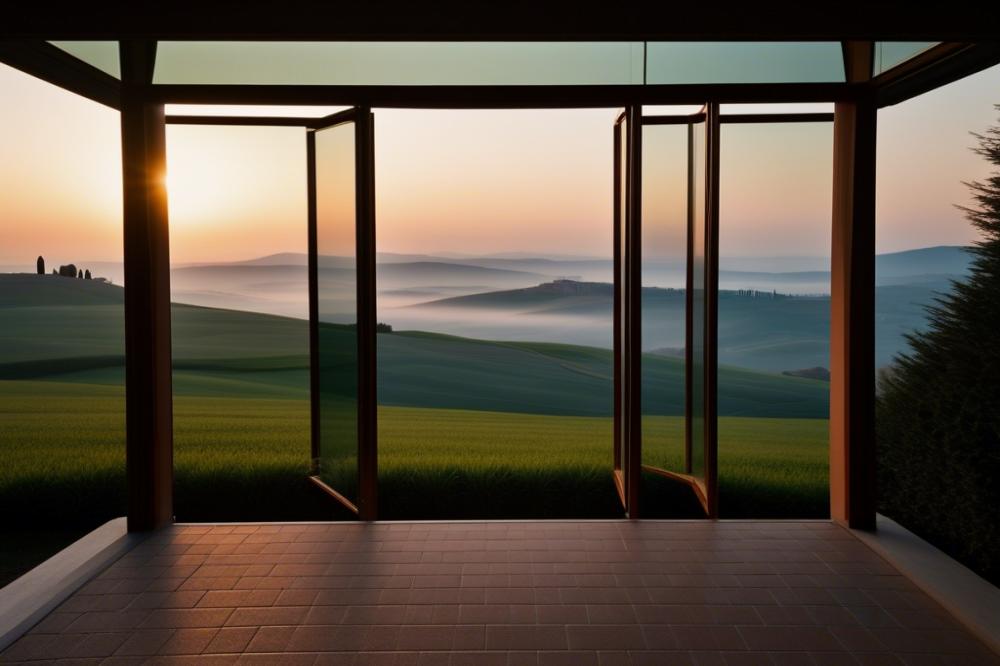
The Italian landscape holds a deep significance in the photographs of Luigi Ghirri. This nation is filled with varied environments, each telling its own story. His work goes beyond simple representation; it delves into cultural identity and memory. Through his lens, the land becomes a canvas where personal and collective narratives intertwine.
The Significance of the Italian Landscape in Photography
Italy is not just a backdrop in Ghirri’s work; it serves as a vital character. Every hill, coast, and cityscape contributes to a larger tale about the human experience. His photographs invite viewers to reflect on their own lives, drawing connections to their memories. Speaking of identity, he captures the essence of what it means to be Italian, highlighting localized culture.
Techniques Used to Capture the Essence of Italy’s Diverse Environments
Ghirri employed various techniques to bring out the beauty of his surroundings. Subtle colors are a hallmark in his images, evoking a sense of calmness. By experimenting with light, he creates enchanting atmospheres that transport viewers into another world. Compositions focus on simplicity, often highlighting everyday scenes. This approach encourages people to notice the overlooked details in their own environment.
Analysis of Key Works that Showcase Landscapes and Their Narratives
Several key works illustrate Ghirri’s exploration of landscapes beautifully. In “Kodachrome,” he documents familiar places but presents them from fresh perspectives. This series resonates with feelings of nostalgia, as familiar scenes feel new and exciting. Another significant work is “Emilia, 1972,” where mundane settings highlight the allure of the ordinary. Each piece contributes to a broader understanding of contemporary art while celebrating Italy’s diverse regions.
Through these photographic journeys, Ghirri reveals the depth of Italy’s landscapes. His artistry prompts viewers to engage with both the external world and their minds. Capturing the Italian essence, Ghirri left a profound impact on visual art, shaping how we perceive our surroundings.
Photographic Journeys: Memory and Representation
Memory plays a crucial role in shaping cultural identity, especially in the visual arts. Ghirri explored this relationship through his lens. He captured the landscapes of Italy not just as scenic views but as reflections of shared experiences and history. Each image serves as a window into the intertwined nature of personal and collective memory.
Reality and imagination often dance together in his work. Ghirri blurred the lines between what is seen and what is felt. His photographs invite viewers to consider not just the physical landscape, but also the inner landscapes of the mind. This interplay enriches the experience of his art, making it resonate on different levels.
Through his photographic journeys, he demonstrated how memories shape the way we perceive the world. For many, Italy is wrapped in layers of nostalgia. His images evoke a sense of familiarity and belonging, tapping into cultural identity that is complex and multifaceted. Each frame captures a story, whether it’s a quiet street corner or vast natural beauty.
Reflecting both personal and collective memories, the work serves as a reminder of shared human experience. Landscapes can hold deep meaning, shaped by the stories we tell ourselves and each other. Ghirri’s ability to weave these narratives into his photographs offers a fresh perspective in contemporary art. Viewers are left to ponder their own memories as they engage with the images.
The Mind in Ghirri’s Work
In examining the work of Luigi Ghirri, one quickly notices how he bridges the gap between physical landscapes and the inner workings of the mind. His photographs serve not only as windows into Italy’s beautiful scenery but also as mirrors reflecting complex emotional and psychological states. Ghirri’s approach highlights a deep sense of contemplation, inviting viewers to consider their own perceptions and memories.
Contemplation looms large within his portfolio. The stillness of a deserted street or the quiet beauty of an empty field stirs feelings that resonate personally with each observer. These images prompt thoughts about cultural identity and how it is shaped by our surroundings. Every photograph tells a story, not just of a place, but of the viewer’s own experiences and dreams. The landscapes reflect a reality that is both tangible and dreamlike.
Perception plays a crucial role in Ghirri’s photography. He captures moments that many may overlook, highlighting the beauty found in the mundane. This act of seeing transforms ordinary scenes into something profound. Whether it’s a shadow cast on a wall or the pattern of clouds in the sky, these details evoke a deeper understanding of our relationship with the world around us. Each shot opens a dialogue between the viewer and what they see, encouraging exploration of their own inner thoughts.
Memory also weaves through Ghirri’s work, acting as a connection between the past and present. Each landscape can evoke nostalgia while simultaneously challenging viewers to question their own recollections. Memories of places and moments reside in his frames, waiting for the audience to unearth their significance. This blend of memory and representation offers a new way to explore the essence of contemporary art.
The intersection of visual art and psychological exploration is evident in Ghirri’s photographic journeys. He invites us to wander not just through Italy’s picturesque views but through the corridors of our thoughts and feelings. As we look at his images, they resonate on an emotional level, merging personal reflections with artistic interpretation. In this space, viewers find freedom to both roam and reflect, crafting their own narratives influenced by the visuals before them.
Impact on Contemporary Art and Photography
Ghirri’s work has made a significant mark on contemporary photography, both in Italy and around the world. He opened the door to new ways of seeing landscapes. This exploration reshaped how people understand cultural identity and representation in visual art. Photographers now look at their environments through a lens that combines memory and personal experience.
Art circles began recognizing his impact during the late 20th century. Exhibitions featuring his photographs often draw large crowds. Critics praise his ability to evoke emotions and inspire reflection. Discussions about his legacy show how his artistic journeys continue to resonate. His approach encouraged a deeper understanding of landscapes, blending reality with the inner workings of the mind.
New generations of photographers actively draw inspiration from his techniques. They seek to replicate that blend of simplicity and depth in their own work. Workshops and art schools frequently reference his contributions. Emerging artists now experiment with ideas first explored in Ghirri’s vast portfolio. The focus on personal narratives in photography has gained traction due to his influence.
In today’s visual arts scene, the influence of his photographic journeys is evident. His style encourages artists to think beyond mere documentation. Instead of just capturing what is in front of them, they explore how locations shape personal and collective memory. Many recent exhibitions showcase this evolving perspective, proving that the dialogue he initiated remains relevant. The journey of understanding Italy’s landscapes and the deeper connections to the mind continues to inspire creativity in photography today.
Final Reflections on Ghirri’s Impact
His contributions to photography have opened new avenues for artists and viewers alike. Ghirri’s lens captured not just locations but emotions tied to these landscapes. By exploring the intersection of reality and imagination, he brought a fresh perspective to modern art. Each photograph tells a story, drawing in the audience to reflect on their own experiences.
The lasting impact of his work cannot be overstated. Photographic journeys across Italy spark a dialogue about the places we inhabit. They invoke feelings that are often difficult to put into words. Understanding landscapes becomes a way of understanding ourselves. Observers find themselves questioning their perceptions and the nature of beauty surrounding them.
Ghirri’s significance stands firm within the context of Italian modern artists. His work breaks boundaries and challenges conventions. Many contemporaries look to him for inspiration. His innovative style encourages new generations to explore the simplicity and depth of their surroundings. As art continues to evolve, the themes he set forth remain relevant.
In sum, Ghirri has shaped how we view not only landscapes but also the landscapes of our minds. His legacy will continue to resonate as long as people look through a lens and seek meaning in their surroundings. The connection between art and life is clearer because of his vision. Understanding this connection enriches the experience of photography for everyone involved.