The monumental art of Arnaldo Pomodoro: Bronze Sculptures That Reshape Space
Arnaldo Pomodoro stands as a pivotal figure in the world of modern art. This Italian artist is renowned for his extraordinary contributions to monumental art, particularly through his stunning Bronze Sculptures. In an era where art blends seamlessly with the environment, his creations invite viewers to consider the relationship between the artwork and the space it occupies.
The importance of Pomodoro’s monumental pieces cannot be overstated. They do not merely exist to be admired; instead, they challenge our perceptions of form and space. Bold, abstract forms redefine areas where they are placed, transforming ordinary settings into galleries of public art. Each work speaks volumes about human experience, memory, and existence.
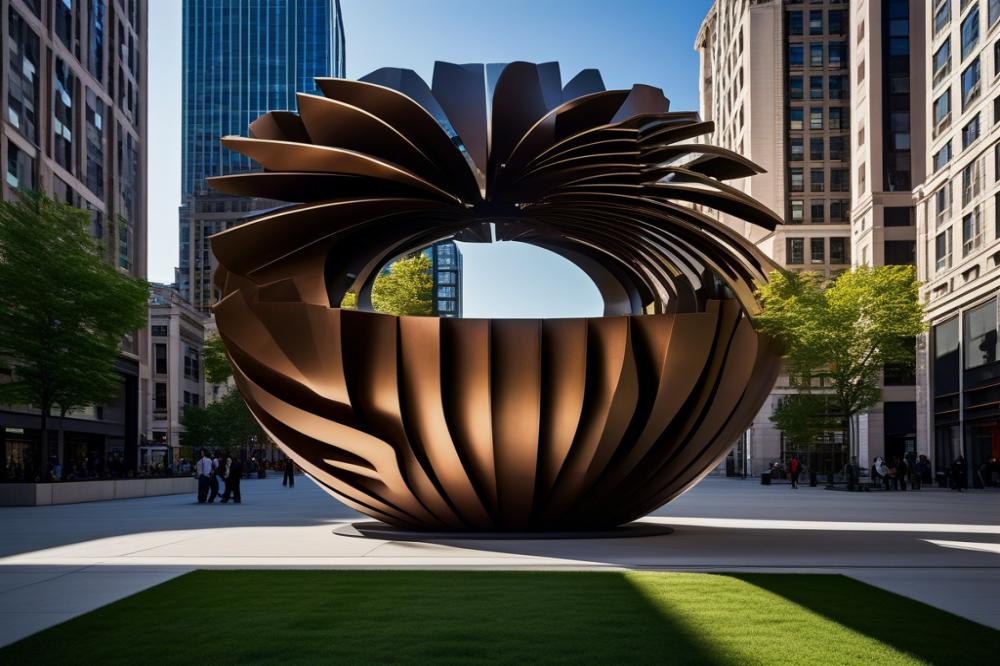
In the realm of contemporary sculpture, his work shines brightly. Sculptures crafted from bronze offer a tangible connection to tradition, yet they embody modern ideas of minimalist design. These outdoor installations captivate and intrigue, prompting viewers to engage in a dialogue with the environment. The way light interacts with the bronze surface also adds layers to the spatial interpretation, creating an experience that evolves with time and movement.
Pomodoro’s artistic legacy is profound. His sculptures extend beyond physical presence; they encourage a deeper understanding of art’s cultural impact. Each piece invites interpretation and reflection, inspiring artists and audiences alike to explore the boundaries of creativity. Through his bronze sculptures, we witness how monumental art reshapes not just spaces, but the way we perceive our world.
The Evolution of Arnaldo Pomodoro’s Artistic Journey
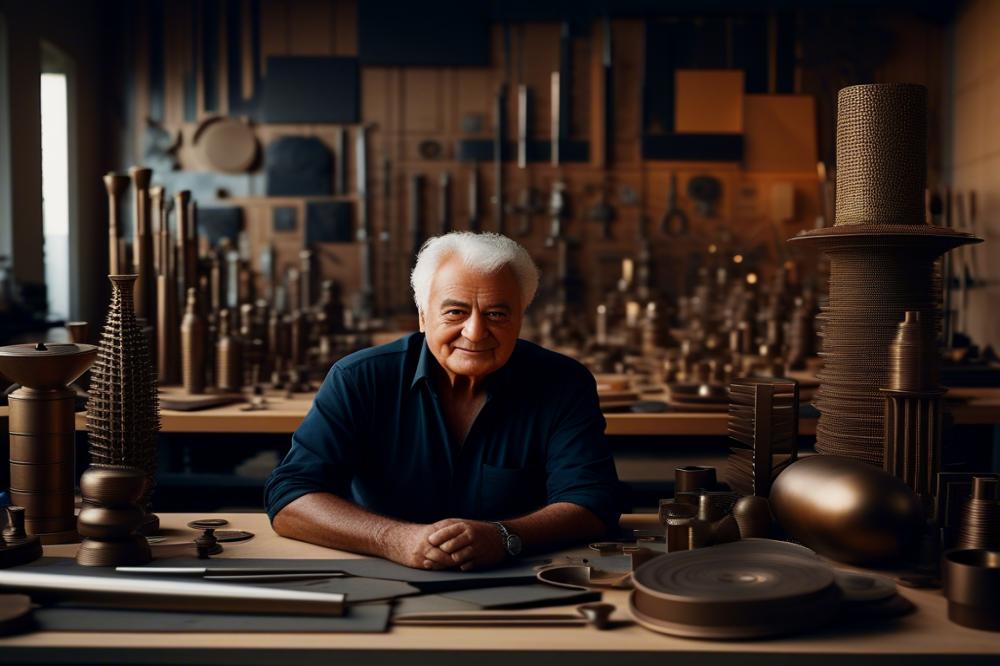
The beginnings of an Italian artist often reflect the landscapes and culture that shaped him. Born in 1926, Pomodoro’s early life in the Marche region of Italy influenced his artistic sensibilities. Traditional aesthetics and the Renaissance masters were foundational to his education. He initially studied at the Academy of Fine Arts in Florence. This exposure to classical art laid the groundwork for his future explorations.
A transition began as he moved to Milan in the 1950s. This bustling city became a catalyst for change in his work. There, he immersed himself in the world of abstraction and minimalist design. He sought to break free from representational forms. Art started to shift towards more conceptual realms, echoing the emerging trends of contemporary sculpture. Abstract forms became his new language, allowing him to express complex ideas through simplicity.
Throughout his career, key milestones marked his rise in the art world. His work was first showcased internationally during the 1960s. Notable exhibitions in the United States and Europe brought attention to his creations. These displays highlighted his monumental art, proving impactful in the realm of public art. Large-scale outdoor installations began to define his artistic footprint. The ‘Sphere Within a Sphere’ is among his most recognized pieces, captivating audiences worldwide.
Each exhibition not only showcased his evolving style but also underscored his artistic legacy. The spatial interpretation of his bronze sculptures challenged how people viewed their surroundings. Pomodoro’s influence extended beyond galleries, altering perceptions of public spaces everywhere. As his career progressed, he established himself as a key figure in the contemporary art movement. His impact is still felt, as many artists draw inspiration from his innovative approach.
The Aesthetic and Technique of Pomodoro’s Bronze Sculptures
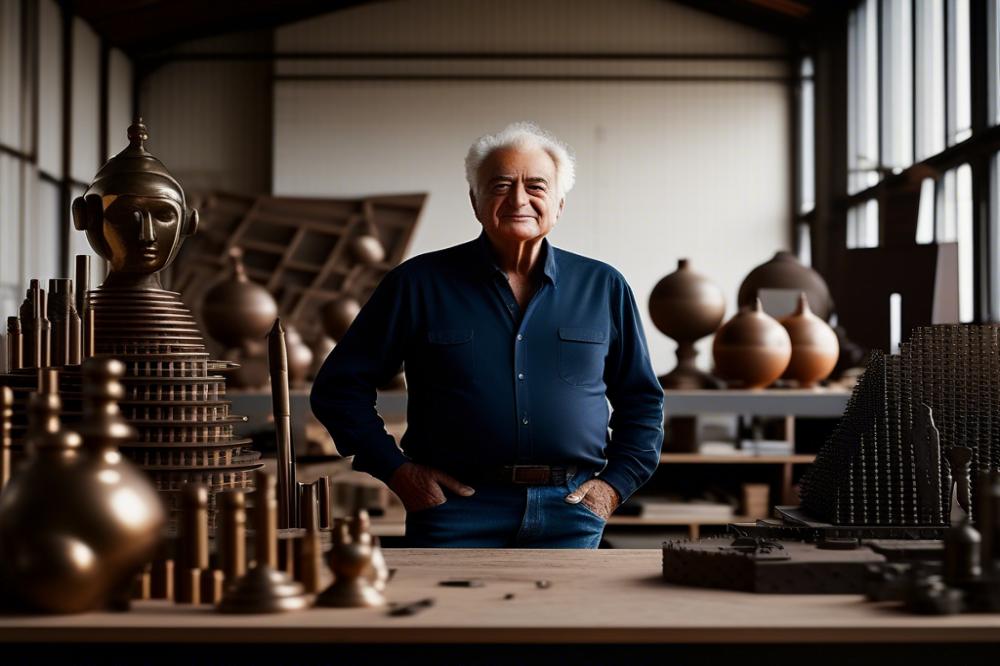
Pomodoro’s works stand as a testament to monumental art, showcasing abstract forms that challenge traditional boundaries. He often employs shapes that seem to emerge organically from their surroundings. Each sculpture invites viewers to engage with the piece on multiple levels, allowing for personal interpretation. The interplay of curves and angles creates a sense of movement, capturing the essence of contemporary sculpture.
The artist utilizes advanced techniques in bronze casting that highlight his vision. A mix of ancient methods and modern innovations defines his approach. Molding molten bronze into intricate designs requires precision and an understanding of the material. This deep knowledge of bronze finishing results in surfaces that reflect light in captivating ways. Different patinas add depth and texture, further enriching the visual experience.
Light plays a crucial role in shaping spatial interpretation. As it dances across surfaces, it creates various moods and atmospheres. This dynamic quality transforms each outdoor installation into a living entity. Shadows shift throughout the day, prompting viewers to see the work anew with every visit. The minimalist design encourages contemplation, inviting individuals to consider their relationship with the space around them.
Pomodoro’s artistic legacy extends beyond individual pieces. His works have a profound cultural impact, becoming landmarks in public art. They resonate within the communities that host them, inspiring dialogue and reflection. The sculptures challenge passersby to look closer and engage with the ideas behind them. Visitors often find themselves pondering the questions the art raises, making each encounter memorable.
Public Art and Outdoor Installations
Analysis of Prominent Outdoor Installations and Their Locations
Arnaldo Pomodoro’s monumental art transcends the gallery walls. His bronze sculptures, displayed in various outdoor settings, awaken a dialogue between art and nature. One standout piece, “The Sphere within a Sphere,” resides at the United Nations in New York City. This location symbolizes peace and unity, enhancing the sculpture’s message. Another remarkable installation, “The Big Sphere,” can be found in the gardens of the Museo di Arte Contemporanea in Rome. Here, the piece interacts beautifully with its surroundings, creating a harmonious visual narrative.
Impact of Public Art on Community Engagement and Cultural Dialogue
Public art fosters a sense of ownership and pride within communities. Visitors often engage with the sculptures, posing for photos or contemplating their deeper meanings. Art in public spaces encourages discussions about creativity and culture. For instance, when people gather around Pomodoro’s works, they are not just observing; they are participating in cultural dialogue. This engagement cultivates understanding and appreciation of contemporary sculpture within diverse communities. Artistic legacy plays a crucial role in shaping these discussions, connecting past and present.
Interaction Between Sculptures and Their Environments
The environment can change how a sculpture is perceived. Pomodoro’s abstract forms invite viewers to explore spatial interpretation. Whether they are placed in urban settings or natural landscapes, these installations engage the senses. The minimalist design complements their surroundings, leading to new experiences for those who encounter them. Light, shadows, and weather shifts alter the sculptures’ appearances, creating a dynamic interaction. This relationship enhances viewers’ understanding of both the art and its context. Each installation becomes a part of its community, reflecting local narratives and histories.
Cultural Impact and Artistic Legacy
The influence of the Italian artist on contemporary sculpture runs deep. His approach to monumental art has inspired many emerging artists to explore new dimensions in their work. The combination of abstract forms with a focus on spatial interpretation allows for a distinct experience in public art. Many find themselves drawn to his outdoor installations, where viewers interact with the surrounding environment.
Themes such as time, civilization, and existence emerge throughout his sculptures. These concepts resonate with audiences, making them reflect on their own lives and societies. Each piece invites contemplation, urging people to dig deeper into their meanings. The minimalist design of his work emphasizes not just the physical aspects but also the emotional undertones present in human history.
Preservation of his artistic legacy continues in museums and public art collections worldwide. Institutions showcase his creations as prime examples of modern artistry. Young artists often visit these spaces to study his techniques and philosophies. By studying such works, they can learn how to reshape their own artistic journeys.
In addition, the artist’s contributions foster discussions about the role of art in public spaces. His creations encourage communities to engage with the artistic process. This aspect of collaboration adds to the cultural impact of his work, bridging gaps between art and society.
As future generations of artists delve into their own practices, the echoes of his influence remain strong. His legacy serves as a guiding force, inspiring innovation and creativity in the field of sculpture. The conversations sparked by these artworks will endure, shaping thoughts on art long into the future.
Final Thoughts on Pomodoro’s Lasting Impact
Arnaldo Pomodoro has significantly shaped the world of modern art. His contributions are not limited to just the physical pieces he creates. Each bronze sculpture invites viewers to see space differently. These works transform their surroundings, creating new experiences for those who encounter them.
The boldness of his designs resonates deeply with audiences. Structures often seem to challenge gravity, promoting a sense of wonder. Viewers find themselves engaging with the art on multiple levels. Each piece not only stands out but also blends into its environment, creating a dialogue between sculpture and space. This interaction plays a vital role in contemporary sculpture, revealing how art can redefine our perception of the world.
Although the artist’s work began decades ago, its relevance continues today. In a society that constantly evolves, his monumental art remains powerful. It sparks conversations about existence and humanity. The fusion of textures and forms reflects ongoing dialogues in our culture, urging people to contemplate their place within it.
As we conclude, it’s clear that Pomodoro’s legacy is profound. His sculptures do more than just occupy space; they invite reflection and inspire creativity. They encourage viewers to question and explore, making them a vital part of contemporary art discourse. Each encounter with his work can leave a lasting impression, illustrating why such creations will continue to matter in the future.