
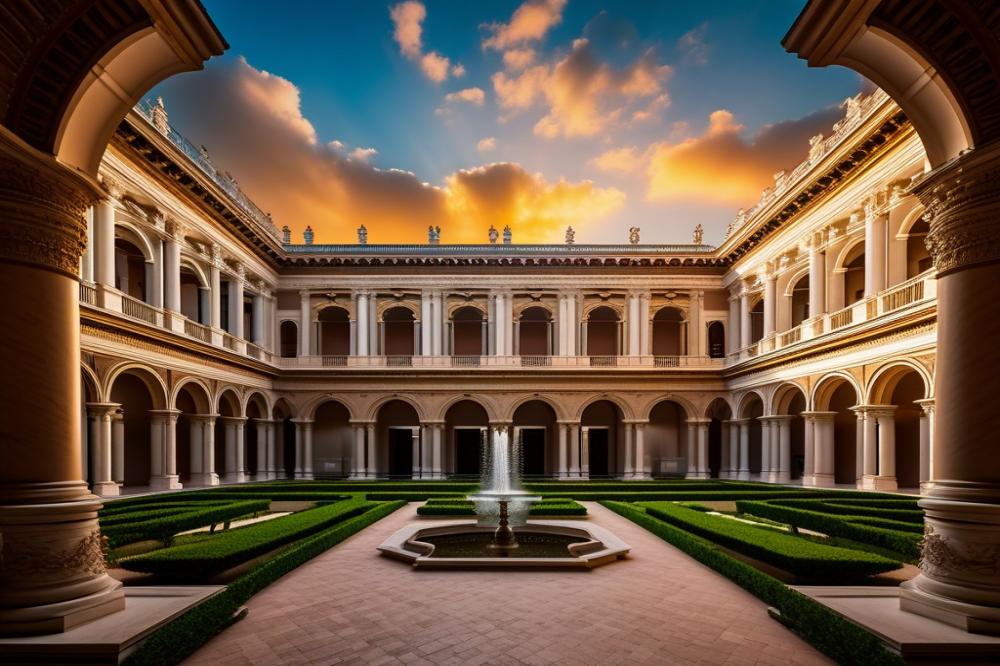
Palazzo Altemps: A Roman Palace Transformed into an Ancient Art Haven
Palazzo Altemps stands as a remarkable example of Renaissance architecture, capturing the essence of a bygone era. This structure has been meticulously transformed into a haven for art, showcasing masterpieces that speak of ancient civilizations. Beyond its aesthetic appeal, this site occupies a special place within the historical tapestry of Ancient Rome. Originally serving as a papal residence, it witnessed significant events and hosted influential figures over the centuries.
The importance of cultural heritage cannot be overstated. Here, visitors can explore a rich art collection that not only reflects the city’s artistic legacy but also its evolving history. Museum exhibits within its walls highlight the interplay between past and present. As one traverses through the grand halls, the echoes of time create a unique atmosphere that enchants the audience.
From the stunning architectural features to the invaluable artifacts on display, Palazzo Altemps serves as an archaeological site that enriches our understanding of past human experience. Its role as a Roman Art Museum provides a platform for both education and admiration. The fusion of historical architecture and artistic heritage captivates those who seek to appreciate the depth of cultural significance.
Historical Background
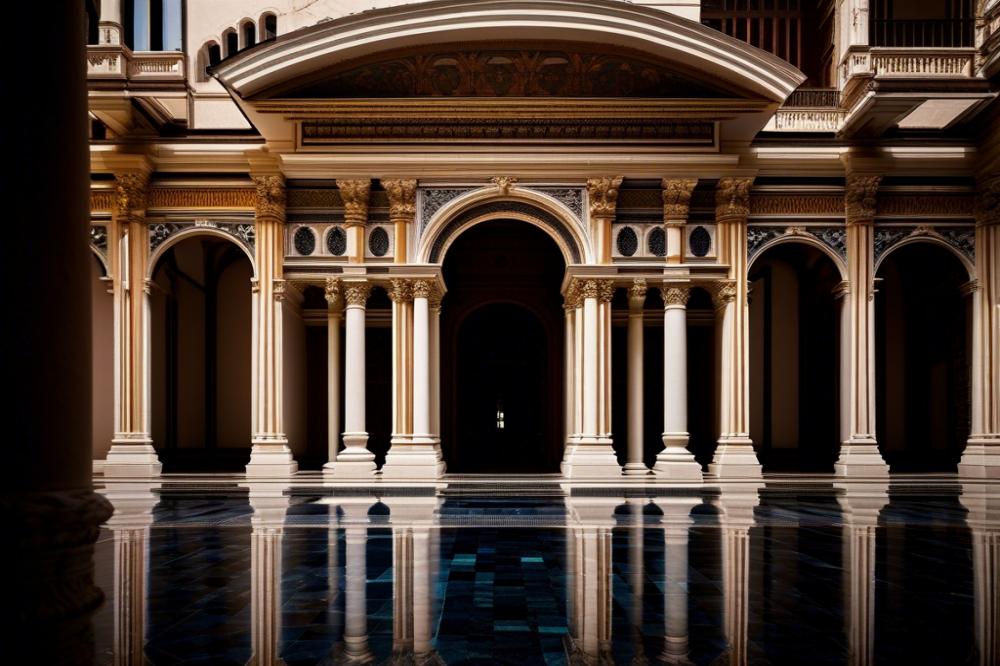
The origins of Palazzo Altemps date back to the Renaissance period. This significant building began as a noble residence, showcasing the grandeur of Ancient Rome. It was originally constructed in the late 15th century for the Altemps family, who played an important role in its early history. Key figures associated with its development include Cardinal Marco Sittico Altemps, who made noteworthy contributions to its architectural evolution.
Over the years, the palace underwent various transformations. The design reflects the style of the time, merging classical elements with Renaissance innovation. Each change added layers to its narrative, making it an intriguing archaeological site. The development of the structure also reflected the power dynamics of Roman nobility and the influence of the papacy.
During the 16th century, Palazzo Altemps served as a papal residence, reinforcing its significance in the political landscape of the era. This connection to the Church enhanced its status, drawing the attention of art patrons and collectors. As a result, it became a focal point for artistic heritage, housing remarkable works that contributed to its vibrant past.
The completion of the palace marked a milestone in the cultural heritage of Rome. After centuries of neglect, the building was revitalized in the 19th century, transforming it into an Art Haven. Today, it serves as a museum, showcasing impressive exhibits and an exceptional art collection. Visitors can explore its halls, which echo the stories of its past while appreciating the artistry displayed within.
Palazzo Altemps stands as a testament to the layered history of the city. Its architectural beauty captivates those who come to admire it. Each corner reveals glimpses of the luxurious lifestyles that once thrived within its walls. As a significant part of Rome’s artistic journey, this heritage site continues to resonate with stories of creativity and sophistication.
Architectural Features
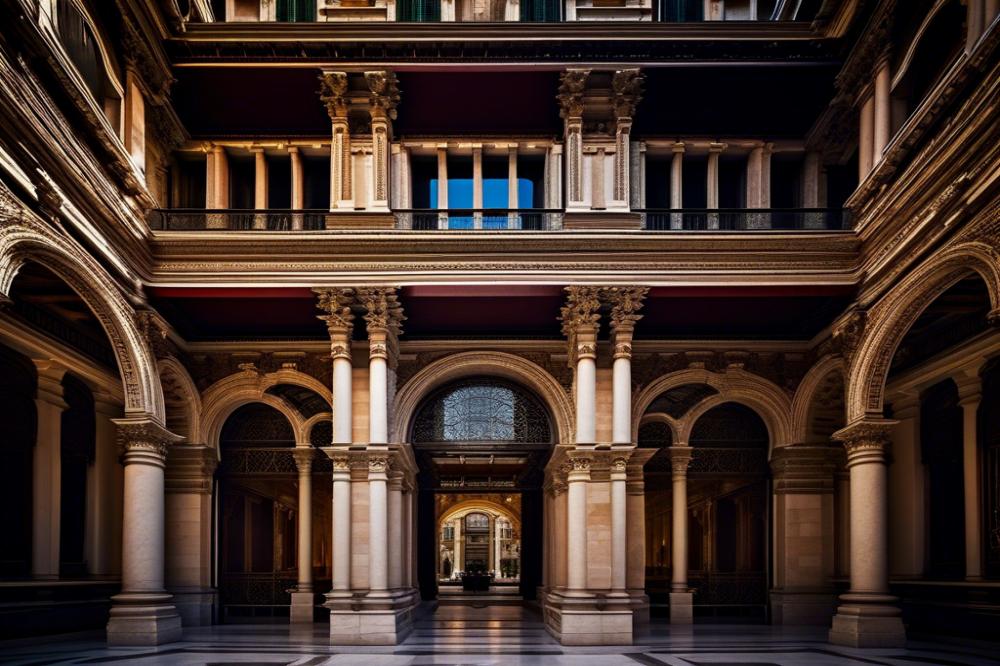
The Palazzo Altemps showcases impressive historical architecture that transports visitors back to Ancient Rome. Its design elements tell stories of the past, intertwining art and culture. You will find serene courtyards that offer a glimpse into Renaissance style and classical beauty. Each corner of the palazzo reveals exquisite frescoes that capture moments in history. These vibrant murals reflect the richness of the artistic heritage of the time.
Throughout the structure, sculptures stand as testaments to the craftsmanship of ancient artisans. They invite admiration and provoke thought about their significance. The layout of the building creates a dialogue between architecture and the art collection it houses. Visitors often find the museum exhibits enhancing their experience of the archaeological site.
Open spaces, such as the grand courtyards, encourage relaxation and contemplation of the surrounding beauty. Richly decorated rooms echo the grandeur of the papal residence that once filled these halls. Windows framed by intricately designed stonework overlook gardens that whisper tales of the past. The transition from private residence to art haven represents a celebration of cultural heritage.
As one moves through the different rooms, the layered history becomes apparent. The mix of elements from various periods creates a patchwork of artistic styles. Each feature serves a purpose, guiding guests to appreciate not just the art but also the history embedded in the walls. Palazzo Altemps stands as a captivating blend of elegance and scholarly reverence.
Transformation into an Art Haven
The Palazzo Altemps has undergone a remarkable transformation over the years. Originally built as a noble residence, this stunning site has become a significant archaeological site and museum for ancient art. Visitors now step into a space where history blends with beauty, reflecting the legacy of Ancient Rome.
Today, the museum showcases an impressive collection of art and relics. From sculptures to ancient inscriptions, the exhibits reveal much about life in the past. Each piece tells a story, transporting guests back to the time of emperors and artists. The blend of Historical Architecture with an extensive Art Collection captures the essence of the Renaissance period, making it a must-see for art lovers and history buffs alike.
Preserving cultural heritage is a vital role of this museum. The Palazzo actively works to promote understanding of ancient civilizations. Curators frequently organize educational programs and exhibitions to engage the public. This open approach contributes significantly to the appreciation of artistic heritage among visitors of all ages.
Walking through the halls, one can’t help but admire the exquisite craftsmanship of ancient artisans. The museum’s layout itself is carefully designed, allowing guests to explore the past at their own pace. Engaging with the artifacts brings a deeper connection to those who once roamed these very streets of Rome.
In addition to its permanent collections, the museum hosts temporary exhibits. These shows often highlight different themes or artistic movements, further enriching the visitor experience. Each corner of the palace offers a new discovery, reflecting both the grandeur of ancient times and the vitality of modern scholarship.
Overall, the transformation of this site has made it a true Art Haven. It stands as a testament to Italy’s rich history and cultural diversity. By combining education and preservation, the museum fulfills its mission to celebrate and protect our shared past for generations to come.
Art Collection Highlights
Palazzo Altemps serves as a remarkable art haven. Within its historical architecture, one can discover a captivating array of artifacts. Notable pieces include ancient sculptures, pottery, and mosaics, each revealing a layer of Ancient Rome’s vibrant life. These museum exhibits not only reflect the artistry of the time, but also provide insight into the culture and values of the Roman people.
A striking example is the “Statue of the Youth,” which embodies the idealized form and beauty that were celebrated during the era. Additionally, a collection of marble reliefs showcases scenes from mythology, demonstrating how deeply art was intertwined with religious beliefs. These artifacts contribute significantly to our understanding of the cultural heritage of Rome.
Visitors can also appreciate the Renaissance influence in various pieces displayed. The Palace itself was originally a papal residence, further enriching the context of these works. Many sculptures found here highlight the skills of ancient artisans, revealing how they were pioneers in their craft.
Some exhibits focus on daily life in Ancient Rome. Items like pottery and glassware provide a glimpse into the routines of ancient citizens. Such artifacts hold immense value for historians and art lovers alike, as they collectively tell the story of a once-thriving civilization.
Another notable feature of the collection is its ability to connect the past with the present. Viewing these pieces allows for a dialogue with history. The preservation of artistic heritage in this venue promotes a deeper appreciation of the influences that shaped modern culture. Art continues to inspire and educate, bridging gaps across time.
Visitor Experience
Visitors can immerse themselves in the rich tapestry of Ancient Rome at this remarkable museum. Guided tours are available throughout the day, providing an insightful look into the history and significance of the building. Knowledgeable guides lead these tours, sharing stories that bring the past to life.
Educational programs cater to different age groups and interests. These include workshops designed for students, where they can engage with history through art. Programs often explore the Renaissance influence on the building’s transformation from a papal residence into an art haven.
Temporary exhibitions also enhance the experience, frequently showcasing pieces from the extensive art collection. Such exhibits shine a light on various aspects of artistic heritage, drawing connections between ancient and modern art forms. Visitors have the chance to view stunning museum exhibits that highlight the importance of preserving cultural heritage.
As an archaeological site, the palace reveals layers of experience awaiting exploration. Walking through its halls, guests can appreciate the historical architecture, a testament to both its original purpose and its enduring beauty. Every corner contains relics and art that tell stories of the past.
Engaging with this site allows attendees to better understand not just art but the cultures that created it. By participating in tours and workshops, individuals connect with a legacy that spans centuries. The experience fosters a deep appreciation for the value of art and history in today’s world.
A Tribute to a Timeless Legacy
Visitors to this cultural gem will discover a vital link to Ancient Rome’s rich history. The transformation of this grand palace into an art haven brilliantly showcases the past. Visitors step into a space where centuries-old relics speak volumes about the artistic achievements of an era long gone. It captures the imagination and invites reflection on what life was like in the heart of the Empire.
This former residence has evolved into a premier cultural institution in Italy. With its exceptional collections and captivating exhibitions, it appeals to both art lovers and history enthusiasts. Every corner holds stories waiting to be told. As guests walk through its halls, they witness the beauty and complexity of ancient art, which continues to inspire and educate.
Exploring the palace is not just a visit; it’s an experience that deepens one’s understanding of art and history. The environment fosters appreciation for creativity and craftsmanship that has shaped civilization. Stepping into those serene surroundings offers a rare opportunity to connect with the past.
In summary, this remarkable place stands as a testament to the artistic legacy of Ancient Rome. It invites everyone to come and immerse themselves in a world where history and culture intertwine. Take the time to explore this enchanting treasure; it promises a journey unlike any other.

