
Introduction
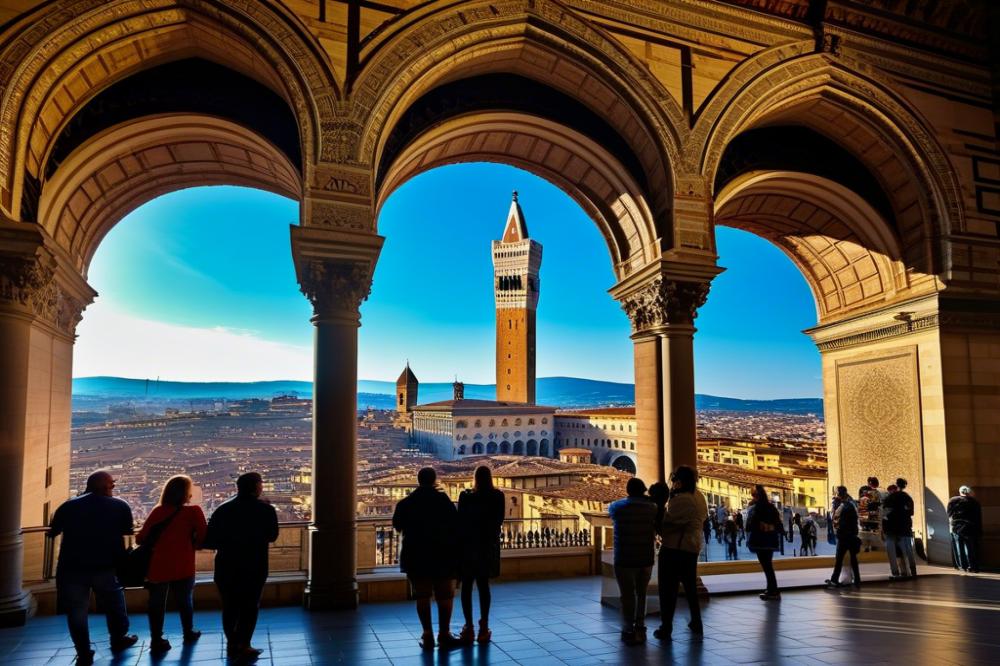
Palazzo Vecchio stands as a towering symbol in Florence. This significant building, also known as Palazzo della Signoria, represents the heart of civic life in the city. Historically, it served as the town hall and the residence of the Medici family, who played a crucial role in shaping Florence history.
The architecture of the palazzo is an impressive example of Renaissance design. Its sturdy tower rises above the surrounding structures, making it one of the most recognizable historical landmarks in Italy. Visitors often admire its stone facade and artistic details, which reflect the city’s rich heritage.
As a civic symbol, the Palazzo Vecchio embodies the power and influence of the Medici family. This family transformed Florence into a cultural hub during the Renaissance, fostering advancements in art and culture. Their legacy persists in the palazzo, echoing through its halls and courtyards.
Over the centuries, the building has witnessed key events that have defined the city. The stories told by its walls connect people to Florence’s past. Each stone seems to hold memories of political intrigue and artistic innovation. Overall, the palazzo serves not just as a reminder of Medici Power but also as a cornerstone of Florence’s cultural identity.
Historical Background
Construction and Architectural Evolution of Palazzo Vecchio
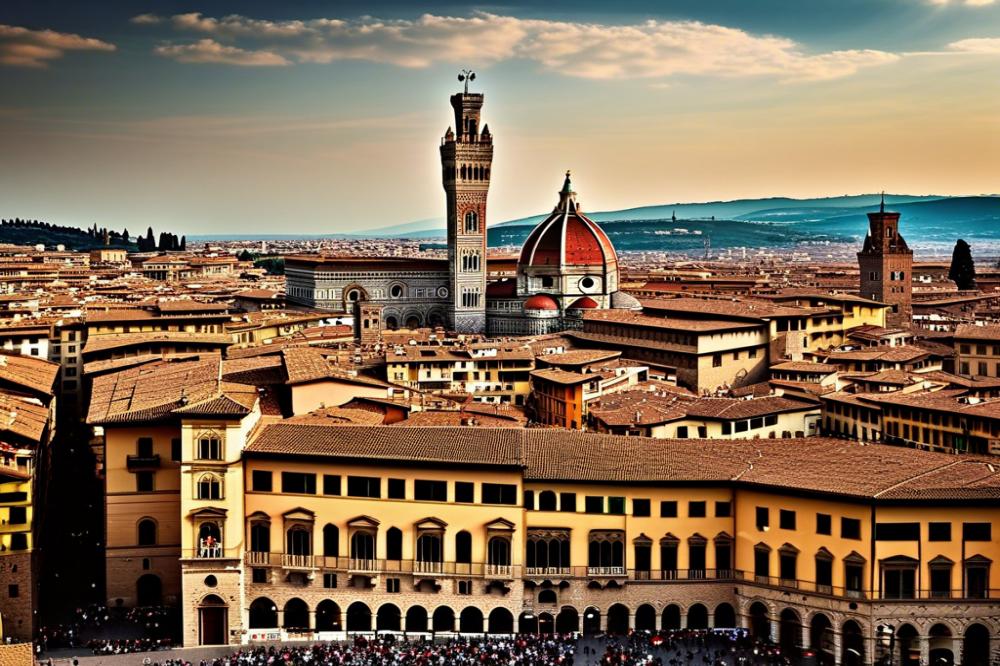
In the late 13th century, construction of the building began as a fortress for Florence’s governing body. Originally called the Palazzo della Signoria, it was designed to showcase power and authority. The structure reflects the typical elements of Renaissance architecture with its robust stone walls and a distinctive tower. Over the years, modifications were made to the original design. New rooms, frescoes, and embellishments enriched its character. Many artists contributed to these renovations, making it a remarkable example of civic architecture in Italy.
Role in the Political Landscape of Florence
As a center of civic life, the Palazzo Vecchio played a crucial part in Florence’s governance. It served as the home of the Signoria, the city’s governing council. Public meetings and important decisions took place within its walls. Events held here shaped the political landscape of the time. Citizens gathered below the tower to voice their opinions and rally for change. This building was not just a place for leaders; it became a symbol of the people’s voice in the city.
Connection to the Medici Family and Their Influence
The Medici family had a profound connection to this important building. As they rose to power, they made significant modifications to the structure. Much of Florence’s history is intertwined with the Medici’s influence. They turned the Palazzo into a vibrant center for art and culture. Through their patronage, artists created masterpieces that adorned its walls. The family’s control and their ties to the infamous building underscored their dominance in the region. Even today, the Palazzo Vecchio stands not only as a historical landmark but also as a lasting symbol of the Medici family’s power and legacy.
Architectural Features
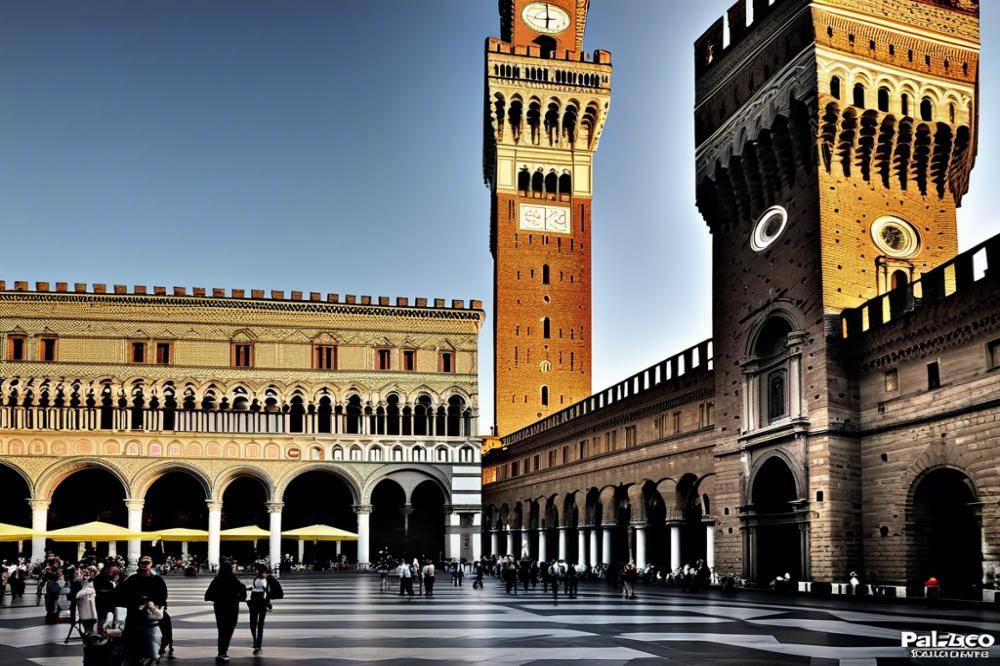
The Palazzo Vecchio stands as a testament to Renaissance architecture. Built in the late 13th century, its design highlights the power and influence of the Medici family. Characteristic elements of this architectural style include sturdy stone walls, elaborate arches, and intricate decorative details. The building exudes a sense of strength and permanence, befitting its role as a civic symbol for Florence.
One of the most striking structures is the tower that rises above the skyline. Known as the Arnolfo Tower, it reaches a height of 94 meters. This tall structure once served as a lookout point and symbolized the authority of the city leaders. Its commanding presence reflects the ambitions of those in power during a time of great artistic and cultural achievement.
The interiors reveal remarkable artistic details that celebrate Florence’s rich art and culture. Frescoes adorn the walls, bringing life to historical stories and figures. Each room is a canvas showcasing the talent of renowned artists from the Renaissance period. Ornate ceilings with intricate carvings add to the sense of grandeur. Visitors often feel transported back to a time when art and politics intertwined seamlessly.
As one explores the Palazzo della Signoria, it becomes evident that every corner echoes Florence’s history. Statues and reliefs pay homage to significant figures, illuminating the values held dear by the people. The blend of functionality and ornamentation in this historical landmark perfectly encapsulates the spirit of the era. This site not only represents the ruling Medici family but also embodies the cultural heartbeat of Italy.
Civic Symbol and Public Function
The Palazzo Vecchio stands as a powerful civic symbol in Florence. This historic building, also known as the Palazzo della Signoria, has played a central role in the city’s governance since the 14th century. As a piece of Renaissance architecture, its grand facade and towering presence embody the strength and aspirations of the Medici family and their influence over Florence’s history. Visitors often admire its striking design, not just for its beauty but for what it represents.
Throughout the centuries, the building has served multiple functions for the people of Florence. Initially, it was the seat of the Florentine Republic. Over time, it became the residence of Duke Cosimo I de’ Medici. In addition to government activities, this venue hosted public events, announcing laws and celebrating victories. Thus, it has become an integral part of the city’s political landscape.
Importance in the context of Florence’s civic life cannot be overstated. The palace is more than a mere historical landmark; it is intertwined with the identity of its citizens. Local events often take place in and around its sturdy walls, reminding Florentines of their rich art and culture heritage. The tower of the palace is a snapshot of the city’s ambitions and narrative. It symbolizes not only the Medici’s power but also the unity and determination of the Florentine people through the ages.
Art and Culture
Notable Artworks Housed in Palazzo Vecchio
Palazzo Vecchio stands as a treasure trove of remarkable artworks. Inside, visitors can find masterpieces that reflect both the power of the Medici family and the spirit of Florence. The Hall of the Five Hundred, for instance, is adorned with grand frescoes depicting important battles and events in Florence history. Artists like Giorgio Vasari contributed significantly to these decorations. His works illustrate the glory of the city and its governing body. Sculptures also highlight the palace’s interior, including Donatello’s famous statue of Judith and Holofernes.
Impact of the Medici Family on the Art Scene in Florence
The Medici family profoundly shaped Renaissance art. Their patronage attracted artists from across Italy and beyond. Florence flourished as a hub of creativity during this time. Not only did they support painters and sculptors, but they also commissioned architects who transformed the city’s skyline. Many of the era’s greatest names, such as Michelangelo and Botticelli, flourished under Medici influence. Without their support, art in the city might not have reached such heights. Their legacy is evident in numerous historical landmarks throughout Florence.
Palazzo Vecchio as a Center for Cultural Events and Festivities
Cultural events and celebrations regularly take place at the Palazzo. This civic symbol serves as a backdrop for various festivities throughout the year. Whether it’s a local festival or an artistic exhibition, the palace welcomes visitors in style. The courtyard often hosts concerts and theatrical performances that capture the spirit of the city. Additionally, the building’s architecture provides a stunning setting for gatherings, making every event special. The tower, standing tall, is always an impressive sight, adding to the overall atmosphere of cultural engagement.
Closing Thoughts on a Historic Landmark
Palazzo Vecchio stands at the heart of Florence, symbolizing the power and influence of the Medici family. This grand structure has not only shaped the architectural landscape of the city but has also played a crucial role in its political history. Visitors to this landmark can feel the weight of centuries of decisions made within its walls. It served as a hub for governance, reflecting the ambitions and authority of the ruling family.
A lasting legacy of Medici rule can still be observed today. Their patronage of the arts transformed Florence into a cultural beacon during the Renaissance. The artworks and architecture, including those within the Palazzo, tell stories of an era rich in creativity and innovation. Those stories continue to resonate, reminding us of the Medici’s impact on Italy’s history.
It is vital for both locals and tourists to appreciate this historical site. Visiting Palazzo della Signoria not only offers an insight into the past but also allows for a connection to the city’s rich heritage. Exploring its halls and viewing its stunning artwork fosters a greater understanding of the Medici’s contributions to culture and politics. Consider planning a visit to this remarkable monument. Engaging with the history of Florence will leave you with memories to cherish.

