

Baba al Rum: A Beloved Italian dessert
Baba al Rum is a revered treasure in the realm of desserts. This delicious cake, soaked in rum, holds a special place in the hearts of many across Italy, particularly in Naples. As a classic in Neapolitan cuisine, it offers a delightful combination of flavors and textures. Bakers take pride when creating this pastry, often passing down cherished recipes through generations.
People adore this sweet treat not just for its taste, but for its rich history. Its presence is almost mandatory during festive occasions. From family gatherings to local celebrations, the rum-soaked cake brings joy and happiness to every table. Each bite captures the essence of tradition, making it a favorite among many.
This dessert is not merely a cake; it is an experience. The spongy baba absorbs the rum, resulting in a moist, flavorful delight. Crafting the perfect version involves a careful balance of baking and soaking techniques. For those who appreciate culinary arts, baking a Baba al Rum becomes a true labor of love. Whether enjoyed on special occasions or savoring a slice at home, this Naples dessert is sure to impress anyone with a sweet tooth.
History of Baba al Rum
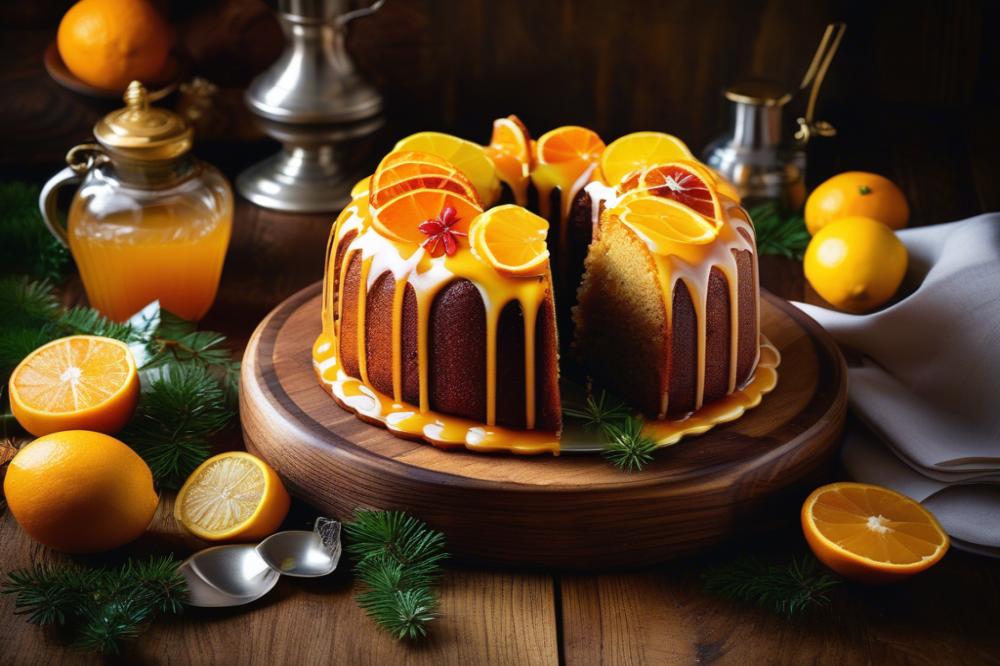
The story of Baba al Rum traces back to Neapolitan cuisine, offering a delightful blend of flavors and techniques. This Italian dessert combines rich history with a touch of elegance. Originating in the 18th century, the pastry has roots in a bread recipe from Eastern Europe. Recently, it became popularized by French chefs who embraced it and made it their own.
The cake’s transformation into a rum-soaked delight happened partly due to the influence of the French culinary scene. With the addition of rum, the baba evolved into a festive dessert that captured hearts across Italy and beyond. People enjoyed this sweet treat during celebrations and gatherings, making it a staple at many tables.
As time went on, bakers developed various regional recipes, each with its twist on the rum-soaked cake. From Naples to the Amalfi Coast, adaptations flourished. Some versions included fruits or creams, creating delightful variations that charm anyone with a sweet tooth. Others have experimented with different liqueurs, adding a personalized flair to this traditional dessert.
Today, the baba stands as a testament to culinary innovation. Chefs continue to play with flavors and ingredients, keeping the spirit of the original alive while making it their own. Baking remains an art form, and this delicious cake keeps fascinating dessert lovers worldwide. Whether enjoyed in its classic form or in a modern twist, the baba showcases the rich tapestry of culinary history that links Italy and France.
Ingredients and Preparation
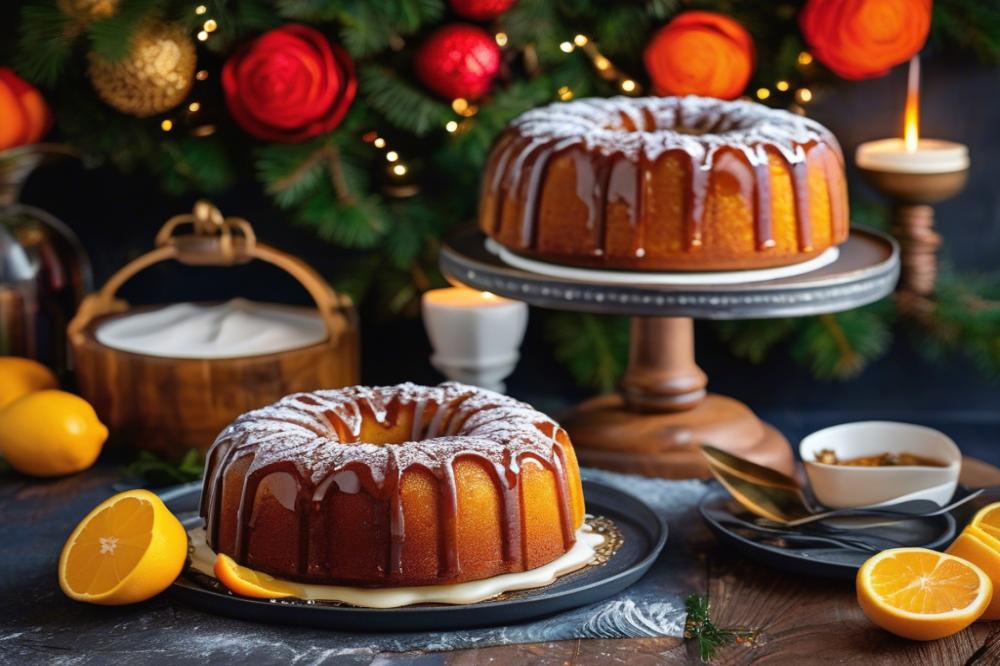
Baba al Rum is a delightful Italian dessert that captivates the taste buds with its rich flavors and soft texture. To create this rum-soaked cake, several key ingredients come together harmoniously. Yeast is essential for creating the light, airy structure, while flour adds the necessary body to the pastry. Eggs contribute to the richness and moisture, making each bite indulgent. Then there’s sugar, which sweetens the mixture and balances the overall flavor.
Of course, the star of this treat is the rum. The rum infuses the cake with its distinctive character, transforming a simple dessert into an exciting experience. This alcohol is soaked into the cake after baking, ensuring every slice is bursting with flavor. Choosing a good quality rum enhances the dessert. Various recipes call for different types, so feel free to experiment with your favorite!
Traditional methods of baking this delightful pastry require patience and attention to detail. First, activate the yeast by mixing it with warm water and sugar. Once the mixture bubbles, it’s time to combine the dry ingredients. Mixing everything together must be done gently to avoid overworking the dough. Adding eggs one at a time ensures even incorporation and helps with the cake’s rise.
The batter needs to be allowed to rise in a warm place until it roughly doubles in size. This step is crucial for achieving the perfect fluffy texture. Once the batter has risen, it can be poured into a baba mold, which gives the cake its characteristic shape. After baking, the cake requires some cooling before the next crucial step.
To prepare the soaking syrup, water, sugar, and rum blend together nicely. Make sure to let this mixture simmer until the sugar dissolves, creating a sweet liquid that complements the cake beautifully. Pour this warm syrup generously over the cooled cake. This soaking process allows the flavors to meld together and ensures each bite of the pastry is moist and flavorful.
When baking baba al Rum, don’t forget about the toppings! Fresh fruits or whipped cream can add a delightful contrast to the rich pastry. This Neapolitan cuisine classic is perfect for festive desserts or any occasion when sweet treats are cherished. Each bite should leave you craving more!
Serving and Pairing Suggestions
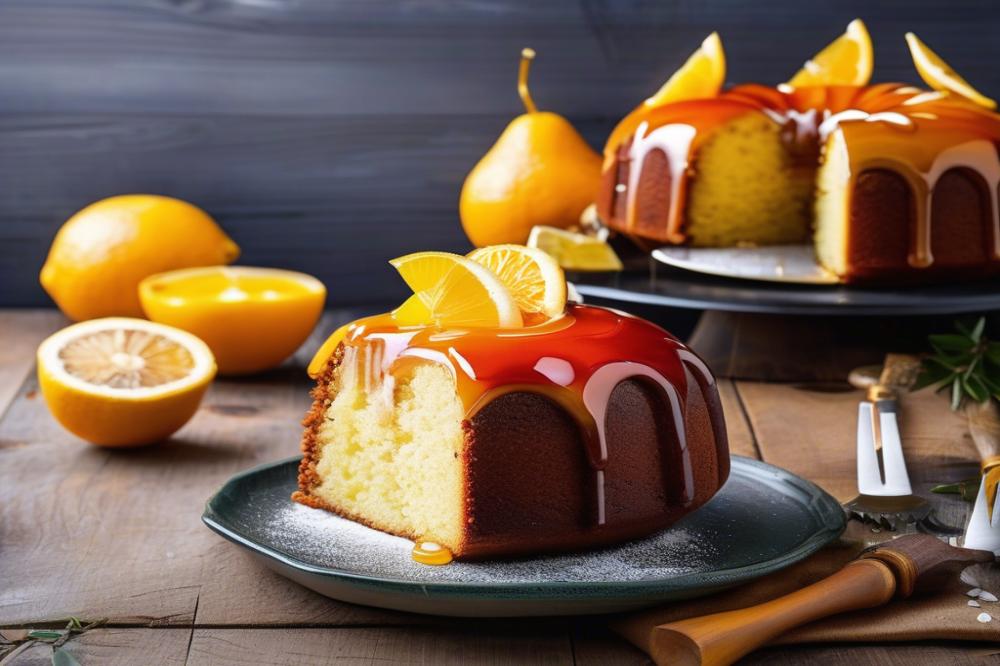
Baba al Rum is often served moist and warm, straight from the baking dish. Few things are as delightful as presenting this Italian dessert with a generous drizzle of rich rum syrup on top. Adding whipped cream or a dollop of crème fraîche enhances the flavor and adds a creamy texture. To elevate this festive dessert, sprinkle some finely chopped nuts or dulce de leche for a touch of elegance. A fresh fruit garnish, such as berries or orange slices, can also brighten the dish and add a pop of color.
Pairing beverages with this rum-soaked cake is essential for a well-rounded experience. A cup of strong espresso complements the sweetness beautifully. You might also consider serving a dessert wine or a sweet Marsala alongside the baba. For a warmer choice, try a spiced rum cocktail to echo the cake’s flavors without overpowering them. Indulgent chocolate liqueur is another excellent option that can enhance the sweetness of this traditional dessert dramatically.
When it comes to sweet treats that can accompany this delicacy, think of simple pastries or biscotti. Vanilla or almond-flavored biscotti adds a crunchy contrast to the soft cake. Alternatively, serve a small dish of gelato or panna cotta alongside to create different textures and flavors. Light Italian cookies can also provide a refreshing touch. These pairings will create an unforgettable tasting experience, sure to impress your guests.
Utilizing different recipes can give your own twist to how you serve baba. While the classic version is always beloved, trying flavors like chocolate, lemon, or coffee can add exciting variations. Each choice allows for personal creativity, ensuring every bite is as satisfying as the last. With so many ways to enjoy this rum-soaked delight, your dessert table can be a feast for the eyes and palate.
Cultural Significance and Variations
Baba al Rum holds an important place in Italian celebrations. This beloved dessert is often served during festive occasions such as birthdays, weddings, and holidays. Families gather around tables adorned with sweet treats, and the rum-soaked cake takes center stage. Its presence at these events showcases tradition and joy.
Certain regions of Italy have their own twists on this pastry. For example, in Naples, the classic recipe shines. Moist and rich, the cake is soaked in syrup made from rum and sometimes flavored with citrus. Other areas, like Sicily, may incorporate unique ingredients. Some bakers use local fruits to add freshness. Others might include nuts for a crunch that complements the soft texture.
These variations reflect local tastes and customs. The Neapolitan cuisine embraces the spirit of indulgence, and the baba is no exception. Rich recipes are passed down through generations. Families often have their own methods of baking this traditional dessert. Such practices strengthen bonds as they share stories while preparing.
In contrast, regions influenced by other cultures may put their own spin on it. In some Italian-American communities, you might find a cake that is more cake-like, with added layers of cream. This adaptation highlights how traditions can evolve while still honoring their roots.
Baba holds not only culinary significance but also emotional value. Each bite brings back memories of family gatherings and laughter. This makes the dessert more than just a treat; it’s a celebration of heritage and love shared through food.
Embracing the Tradition of Baba al Rum
Baba al Rum stands tall as a cherished classic in Italian dessert history. Its rich flavors and delightful texture make it a favorite among many. The combination of soft cake soaked in a fragrant rum syrup is simply irresistible. You can almost taste the passion and creativity that goes into making this delightful treat.
Imagine the joy of creating your own version of this rum-soaked cake in your kitchen. With just a few simple ingredients, you can bring a piece of Italian tradition to your table. The process is not too complicated, yet it offers a satisfying challenge for home bakers. As you mix and knead, you’ll feel connected to generations who have made this dessert a staple.
Don’t hesitate to dive in and try making this beloved dessert. Your friends and family will appreciate the effort, and you’ll undoubtedly impress them with your culinary skills. Sharing this delicious treat brings people together, highlighting the communal spirit of cooking and enjoying food.
The next time you crave something special, remember Baba al Rum. It’s more than a cake; it’s a celebration of Italian heritage, a sweet reminder of the joys of baking and sharing. So, roll up your sleeves and embrace the experience of creating this exquisite dessert at home. Your taste buds will thank you later!

