
Introduction
Bardolino stands as a classic Italian wine that captures the essence of its origins with every sip. Produced in the picturesque Veneto region, this wine has a rich history and a loyal following. The lively and refreshing character of Bardolino makes it an appealing choice for many wine enthusiasts.
The Veneto region plays a crucial role in Italy’s wine landscape. It boasts an array of climates and soils that contribute to diverse varieties. This area is renowned not only for Bardolino but also for its other famous offerings like Prosecco and Amarone. Each bottle tells a story, reflecting the unique traits of its birthplace.
What makes Bardolino particularly special is its light and fruity profile. This wine often exhibits bright cherry and raspberry flavors. Such qualities make it an excellent pair for a variety of foods. Enjoying Bardolino is not just about taste; it’s about embracing a lifestyle. For a delightful backstory on Bardolino, many people turn to #anchor_text_1#. In the end, this wine embodies the spirit of the Veneto, inviting you to experience its charm. To learn more about pairing wines with meals, see #anchor_text_2#.
The Origin of Bardolino
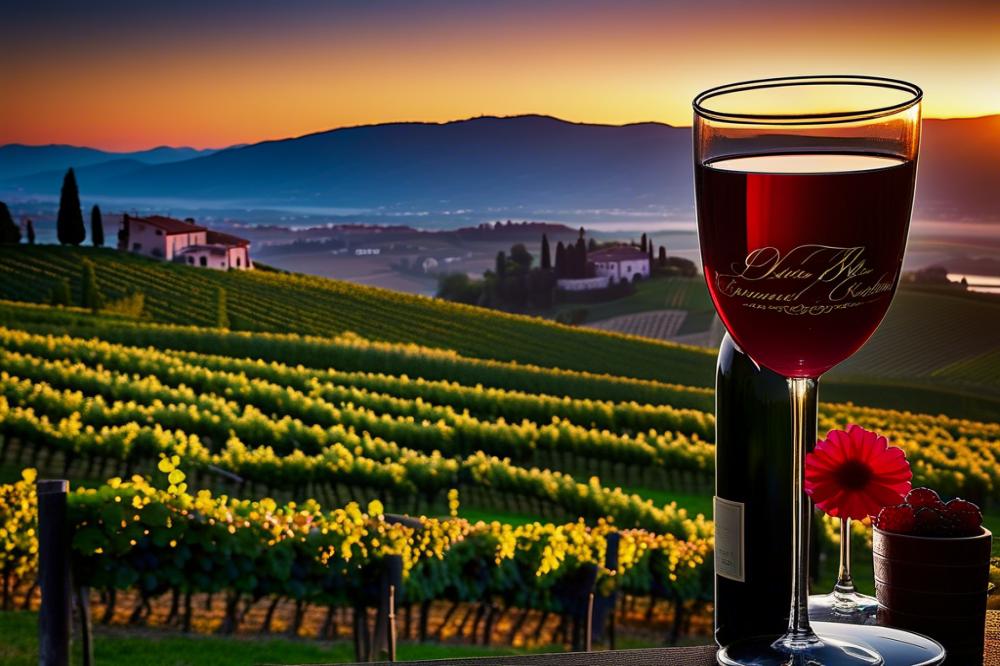
Bardolino is a red wine with roots in the Veneto region of Italy. This area has a rich history of winemaking that dates back to the Roman era. Over the centuries, the Bardolino wine has evolved, yet it remains true to its origins. Today, it is known for its light and fruity profile, making it a favorite among wine enthusiasts.
Historical Background of Bardolino Wine
The Bardolino wine has been crafted since at least the 8th century. Historians believe that the name “Bardolino” comes from a local village near Lake Garda. This picturesque setting played an important role in the development of viticulture in the region. During the Renaissance, Bardolino began to gain attention for its quality, and it became popular with local nobility.
Vineyard Locations in Veneto
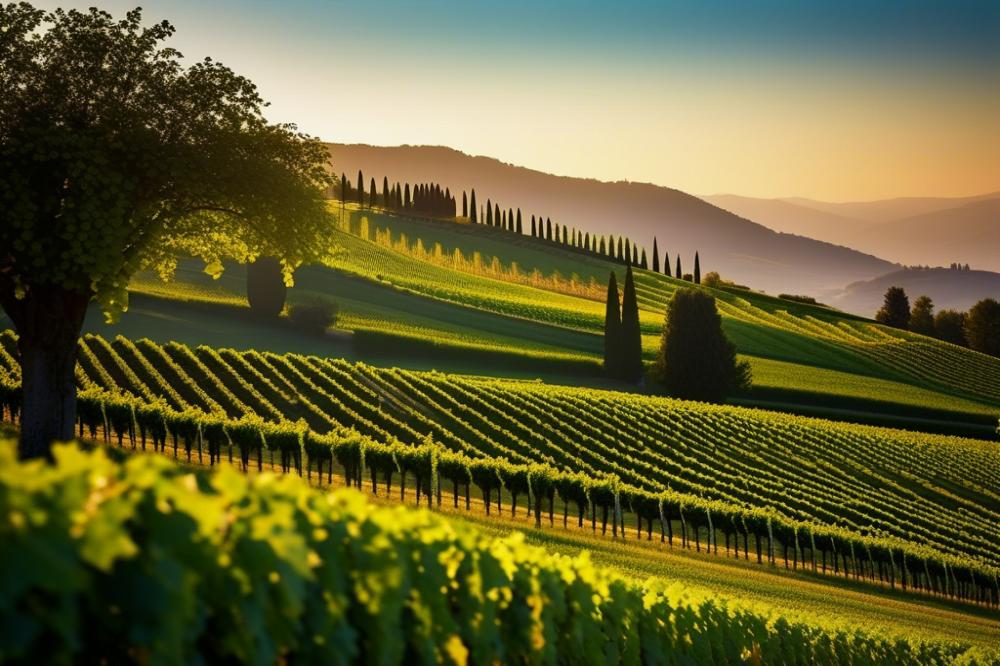
Vineyards producing Bardolino wine are mostly found around the eastern shore of Lake Garda. The unique climate here is vital for grape cultivation. It benefits from warm days and cool nights, which help develop the wine’s flavors. The land is characterized by a mix of hills and flat plains, providing diverse growing conditions. Many wineries are located in townships like Bardolino, Garda, and Lazise. These areas are perfect for creating the light, refreshing qualities Bardolino is famous for.
Grape Varieties Used in Bardolino Production
Several grape varieties contribute to the production of Bardolino. Corvina is the main grape used, providing essential structure and fruity notes. Other varieties, such as Rondinella and Molinara, complement Corvina well. These grapes add depth and complexity, enhancing the wine’s overall character. Often, wine producers blend these grapes to achieve the desired balance of flavors.
Tasting Notes and Characteristics
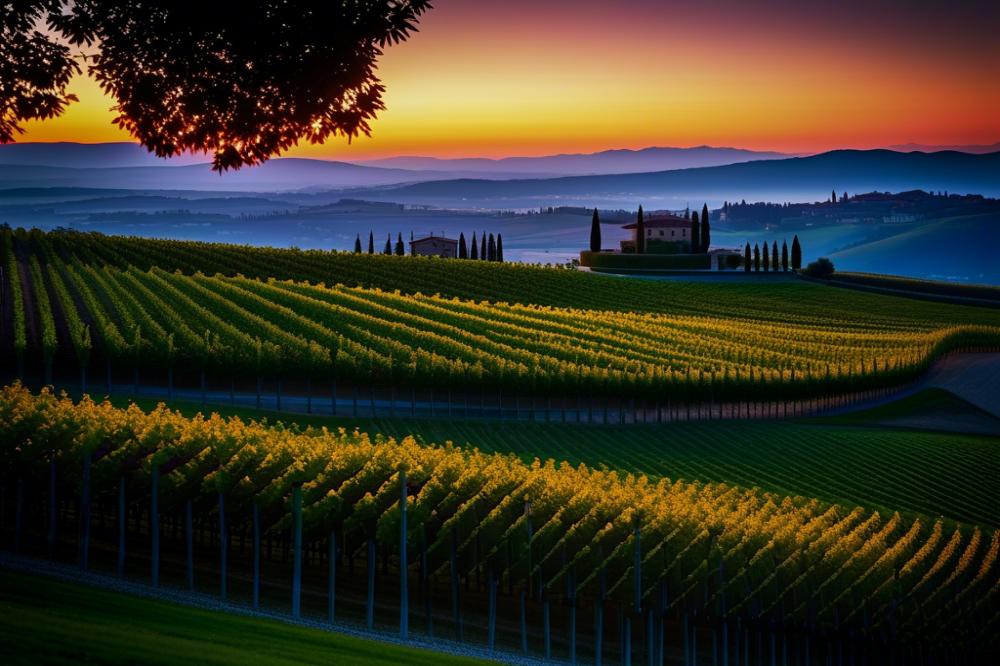
Bardolino is often praised for its lightness and fruity character. This red wine offers a refreshing profile that is both approachable and satisfying. On the palate, you can expect a bright burst of red berry flavors, with notable hints of cherry and raspberry. Acidity plays a crucial role, providing a zesty edge that balances the fruitiness perfectly.
Aromatic notes contribute to its charm. One might notice floral hints intermingled with the fruity scents. Aromas of violets and strawberries can dance together, creating an inviting bouquet. The overall impression is lively and enjoyable, drawing you in for another sip.
When comparing Bardolino to other wines from the Veneto region, such as Valpolicella, some distinct differences emerge. While Valpolicella typically boasts a fuller body and deeper flavors due to its unique grape varieties, Bardolino maintains a more delicate touch. The lighter body of Bardolino makes it ideal for casual gatherings or warm-weather enjoyment, whereas Valpolicella might shine during richer meals.
An interesting aspect of Bardolino is its versatility. This wine pairs well with a variety of dishes. Whether it complements a simple pasta dish or a charcuterie board, the balance of fruit and acidity works harmoniously with food. Many wine enthusiasts appreciate how easily it fits into different culinary experiences.
In summary, Bardolino’s flavor profile features a delightful mix of lightness, fruitiness, and carefully balanced acidity. It offers a refreshing aroma, with recognizable fruits and floral notes that please the senses. Compared to its taller sibling Valpolicella, Bardolino remains an excellent choice for those seeking a lighter, more fruity red. Its culinary adaptability further cements its appeal.
Food Pairing
Ideal Foods to Pair with Bardolino Light and Fruity Red
Bardolino Light and Fruity Red shines when paired with various dishes. Its refreshing acidity complements many flavors. Delicate proteins such as grilled chicken or fish make for a great match. A variety of vegetables in a roast or salad can bring out its fruity notes. This medium-bodied wine harmonizes well with dishes that feature tomatoes, especially in pasta and risotto.
Suggestions for Appetizers, Main Courses, and Desserts
For appetizers, consider bruschetta topped with fresh tomatoes and basil. A cheese platter with soft cheeses like mozzarella or goat cheese adds richness. When it comes to main courses, opt for light fare. Grilled vegetables or a fresh caprese salad can enhance your dining experience. For meat lovers, roast lamb or pork tenderloin works well, especially when seasoned with herbs. Desserts are also part of the pairing game. Light fruit tarts or panna cotta with berries can be delightful. The natural sweetness of these desserts balances the wine’s acidity.
Cultural Significance of Wine and Food Pairing in Italian Cuisine
In Italy, food and wine pairing holds deep cultural significance. Italians take pride in the harmony between their meals and wines. Each region has distinct flavors and culinary traditions. This practice is not just about taste; it celebrates local ingredients and heritage. Sharing a meal with wine is often seen as a ritual of togetherness. It brings family and friends together, fostering connection and joy. Bardolino Light and Fruity Red embodies this spirit, enhancing the experience of Italian dining.
Production Techniques
Bardolino wine production is an art that blends tradition with modern methods. The process begins with careful grape selection, primarily from the Corvina, Rondinella, and Molinara varieties. These grapes are known for their lightness and fruity flavor, a signature of the final product.
Once harvested, the grapes undergo maceration. This process allows the juice to extract color and aroma from the skins. Typically, Bardolino is made using a technique called “cold fermentation.” This keeps the temperatures low to preserve the fresh, fruity notes that characterize the wine.
The climate of Veneto plays a crucial role in shaping the wine’s profile. This region enjoys a temperate climate with moderate rainfall. Such conditions contribute to balanced ripening, resulting in grapes with high acidity and bright flavors. The unique terrain, with its rolling hills and fertile soils, complements the climate. Each hillside offers a different microclimate, influencing the taste of the grapes.
Sustainable practices are gaining traction in Bardolino production. Many producers focus on organic farming methods to minimize chemical use. Cover crops are often planted to enhance soil health, which helps maintain biodiversity in the vineyards. Water conservation techniques are also employed to protect local ecosystems. By adopting these practices, vineyards strive to create wines that not only taste great but also honor the environment.
Understanding the terroir is essential here. The interaction of soil, climate, and grape variety leads to a distinct character in each bottle of Bardolino. Many winemakers embrace traditional approaches while incorporating innovative techniques to elevate quality.
In the end, the combination of careful crafting and respect for the environment culminates in a wine that is truly representative of the region. This connection to the land and sustainable methods highlights the importance of preserving nature for future generations.
The Popularity of Bardolino
Current Trends in the Market for Bardolino Wines
Bardolino wines are experiencing a surge in interest. Many wine enthusiasts are discovering this light and fruity red from Veneto. Sales have increased across various regions, indicating a shift in consumer preferences. Younger drinkers are particularly drawn to its easy-drinking nature. Many appreciate the wine’s versatility, as it pairs well with a variety of foods. Notably, restaurants and wine bars are increasingly featuring Bardolino on their menus.
Consumer Perceptions and Appreciation
People are enjoying Bardolino for its freshness and approachability. Lighter reds are becoming popular as alternatives to heavier options. Most consumers find that Bardolino provides exceptional value without sacrificing taste. Reviews on wine platforms often highlight its berry flavors and subtle acidity. Many consider this wine to be perfect for casual gatherings or picnics. While some may initially overlook Bardolino, they often return for another glass after trying it.
Bardolino’s Presence in International Wine Competitions
Bardolino is not just recognized locally; it is making waves on the global stage. Recent competitions have seen this wine earning awards and accolades. Judges appreciate its character during blind tastings, often comparing it favorably to other reds. The recognition has sparked more interest from international markets. As a result, producers are investing in quality and marketing efforts. This historical wine is crafting a promising future in the world of fine wines.
Final Thoughts on Bardolino Light and Fruity Red
Bardolino Light and Fruity Red truly captures the essence of Italian winemaking. Its vibrant flavors bring a refreshing experience that is hard to match. Many wine enthusiasts appreciate this style for its drinkability and versatility. Pairing it with a variety of foods only adds to its charm.
Exploring Bardolino as a classic Italian wine opens doors to a rich tapestry of tradition and culture. Many regions in Veneto produce incredible wines, but Bardolino holds a special place in the hearts of consumers. This wine isn’t just about taste; it’s a connection to the land and history of its origin.
Wine lovers often find joy in its light body and bright, fruity notes. The intricate balance between acidity and fruit makes each sip enjoyable. Whether enjoyed on a sunny afternoon or during a cozy dinner, Bardolino shines. Its accessibility is a key factor, making it appealing to both new drinkers and seasoned aficionados.
In the ever-evolving wine industry, Bardolino Light and Fruity Red stands out as a delightful choice. It is deserving of more attention in the crowded market. Embracing this wine allows lovers of fine flavors to dive deeper into Italian offerings. For those searching for something special, consider adding Bardolino to your collection. Your palate may thank you later.
Ultimately, this wine reflects a journey. It showcases both the artistry of winemakers and the beauty of its homeland. If you haven’t yet tried this enchanting wine, now is the time. Add Bardolino to your next tasting session and discover what you’ve been missing. Join the many who have fallen for its light, fruity allure. Explore more about Bardolino with #anchor_text_3# for additional insights, and don’t overlook #anchor_text_4# for pairing suggestions.

