
Introduction
Italian wine holds a revered place in global viticulture. Each region offers distinct flavors and styles, reflecting its unique climate and culture. Among these regions, Abruzzo stands out, known for its picturesque landscapes and rich agricultural heritage. This area produces a variety of wines, but one that consistently captures attention is Trebbiano d’Abruzzo.
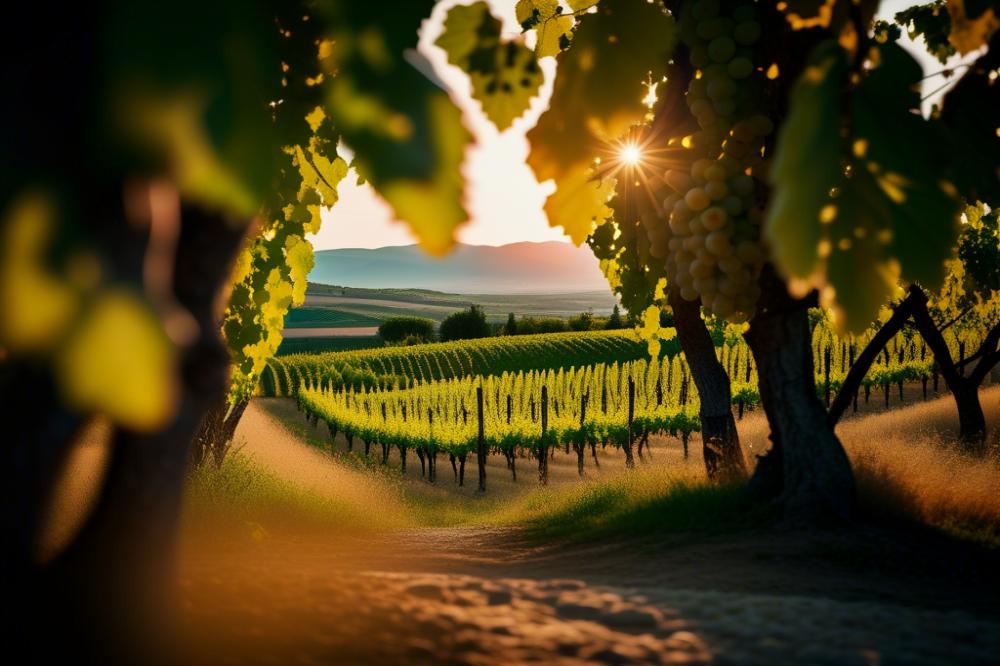
Abruzzo is an important wine-producing region in Italy, embracing both tradition and innovation. The rolling hills and sunny vineyards create ideal conditions for grape cultivation. Wine enthusiasts often seek out this region for its diverse offerings, especially its fresh and aromatic varietals. Trebbiano d’Abruzzo, a prominent white grape, embodies the essence of Abruzzo‘s wine culture.
This versatile wine shines in various food pairings, making it a favorite at tables across the world. Its refreshing qualities complement a range of dishes, from seafood to light pasta. Wine tastings featuring Trebbiano d’Abruzzo often reveal its delightful fruity notes and crisp finish. The local vineyards take pride in crafting wines that are both approachable and enjoyable, appealing to seasoned connoisseurs and newcomers alike.
The fresh flavors found in this white wine are a testament to the careful cultivation processes employed by Abruzzo vintners. The harmonious balance of acidity and fruit makes it a delightful choice for any occasion. Whether enjoyed on a summer afternoon or paired with a hearty meal, Trebbiano d’Abruzzo is indeed a food-friendly gem that highlights the region’s commitment to quality and taste.
History and Characteristics of Trebbiano d’Abruzzo
Origin of Trebbiano as a White Grape Variety
Trebbiano is recognized as one of Italy’s oldest white grape varieties. Its roots trace back to ancient Roman times. Historically, it has flourished across many regions. This adaptability has made it a favorite among Italian winemakers over the centuries.
Historical Significance in Italy and the Abruzzo Region
In Italy, Trebbiano has played a crucial role in winemaking. The grape’s presence in Abruzzo is especially noteworthy. In this region, it has contributed to the cultural identity of local wine production. As a result, many communities depend on this variety for their livelihood. Wine enthusiasts appreciate its role in traditional Italian blends and single varietal wines alike.
Description of the Grape’s Growth Conditions in Local Vineyards
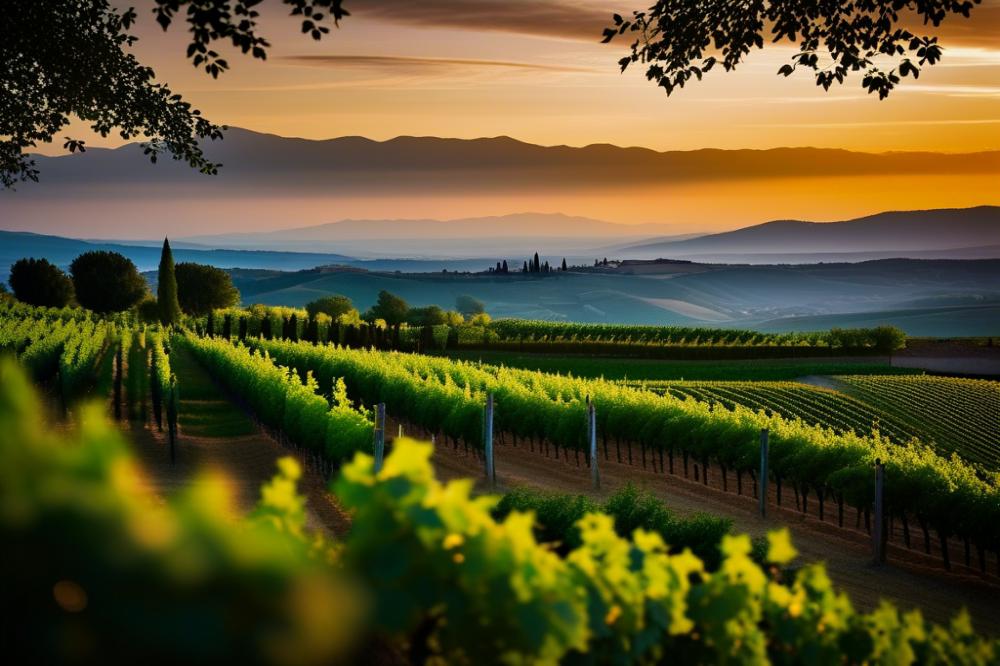
Growing conditions in Abruzzo are prime for this white grape. The region benefits from a mild climate and fertile soil. Vineyards often sit on hills, enhancing drainage and exposure to sunlight. These factors help grapes develop their impressive ripeness and acidity. Cultivating Trebbiano requires careful attention to preserve its fresh flavors.
Unique Characteristics and Fresh Flavors of Trebbiano d’Abruzzo
This wine features a bright, aromatic profile that captures attention. Notes of green apple, pear, and citrus come alive on the palate. Its refreshing acidity makes it a food-friendly choice. Many experts consider it a versatile wine suitable for various occasions. Whether enjoyed alone or with meals, it leaves a lasting impression.
Comparison with Other Trebbiano Varieties
While many may confuse it with other Trebbiano types, distinct differences exist. Trebbiano Toscano, for example, often produces richer, heavier wines. On the other hand, Trebbiano d’Abruzzo maintains its fresh character. This version stands out for its balance and lighter touch, appealing to many palate preferences. Wine tasting sessions often highlight these contrasts, making comparisons interesting.
Aromatic Profile and Taste
Trebbiano d’Abruzzo is known for its bright aromatic profile. Notes of green apple and pear are often prominent. Citrus aromas also play a key role, particularly lemon and lime. These fresh flavors create an inviting first impression. Whiffs of white flowers and honeysuckle can add complexity too. This makes the wine appealing for both casual drinkers and serious enthusiasts alike.
Flavor notes extend beyond just fruit. There is a delicate minerality that some might notice. This characteristic comes from the local vineyards, where the soil types vary. As you sip, hints of almonds and subtle herbal tones may emerge. The overall taste is clean, crisp, and refreshing. Each element combines to form a well-rounded profile.
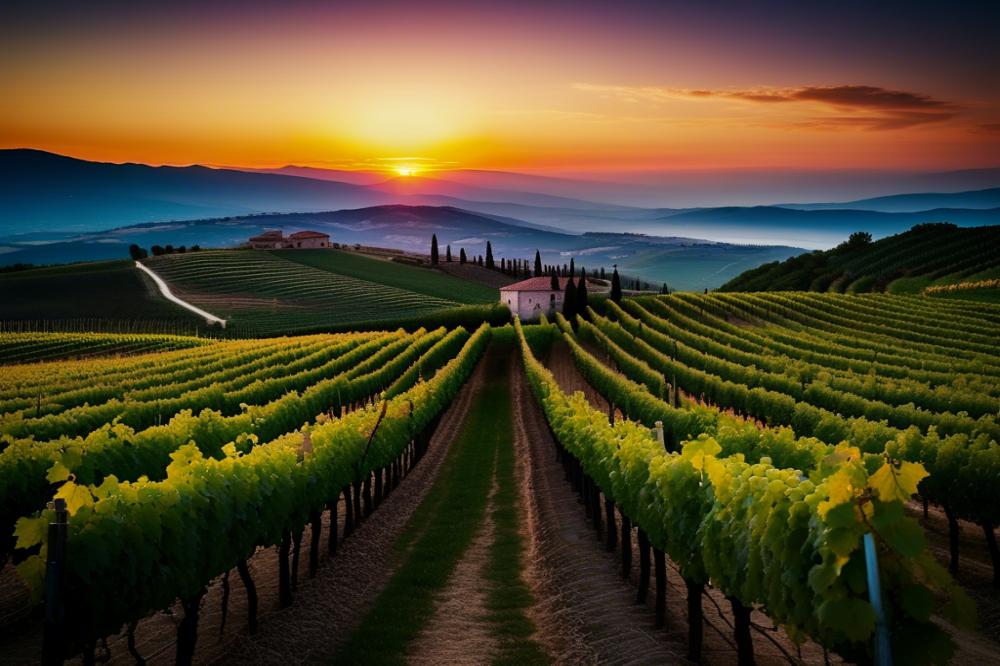
The influence of terroir is significant. In Abruzzo, the climate and soil contribute to the wine’s character. Warm days foster ripe flavors, while cooler nights maintain acidity. This balance is essential for a food-friendly wine. It can complement many dishes without overwhelming them. Pairing it with seafood or pasta enhances the dining experience.
Typical acidity is one of the standout features. This bright acidity ensures the wine stays lively on the palate. That freshness makes it very versatile. It can be enjoyed on its own or alongside various meals. The ability to adapt to different foods is what makes it truly special. This Italian wine remains popular among those seeking a lovely accompaniment to their culinary adventures.
Wine Pairing Suggestions
Trebbiano d’Abruzzo stands out as a truly versatile wine. Its freshness and vibrant acidity make it a favorite for many occasions. This Italian white grape produces a wine that pairs well with various dishes. This makes it a go-to choice whether for casual dinners or celebratory meals.
Specific Food Pairings
Pairing this wine with the right foods enhances its fresh flavors. Light seafood is a classic match. Consider grilled shrimp or a delicate white fish drizzled with lemon. Pasta dishes featuring pesto or fresh vegetables also elevate the wine’s aromatic profile. Cheese lovers will appreciate its compatibility with soft cheeses like mozzarella and burrata.
Complementary Dishes
Imagine savoring Trebbiano d’Abruzzo alongside a fresh Caprese salad. The tomato, basil, and mozzarella shine together. Another excellent choice is risotto. Try a lemon risotto, which echoes the wine’s brightness. Chicken prepared with herbs, especially rosemary, can also beautifully align with this food-friendly wine.
Seasonal Pairing Suggestions
Spring is the perfect time to enjoy light seafood dishes. Light salads with seasonal greens can provide a refreshing experience. Summer evenings call for barbecues. Grilled vegetables or chicken paired with this wine create a delightful combination. As the leaves turn in autumn, richer dishes like creamy pasta become appealing. They bring out the wine’s underlying complexities.
Wine Tasting Experience
Tips for Tasting Trebbiano d’Abruzzo
When tasting this Italian wine, start by observing its color. A pale yellow hue with green reflections is typical. Swirl the glass gently to release its aromatic profile. Take a moment to inhale the fresh scents. Notes of green apple, pear, and citrus often stand out. Taste the wine slowly to appreciate its crispness. The fresh flavors should feel lively on your palate. Pay attention to the wine’s acidity and balance. These elements make it a versatile wine, perfect for various occasions.
Ideal Serving Temperature and Glassware
For optimal enjoyment, serve this white grape wine chilled. A temperature around 45-50°F (7-10°C) is recommended. This range helps enhance its fresh characteristics. Choose a standard white wine glass for serving. A slightly curved bowl can accentuate its aromas. Avoid using overly large glasses, as they might diminish the aromatic experience. Simplicity in glassware allows the wine to shine.
Importance of Local Vineyards and Unique Production Methods
Local vineyards in Abruzzo play a significant role in the character of Trebbiano d’Abruzzo. The region’s diverse terroir contributes to its distinctive taste. Many producers practice traditional techniques, ensuring quality in every bottle. Each vineyard has its history and approach, which adds to the wine’s appeal. Understanding these local influences can deepen your appreciation. Unique production methods often result in variations in flavor and style.
Recommendations for Notable Producers and Bottlings
Several producers stand out in the world of Trebbiano d’Abruzzo. Look for wines from firms like Valle Reale, which practice organic farming. Their commitment to sustainability enhances the freshness of the wine. Another excellent choice is the Torre dei Beati, known for their innovative techniques. Each bottle tells the story of Abruzzo’s landscape and heritage. When exploring options, consider trying a few different bottlings to discover personal favorites. These selections make for great wine pairing with seafood or light pasta dishes.
A Toast to Trebbiano d’Abruzzo
Recapping the appeal of this delightful white wine, one cannot overlook its refreshing quality and versatility. Trebbiano serves as an excellent companion to various foods, from seafood to light pasta dishes. Its crisp acidity adds a lively touch to many meals, making it a favorite among wine enthusiasts.
Final thoughts on its role in classic Italian wine culture reveal its significance in the broader tapestry of varietals. In the heart of Abruzzo, this wine reflects the region’s rich heritage. It embodies the spirit of Italian winemaking, blending tradition with vibrant flavors. Trebbiano has long been a staple at family gatherings and festive occasions, representing both community and celebration.
Exploration of this refreshing wine is highly encouraged. Whether you are an experienced connoisseur or a curious newcomer, there is much to discover. The wine offers a taste of Italy that is both approachable and satisfying. A glass of Trebbiano invites you to share in its legacy and enjoy its remarkable qualities. Savor the experience and raise a glass to the beauty of Italian wine.

