

Building Belgium: The Role of migration-and-cultural-influence”>Italian migrants in Industry and Society
migration has shaped numerous countries throughout history. Among these waves of movement, the Italian diaspora stands out due to its size and significance. Millions of Italians have settled worldwide, bringing their culture and labor to various regions. This phenomenon is vital to understanding the global landscape of migration and its impact on communities.
Focusing on Belgium, we see a rich history of Italian migration, particularly during the late 19th and early 20th centuries. Economic opportunities in Belgium attracted many Italians seeking better lives. The booming coal and steel industries needed workers, and Italians filled this labor gap. Their presence transformed not just the workforce but also the social fabric of Belgian cities.
Understanding the contributions of this community is essential for grasping the evolution of the Belgian economy and society. Italian migrants played crucial roles in the industrial development of Belgium. They didn’t merely work in factories; they brought their traditions, adding to the cultural tapestry of their new home. This integration enriched local communities, fostering a vibrant exchange of ideas and heritage.
The social impact of these migrants goes beyond mere employment. They’ve shaped neighborhoods, established businesses, and created lasting family bonds. Studying their experiences unveils important lessons about resilience and adaptation. Acknowledging their legacy sheds light on how migrant communities contribute to societal growth and economic success.
In summary, the story of Italian migrants in Belgium is one of hard work and profound influences. Highlighting their unique journey provides a deeper understanding of the intersections between industry and society. It invites reflection on how diverse backgrounds can enrich nations, ultimately building a stronger future.
The Historical Context of Italian Migration to Belgium
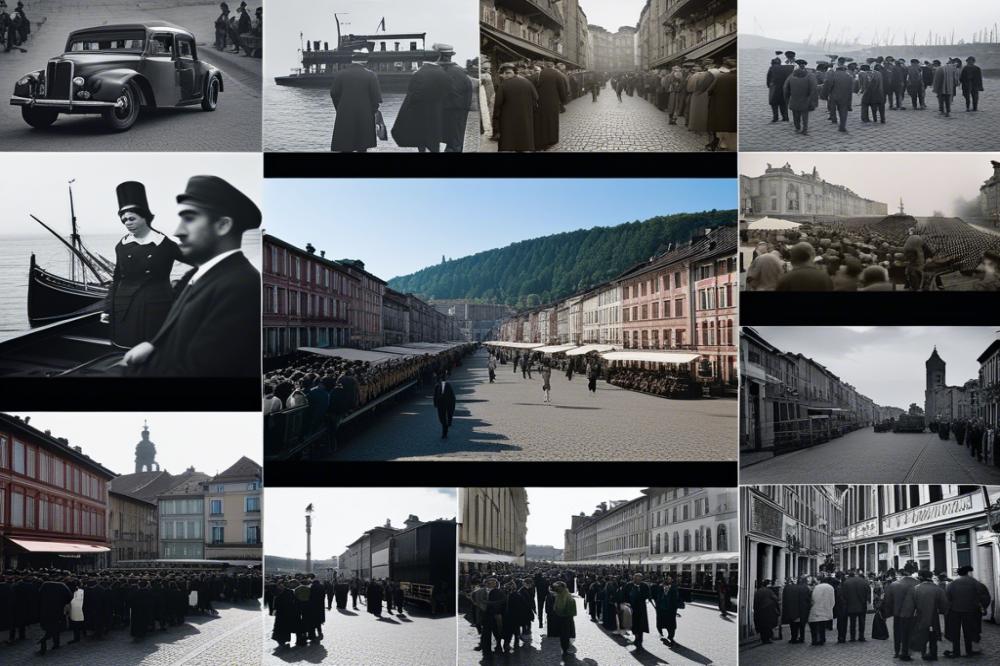
Italian migration to Belgium has deep historical roots. Many migrants left Italy in search of better opportunities. Primarily, they hailed from the southern regions, where poverty and political turmoil were prevalent. Life in rural areas was harsh, and families struggled to meet basic needs. This context set the stage for large-scale movement toward industrialized nations like Belgium.
Several key historical events fueled migration during the 19th and 20th centuries. The unification of Italy in the 1860s brought significant change but did not solve all the problems. Many Italians faced economic difficulties even after unification. During this time, the Belgian industrial revolution gained momentum. Factories sprung up, creating a huge demand for labor. As a result, Belgians encouraged foreigners, particularly Italians, to fill these roles.
World War I and the interwar period saw another spike in migration. Scarcity and destruction during the war pushed Italians towards Belgium’s factories. By the end of the war, the Belgian economy needed workers to rebuild. The country offered a lifeline to those fleeing chaos. Generous migration policies attracted large numbers of Italians looking for stable work and a fresh start.
Economic factors played a crucial role in this migration. With a burgeoning industrial sector, Belgium promised steady jobs and better wages. Many Italian migrants found employment in coal mines and steel mills. They contributed significantly to industrial development. These positions often transformed lives and provided families with a sense of security. Social impact was noticeable as communities grew stronger with their presence.
Cultural integration was also a significant aspect of Italian life in Belgium. They brought their culinary traditions, music, and customs, which enriched the local culture. Their heritage became part of the fabric of Belgian society. Over time, these communities developed support networks that helped newcomers adapt. Shared experiences forged bonds that would last for generations. This dynamic exchange highlighted the importance of community in shaping identities.
Labor Contributions of Italian Migrants to Belgian Industry
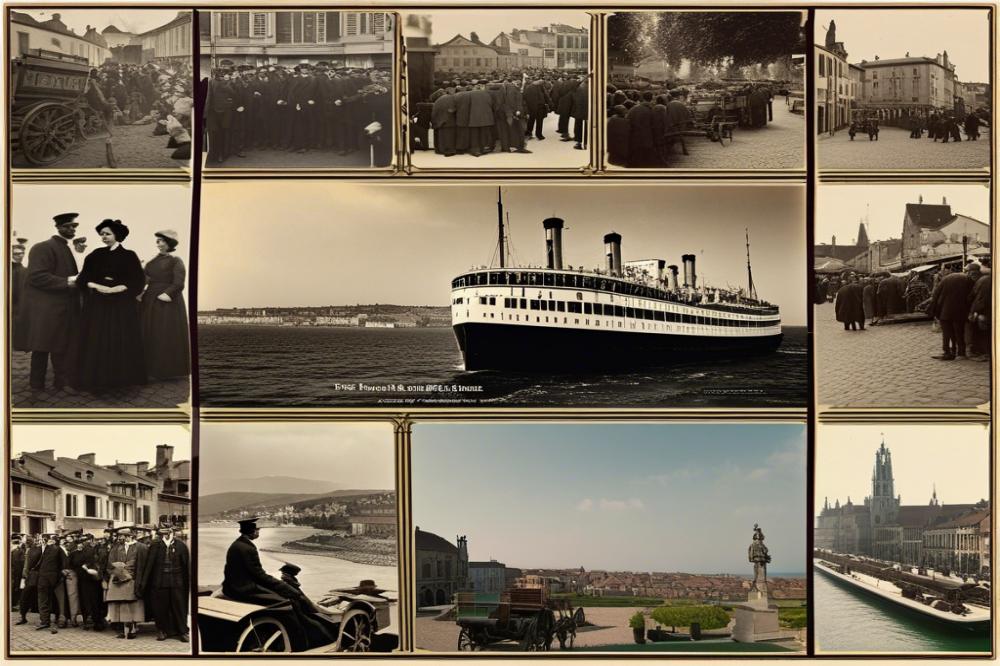
During the late 19th and early 20th centuries, many Italians sought better lives in Belgium. Their migration significantly shaped local industries, especially in mining, construction, and textiles. These sectors played vital roles in the industrial boom that followed. Workers filled essential positions that many Belgians were unwilling to take.
Key Industries Employing Italian Migrants
The mining industry was one of the first to rely on this influx of labor. Coal mines in the Walloon region saw a remarkable number of Italian workers. These individuals toiled in difficult conditions, often facing long hours and hazardous environments. In construction, their physical presence helped build cities. Iconic structures and public works owe part of their existence to these skilled laborers. The textile industry, too, welcomed them. Factories thrived, as Italian workers brought expertise and a strong work ethic.
Labor Conditions and Roles
Labor conditions were often harsh. Many faced challenges like unfair wages, overcrowding, and inadequate safety measures. Yet, within these struggles, Italians carved out a place for themselves. They became known for their dedication and craftsmanship. In time, their roles expanded from simple laborers to skilled tradesmen, blending Italian traditions with local practices. The impact of their commitment reshaped workplace expectations in Belgium.
Impact on Industrial Development
Italian workers contributed greatly to Belgium’s industrial development. Their presence spurred economic growth, fueling advancements in technology and production. As they settled in their new country, they established strong communities. These neighborhoods flourished with Italian culture, expressing their heritage through food, festivals, and art. Cultural integration took place over generations, creating a rich tapestry of Belgian society.
Ultimately, the contributions of these individuals transcended mere labor. They played a crucial role in the evolution of the Belgian economy. Their story is a testament to resilience and adaptation. Today, the legacy of Italian migrants continues to influence Belgium, reminding us of the power of diverse communities in shaping history.
Social Impact of Italian Migration on Belgian Society
Formation of Italian Communities in Belgium
Many Italian migrants settled in Belgium during the 20th century. They came to work in industries like coal mining and steel production. Over time, these workers established vibrant communities. Some settled in urban areas, while others chose smaller towns. Italian neighborhoods began to emerge, characterized by unique shops, restaurants, and cultural events. These communities fostered a sense of belonging. They brought a piece of Italy to Belgium, creating spaces where traditions flourished.
Contributions to Belgian Culture and Society
Cultural integration has been significant in shaping Belgian society. Italian migrants contributed delicious food, like pasta and pizza, which are now part of Belgium’s culinary landscape. Festivals celebrating Italian heritage have become popular. Music and art also saw the influence of these newcomers. Their skills in labor helped to fuel the industrial development of the nation. Many artisans and craftsmen shared their talents, enriching local craftsmanship. Contributions of this group are now woven into the fabric of Belgian culture.
Challenges in Integration and Acceptance
Despite their contributions, many faced difficulties with acceptance. Language barriers created obstacles in communication and understanding. Some experienced prejudice and discrimination, making it hard to feel at home. Gaining respect in a new country is often a slow process. Finding work was not always easy, especially during economic downturns. Many felt isolated from the broader Belgian society. Overcoming these challenges required resilience and determination. Still, the desire for a better life drove them forward in their new environment.
Cultural Integration and Heritage Preservation
Belgians and Italians have created a rich tapestry of traditions in the heart of Belgium. Festivals organized by the Italian community bring vibrant colors and joyous music to local streets. During these events, people gather to celebrate not just their differences, but also their similarities. Food plays a vital role in this cultural blend. Traditional Italian dishes, such as pasta and pizza, have become beloved staples in Belgian households.
As time goes on, the intermingling of customs continues to evolve. On special occasions, Belgians might join Italians for feasts that combine flavors from both cultures. This social impact goes beyond cuisine; language and art also reflect a shared experience. While Italian migrants maintain their unique heritage, they also embrace aspects of Belgian life, creating a sense of belonging within their communities.
The preservation of Italian heritage within these migrant communities is crucial. Many families keep old traditions alive by passing them down through generations. Cultural clubs often host workshops on Italian dance, music, and cooking. Such efforts help foster a strong identity among members. Additionally, they enable younger generations to connect to their roots while living in a different country.
In this blend, both societies gain valuable insights. The appreciation of Italian craftsmanship in various industries showcases their contributions to the Belgian economy and industrial development. Artisans bring their skills in fields like tile-making and sculpture, enriching local craftsmanship. This outpouring of shared cultural values strengthens the bond between communities.
As this dynamic continues, the essence of Italian life remains embedded in the broader Belgian culture. Mutual respect and interest foster deeper connections among neighbors. By celebrating festivals and sharing traditions, both Italians and Belgians build bridges that enhance the social fabric of the nation.
Economic Contributions and Contemporary Relevance
Italian migrants have shaped the Belgian economy in significant ways. Their labor transformed various industrial sectors, particularly construction and manufacturing. Today, the influence continues as these workers and their descendants remain vital to Belgium’s workforce. In fact, many businesses rely on the skills of this community to thrive.
In various sectors, the Italian community plays a crucial role. Restaurants and shops often feature Italian cuisine and products. These establishments not only provide delicious food but also create jobs. Additionally, many Italians are involved in crafts and trades, keeping traditional industries alive. Their contributions help sustain local economies.
Over the years, migration patterns shifted and evolved. New generations of Italians bring fresh ideas and perspectives. They integrate into Belgian society while preserving their heritage. This cultural blending enriches Belgium, fostering a diverse community. Festivals and events celebrate Italian culture, bringing people together and strengthening social ties.
Looking to the future, prospects for this group remain promising. As Belgium faces labor shortages in certain industries, Italian workers are in demand. Companies seek skilled professionals, and many Italians have the qualifications to meet this need. Encouragingly, the partnership between businesses and the Italian community seems poised to strengthen further.
The historical link between Italian migrants and Belgium is not just a story of the past. It is a living narrative that continues to unfold today. Contributions of this community are ingrained in the fabric of Belgian life. As new challenges arise, the resilience of this population will likely adapt and flourish.
Final Thoughts on the Contributions and Legacy
Italian migrants played a vital role in shaping modern Belgium. Their influence is seen in various sectors, especially industry and labor. Many of these individuals arrived in pursuit of better opportunities and ended up contributing significantly to the economy. They filled important jobs in factories and construction sites, driving the growth of cities. In addition to their economic contributions, these newcomers brought cultural richness that enriched Belgian society.
Acknowledging the efforts of these migrants is essential for understanding Belgium’s history. This community has left an indelible mark, from cuisine to festivals. Their traditions melded seamlessly with local customs. By recognizing their contributions, we honor not just their hard work but the spirit of diversity that defines Belgium today.
Looking ahead, the Italian heritage will continue to influence the fabric of Belgian society. Families carry on traditions, and their stories inspire future generations. Migrants in general play a significant role in shaping cultural identities everywhere. The journey towards integration often reflects broader societal trends and challenges.
Ultimately, the contributions of Italian migrants should be celebrated. They demonstrate how migration contributes to the vitality of a nation. As Belgium moves forward, the stories of its diverse communities will remain a source of strength and inspiration.

