

Introduction
The Italian diaspora is a captivating chapter in the broader narrative of migration. Many Sicilians left their homeland in search of better opportunities, making their way to bustling cities like New York. This movement typically began in the late 19th century and continued into the 20th century, reshaping the landscape of American society.
Sicilian immigration brought diverse traditions and vibrant culture to the United States. Families settled in neighborhoods that became vibrant enclaves, where their heritage could flourish. In cities like New York, Italians established strong communities rooted in family and tradition. Over time, they introduced Americans to their savory cuisine, colorful festivals, and rich history.
Celebrating Italian identity became a way for these immigrants to connect with their past while building new lives. Festivals often serve as a bridge across generations. They not only honor Italian customs but also foster a sense of belonging in the heart of America. Food markets, bakeries, and restaurants sprang up, creating a culinary legacy that remains influential today.
The significance of Italian-Americans in American society is profound. Their contributions shaped many aspects of culture, from music to art and, of course, food. Each dish tells a story, connecting the present with the past. The blend of these experiences enriched the social fabric of the nation, creating a hybrid identity embraced by many.
In conclusion, the journey from Sicily to New York encompasses more than mere migration; it illustrates the power of resilience and community. This history continues to impact future generations, reminding them of their roots and the importance of preserving their cultural legacy.
The Journey from Sicily to New York
Historical Context of Migration Patterns in the 19th and Early 20th Centuries
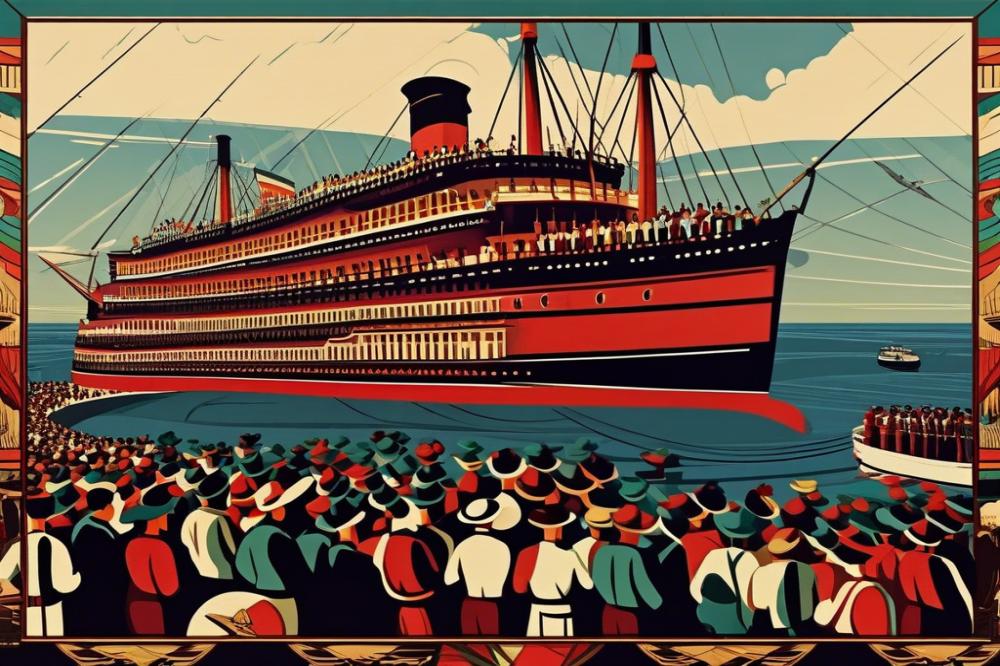
The 19th and early 20th centuries marked a transformative time. Many Italians left their homes in search of better lives. In Sicily, the landscape was harsh, and economic hardship was rampant. Families struggled to make ends meet. Political unrest also pushed people away. Governments were unstable, and there was fear of violence. Seeking safety and opportunity, countless individuals made the bold decision to migrate to America. Hope flourished as stories spread about the possibilities in New York City. This bustling metropolis promised jobs, a better future, and a chance to build a new life.
Reasons for Migration: Economic Hardship, Political Unrest, and Seeking Opportunity
In Sicily, the difficulties were often overwhelming. Farming was challenging, and industrial jobs were scarce. Many men found it hard to provide for their families. Political strife added another layer of challenges. People lived in fear of conflict and poverty. The allure of New York was strong. Word of mouth highlighted success stories of Italian immigrants who had transformed their lives. Dreams of stability and prosperity fueled the journey across the ocean. Families sought to reunite or join relatives already in America. They were driven by the hope of building a better future for their children.
The Experience of Arrival: Ellis Island and the Immigrant Process
Upon reaching New York, many immigrants first encountered Ellis Island. This famous gateway welcomed millions of newcomers. Each person went through a rigorous inspection process. Health checks, paperwork, and legal evaluations were routine. The excitement was often mixed with anxiety. Would they be allowed to enter? The stories of those who waited in lines remain part of history. After approval, many felt like a weight had been lifted. Starting anew in a foreign land was daunting but filled with potential. Communities began to form as Sicilian immigrants settled in neighborhoods. Their identity was shaped by their shared experiences, traditions, and culture. Festivals celebrated Italian heritage, showcasing music and cuisine. Close family ties provided comfort amid the chaos of a new environment. In this melting pot of cultures, the Italian-American story began.
Establishing Community in New York

After arriving in New York, many Italian immigrants sought out familiar faces and shared traditions. They gravitated toward neighborhoods where they could speak their language and find comfort in their culture. Little Italy became one of the most notable enclaves. This vibrant area teemed with bakeries, cafes, and restaurants, each reflecting the rich history of Italian cuisine. Over time, the streets echoed with the sounds of laughter, music, and spirited conversations, creating a lively atmosphere.
Families played a central role in building these close-knit communities. Extended families often lived together, providing support and connection. Daily life revolved around family gatherings, not only for meals but also for celebrating significant events. Traditions passed down through generations strengthened ties and formed a strong sense of identity. Together, they shared the joys of life, from weddings to festivals. These celebrations showcased their heritage, honoring their roots in Sicily while embracing their new home.
Social Structures: Family, Kinship, and Community Support Systems
A robust social structure emerged within these neighborhoods. The importance of kinship could not be overstated. Community support systems flourished as people helped one another during difficult times. Neighbors became like family, whether it was sharing food or helping out with childcare. The bonds formed during these early years were deep and enduring, shaping individual experiences and contributing to the collective identity of the neighborhood.
Mutual aid societies played a crucial role in the lives of the Italian-American community. These groups offered assistance to those in need, providing everything from economic support to social services. Membership often included a small fee, which built a fund for families facing hardships. Many societies also organized cultural events, such as festivals, to celebrate their shared heritage. These occasions brought the community together, reinforcing cultural pride and unity.
Role of Mutual Aid Societies and Cultural Organizations
Cultural organizations promoted the arts and traditions of Italy. They hosted gatherings, allowing immigrants to share their skills and crafts. Festivals became essential parts of community life, featuring music, food, and dancing. The Feast of San Gennaro is one such event that attracted people from all over New York. Crowds would fill the streets, enjoying the sights and tastes of Italy, forging memories that lasted a lifetime.
Through these connections, Italian-Americans strived to maintain their cultural practices while adapting to life in America. By focusing on their heritage, the community developed a unique identity that continued to thrive. Generations later, the impact of these early immigrants remains visible. They laid the groundwork for future growth and diversity in New York City. Communities like Little Italy are more than just neighborhoods; they are living examples of resilience and pride.
Cultural Contributions of Italian-Americans
Influence on New York’s History and Culture
Italian immigrants have played an essential role in shaping New York’s history. Arriving in large numbers during the late 19th and early 20th centuries, they brought with them vibrant traditions and customs. Neighborhoods like Little Italy became cultural hubs, where newcomers could find community and support. Through hard work, many established businesses that became staples in the city. Contributions to theater, art, and music have deeply influenced New York’s cultural landscape. The passion of the Italian-American community resonates in various aspects of city life, enriching it with a unique flavor.
Celebration of Italian Heritage Through Festivals and Community Events
Celebrating Italian heritage is a cornerstone for many communities in the city. Vibrant festivals like the Feast of San Gennaro attract thousands each year. These events showcase the rich traditions of Italian culture, from religious parades to live music. Families come together to cook, dance, and celebrate their roots. Community events foster a sense of belonging and pride, linking generations through shared experiences. In neighborhoods with deep Italian roots, every festival is an opportunity to honor the past while cultivating future identity.
The Significance of Cuisine: From Traditional Recipes to the Evolution of Italian-American Food
Cuisine is perhaps the most tangible expression of Italian culture in America. Traditional recipes passed down through families reflect a deep commitment to heritage. Dishes like pasta and pizza have evolved over time, adapting to American tastes. These meals often serve as a centerpiece for family gatherings, highlighting the importance of togetherness. Sharing food strengthens bonds and fuels conversations about family history and tradition. Italian-American cuisine continues to be a dynamic blend of old and new, offering a delicious bridge between two cultures.
Italian-American Identity and Heritage
The formation of identity within the Italian-American community is a fascinating subject. Many people of Italian descent in the United States find themselves navigating between two cultures. They cherish their Italian roots while also embracing American values. This balancing act is evident in various aspects of life, from daily routines to celebrations.
Traditions play a critical role in shaping this identity. Family meals are central, with homemade pasta and sauces often taking center stage. Cuisine, deeply rooted in Italian customs, has become part of American culture, especially in cities like New York. Families gather for large dinners, sharing stories that bridge generations.
Festivals are another expression of cultural heritage. Events such as the Feast of San Gennaro in Little Italy showcase vibrant parades, religious ceremonies, and, of course, delicious food. These celebrations foster a sense of community among participants. They also draw in non-Italian Americans, eager to experience this rich culture.
Generational shifts contribute significantly to how identity is perceived. Older generations often hold onto traditional values tightly, passing them down to their children. The younger generation, however, sometimes feels torn between two worlds. While they respect their background, many face the pressure to fit into mainstream American society. This can lead to a blending of customs that reflects both heritage and modern life.
Moreover, communities play an essential role in preserving Italian culture. Churches and community centers often host events that focus on traditional practices. Language classes, cooking workshops, and dance lessons help keep the connection to Italy alive. Participation in these activities ensures that younger members of the community learn about their roots.
American life isn’t devoid of its challenges. Navigating the complexities of identity can be difficult for some. Yet, many individuals find strength in their heritage. Stories of resilience and adaptation are common. These narratives highlight the ability to honor the past while looking towards the future.
In today’s diverse society, the Italian-American identity continues to evolve. The occasional tension between tradition and modernity can lead to dynamic cultural expressions. This ongoing dialogue within families and communities brings a fresh perspective to heritage. Ultimately, the journey of self-discovery remains a vital part of the experience for many.
Challenges and Triumphs
Early Italian immigrants faced significant discrimination in the United States. Many experienced prejudice because of their different culture and language. They often lived in poverty, struggling to find work. Established communities sometimes viewed them as outsiders. This led to a difficult adaptation in a new land, where acceptance was hard to come by.
Despite these hardships, numerous Italian-Americans found ways to succeed. In politics, figures like Fiorello La Guardia made an impact as the mayor of New York City. His leadership influenced local governance and showcased the importance of Italian-Americans in politics. In the arts, talents like Frank Sinatra and other musicians brought Italian heritage into the limelight. Their contributions to music transformed American culture.
Business also saw its share of triumphs. Many established their own shops or restaurants, introducing authentic cuisine to the neighborhoods around them. Festivities like San Gennaro in Little Italy became part of the cultural landscape, celebrating not just their identity but also their achievements.
Today, the status of Italian-Americans reflects a complex blend of history and modern culture. Many remain proud of their heritage, balancing the past with present-day life. They celebrate traditions and maintain family connections, continuing to influence American society. Festivals and cultural events abound, enriching the fabric of community life across the country.
In contemporary society, contributions span across various fields. Across education, medicine, and sports, many Italian-Americans hold prominent positions. They embody resilience and adaptiveness, thriving while remembering their roots. Identity remains a key aspect, connecting them back to their ancestors from Sicily and other parts of Italy.
Final Thoughts on the Italian Journey
A Recap of the Journey
Italian immigrants undertook a significant journey from their homes in Sicily to the bustling streets of New York. Hardships awaited them, but many sought a new beginning filled with hope. Their arrival marked the start of a new chapter in American history, where they brought their culture, traditions, and dreams. This movement shaped neighborhoods, created bonds, and made way for future generations to thrive.
Impact on American Culture and Society
Italian-Americans have left an indelible mark on the landscape of American culture. Their contributions are seen in various aspects of society—food, festivals, and family values. You can’t walk through New York without encountering the aromas of Italian cuisine wafting from lively restaurants. Moreover, traditions like the Feast of San Gennaro bring people together in celebration of heritage. These celebrations create connections and foster a sense of belonging.
Looking Ahead
The future of the Italian-American identity seems bright yet complex. As newer generations emerge, they balance tradition with modern American life. Maintaining a connection to heritage while navigating contemporary society can be challenging. Resilient communities can promote cultural pride and unity. Encouraging the sharing of stories will help preserve a rich legacy for years to come. In a world that constantly evolves, the essence of this journey from Sicily to New York will continue to resonate and inspire.

