
Introduction
Sardinia sits as a gem in the heart of the Mediterranean. Its picturesque beaches and rugged mountains are only part of what makes this island special. More than just a travel destination, Sardinia is a region rich in culinary heritage. The island’s geographic isolation has nurtured distinct culinary traditions that have shaped what might be considered Sardinia food.
Food and drink are central to Sardinian culture. Meals often bring families and friends together, creating bonds over traditional dishes. From hearty stews to delicate seafood, local cuisine showcases what the land and sea have to offer. Its Mediterranean diet emphasizes fresh ingredients. In Sardinia, this means incorporating fresh vegetables, seafood, and the famous pecorino cheese.
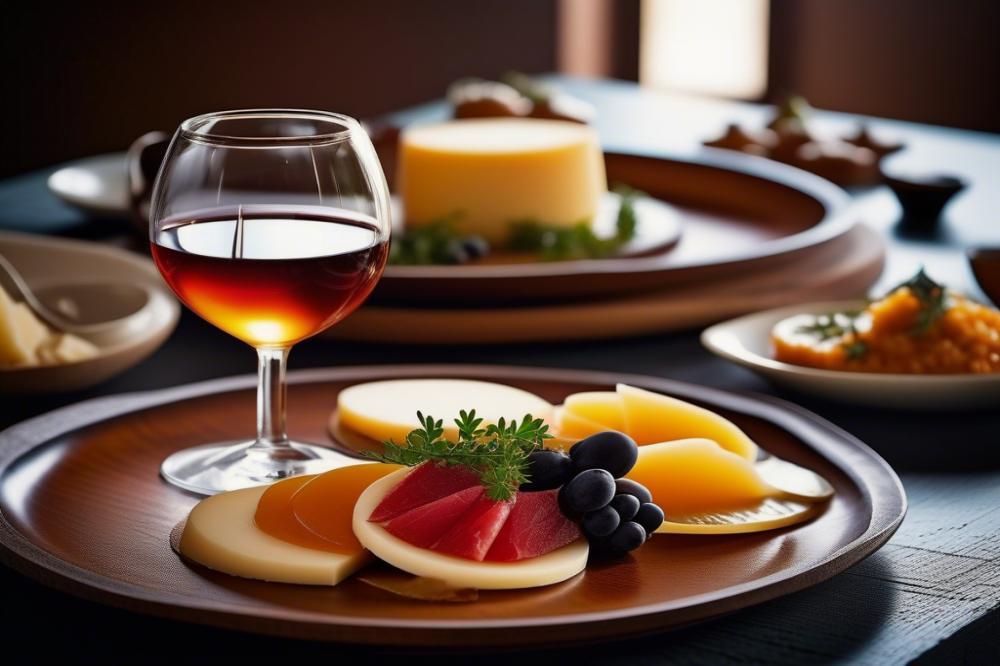
Sardinian wines hold an esteemed place in this culture. Wine tasting is a cherished activity here. Locals and visitors alike enjoy sampling the robust flavors of the island’s vineyards. The rich landscape allows for diverse grape varieties, contributing to the region’s unique offerings. Bottarga, salted fish roe, is another delicacy found in many dishes. Often paired with pane carasau, a traditional flatbread, these ingredients come together to create unforgettable meals.
Understanding the food and wine of Sardinia means appreciating its long-standing traditions. Culinary practices have been passed down through generations, each adding their own flair. These aspects of Sardinian life invite us to explore deeper than just a meal. The island’s flavors tell the story of its people, history, and culture. The journey into Sardinia’s culinary world offers a feast for both the palate and the soul.
Sardinia food: A Reflection of Culture and History
Sardinia’s food is deeply intertwined with its culture and history. Historical influences have played a crucial role in shaping local cuisine. Over centuries, various civilizations have left their mark. The Phoenicians, Romans, and Spanish each contributed unique ingredients and cooking methods. These interactions created a diverse tapestry of flavors. While many traditional dishes reflect these ancient connections, they also showcase the island’s evolving identity.
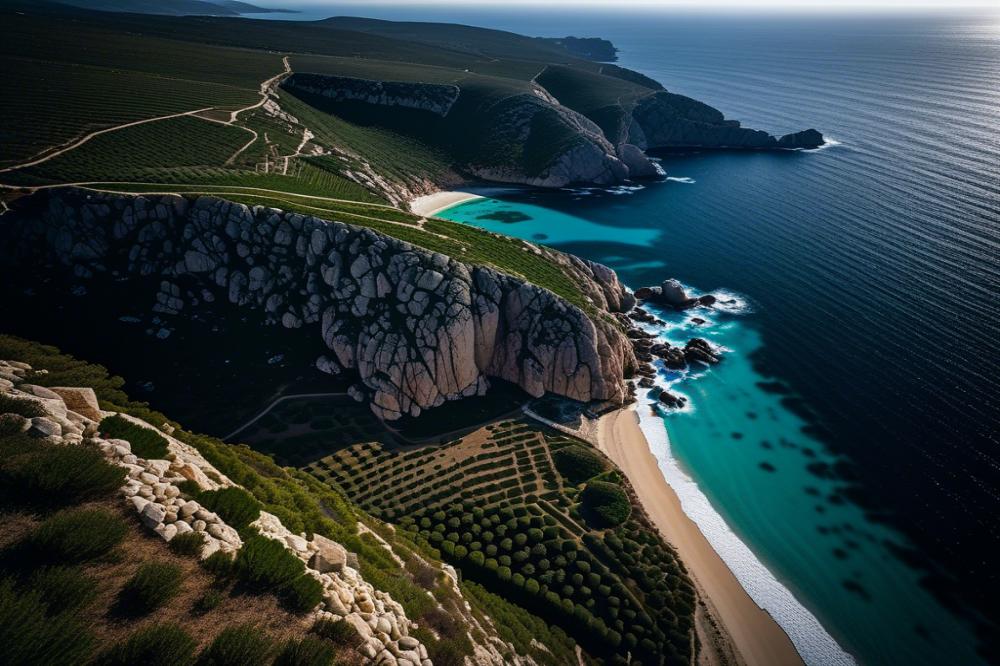
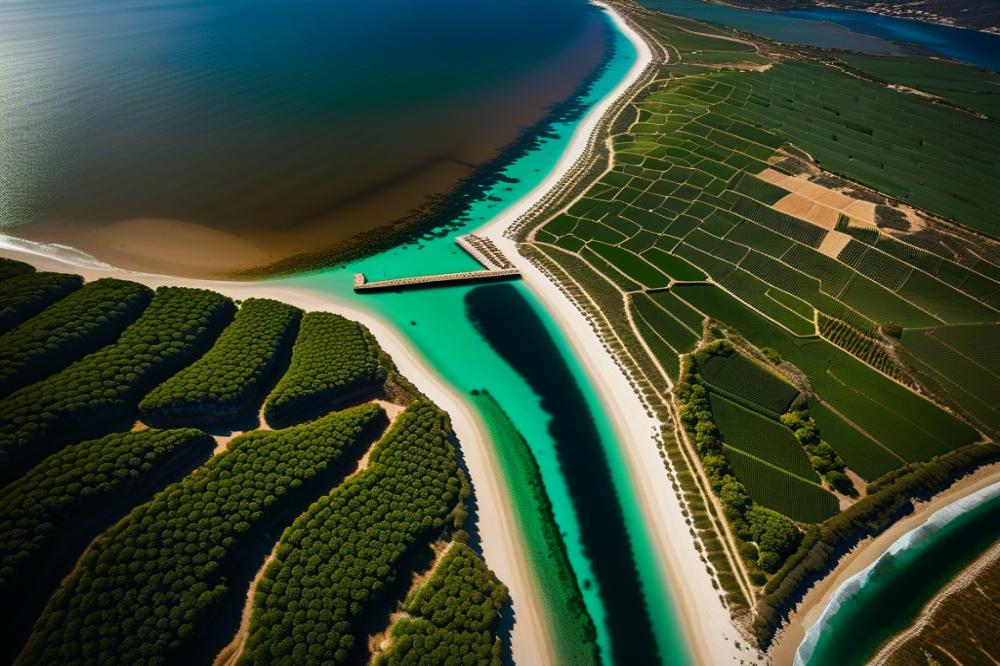
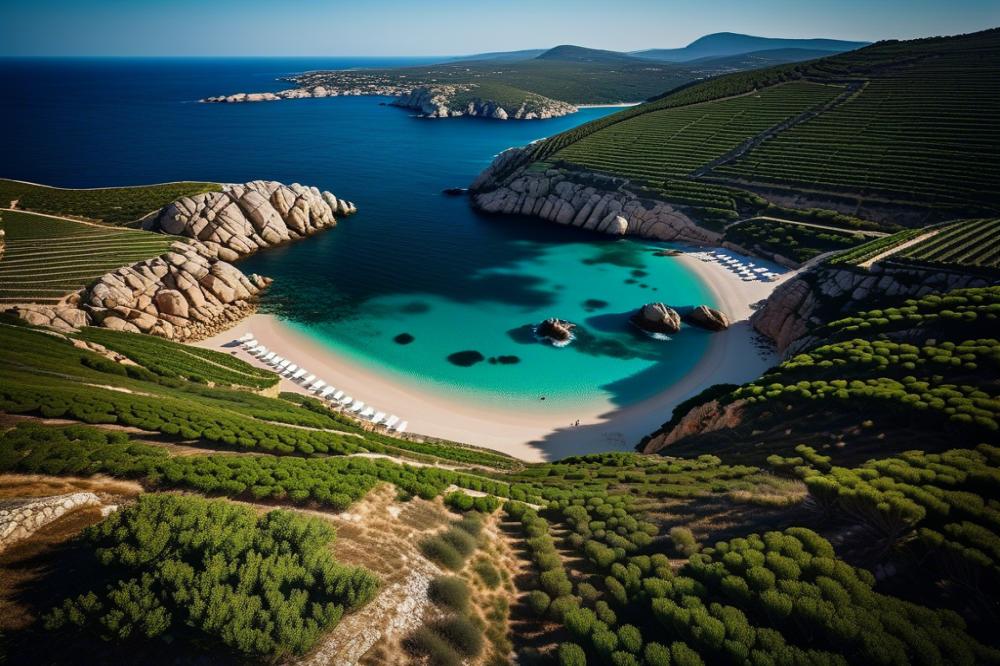
Geography significantly impacts the ingredients used in Sardinian dishes. With its rugged mountains and stunning coastline, the island offers abundant local produce. Farmers grow a variety of vegetables in fertile plains. Seafood thrives in its crystal-clear waters. Sardinia’s geographic isolation has resulted in a distinct culinary character. This region is part of the Mediterranean diet, emphasizing fresh and healthy options.
Blend of Cultures
A blend of traditions can be found within the food of Sardinia. Each invader or visitor brought their own tastes, which mingled with local customs. You might find a hearty stew labeled as a traditional dish inspired by Spain. Similarly, a recipe featuring bottarga showcases Italian influence. In every bite, there’s a story told through flavors and ingredients. Sardinian wines offer another way to explore this culinary journey. Wine tasting can reveal the subtleties shaped by history, geography, and climate.
Pecorino cheese stands as a symbol of Sardinian agriculture. It’s not just a flavorful addition to meals; it’s part of the island’s pastoral landscape. Artisan makers craft it in many varieties, often accompanying it with pane carasau, a traditional flatbread. Local seafood also plays a prominent role, highlighting the bountiful catch off the coast. This selection is as wide as the creativity in the region’s culinary traditions.
Traditional Dishes and Local Cuisine
Sardinia offers an array of traditional dishes that are rich in flavor and history. Local cuisine reflects the island’s agricultural and fishing heritage. Many dishes are rooted in the Mediterranean diet and utilize ingredients that speak to Sardinia’s landscape.
Overview of Popular Sardinian Dishes
One of the most beloved dishes is malloreddus, which are small, ridged pasta typically served with a savory sausage sauce. Another staple is culurgiones, a type of stuffed pasta that often contains potatoes, cheese, and mint. These vary across regions, showcasing local creativity. Fregola, a type of toasted pasta, can be seen in seafood preparations, often paired with clams or shrimp. The versatility of these dishes allows for a taste of Sardinia’s culinary traditions.
Detailed Discussion of Pecorino Cheese and Its Varieties
Pecorino cheese holds a special place in Sardinian cuisine. Made from sheep’s milk, it comes in several varieties. Pecorino Romano is among the most famous, known for its salty flavor and hard texture. Another version, Pecorino Sardo, can be tasted both fresh and aged, providing distinct characteristics. Chefs use this cheese broadly, grating it over pasta or as a standalone appetizer, paired with local wines.
Examination of Bottarga and Its Uses
Bottarga, or dried fish roe, is a specialty that many associate with Sardinia. Often called “Sardinian caviar,” it adds a burst of flavor to various dishes. Grated or sliced thinly, bottarga can enhance simple pasta dishes or salads. Cooks revel in its unique ability to elevate even the most mundane meals. It’s an acquired taste but treasured by locals and visitors alike.
Insights into Seafood Dishes and Their Significance
Seafood plays a significant role in Sardinian dishes. Fresh fish, caught daily, finds its way to local markets and eventually onto dining tables. Dishes like spaghetti alle vongole, made with fresh clams, speak to the island’s coastal abundance. Fried calamari and grilled octopus are also favorites among locals. This culinary art is a reflection of the deep connection between the Sardinians and their surrounding waters.
Pane carasau, a thin, crisp bread, accompanies many meals. Often enjoyed with cheese or used to soak up sauces, it adds texture to each bite. Wine tasting in Sardinia reveals complimenting flavors that enhance the experience of these dishes. Local wines pair beautifully, celebrating the island’s agricultural richness.
The Mediterranean Diet in Sardinia
The Mediterranean diet is known for its health benefits. This eating plan emphasizes fruits, vegetables, whole grains, legumes, nuts, and healthy fats. Fish and poultry take center stage, while red meat and sweets are enjoyed in moderation. Olive oil is the primary fat source. Sardinia has a rich food culture that beautifully aligns with these principles.
Local cuisine features a variety of traditional dishes that showcase fresh ingredients. Seafood plays a prominent role in many meals. Recipes often include fish caught from the surrounding waters. The island also celebrates rich crops of vegetables and legumes. Meals are typically seasoned with herbs, not heavy sauces. One popular item is pane carasau, a thin, crispy flatbread. This bread provides a wholesome, satisfying base for many dishes.
Beyond the delicious offerings, Sardinian wines complement these meals perfectly. Wine tasting is a cherished activity here. The native grape varieties produce rich, full-bodied wines. They often pair beautifully with local meats and cheeses. Pecorino cheese, known for its sharp flavor, is a favorite among locals and visitors. Bottarga, a delicacy made from cured fish roe, adds a distinct taste to various dishes.
Health benefits abound from consuming Sardinian foods. Diets rich in vegetables and fish promote heart health and longevity. Sardinians are known for their remarkable life expectancy, which researchers attribute to their eating habits. Culinary traditions maintain a balance between nutrition and enjoyment, making meals both beneficial and fulfilling. People enjoy food as a communal experience, which enhances well-being and social connections.
Sardinian Wines and Wine Tasting Experiences
Sardinia is home to several wine regions, each offering a glimpse into the island’s rich viticultural heritage. The landscape varies from coastal hills to mountainous areas, each with its own climate and soil. This diversity allows for a wide array of wines that reflect Sardinia’s distinct geography. The most notable wine regions include the Gallura region, known for its Vermentino, and the Campidano, famous for its cannonau.
Grape varieties are central to local wine culture. Cannonau, a red grape, thrives in Sardinia’s warm climate and is often compared to Grenache. This wine is robust and fruity, making it perfect for pairing with traditional dishes. Vermentino, on the other hand, is a white grape that produces crisp and aromatic wines, ideal for enjoying with seafood. Other grape varieties such as Nuragus and Monica also contribute to the island’s wine diversity.
Tasting experiences are abundant on the island. Many local vineyards offer tours that include tastings of their finest Sardinian wines. Visitors can expect to sample unique blends while enjoying breathtaking vineyard views. A visit to the Argiolas estate in Serdiana is recommended for those interested in both wine and the Mediterranean diet. It features pecorino cheese and delicious cured meats, enhancing the tasting experience.
Wineries like Santadi also provide insight into Sardinian culinary traditions. Pairing wine with local cuisine elevates the tasting. Many vineyards encourage their guests to try authentic dishes such as bottarga or pane carasau alongside their wines. These pairings amplify the flavors of both the food and the wine.
For anyone visiting Sardinia, wine tasting tours should be a priority. Explore the backroads to find hidden gems among the vineyards. Engaging with local vintners can yield fascinating stories about their heritage and struggles. Such interactions often deepen one’s appreciation of not only the wines but also the culture surrounding them.
Culinary Traditions: Festivals and Local Events
Sardinia is known for its vibrant food-related festivals throughout the year. These events celebrate the rich culinary traditions of the island. Local towns host gatherings where residents and visitors alike can sample traditional dishes. Fairs often feature unique recipes like culurgiones, a type of stuffed pasta. Each festival showcases the beauty of the Mediterranean diet, emphasizing fresh ingredients and regional flavors.
Communities play a vital role in keeping these culinary traditions alive. Elderly residents pass down recipes that have been in families for generations. Young chefs often learn from their grandparents, blending old methods with modern techniques. It’s common to see locals cooking together. Their shared efforts help to create a strong sense of identity and pride in their heritage.
Travelers have numerous opportunities to dive into Sardinian culture through these events. Wine tasting is a popular activity, allowing visitors to sample local wines such as Carignano and Vermentino. Many festivals also highlight the island’s famous pecorino cheese, which has a distinct flavor. Bottarga, or salted fish roe, often appears in dishes served during these celebrations. Seafood lovers will rejoice at the variety of fresh catches prepared in traditional ways.
Guests are encouraged to join cooking classes featured at some of these festivals. Hands-on experiences allow them to learn to make pane carasau, a typical flatbread. The joy of creating a dish from scratch is rewarding. It connects visitors with the land and its people. These culinary festivities are much more than meals; they are celebrations of community and history. Sardinia’s dedication to preserving its food culture is evident in every event.
Travel Tips for Experiencing Sardinian Food and Wine
Recommendations for Local Markets and Eateries
Exploring Sardinia offers a chance to discover local markets brimming with fresh produce. Visit the Mercato di San Benedetto in Cagliari for a vibrant atmosphere. Here, you can find everything from fresh seafood to artisan breads, including the famous pane carasau. Small towns also host weekly markets that highlight the traditional dishes of the region. For dining, look for trattorias that feature local cuisine. These establishments often serve authentic meals made from family recipes. Street food can also be an adventure. Don’t miss out on sampling arancini and porceddu from food stalls while wandering through towns.
Tips for Finding Authentic Sardinian Dining Experiences
Savouring true Sardinian flavors requires a little effort. Staying away from tourist traps is key. Seek recommendations from locals. They usually know the hidden gems that offer the best meals. Going off the beaten path can lead to delightful surprises. Look out for signs of culinary traditions that have been passed down through generations. When dining, ask about dishes containing pecorino cheese or bottarga. These ingredients are staples that showcase the region’s distinctive tastes. Another tip is to inquire about wine tasting opportunities. Sardinian wines have unique characteristics influenced by the local climate.
Best Times to Visit for Food-Related Events and Festivals
Timing your visit can greatly enhance your food experience. Spring and early autumn are ideal seasons. During these months, various food festivals celebrate Sardinian gastronomy. Events such as the Sagra del Pesce highlight the region’s seafood offerings. In the fall, the grape harvest brings about wine-related festivities. This is the perfect opportunity to taste different varieties and learn about the Mediterranean diet. Participating in these events allows visitors to interact with local producers. Each festivity brings a deeper understanding of the cooking methods and ingredients cherished by the Sardinians.
Final Thoughts on Sardinian Food and Culture
Food and wine play a crucial role in shaping Sardinia’s cultural identity. The island’s local cuisine reflects its history, geography, and traditions. Visitors often find that every meal tells a story. Traditional dishes, such as pecorino cheese and culurgiones, showcase the creativity and resourcefulness of Sardinian people. Each bite connects travelers to the island’s rich heritage, making dining an unforgettable experience.
Traveling to Sardinia offers food enthusiasts a unique adventure. Exploring local markets and vineyards can awaken the senses. The vibrant colors of fresh produce, the aromas of herbs, and the taste of locally produced wines create a feast for both the eyes and the palate. Each meal reveals the passion that goes into crafting these flavorful recipes.
Moreover, dining in Sardinia is not just about the food. It is about nurturing relationships and celebrating life. Sharing meals with locals fosters a sense of community. Conversations over a glass of wine deepen friendships and create lasting memories. Food connects people, and in Sardinia, it builds a bridge between visitors and residents.
Ultimately, the experience of savoring Sardinian cuisine offers more than just great flavors. It opens a window into the soul of the island and its people. For any food lover, a journey here is not only a culinary exploration but also an opportunity to embrace the vibrant culture. Every dish serves as an invitation to partake in the rich tapestry of Sardinian life.

