
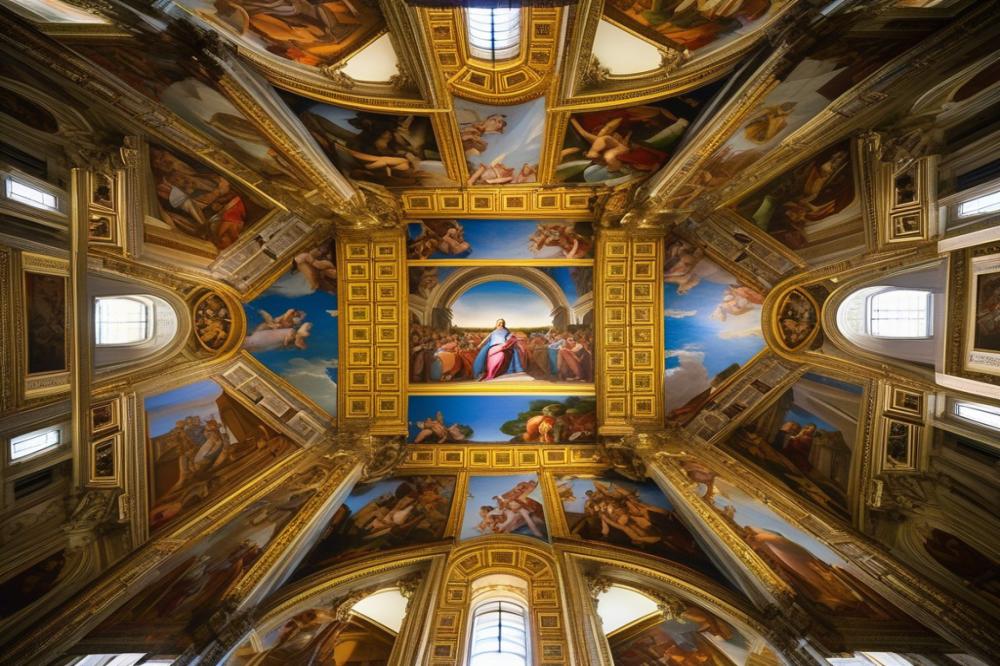
Discover the Vatican Museums and the Sistine Chapel
Overview of Vatican Museums and Sistine Chapel
The Vatican Museums hold treasures of art and history that date back centuries. Visitors flock to this cultural landmark in Vatican City, showcasing the brilliance of human creativity. The Sistine Chapel, often regarded as the pinnacle of Renaissance art, features Michelangelo’s stunning frescoes. Both places reveal a deep connection to religious heritage and influence. People travel from around the world to experience the beauty of this Vatican art collection.
Importance of Tourism in Rome
Tourism plays a crucial role in Rome’s economy. Millions explore the city each year, seeking to witness its remarkable splendor. The Vatican Museums and Sistine Chapel are significant draws, attracting art lovers and the spiritually curious alike. Such attractions foster cultural exchanges and promote understanding among diverse groups. Notably, guided tours provide valuable visitor information, ensuring that guests glean insights into the rich history surrounding these wonders.
Highlighting the Cultural and Religious Significance
Art and faith intermingle beautifully within the walls of these historic sites. The Vatican Museums are more than just a collection of artifacts; they are a testament to the legacy of the Church and the Renaissance movement. Spiritual significance resonates in every corner of the Sistine Chapel, deepening the experience for many. Each artwork tells stories of devotion, struggle, and triumph. As a result, both locals and tourists gain a better appreciation of their rich cultural heritage.
The Vatican Museums
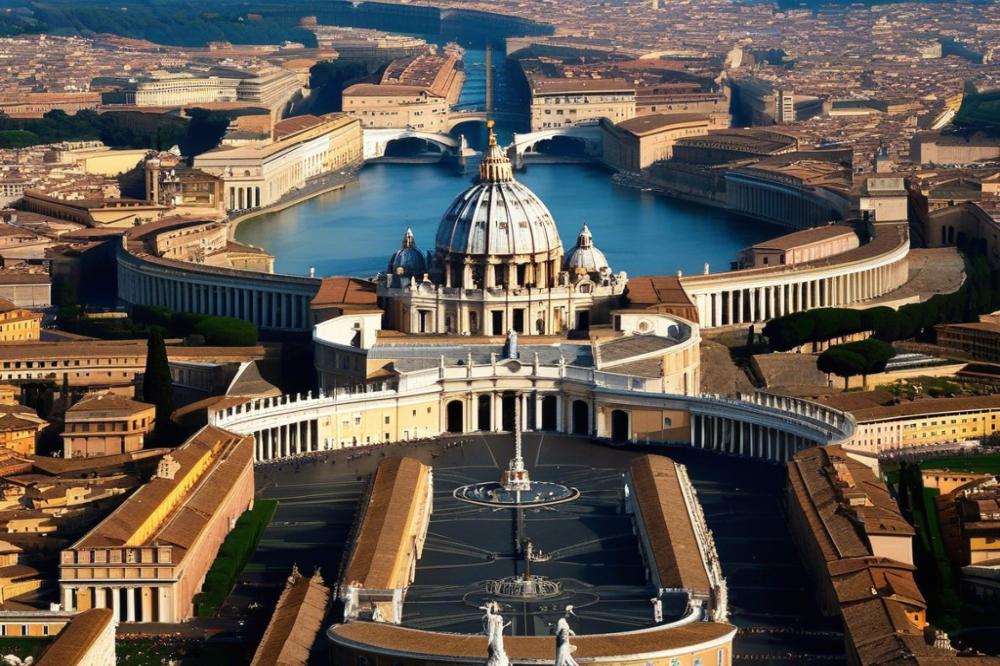
History of the Vatican Museums
The history of the Vatican Museums goes back to the early 16th century. Pope Julius II played a crucial role in their establishment. He initiated the first collection of art that would form the foundation of today’s museum complex. Over the years, successive popes expanded these collections, acquiring significant artworks. Today, this vast institution showcases the history of art and the religious heritage of Vatican City.
Key features and collections
Among its countless attractions, the Vatican art collection stands out. The museum features a wide variety of artifacts, tapestries, and sculptures. Several galleries display masterpieces that span centuries. Visitors come to see works by renowned artists, including Raphael and Caravaggio. Each piece tells a story of its own, capturing the essence of human creativity and devotion.
Vatican art collection: Renaissance masterpieces
Renaissance art forms a crucial part of the collections on display. The period marked a significant shift in the style and subject matter of art. Artists of this time, such as Leonardo da Vinci and Titian, pushed boundaries. Their works are often celebrated for their depth and vibrant colors. This collection is a testament to the artistic achievements of that era.
Significant artworks and artists, including Michelangelo
Michelangelo’s contributions are among the most famous in the museum. His stunning sculptures, notably “The Pietà,” capture raw emotion and spirituality. The Sistine Chapel, another highlight, features his breathtaking ceiling. This work includes scenes from Genesis, illustrating biblical narratives. Each stroke reflects Michelangelo’s genius and is a reflection of the era’s artistic brilliance. Tours often guide visitors through these masterpieces, providing rich context and insight. Visitor information is readily available to help plan an enriching experience.
In essence, this complex is a treasure trove of cultural landmarks. Art lovers and history enthusiasts alike find much to admire within these walls. Each artwork not only enriches the Vatican City but also preserves a piece of humanity’s artistic journey.
Sistine Chapel
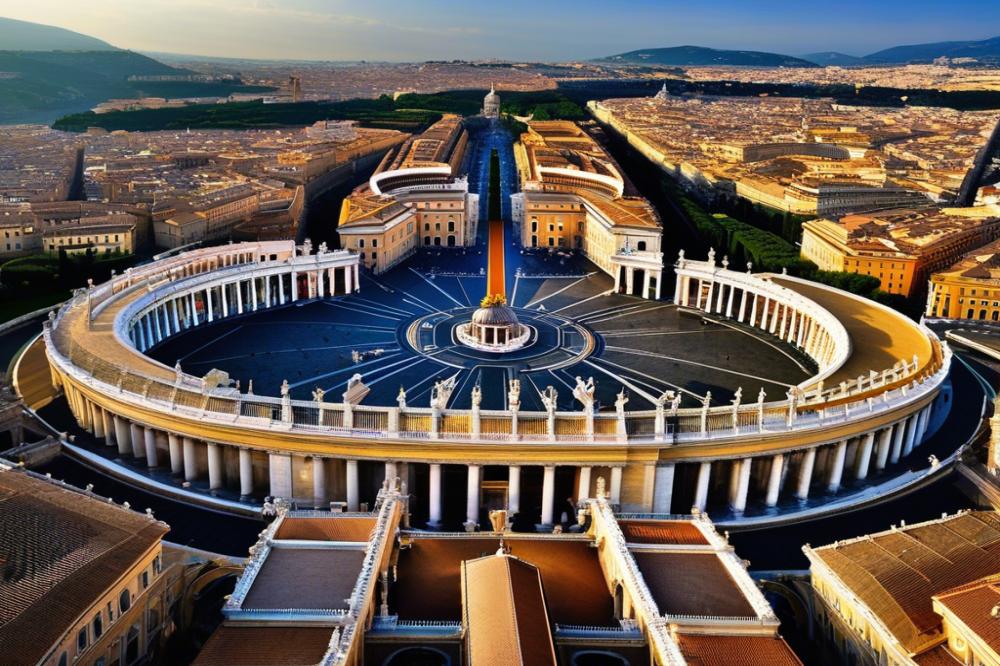
History and Architectural Significance
The Sistine Chapel stands as one of the most significant treasures in Vatican City. Constructed in the late 15th century, it was commissioned by Pope Sixtus IV. The name “Sistine” derives from him. This grand space showcases the height of Renaissance art. Its architecture integrates simple beauty with elegant lines. The chapel follows a rectangular plan, which is typical of Renaissance design. Visitors find themselves captivated by the majestic ceiling and remarkable frescoes that adorn its interior.
Michelangelo’s Contributions and the Creation of Adam
Among the most celebrated artists of the Renaissance, Michelangelo played a pivotal role in shaping the chapel’s identity. His work on the Sistine Chapel’s ceiling is nothing short of legendary. The most famous piece, “The Creation of Adam,” depicts God’s touch bringing life to Adam. This striking image is iconic in Vatican art collection. Crafted between 1508 and 1512, Michelangelo’s artistry showcases unparalleled skill. Every detail invites viewers to ponder deeper meanings. Visitors often stop and stare, feeling a connection to the divine.
The Chapel’s Role in Religious Ceremonies
Religious ceremonies at the Sistine Chapel hold great significance. It serves as the site for papal conclaves, where cardinals gather to elect a new pope. Every year, numerous liturgical events take place, drawing thousands of faithful. These ceremonies underscore the chapel’s importance in the Catholic Church’s religious heritage. Tourists often witness the blend of art, history, and spirituality. They feel the weight of centuries as they walk through the holy space. The experience is enhanced by the breathtaking artwork that surrounds them.
Visitor Information
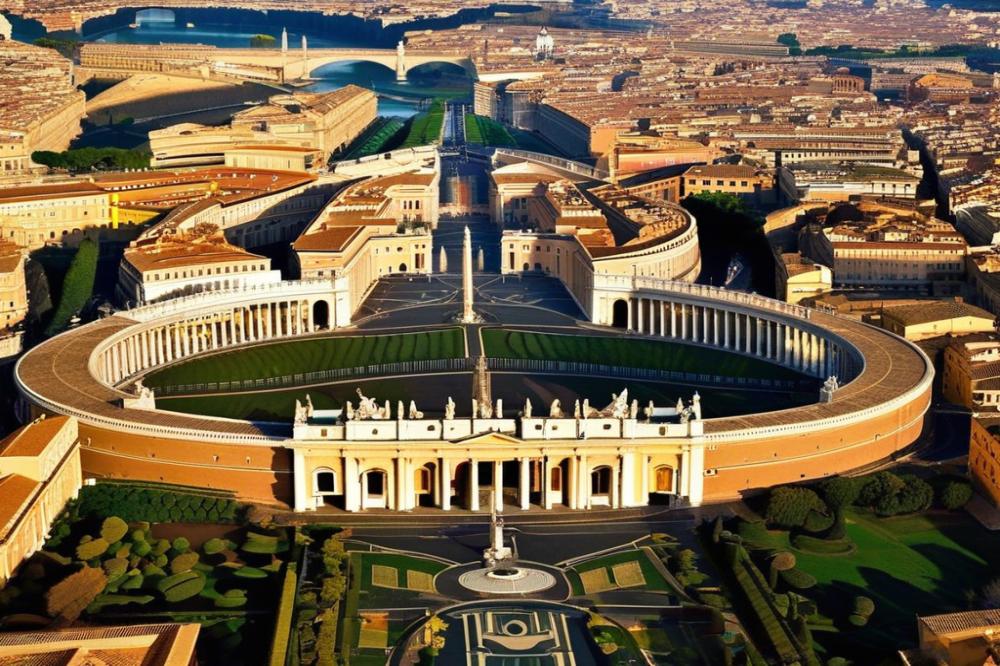
Planning Your Visit to the Vatican Museums
The Vatican Museums are a treasure trove of art and history. Start by choosing a day for your visit. The museums can get crowded, especially during peak tourist season. Weekdays tend to be less busy than weekends. Be sure to allocate several hours to fully explore the vast collection. Prepare for a walk through numerous galleries filled with exceptional works. Don’t forget, the Sistine Chapel is a highlight you won’t want to miss.
Tours Available for a Deeper Understanding
If you seek a more in-depth experience, consider joining a guided tour. Expert guides can provide context for the masterpieces and explain their significance in art history. Several types of tours exist, including early access and after-hours options. These tours can enrich your understanding of the art, history, and religious heritage found within the walls of Vatican City. Audio guides are also available for those who prefer a self-directed experience, giving flexibility to your visit.
Practical Tips for Tourists: Tickets, Guides, and Accessibility
Purchasing tickets online in advance is highly recommended. This avoids long lines, allowing you more time to enjoy the impressive Vatican art collection. Visitors should remember that there are discounts for students and children. Facilities are equipped for accessibility, making it easier for everyone to enjoy this cultural landmark. Keep an eye out for rest areas as you navigate the museums, especially if you plan to spend several hours wandering through the exhibits. Planning ahead can lead to a rewarding visit filled with exploration and awe.
Cultural and Religious Heritage
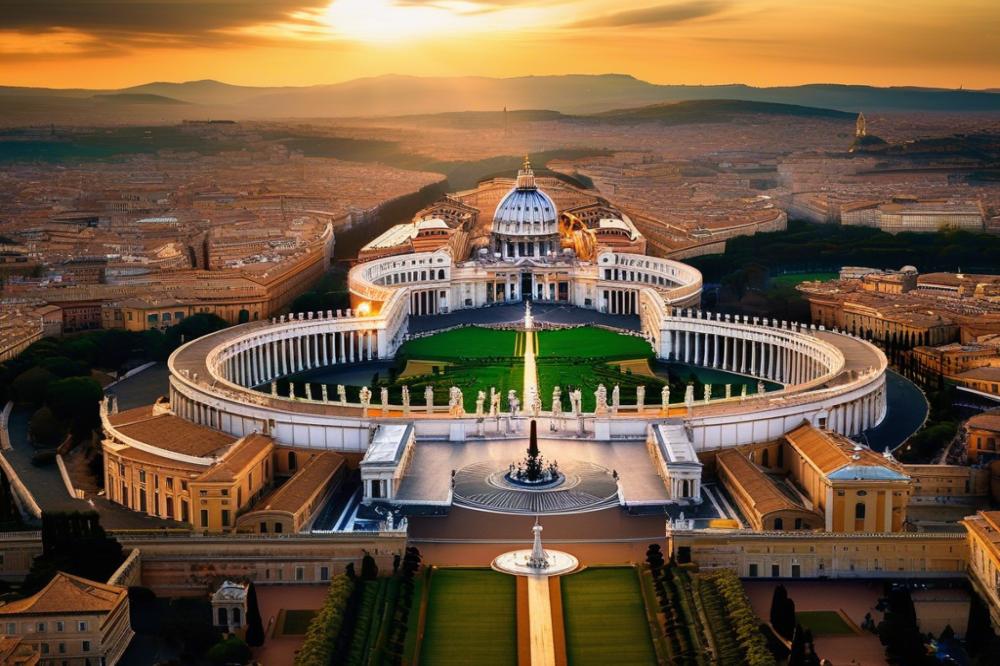
Vatican City as a Cultural Landmark
Located within Rome, Vatican City stands as a major cultural landmark. Visitors from all over the world come to explore its rich history. Its walls enclose a wealth of art and architecture. Beyond being the center of the Catholic Church, it serves as a testament to human creativity. Each corner of this small city tells a story of faith and dedication.
Influence of Renaissance on Art and Architecture
The Renaissance profoundly shaped the artistic direction of Vatican City. Artists like Michelangelo and Raphael created masterpieces that still inspire awe. Their works reflect a time when art was deeply intertwined with spirituality. This period marked a rebirth of classical ideas along with new innovations. Churches and buildings were redesigned with grandeur and beauty. The Sistine Chapel ceiling, painted by Michelangelo, illustrates this unmatched artistry and its historical significance.
Importance of Vatican Museums in Preserving Religious Heritage
Art is a powerful medium for preserving religious heritage. The Vatican Museums play a crucial role in safeguarding centuries of history and faith. Within their vast halls, countless artifacts tell the stories of the Catholic Church. The Vatican art collection is impressive, encompassing works from various epochs. Tours give visitors a glimpse into this diverse assembly of sacred art. Detailed visitor information helps guests navigate through the treasures that await them. Engaging with this rich heritage allows for a deeper appreciation of cultural landmarks.
Final Thoughts on the Vatican’s Treasures
The Vatican Museums and the Sistine Chapel stand as monumental achievements in art and history. They carry the weight of centuries, offering insight into the cultural heritage of humanity. Visitors walk through halls rich with masterpieces that inspire awe and admiration. Michelangelo’s breathtaking ceiling alone captivates millions each year. Experiencing these treasures can change perspectives and ignite passion for the arts.
Exploring this remarkable collection is more than just a sightseeing trip. Each corner holds a story, and every painting reflects the greatness of past civilizations. People come to witness not only beauty but also the depth of human creativity. It’s vital to appreciate the effort made to preserve this cultural treasure. Every ticket purchased contributes to the ongoing care of priceless works.
Tourism profoundly impacts Vatican City. The influx of visitors helps maintain the sites, allowing generations to appreciate them. It also fosters a deeper understanding of art and history among those who visit. Engaging with the beauty of the Vatican is an invitation to learn and grow.
In conclusion, make plans to explore the Vatican Museums and the Sistine Chapel. They promise an experience unlike any other, one that will linger in your memory. Don’t miss the chance to be part of this extraordinary journey through time and art.

