

Discovering the fauna of Italy’s Historic olive groves
Overview of Italy’s Historic olive groves
Italy is renowned for its picturesque landscapes and rich agricultural history. Among its treasures, the olive trees stand out, creating sprawling groves that have existed for centuries. These trees are integral to the country’s heritage, serving as symbols of Italian culture and agriculture. Beyond their economic value, these historic sites provide a vital habitat for numerous species.
Importance of biodiversity in Ecosystems
Biodiversity plays a crucial role in maintaining healthy ecosystems. Diverse plant and animal life contribute to the resilience of natural habitats. Healthy ecosystems provide essential services, such as pollination, pest control, and nutrient cycling. In Mediterranean regions, like Italy, the unique climate further supports a wide range of species. This diversity not only enhances ecological balance but also enriches the human experience of nature.
Connection Between Olive Groves and Local Wildlife
Olive groves serve as a valuable wildlife habitat. Many animals find shelter and food within these landscapes, fostering a unique connection between agriculture and nature. Some birds, insects, and mammals thrive in these areas, reliant on the flora and the resources it offers. Sustainable practices in agriculture benefit both crops and the faunal communities they support. Through conservation efforts, there is greater awareness of the need to protect Italy’s wildlife and its habitats. Preserving these olive groves aids in maintaining a balanced ecosystem and supports the rich biodiversity that characterizes Italy wildlife.
The Ecosystems of Olive Groves
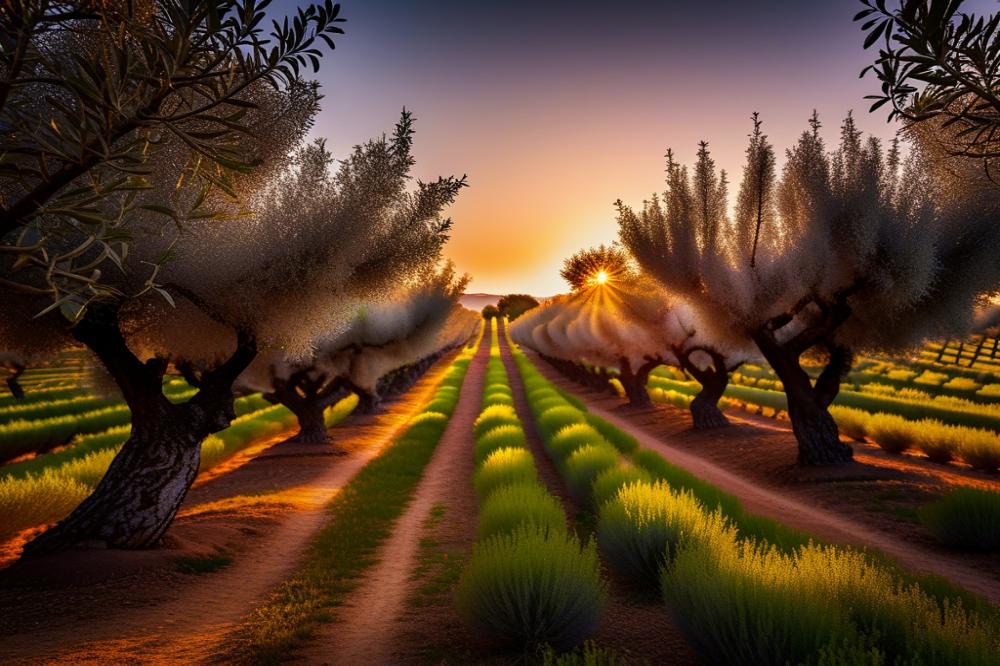
Olive groves create rich ecosystems that host a variety of life forms. These landscapes thrive under the warm Mediterranean sun and are characterized by rolling hills, rocky terrains, and well-drained soils. Olive trees form the backbone of these habitats, providing both food and shelter for many species.
Biodiversity flourishes among the ancient trunks of these trees. Numerous insects, birds, and small mammals make their homes in this wildlife habitat. The leaves, fruits, and flowers of the olive trees support various forms of flora and fauna, making these areas vital for conservation efforts. Insects, for instance, are essential pollinators that help maintain the health of the ecosystem.
Interactions between flora and fauna play a crucial role in these areas. Birds often feed on olives and help disperse the seeds, aiding in their growth. Meanwhile, small mammals, like hares and foxes, navigate the underbrush searching for food. These creatures contribute to a balanced environment where each organism, big or small, has a specific role.
Sustainable agricultural practices are becoming more crucial in maintaining the ecological integrity of these ecosystems. Farmers increasingly recognize the importance of caring for their land in ways that promote biodiversity. Techniques like organic farming not only produce olives but also protect the complex web of life that depends on these trees.
Wildlife in Italy’s Olive Groves

Italy’s historic landscapes are more than just beautiful scenery; they are vibrant ecosystems filled with diverse fauna. Birds often flock to these areas, looking for food and shelter. Species like the European bee-eater and the Eurasian hoopoe can be spotted among the olive trees. Small mammals also thrive here. Rabbits and hedgehogs, for example, find safe burrows, creating a balanced wildlife habitat. These creatures play a crucial role in the local biodiversity.
Common Fauna Found in Olive Groves
A variety of animals make their home in this Mediterranean environment. Insects, such as bees and butterflies, pollinate the trees. Their presence is vital for both agriculture and the health of the ecosystem. Reptiles like the common lizard benefit from the warm, sunlit areas found within the groves. Each species contributes to the intricate web of life that characterizes these regions.
Impact of Olive Groves on Wildlife Habitats
Farming practices influence wildlife habitats significantly. When farmers adopt sustainable practices, they help preserve the ecological balance. The olive trees provide shade and protection, creating ideal spots for many creatures. Conversely, intensive agriculture can disrupt these habitats. Clearing land or using harsh chemicals can harm delicate wildlife populations. Thus, responsible farming is essential for maintaining the biodiversity of these areas.
Unique Species Associated with Mediterranean Landscapes
The Mediterranean climate nurtures certain species that are perfectly adapted to these conditions. Lesser-known creatures, like the Italian wall lizard, thrive among the rocky areas near olive groves. Additionally, some rare birds find refuge here, drawing the interest of conservationists. Protecting these unique species is vital as human activity continues to encroach on their habitats. Understanding the relationship between agriculture and fauna leads to better conservation efforts for future generations.
Sustainable Practices in Olive Grove Agriculture

Overview of Sustainable Agricultural Practices
Sustainable agricultural practices are essential for maintaining healthy ecosystems. Farmers in Italy have adopted methods that respect the natural environment while growing olive trees. Techniques like crop rotation, cover cropping, and organic fertilization help improve soil quality. Reduced chemical use is another significant step. By limiting pesticides and fertilizers, farmers safeguard both human health and the surrounding wildlife habitat. It’s about finding a balance between productivity and environmental care.
Benefits of Conservation Efforts in Olive Environments
Conservation efforts in Mediterranean climates create many benefits. These practices not only protect local flora but also enhance biodiversity. Healthy olive groves can support a variety of fauna, from small birds to bigger mammals. Lowering pollution levels in agricultural regions promotes richer ecosystems. Wildlife thrives when farmers focus on conservation. Tourists and nature lovers are often drawn to these vibrant landscapes. More visitors can lead to economic benefits as well.
Case Studies of Successful Sustainable Olive Farming
Several farms in Italy exemplify successful sustainable practices. One such farm incorporates traditional methods with modern technology. They use solar panels to reduce reliance on fossil fuels. Another farm integrates livestock into their olive cultivation. Grazing animals help manage weeds naturally, providing manure and improving soil structure. Farmers work to establish partnerships with local conservation groups. These collaborations result in enhanced wildlife habitat and healthier olive trees. Each case shows how sustainable agriculture can advance both farm productivity and environmental stewardship.
Conservation Efforts and Biodiversity Protection

Importance of conserving olive grove habitats
Protecting the habitats of olive trees is vital for preserving Italy’s rich biodiversity. These environments support a variety of flora and fauna unique to the Mediterranean. Ancient olive groves serve as key wildlife habitats, giving shelter to birds, insects, and small mammals. Healthy ecosystems depend on the interconnectedness of all living things. If these areas diminish, many species face risks of disappearance.
Through conservation, bolstering wildlife populations
Conservation efforts aim to restore and maintain healthy wildlife populations. By safeguarding natural habitats, conservationists help sustain the delicate balance within local ecosystems. Many organizations focus on reducing habitat loss caused by modern agriculture. Innovative strategies support sustainable practices that benefit both wildlife and farmers. A thriving fauna relies on the availability of diverse ecosystems, which is directly impacted by how humans manage land.
Community involvement in conservation initiatives
Local communities play a crucial role in conservation initiatives. Their participation can amplify the impact of efforts aimed at protecting biodiversity. By engaging in educational programs, residents learn the importance of maintaining their environmental heritage. Collaborative projects foster a sense of responsibility towards the landscape. As people work together, they create stronger connections to the land and its wildlife. Environmental stewardship often begins at the community level, illustrating how collective action drives positive change.
The Cultural and Historical Significance of Olive Groves
Historical Context of Olive Cultivation in Italy
The cultivation of olive trees in Italy dates back thousands of years. Ancient civilizations recognized the value of this crop. Olive oil became a staple for cooking and trade. Archaeological sites reveal how integral these groves were to early economies. Romans expanded the production of olives across the Mediterranean. Their methods of cultivation set the groundwork for modern agriculture.
Impact on Local Culture and Cuisine
Cuisine in Italy heavily features olives and their oil. Meals are often enhanced by the rich flavor of olive oil. Traditional recipes showcase its versatility. Festivals celebrating the harvest bring communities together. Locals share stories and recipes, passing down their culinary heritage. This engagement nurtures a sense of belonging. In markets, the sight of vibrant olive oil bottles draws visitors in, a testament to its significance in daily life.
Olive Groves as Heritage Sites and Their Role in Conservation
Not just agricultural spaces, these groves are heritage sites. Their preservation is vital for various reasons. They support biodiversity, acting as wildlife habitats. Numerous species find refuge in these environments. Sustainable practices in olive cultivation also promote environmental health. Efforts are underway to protect these ecosystems for future generations. Conservation initiatives aim to safeguard both flora and fauna in this unique setting. By valuing these spaces, communities can maintain their cultural identity while supporting the environment.
Final Thoughts on Heritage and Wildlife Preservation
Understanding the significance of olive groves goes beyond just appreciating their beauty or the products they yield. These historic landscapes play a vital role in promoting biodiversity. They provide habitat for various species, from birds to insects. Such environments are critical to the ecological balance. People often overlook how connected these groves are to cultural heritage. They represent both a way of life and a refuge for many forms of wildlife.
A call for sustainable practices resonates strongly in today’s conversation about conservation. Engaging in responsible land management can protect the flora and fauna that inhabit these spaces. Simple changes, such as reducing pesticide use or promoting native species, can have a positive impact. Communities can adopt methods that will not only safeguard their environment but also preserve their agricultural traditions. Working together, we can create a future where both nature and cultural heritage thrive hand in hand.
Embracing the relationship between heritage and wildlife is essential. The stories tied to these groves reflect generations of people. Recognizing the connections can inspire care for both nature and community. When we protect these landscapes, we honor their role in our history. By doing so, we also contribute to a healthier planet for future generations. Let’s take action today. Whether through personal choices or community efforts, everyone can play a part in conserving what makes these spaces special.

