
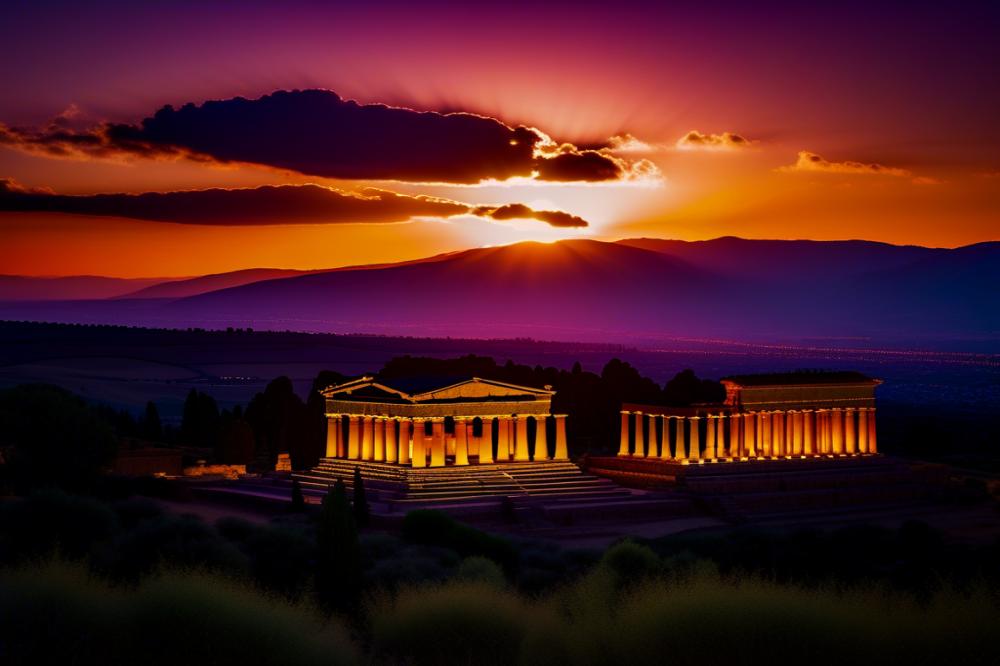
Exploring ancient history at the Valley of the Temples
Sicily is a treasure trove of history, and the Valley of the Temples stands out as a must-visit destination. Located near the modern town of Agrigento, this archaeological site boasts some of the best-preserved Greek temples in the world. The remarkable ruins showcase the brilliance of ancient Greece and the engineering skills of the past.
Designated as a UNESCO World Heritage site, the Valley of the Temples holds immense cultural significance. It is a testament to the rich heritage of the region, drawing visitors who are eager to explore the remnants of Akragas, which flourished between the 6th and 5th centuries B.C. There, intricate Doric architecture reflects the artistic values of the ancient Greeks.
Walking among these historical ruins connects visitors to a time long gone. Each temple tells a story of devotion, craftsmanship, and the complexities of life thousands of years ago. Discovering this vibrant history is essential for anyone interested in understanding Sicily’s past. As tourists roam the site, they experience the glorious achievements of a civilization that has influenced many aspects of modern life today.
Historical Background
Akragas, known today as Agrigento, was founded in 582 BC by Greek settlers from Gela. This city quickly grew into one of the most prosperous centers in Sicily. The strategic location along the south coast provided access to trade routes and resources. As a result, Akragas became a thriving hub in the Mediterranean world. Greek temples, some of the finest examples of Doric architecture, were constructed during this time. These historical ruins stand testament to the city’s wealth and influence.
Ancient Greece played a pivotal role in shaping the culture of this region. The settlers brought with them a rich tradition of art, philosophy, and politics. Greek ideals emphasized beauty, democracy, and civic responsibility, greatly influencing local customs. Festivals and rituals were common, celebrating gods like Zeus and Hera. Public life revolved around these traditions and ceremonies, fostering a strong sense of community among inhabitants.
During its peak in the 5th century BC, Akragas was renowned for its grand structures and urban planning. The city’s layout reflected the ideals of Greek architecture and town design. The temples erected honored deities and served as focal points for worship and gathering. Akragas also flourished culturally and economically. Interactions with neighboring civilizations enriched the local lifestyle and encouraged innovation. This period marked a high point in the history of Sicily, making it a significant area in ancient Greece.
The archaeological site of the Valley of the Temples is now a UNESCO World Heritage site. It preserves the grandeur of Akragas’s past, attracting visitors from around the world. The preservation efforts highlight the cultural significance of this heritage site. Remaining structures, including the Temple of Concordia, reflect the city’s architectural prowess. Walking among these ruins, one can feel the echoes of a vibrant society that once existed. The legacy of Akragas continues to inspire awe and admiration in those who explore its history.
Main Attractions of the Valley of the Temples
The Valley of the Temples in Sicily is a stunning archaeological site that showcases the grandeur of ancient Greece. Visitors can marvel at the impressive Greek temples that have stood the test of time. These historical ruins date back to the city of Akragas, founded in the 6th century BC. Among the most notable structures are the Temple of Concordia and the Temple of Juno.
The Temple of Concordia is considered one of the best-preserved examples of Doric architecture. It was built in the mid-fifth century BC and originally dedicated to the goddess Hera. Its harmonious proportions and strong columns are striking. The temple reflects the artistic excellence of the period and offers insight into Greek religious practices. Sunlight streaming through its columns creates an unforgettable sight.
Next, visitors often admire the Temple of Juno, which holds great cultural significance. This structure was dedicated to Juno, the queen of the gods. The temple stands on a prominent ridge, offering stunning views of the surrounding landscape. The ruins, though not as intact as the Temple of Concordia, still exhibit the distinct features of Doric architecture. Its massive stone blocks give a sense of strength and stability.
Doric architecture is characterized by simplicity and robustness. It features sturdy columns topped with plain capitals. The absence of ornate decorations contrasts sharply with later styles. This architectural choice emphasizes the beauty found in strength and function. The Valley showcases this style beautifully, making it a hit with both tourists and scholars.
As you walk through the site, the remnants of these Greek temples evoke a sense of wonder. They transport visitors back to a time when gods and goddesses were central to daily life. This UNESCO World Heritage site is not just a place for history enthusiasts. It is also a space for anyone interested in the stories of our past. Exploring these temples offers a glimpse into the values and beliefs of ancient societies.
Exploring the Archaeological Site
The Valley of the Temples stands as a testament to the grandeur of ancient Greece. This archaeological site in Sicily is home to several remarkable Greek temples. Built by the city of Akragas, these historical ruins reflect classic Doric architecture. Visitors can wander through this UNESCO World Heritage site and experience the rich cultural significance it offers.
The layout of the site is designed to showcase its magnificent structures. Temples dedicated to gods like Concordia and Hera are positioned in a way that highlights their size and beauty. Pathways connect the various ruins, allowing for an easy exploration of this ancient area. Each temple tells a story of the civilization that once thrived here.
Ongoing excavations continue to yield exciting discoveries. Archaeologists are currently unearthing artifacts that shed light on everyday life in Akragas. These findings help paint a clearer picture of the past. Researchers are dedicated to understanding the site’s historical context, and their work contributes to its preservation.
For those planning a visit, various facilities are available. There are rest areas, gift shops, and informative displays. Guided tours can enhance the experience, making history come to life. Knowledgeable guides share insights that can deepen appreciation for the site. Engaging with their stories sparks curiosity about ancient civilizations.
Education plays a vital role in understanding this heritage site. Schools often take field trips here to inspire students and ignite their interest in archaeology. These visits not only educate but also foster a sense of connection to the past. As a result, the public’s engagement with ancient Greece grows stronger.
Cultural Significance
The Valley of the Temples is more than just an archaeological site. It embodies a rich heritage that deeply influences Sicilian identity. Built during the time of Akragas, these Greek temples showcase a blend of history and culture that has shaped the region for centuries.
Understanding this site offers insights into ancient Greece. Doric architecture can be seen in its grandeur. These historical ruins demonstrate the artistry and engineering skills of the ancient Greeks. They not only highlight the aesthetic values of the time but also reflect the social and religious practices of the people.
Modern Sicilian culture is also connected to this storied past. Festivals, local customs, and arts often draw inspiration from the values of those ancient civilizations. Traditions can echo elements of rituals once performed in these temples, bridging past and present.
A UNESCO World Heritage site, it attracts scholars and tourists alike. Each visitor gains a glimpse into the lives of those who walked these lands thousands of years ago. This connection fosters a sense of pride among locals, reinforcing their cultural narrative and identity.
The site serves as a testament to resilience and continuity. Sicilians take pride in preserving this breathtaking landmark. It is not merely a collection of old stones; it is a living piece of history that continues to influence and inspire.
Things to See and Do Nearby
Visitors to the Valley of the Temples can expand their exploration by venturing into nearby towns and cultural sites. The surroundings offer many attractions that highlight Sicily’s rich history and vibrant heritage. Just a short drive away lies Agrigento, a charming town filled with historical ruins that complement the nearby archaeological site.
Exploring Nearby Towns and Cultural Sites
Agrigento deserves attention for its historic architecture and picturesque streets. The town’s museums hold artifacts that reveal stories from ancient Greece. A trip to the Regional Archaeological Museum is a must. The museum showcases stunning exhibits that provide insight into the area’s past and its cultural significance. Nearby, the Scala dei Turchi features mesmerizing white cliffs. These cliffs, while not from ancient times, attract many visitors for their dramatic beauty and perfect photo opportunities.
Local Cuisine and Experiences Unique to Sicily
Culinary experiences in the area are exceptional. Fresh seafood and local produce are staples in Sicilian cuisine. Restaurants serve up traditional dishes that reflect the region’s agricultural heritage. Don’t miss the chance to try Arancini, rice balls that are stuffed and fried, or Cannoli, a delightful pastry filled with sweet ricotta. Markets in Agrigento buzz with energy, offering fresh ingredients and local delicacies. Visitors can sample olive oils and wines that boast unique flavors from the area.
Furthermore, Sicilian street food culture is an experience unto itself. Street vendors offer a variety of snacks and meals that highlight flavors unique to the island. Eating at these local spots allows travelers to savor authentic dishes while mingling with locals. Engaging with the culture in this way can make for a memorable visit. Planning a day to roam around these nearby attractions can enrich your experience. The historical significance of the surroundings combined with delightful local flavors will ensure a fulfilling journey while enjoying the beauty of Sicily.
Final Thoughts on the Valley of the Temples
The Valley of the Temples stands out as a must-visit heritage site in Sicily. With its stunning Greek temples, visitors can step back in time to explore the grandeur of ancient Akragas. This archaeological site is more than just ruins; it is a gateway into a rich cultural legacy left by the Greeks. Walking among the remnants of these magnificent structures allows one to connect with a history that shaped the Mediterranean world.
Engaging with ancient history while visiting is incredibly rewarding. Each temple tells a story, and every stone carries whispers of the past. Observing the architecture, it’s easy to marvel at the skill and ambition of those who built these wonders thousands of years ago. Allow yourself to imagine the vibrant life that once filled this space, where festivals, ceremonies, and daily activities took place.
To truly appreciate the impact of Akragas on our modern culture, tourists should take their time. Consider joining guided tours to gain deeper insights into the significance of each structure. The blend of nature and history creates a reflective environment, perfect for contemplation. Witnessing the sunsets behind the temples can be an inspiring experience, reinforcing the idea that history is not just to be observed but felt.
Visiting this site fosters a sense of connection to the broader narrative of human achievement. As you stroll through the ancient pathways, remember the values and beliefs that guided those who came before us. Understanding these connections enriches our own lives today. Thus, consider the lessons of the past and the beauty of this historical treasure. Enjoy every moment spent in this remarkable location.

