
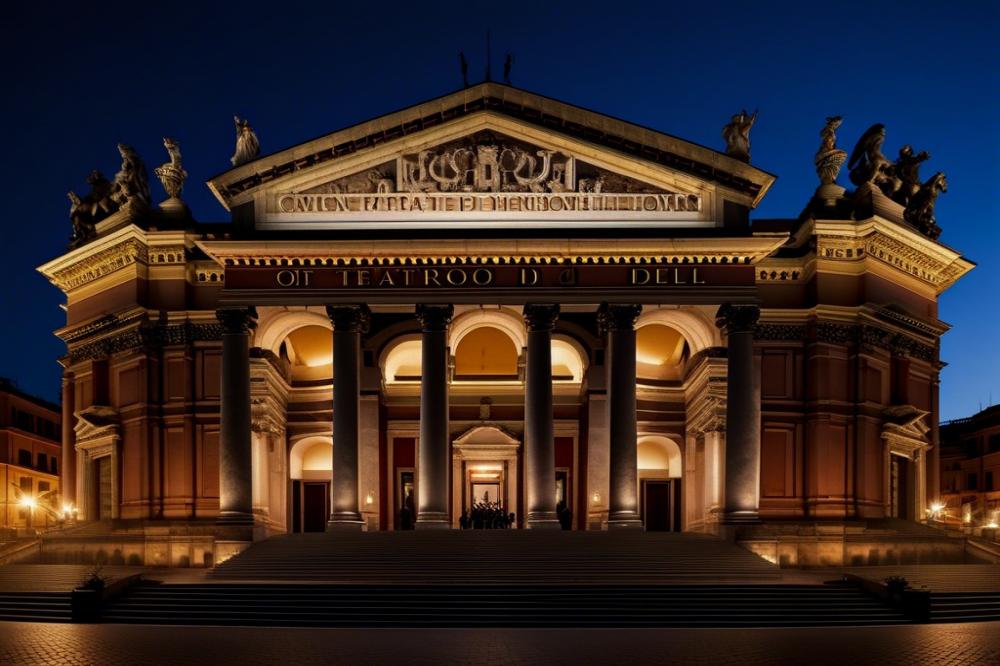
Teatro dell’Opera di Roma: The Heart of Roman Opera
The Teatro dell’Opera di Roma stands as a monumental symbol within Italy’s rich landscape of opera houses. This venue is more than just a place to enjoy a performance; it embodies the very essence of the nation’s artistic history. Located in the bustling city of Rome, its significance extends beyond local borders, influencing both national and international opera scenes. Each production brings together a world-class operatic repertoire that continues to attract audiences from all over the globe.
With its stunning venue architecture, the theater offers a delightful experience to anyone who steps inside. The blend of classical music and powerful performances resonates within its walls, creating an unforgettable atmosphere. For many, attending an opera here is a rite of passage, a chance to witness the magic of live performance in a city steeped in cultural heritage. Tours of the building reveal its grandeur, giving visitors insights into its storied past and vibrant future.
Ticket information is readily available for those looking to immerse themselves in the world of Roman Opera. The theater frequently showcases performances that highlight both traditional and contemporary works, appealing to a diverse audience. As new generations discover this art form, the Teatro dell’Opera di Roma remains a cornerstone of musical expression. Truly, this venue captures the spirit of the operatic tradition in a manner that few others can match.
The History of Teatro dell’Opera di Roma
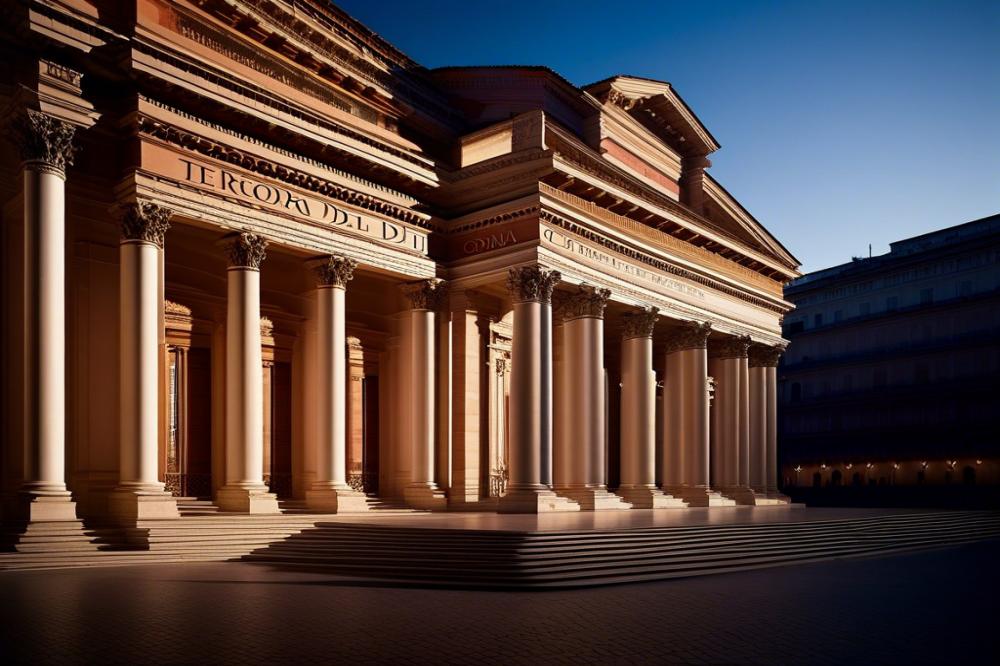
Foundation and establishment in the early 19th century
In 1880, the opera house opened its grand doors to the public. Founded to celebrate the rich musical tradition of Italy, Teatro dell’Opera di Roma quickly became a central point for opera lovers. Early performances featured well-known composers and exciting operatic repertoire. The architecture of the venue added to its charm, making it a desirable location for both performers and audiences. Throughout its formative years, the stage became a home for classical music in the heart of Rome.
Evolution through the decades and its role in the cultural heritage of Italy
Over time, the venue matured, reflecting changes in artistic direction and audience tastes. The theater embraced both traditional pieces and modern works, broadening its appeal. As decades passed, it played a critical role in shaping the cultural heritage of Italy. Such diversity helped sustain an active engagement with the operatic world. The theater also survived difficult periods, such as wars and economic challenges, emerging with renewed vigor each time.
Influential figures in its artistic history
Many renowned conductors and composers left their mark on this iconic venue. Names like Toscanini and Puccini are often associated with memorable performances. Great singers have graced its stage, captivating audiences with their talent. Each artist contributed uniquely to the theater’s ongoing legacy. Ticket information for performances reflects this rich history, showcasing a blend of classic and contemporary works. Guided tours unveil behind-the-scenes details, enhancing the experience for visitors. Throughout its existence, the theater has remained a beacon of artistic history and a testament to the enduring love for opera in Italy.
Architectural Marvel
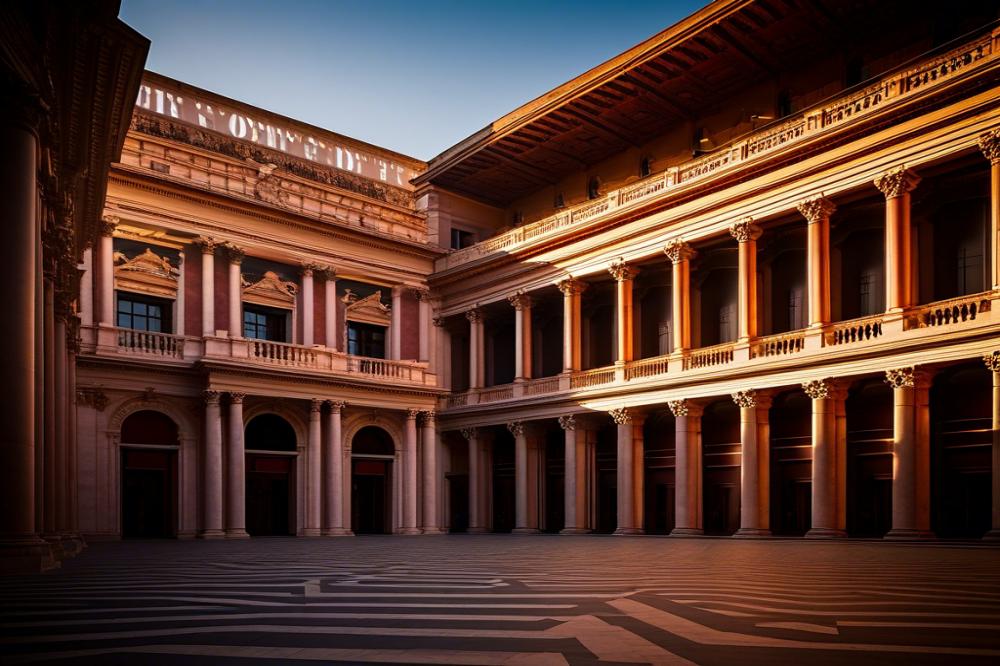
Teatro dell’Opera di Roma stands as an impressive architectural masterpiece in the heart of Rome. The building showcases a blend of neoclassical and modern design elements, creating a striking silhouette on the city’s skyline. Its grand facade, adorned with intricate sculptures and detailed columns, reflects the opulence of classical music. Visitors often marvel at the stunning interior, which features a lavish auditorium with rich upholstery and ornate chandeliers that create a mesmerizing atmosphere for performances.
Significance lies in how this opera house contributes to Rome’s broader cultural heritage. It is not just a venue for shows; it is a vital part of the city’s artistic history. The theater houses a diverse operatic repertoire, hosting acclaimed productions that attract audiences from around the world. Locals and tourists alike flock to experience the magic of live performances in such a historically important location.
Through the years, renovations have played a crucial role in maintaining the venue’s appeal while honoring its past. Modern upgrades enhance the audience experience without compromising historical integrity. Recent efforts focus on improving acoustics and accessibility, making sure everyone can enjoy the beauty of operatic art. Guided tours offer insights into the venue architecture, allowing visitors to appreciate its detailed craftsmanship and learn about its storied history.
For those interested in attending a performance, ticket information is readily available. The opera house not only serves as a performance space but also as a cultural hub that connects classical music with contemporary audiences. This blend helps to sustain the vibrant cultural landscape of Rome. Each act performed here resonates with the city’s artistic spirit, ensuring that the legacy of the Teatro dell’Opera di Roma continues for generations to come.
Cultural Impact
The Teatro dell’Opera di Roma stands as a beacon of classical music and opera in the region. Its influence extends beyond performances, shaping the cultural landscape of Rome. The opera house is a vital part of the city’s cultural heritage, where history and art intertwine. As a venue, it hosts a wide range of operatic repertoire. Audiences can enjoy both traditional works and modern compositions, reflecting diverse artistic styles.
Many famous composers have made their mark here. Their works resonate within the ornate interior, creating unforgettable experiences for visitors. The commitment to presenting a rich array of performances plays a crucial role in preserving operatic traditions. Yet, there is also space for contemporary pieces, ensuring that the art form evolves. This balance attracts varied audiences, from opera aficionados to curious newcomers.
Ticket information is readily available for those wishing to immerse themselves in this world of music. Each performance offers a chance to witness something extraordinary. Guided tours of the venue reveal its striking architecture and fascinating backstory. Visitors learn about the opera house’s artistic history and its role in the creation of memorable productions.
Rome’s vibrant culture is echoed in the opera house. It serves not only as an entertainment venue but also as a hub for artistic endeavor. This unique blend of history and modernity captivates all who enter. Operas performed here are often complemented by stunning stage designs and powerful vocal performances. These elements work together to create a full-bodied experience that resonates deeply with the audience.
Visitor Experience
Visiting the Teatro dell’Opera di Roma offers a chance to step into a world of classical music and rich cultural heritage. Ticket information is crucial for planning your visit. The prices vary based on seating options and the performance itself. Discounted tickets are available for students and seniors. Keep an eye out for special offers that might apply during your visit.
Guided Tours
Guided tours provide a fantastic way to explore the opulent venue architecture. Guests can learn about the artistic history of this iconic opera house. Tour guides share stories from the operatic repertoire that have graced the stage over the years. These tours often include access to backstage areas, offering a peek into the behind-the-scenes magic. Make sure to book these tours in advance to secure your spot.
Tips for Your Visit
To make the most of your experience at the opera house, arrive early. This allows time to admire the beautiful interiors and absorb the atmosphere. Dress elegantly, fitting the occasion. Check the performance schedule beforehand; some shows feature renowned artists or special premieres. Engaging with fellow attendees can enhance your experience. Discussing the performance afterward can lead to insightful conversations. Be mindful of the performance etiquette, as silence during the show is appreciated.
Final Thoughts on Teatro dell’Opera di Roma
The Teatro dell’Opera di Roma stands as a pillar in the world of opera. It offers a space where artists and audiences come together to experience the magic of performance. This opera house has played a crucial role in shaping Italian music and theatrical traditions. Both historic and modern productions provide a glimpse into the evolution of this art form.
Reflection on its legacy reveals a rich tapestry of artistic innovation and community engagement. Generations of talented performers have graced its stage, leaving their mark on the fabric of Rome’s cultural heritage. Each performance not only entertains but educates audiences about the depth of operatic storytelling.
In looking towards the future, the institution must navigate the changing landscape of arts and entertainment. Investing in new programming and outreach efforts will be essential. Young talent deserves a platform to shine, ensuring the art form continues to flourish. By adapting to contemporary tastes while honoring tradition, the opera house can remain relevant for years to come.
The connection between this venue and the city of Rome is undeniable. It serves as a beacon for artists worldwide. Overall, the Teatro dell’Opera di Roma will continue to be a cornerstone in the artistic community, sparking inspiration and fostering creativity. Its journey has been remarkable, but the best chapters are yet to be written.

