
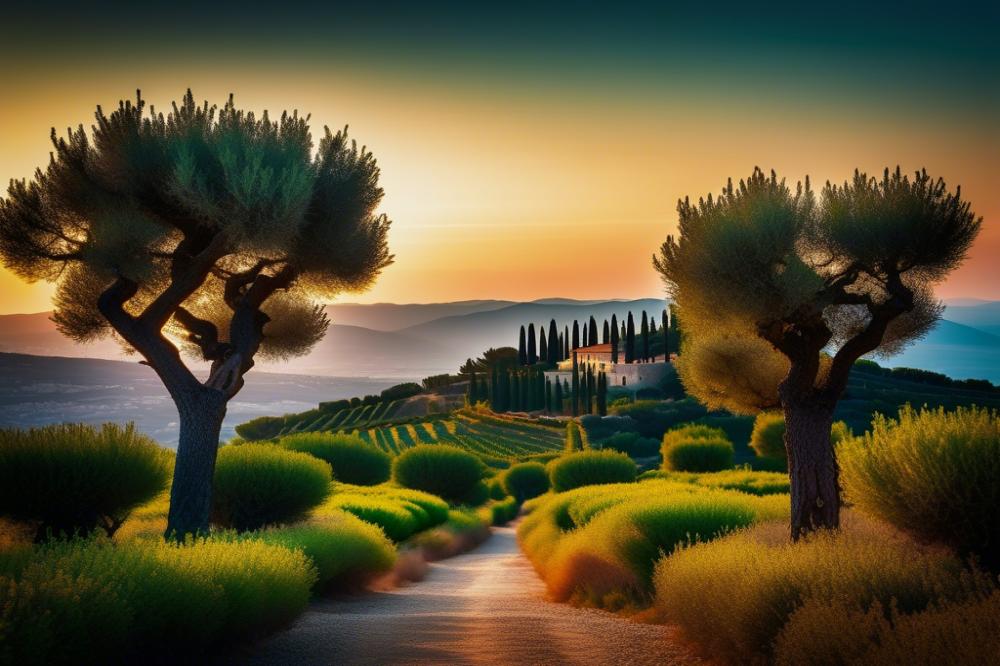
Exploring the flora-and-fauna-of-Italy-s-national-parks”>Mediterranean vegetation of Italy
The Mediterranean region is known for its distinctive flora and vibrant ecosystems. Italy, a country situated at the heart of this area, showcases a remarkable variety of plant life. Visitors to its sun-kissed shores experience landscapes rich in natural beauty. This diversity includes everything from rolling hills adorned with olive trees to breathtaking coastal habitats that provide refuge for numerous species.
Understanding the importance of these ecosystems is crucial. They offer not only aesthetic pleasure but also vital resources for local communities. The Mediterranean vegetation plays a key role in sustaining wildlife. Many animals depend on the unique maquis shrubland for shelter and food. These thick patches of shrubs and small trees create a flourishing environment that thrives in the warm, dry climate of the region.
Biodiversity in Italy is incredibly high, making it a crucial area for preservation efforts. The varying climates across the country lead to a wide range of landscapes, each with its own unique ecological characteristics. From rugged mountains to serene coastlines, each environment houses its own collection of flora. Conservation initiatives are increasingly important as human activities threaten these delicate systems. Protecting these natural habitats is essential for maintaining the balance of life within them.
Exploring Italy’s Mediterranean regions reveals not only the beauty of nature but also the interconnectedness of life. Rich landscapes tell stories of resilience and adaptation in the face of environmental challenges. The flourishing ecosystems reflect the intricate relationship between people and their surroundings. As we delve deeper, a greater appreciation for this natural world unfolds.
Understanding Mediterranean Vegetation

Mediterranean vegetation is defined by its distinct characteristics. This type of flora thrives in regions where summers are hot and dry, while winters are mild and wet. Plants often adapt to conserve water, leading to unique forms and structures. Many species exhibit features such as thick, waxy leaves or deep root systems. These adaptations help them survive during long dry spells.
The climate plays a critical role in determining the types of vegetation found in a region. In Italy, the Mediterranean climate creates a rich tapestry of ecosystems. Rainfall occurs primarily in the winter months, which influences plant growth. The warm temperatures and long growing seasons allow various species to flourish. These conditions support diverse landscapes, from coastal habitats to rugged hills.
Among the notable vegetation types in Italy are maquis shrubland and forests of olive trees. Maquis consists of dense shrubs and small trees, providing important habitats for wildlife. Olive trees, iconic to the region, are essential for both biodiversity and agriculture. These plants are well-adapted to the specific climate, making them integral to the landscape and culture.
The Mediterranean climate shapes ecosystems in profound ways. It influences soil characteristics, moisture availability, and overall biodiversity. Interactions among the flora and fauna create a balanced environment where various species can thrive. However, these ecosystems face threats from climate change and urban development. Conservation efforts are vital to protect these fragile habitats.
Diverse Flora of Italy’s Mediterranean Regions

Italy’s Mediterranean regions are a treasure trove of biodiversity. A variety of plant species thrive in these warm climates and diverse landscapes. Among the most iconic is the olive tree. Known for its gnarled trunks and silvery leaves, this tree is central to Italian culture and cuisine. It plays a vital role in local agriculture, producing olives for oil and food.
Another significant component of Italy’s flora is the maquis shrubland. This unique ecosystem consists of dense, evergreen shrubs and is adapted to the Mediterranean climate. Maquis covers large areas along the coastline, providing essential habitats for various animals and insects. The bushy landscape offers shelter and food, helping to maintain ecological balance.
Plants in coastal habitats have remarkable adaptations to survive. Many have waxy leaves that minimize water loss, crucial for thriving in dry conditions. Others, like the sea daisy, exhibit salt tolerance. Such plants withstand harsh winds and high salinity, highlighting their resilience. These adaptations not only help individual species but also bolster overall ecosystem health.
Conservation efforts in these regions are crucial. Protecting these habitats ensures the survival of diverse plant life. It also preserves the delicate balance within the ecosystem. By defending these landscapes, Italy maintains the intricate web of life that has flourished for centuries. This stewardship is essential for future generations to enjoy the rich flora that defines the Italian Mediterranean.
Biodiversity and Ecosystems

Interaction between flora and fauna in Italy’s Mediterranean landscapes creates a rich tapestry of life. This region supports various plant species, such as olive trees and herbs, forming habitats that provide shelter and food for wildlife. Animals, in turn, play a crucial role in pollination and seed dispersal, fostering growth within these ecosystems.
Maintaining biodiversity is essential for the stability of these environments. A diverse range of species helps ecosystems cope with changes brought by climate variations and human activities. Healthy populations of both flora and fauna allow ecosystems to function efficiently, ensuring the survival of numerous species, many of which are endemic to this region.
Wildlife thrives in different Mediterranean habitats. For instance, the maquis shrubland presents a vibrant home for birds, insects, and small mammals. Coastal habitats also host a variety of marine life, while providing nesting ground for seabirds. Some unique animals, including the peregrine falcon and sea turtles, depend on these areas for their survival.
In this dynamic environment, every species plays its part in a larger scheme. Insects pollinate flowers, while larger animals maintain the balance of the food web. These complex relationships within ecosystems highlight the importance of conservation efforts. Protecting the flora and fauna is not just about saving individual species; it is about preserving the intricate connections that sustain life in the Mediterranean.
Landscapes Shaped by Mediterranean Vegetation

Italy’s Mediterranean regions exhibit a mosaic of stunning landscapes. These areas vary greatly from coastal cliffs to rolling hills adorned with olive trees. Each scene tells a story shaped by natural elements and human influence. The climate in these regions plays a crucial role in defining what grows there. Warm summers and mild winters support diverse ecosystems.
Vegetation acts like a sculptor, molding the land and influencing local biodiversity. Dense maquis shrubland thrives in rocky terrain, often dotted with aromatic herbs and colorful flowers. This type of flora creates a unique habitat for many species, which depend on it for survival. Coastal habitats are essential for both wildlife and the local economy. Вeaches and wetlands teem with life, from birds to marine creatures.
Significant landscapes crown the Italian coast. The Amalfi Coast, with its steep cliffs and vibrant terraced gardens, is iconic. People flock to this region, drawn by its beauty and rich culture. Along the cliffs, gnarled olive trees reveal stories of resilience. They withstand harsh winds and salt from the sea, standing testament to nature’s determination.
Another remarkable area is the island of Sardinia. Here, the mix of white sandy beaches and rugged mountains showcases Italy’s varied beauty. The lagoons near Oristano are home to flamingos, highlighting the region’s rich biodiversity. Conservation efforts aim to protect these delicate ecosystems, ensuring they survive for future generations.
Mediterranean scrubland creates an ever-changing canvas. During spring, the landscape bursts with color as flowers bloom. Summer brings a dry heat, transforming these lands into golden hues. Wildlife adapts to these shifts, creating a dynamic relationship with their environment. Observing nature’s cycles here is a reminder of life’s ongoing rhythms.
Coastal landscapes invite exploration. The rocky shores of Cinque Terre boast stunning views and charming villages nestled among cliffs. Each village offers a glimpse into the rich cultural heritage of the region. Visitors often stroll along scenic paths lined with grapevines, enjoying the bountiful produce this land provides.
In each corner of Italy, the interplay between vegetation and land defines character. The beauty of these regions lies not only in their stunning vistas but also in the diversity housed within. As we explore further, the importance of preserving these environments becomes ever clearer.
Conservation and Future Challenges
The Mediterranean region boasts a rich variety of flora and fauna. However, several threats endanger this biodiversity. Urbanization continues to expand, consuming valuable coastal habitats and disrupting local ecosystems. Agricultural practices often require heavy use of pesticides and fertilizers, which can harm native species. Invasive species also pose a serious risk, competing with local plants like olive trees for resources. These challenges have led to significant declines in habitats such as maquis shrubland.
Conservation efforts strive to address these issues. Numerous organizations work to protect important areas through the establishment of national parks and reserves. Restoration projects aim to revive damaged ecosystems, focusing on replanting native species. Collaborative efforts involve local communities, which can increase awareness and support. Education programs help inform the public about the importance of preserving the region’s biodiversity.
Sustainable practices play a crucial role in maintaining diverse landscapes. Organic farming allows for healthier soil and promotes the health of surrounding ecosystems. Encouraging responsible tourism can help protect natural areas while still attracting visitors. Community-based initiatives can also empower residents to take an active role in conservation. By taking these steps, people can help safeguard the unique characteristics of the Mediterranean and its ecosystems.
Final Thoughts on Italy’s Natural Heritage
Mediterranean vegetation holds a vital role in Italy’s landscape and culture. It has shaped the environment and supported a variety of life forms. Tourists and residents alike admire the distinct beauty of this region. Understanding the importance of these ecosystems is essential for everyone who cares about our planet.
Diverse habitats contribute to a rich tapestry of flora. Hidden within these areas are countless species that thrive in a delicate balance. Each plant and animal plays a part in the larger story of nature’s interconnectedness. Observing this balance can deepen our appreciation for the natural world. It reminds us that human activities can impact these surroundings significantly.
Preservation of this unique environment must be a priority. Local communities and visitors should work together to promote conservation efforts. Simple actions, like participating in clean-up events or supporting eco-friendly tourism, can make a difference. Together, we can help protect this natural heritage for future generations.
In conclusion, let us embrace the beauty and complexity of Italy’s Mediterranean vegetation. A shared commitment to conservation will safeguard these ecosystems. Each of us has a role in cherishing and protecting this remarkable part of our world.

