

The Wildlife of the Alps: Animals Unique to Northern Italy
The Alps stretch across eight countries in Europe, creating majestic landscapes and diverse ecosystems. This mountain range, particularly in Northern Italy, holds immense significance not only for its breathtaking beauty but also for the variety of flora and fauna it supports. Home to towering peaks, deep valleys, and lush meadows, these mountains provide vital habitats for a wide array of life.
Among the regions that make up the Alps, Northern Italy boasts a remarkable range of species. Wildlife here thrives under specific conditions, shaped by the altitude and climate. These mountains are more than impressive scenery; they are delicate ecosystems that harbor numerous wildlife species, some of which are found nowhere else. Visitors often look for these fascinating creatures, seeking to catch glimpses of marmots, chamois, and eagles.
Biodiversity plays a crucial role in maintaining the health of these mountain habitats. Each species contributes to the intricate web of life in the Alps. The unique interactions between plants and animals help to sustain the environment. However, these ecosystems face threats from climate change and human activities. Conservation initiatives are essential in protecting this rich diversity. Preserving these habitats will help Northern Italy animals thrive for future generations.
The importance of conserving the Alpine wildlife cannot be overstated. Protecting habitats means safeguarding numerous species and the ecological balance. In a rapidly changing world, efforts to preserve these ecosystems must be prioritized. Awareness and action are necessary to ensure that the beauty and uniqueness of the Alps endure.
The Unique Ecosystems of the Italian Alps

The Italian Alps boast a variety of mountain habitats, each supporting different types of wildlife. These habitats range from grassy meadows found at lower elevations to rocky cliffs at higher altitudes. Different ecosystems can be seen as you climb higher into the mountains. Each zone provides distinct resources for the fauna that inhabit them. In the temperate valleys, you’ll find dense forests rich in biodiversity. As you ascend, the landscape transforms into alpine meadows bursting with colorful flowers and unique plants.
Altitude and climate play a crucial role in how wildlife is distributed across these regions. Temperature drops as elevation increases, causing the types of species found in each zone to vary dramatically. Animals and plants adapted to lower altitudes often cannot survive the harsh conditions found further up. Conversely, species that thrive in higher altitudes have developed special traits to withstand the cold. For instance, the chamois is often spotted on steep slopes, while the ibex makes its home in craggy mountain areas. Each of these creatures has adapted to the specific environmental challenges of their habitat.
The importance of these ecosystems cannot be overstated. They provide essential habitats for various species, allowing them to thrive in the wild. Many animals, such as the golden eagle and the marmot, rely on the specific conditions found in these mountain regions for hunting or foraging. Seasonal influences, like snow cover and temperature changes, directly impact their behavior and survival. Additionally, these ecosystems serve as important indicators of ecological health. Conservation efforts focus on preserving the delicate balance of these habitats, ensuring that the wildlife continues to flourish.
In Northern Italy, nature’s interconnected web supports life in complex ways. Each species plays a role in maintaining ecosystem stability. From pollinators that help plants reproduce to larger mammals that regulate the population of smaller fauna, all contribute to overall health. Protecting these ecosystems is vital, not just for the wildlife but also for the environment and human well-being. Through these efforts, the unique mountain habitats of the Italian Alps remain a critical haven for biodiversity, a treasure that deserves respect and protection.
Key Species of Alpine wildlife
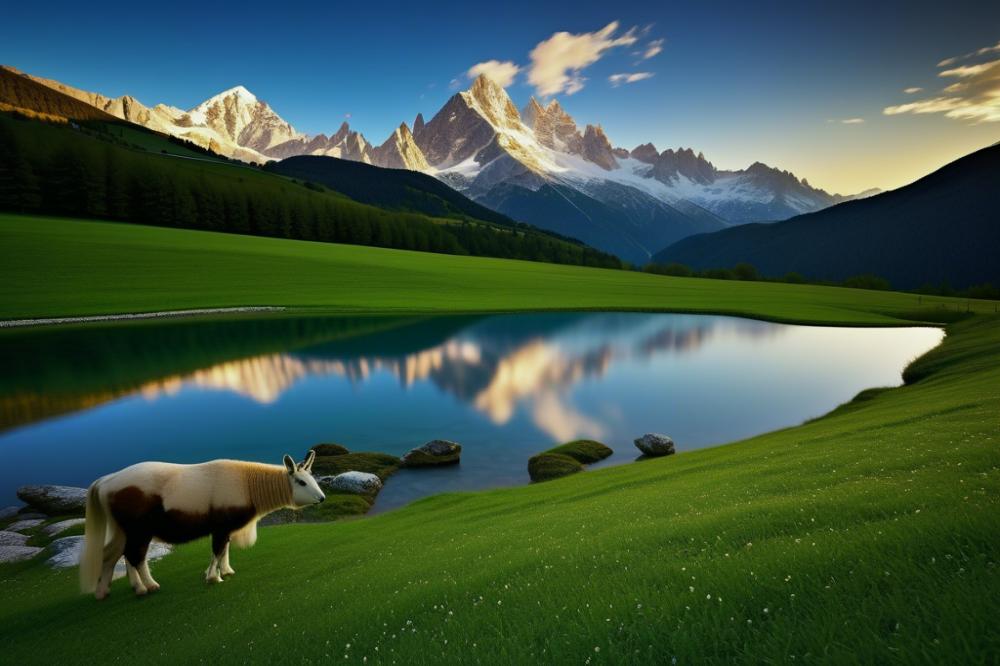
The Alps in Northern Italy are home to an array of endemic species. This region’s biodiversity is remarkable, highlighting the importance of conservation efforts. The unique ecosystems support a diverse range of fauna, adapted to survive in harsh mountain habitats.
Mammals of the Alps
Among the iconic mammals, the Alpine ibex stands out. This amazing goat is known for its impressive curved horns and agility on rocky slopes. Chamois are another remarkable species, easily recognizable by their slender bodies and short, hooked horns. Both animals symbolize the rugged beauty of the Italian Alps.
Avian Life
Birds also flourish in this mountainous wonderland. The golden eagle, a top predator, soars high above the peaks. With its keen eyesight, it hunts small mammals in the alpine meadows. Another interesting bird is the snowfinch, with plumage that blends into the snowy landscape. This little bird thrives at higher altitudes, often seen flitting about in search of seeds.
Reptiles and Amphibians
This region is not just for mammals and birds; it provides habitat for various reptiles and amphibians. The Italian endemic species of salamanders, like the Alpine salamander, thrive in cool, damp environments. Snakes such as the asp viper can also be spotted sunning themselves on warm rocks. Each of these species plays a role in maintaining the delicate balance of these forested ecosystems.
Flora that Supports Alpine Fauna
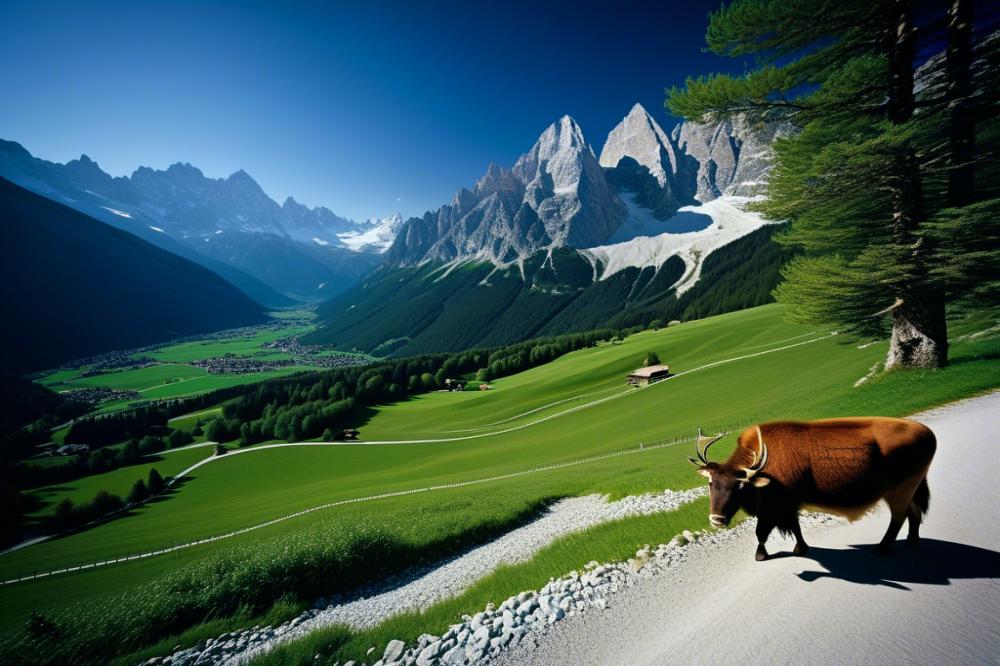
The relationship between native plants and wildlife in the Alps is essential. Each species has evolved alongside the other in these mountain habitats. In Italy’s northern regions, plants thrive amid rocky formations and steep slopes. These plants provide shelter and food to a variety of animals.
Alpine meadows and forests illustrate the complexity of these ecosystems. Wildflowers bloom brightly in summer, attracting insects that play a key role in pollination. Many birds depend on these blossoms for nourishment during their breeding season. Meanwhile, forests offer a different kind of sanctuary for other wildlife. Trees such as pines and larches form a canopy that creates a cooler microclimate. This is especially important for species that struggle in warmer temperatures.
Biodiversity in the Alps is heavily impacted by its flora. High levels of plant variety support numerous animal species. Some ferns provide shelter for small mammals, while flowering plants serve as food sources. Insects feed on nectar, which in turn attracts larger predators. Each organism plays a part in maintaining the delicate balance of nature.
Conservation efforts are vital to protect these ecosystems. As climate change affects local conditions, certain flora are at risk. Loss of specific plants could lead to declines in wildlife populations. This is concerning because every species, no matter how small, contributes significantly to the overall health of its ecosystem. By safeguarding native plants, we can help ensure the future of diverse alpine wildlife.
Conservation Efforts for Alpine Wildlife

Overview of Conservation Programs and Protected Areas in Northern Italy
In Northern Italy, several conservation programs work to protect the diverse ecosystems found in the Alps. Among these, the establishment of national parks plays a crucial role. Parks like Gran Paradiso and Stelvio protect vital mountain habitats and the unique species that reside there. These areas offer refuge for many forms of fauna, preserving not just individual species but also the biodiversity of the entire region. Additionally, local organizations contribute by monitoring wildlife and promoting sustainable practices. They help raise awareness about the importance of preserving nature in the Alps.
Challenges Facing Alpine Wildlife
Habitat loss remains one of the most significant threats to mountain wildlife. Urban expansion and tourism development often encroach on vulnerable habitats. Moreover, climate change exacerbates these issues, altering weather patterns and affecting the delicate balance of local ecosystems. Some species struggle to adapt to rapid changes in temperature and snowfall. Others face increased competition from invasive plants and animals. These challenges put pressure on the rich biodiversity that defines the Alps in Italy.
Role of Local Communities and Organizations in Conservation Efforts
Local communities play an essential role in protecting wildlife. Many people have deep connections to the land and cherish the natural beauty around them. Their traditional knowledge often guides conservation practices. Several grassroots organizations actively engage residents, creating programs to educate them on the importance of preserving ecosystems. Initiatives vary from wildlife monitoring to habitat restoration. Volunteers participate in clean-up efforts and tree planting. This collaborative approach fosters a strong community spirit and engages new generations in conservation activities.
The Cultural Impact of Alpine Wildlife
Relationship Between Local Cultures and Wildlife
Life in the Alps of Italy is deeply influenced by the animals and plants that thrive in the region. Communities have long relied on local fauna for food, materials, and companionship. Many families in these mountain towns share stories about their encounters with different species, connecting their daily lives with the wild. Traditions often celebrate seasonal shifts, marking the arrival of migratory birds or the birth of deer fawns. Over generations, this relationship has fostered a unique identity that is intertwined with the natural environment.
Wildlife in Folklore, Tourism, and Nature Appreciation
Folklore is rich with tales featuring the region’s wildlife. Creatures such as the mighty chamois and elusive marmot find their way into local legends. Businesses capitalize on this connection, with guided tours that highlight wildlife observation as a central attraction. Many tourists come to witness the diverse ecosystems firsthand. Nature appreciation has evolved into a significant part of the tourism experience. Tourists often explore mountain habitats, eager to discover the vibrant fauna. Local festivals often feature themes inspired by these animals, celebrating both culture and nature.
Impact of Biodiversity on Sustainable Tourism in the Region
Biodiversity enriches the alpine environment, supporting both wildlife and people who depend on it. Various species play critical roles in maintaining healthy ecosystems. This dynamic balance encourages sustainable tourism practices that benefit local economies without harming nature. Travel companies increasingly promote eco-friendly tours that respect habitats and wildlife. Visitors are encouraged to embrace responsible behaviors, such as observing animals from a distance. Efforts are made to engage guests in conservation programs, creating a deeper connection to the environment. As awareness grows, communities work together to protect these natural treasures for the next generation.
Protecting the Wildlife of the Alps
The importance of preserving wildlife in the Alps cannot be overstated. These ecosystems are home to various species that face threats from climate change and human activities. Every creature, from the majestic chamois to the elusive lynx, plays a vital role in maintaining the balance of nature. Losing even one can have ripple effects throughout the ecosystem.
Awareness and conservation efforts are crucial now more than ever. People can take steps to help. Supporting local conservation organizations, respecting wildlife habitats, and spreading the word about the beauty of these animals can make a significant difference. Communities must unite to advocate for policies that protect the natural environment. Watching wildlife responsibly can inspire others to appreciate and protect their delicate habitats.
The future of ecosystems in Northern Italy is uncertain. However, with concerted action and dedicated commitment, it is possible to safeguard these unique animals. If we work together, there is hope for thriving populations of the region’s distinctive species. The choices made today will shape the landscape of the Alps for generations to come. Ensuring the survival of these species is not just an obligation; it is a gift we offer to the future.
As the Alps continue to evolve in response to climate change, ongoing research is essential. Understanding how these changes impact wildlife can guide effective conservation strategies. With the right actions, the stunning animals of this region can continue to roam the mountains and valleys of Italy, enriching the lives of all who visit.

