
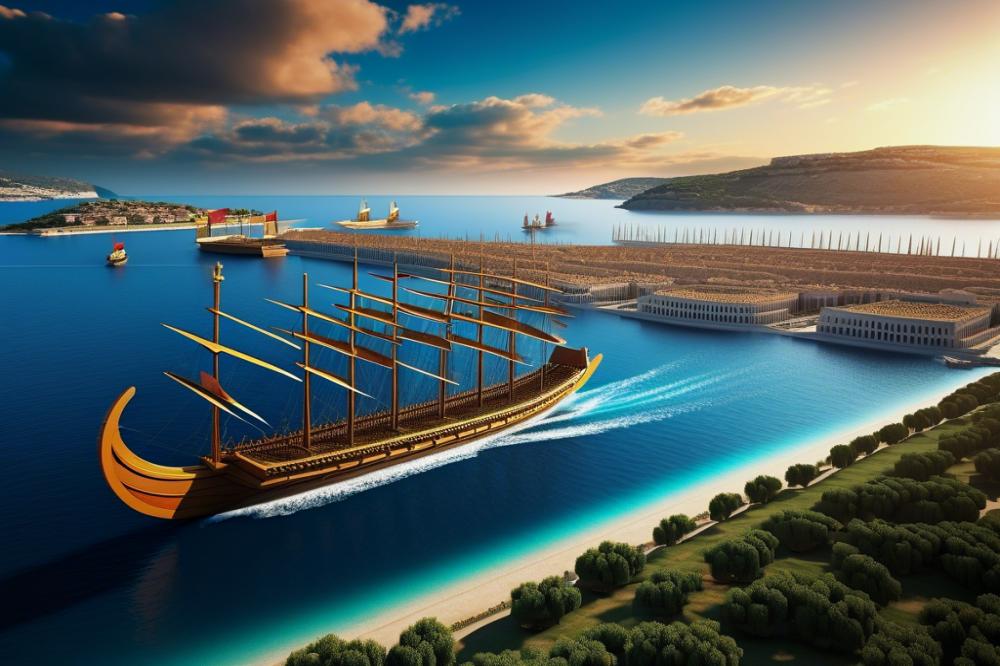
From the Tiber to the Aegean: Key Naval Battles and Roman Fleet Movements
The Roman Empire’s naval power played a transformative role in its expansion and control. While often overshadowed by its famed legions, Rome’s fleets were crucial for protecting trade routes and territorial waters. Great naval battles helped shape the course of history. Understanding these engagements sheds light on the complexities and strategies of Roman military tactics.
Naval engagements were not mere skirmishes; they were decisive moments that could alter the fate of regions. The control of the Mediterranean was vital for trade and communication. Winning key battles allowed Rome to project power and deter potential adversaries. Although land battles might be more celebrated in history, naval confrontations had immense implications for the empire’s influence.
The title “From the Tiber to the Aegean” highlights the geographical span of Roman naval power. It illustrates the connection between Rome’s heart, the Tiber River, and the strategic Aegean Sea, rich with trade and military significance. At times, the fleet movements across these waters allowed for rapid responses to threats, whether they came from pirates or rival states.
Exploring this historically rich journey reveals how Rome’s maritime capabilities extended its reach far beyond the shores of Italy. The narrative of naval power intertwines with political ambitions, economic interests, and territorial expansions. Through the lens of #anchor_text_1#, one can better appreciate how Rome’s command of the seas supported its imperial aspirations.
Historical records reveal the importance of training and resources allocated to naval forces. Continuous improvements in shipbuilding and crew training helped the empire maintain dominance. Yet, the conflict on the water was complex and multifaceted, requiring innovative tactics and adaptability to ever-changing conditions. Indeed, the ebb and flow of maritime control reflected broader trends within the empire, making it essential to study these naval movements through the gaze of #anchor_text_2#.
The Roman Navy: Structure and Composition
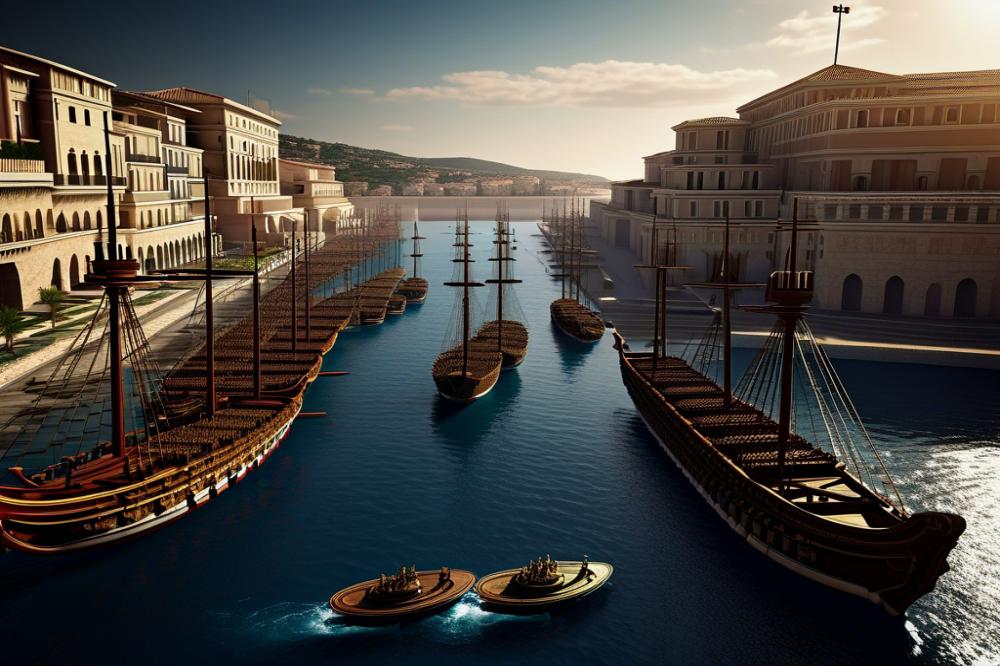
The Roman navy developed significantly over time. Initially, the Romans lacked a strong naval presence. However, as their empire expanded, they recognized the need for a powerful fleet. By the First Punic War, this force became crucial for securing trade routes and protecting cities from naval threats.
Types of Ships Used
Various ship types played a vital role in naval operations. Triremes were among the most famous vessels. These ships had three rows of oars on each side, allowing for impressive speed and maneuverability. The quinquereme, with five rows of oars, followed. It was larger and could carry more soldiers and supplies, enhancing its combat effectiveness. Transport vessels made up another key category. These ships were essential for moving troops, equipment, and food across the Mediterranean.
Crew Composition and Training
Naval personnel were not just anyone; they required specialized training. Sailors often came from different backgrounds, including freedmen and conscripted soldiers. A typical crew could consist of rowers, fighters, and officers. Rowers were essential for speed and agility, while fighters provided onboard defense during battles. Officers were responsible for navigation and strategy.
Training for the naval crew was intense. Rowers practiced synchronizing their strokes to maximize the ship’s speed. Combat drills occurred to prepare marines for ship-to-ship engagements. Leadership skills were critical for officers, ensuring the crew worked as a cohesive unit. Effective communication during battle was crucial to success on the water.
This structure and composition gave the Roman navy its strength and resilience. Different vessel types allowed for varied strategies. Well-trained crews could execute complex maneuvers, making them formidable opponents in any naval engagement.
Strategic Importance of Key Naval Battles
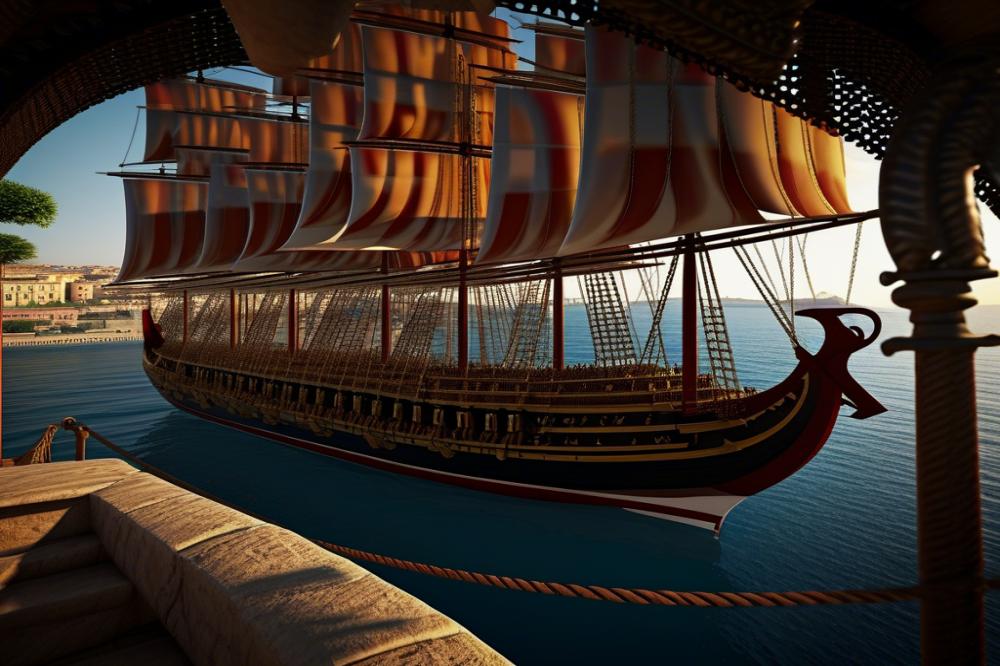
Major conflicts shaped the Roman naval presence significantly. The Punic Wars stand out as pivotal moments in this history. Rome faced off against Carthage for control of the Mediterranean Sea. These confrontations highlighted the importance of shipbuilding and naval tactics. Battles like Actium showcased how decisive naval engagements could change the balance of power.
Naval power played a crucial role in both expanding and protecting Roman territories. Control over sea routes allowed for enhanced trade. With it came increased revenue and resources. A strong fleet also meant the ability to project military strength. This was vital in securing newly gained lands from rival states.
Influence of Geography on Naval Strategies and Battles
Geography impacted Roman strategies significantly. The Mediterranean was not just a body of water; its numerous islands and coastal cities posed both opportunities and challenges. Strategic locations such as Sicily and the Aegean islands became focal points for naval operations. These regions allowed for easier movement of troops and supplies across vast distances.
Shipping lanes also influenced where battles were fought. Natural harbors provided safe zones for regrouping and resupplying fleets. Knowledge of local currents and winds played a role in naval tactics. Over time, commanders learned to adapt their strategies to the unique geographical features of each location.
The effectiveness of the Roman fleet was often a product of these environmental factors. Battles shifted in accordance with the conditions of the sea and weather. Additionally, the terrain surrounding these engagements affected troop deployments and logistics. Understanding geography could mean the difference between victory and defeat.
Key Naval Battles from the Tiber to the Aegean
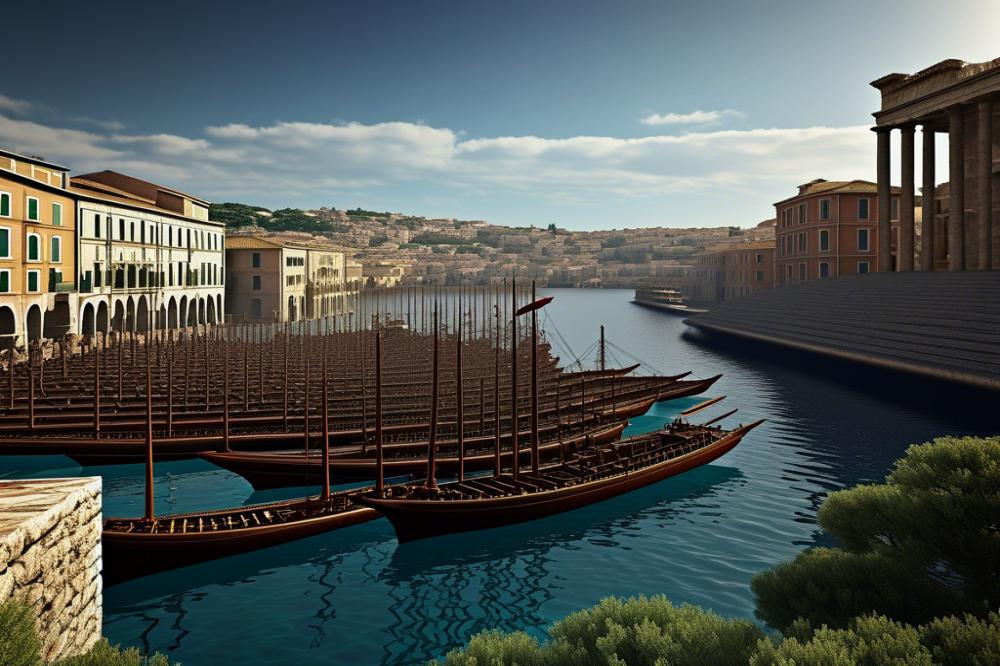
Battle of Mylae: Significance and Outcomes
The Battle of Mylae took place in 260 BCE during the First Punic War. Roman forces faced the Carthaginians off the coast of Sicily. This encounter marked a turning point in naval warfare for Rome. They achieved their first major victory at sea. The Romans used innovative tactics and a new type of ship called the quinquereme.
Victory at Mylae boosted Roman morale. It also demonstrated that Rome could challenge Carthage’s superiority on the waters. This battle laid the groundwork for future engagements and increased Roman confidence in maritime operations.
Battle of Ecnomus: Tactics and Fleet Formations
Ecnomus was one of the largest naval battles in ancient history, occurring in 256 BCE. It showcased the might of Roman naval power against Carthaginian forces. At Ecnomus, the Romans employed advanced fleet formations. Utilizing their double lines, they effectively outmaneuvered the enemy.
Tactics played a crucial role in this engagement. Rome’s strategy of using the corvus boarding device allowed them to turn naval battles into engagements of skill and strength. This innovative approach turned the tide in favor of the Romans and further secured their command of the seas.
Battle of Actium: Political Implications and Naval Maneuvers
The Battle of Actium unfolded in 31 BCE, marking a defining moment in Roman history. It pitted Octavian against Mark Antony and Cleopatra. This naval confrontation had substantial political ramifications. Octavian’s victory paved the way for him to become Rome’s first emperor.
Naval maneuvers at Actium were critical. Octavian’s commander, Agrippa, executed a series of daring tactics against a larger fleet. Using speed and agility, the Romans blocked Antony’s escape route. The aftermath of this battle reshaped power dynamics in Rome and the Mediterranean.
Other Notable Engagements Impacting Roman Naval Dominance
Several other naval engagements reinforced Roman power in the Mediterranean. The siege of Lilybaeum in 241 BCE demonstrated Rome’s persistence. Carthaginian forces were trapped, which eventually led to their surrender.
Engagements in the Aegean also played significant roles. Clashes with pirates and local powers demonstrated Rome’s commitment to securing trade routes. Through these battles, Rome established itself as a formidable naval force. Each conflict contributed to the story of Roman maritime supremacy.
Roman Fleet Movements and Their Impact
Across the Mediterranean, Roman fleet movements played a crucial role in shaping history. Strategic deployments were essential for expanding the empire and protecting trade routes. Ships were dispatched to various theaters of conflict, from the shores of North Africa to the coasts of Greece. Each campaign required careful planning and execution. The sheer number of vessels often displayed Rome’s strength and determination.
Major Fleet Movements Across the Mediterranean
During pivotal conflicts, fleets moved extensively between regions. The Punic Wars saw significant naval engagements, with Rome seeking to challenge Carthaginian dominance. Additional campaigns in the Aegean involved positioning fleets to secure critical islands. Every movement was about more than just numbers; it communicated political power and military readiness. Often, these deployments helped to control critical maritime routes that were vital for commerce and military supplies.
The Logistics Behind Maintaining Naval Superiority
Maintaining such a large and effective navy required an intricate support system. Shipbuilding was a major industry that needed skilled labor and resources. Regular maintenance kept vessels fit for combat, while enlistment programs ensured a steady supply of sailors. Logistics included everything from provisioning ships with food to managing storage for weapons. Without this essential framework, fleet mobility would have faltered.
Defense Strategies Against Piracy and Rival Navies
Piracy posed an ongoing threat to Roman trade and security. Protecting merchant ships was a top priority, leading to the formation of patrols along busy trade routes. The Romans also engaged in building alliances with local powers to counteract pirate influence. Similarly, rival navies were dealt with through intimidation and tactical superiority. The deployment of warships in hotspots acted both as a deterrent and a mechanism for asserting dominance.
Overall, careful planning and decisive action characterized Roman maritime strategy. Fleet movements were not just a show of strength; they were instrumental in maintaining the stability of the empire. By addressing threats and seizing opportunities, Rome ensured its naval supremacy across the Mediterranean Sea.
Technology and Innovation in Roman Naval Warfare
Shipbuilding Advancements and Naval Engineering
The Roman navy thrived due to remarkable shipbuilding advancements. Early ships were basic, often limited in size and speed. However, as time passed, Romans began to build larger, more powerful vessels. The quinquereme became a vital asset. This ship had multiple rows of oars, providing significant propulsion. Strength and durability were key focuses in ship design. New materials like treated wood and waterproofing techniques led to sturdier ships. Crafting the hulls with additional reinforcements allowed them to withstand turbulent sea conditions. Innovations in design also meant higher cargo capacity.
The Use of Weaponry and Naval Tactics
Weaponry evolved alongside naval technology. The Roman fleet became known for its deadly rams. These metal-tipped prow extensions could pierce enemy vessels, causing catastrophic damage. Alongside rams, marines were carried on ships to engage in boarding battles. Roman soldiers mastered hand-to-hand combat. Tactics shifted as the need for speed and maneuverability increased. The famous corvus was introduced, allowing crews to board enemy ships easily. Such innovations transformed naval engagements into intense struggles. These methods combined made the Roman fleet a formidable force.
Adaptations to Challenges Faced at Sea
Facing numerous challenges at sea prompted creative adaptations. Storms, rough waters, and enemy tactics required quick thinking. Romans learned to navigate using the stars, improving their sailing skills. Each naval campaign presented new obstacles. Sometimes, enemy fleets employed unexpected strategies, catching the Romans off guard. In response, flexibility became essential during battles. Experienced commanders used trial and error to refine their techniques over time. Protection against pirates also remained a priority. The Romans established patrol routes and fortified their ports. This vigilance played a significant role in maintaining control over critical trade routes.
The Decline of the Roman Navy and Legacy
Several factors contributed to the decline of Roman naval power. Economic struggles weakened many areas of the empire. These problems often made funding for ships and crews a low priority. At the same time, increased reliance on mercenaries for land battles meant that fewer resources were dedicated to maintaining a strong fleet. As a result, the navy gradually became less relevant in the grand scheme of defense and trade.
Another reason for this decline was the changing nature of warfare. The rise of powerful barbarian groups along the rivers and coasts shifted focus away from naval engagements. Once, Roman galleys dominated the Mediterranean waters, but now, the land forces took precedence. Additionally, the empire faced challenges within its borders. Civil wars continually drained both manpower and resources.
Influence of Roman Naval Strategies on Future Maritime Empires
Even as the Roman navy waned, its strategies influenced future maritime powers. Techniques developed for naval combat laid the groundwork for other empires. The strategic use of ships and formation tactics became lessons learned by nations like Byzantium and later, Spain. Many leaders studied Roman texts to improve their own fleets. Hence, the legacy of Roman naval tactics reached far beyond the empire’s collapse.
Maritime empires that followed often adapted successful naval concepts. The concepts of logistical support and naval blockades can trace their roots back to Roman practices. Adaptability emerged as a critical theme in naval warfare, illustrating how earlier methods remained relevant. As time passed, new technologies reshaped fleets, but the foundational strategies continued to guide naval commanders.
The Legacy of the Roman Navy in Historical and Cultural Context
The historical significance of the Roman navy goes beyond mere battles. It represents the engineering prowess of ancient Rome. Shipbuilding techniques, navigational skills, and crew training have all left a lasting impact on maritime history. Cultural depictions of the Roman fleet in art and literature often highlight its power and sophistication. Many stories celebrate naval victories that showcased Roman courage and innovation.
Furthermore, remnants of Roman naval architecture can still be found in coastal cities across Europe. Ruins of ancient ports reveal the scale of their maritime ambitions. Over centuries, historians have recognized the importance of naval power in establishing trade routes and protecting coastlines. Much of what we understand about naval warfare derives from Rome’s contributions.
Ultimately, even with its decline, the Roman navy remains a vital part of the narrative surrounding the empire. Its strategies and technologies served as a foundation for future generations. The story of Rome’s maritime ambitions continues to captivate our imagination and enrich our understanding of history.
Final Thoughts on Roman Naval Battles
Naval battles and fleet movements played a crucial role in shaping the Roman Empire. These conflicts were not just about ships and weapons; they represented strategies, power dynamics, and control over trade routes. The Roman fleet ensured that regions across the Mediterranean Sea could be kept in check and supplied efficiently.
Reflecting on this history reveals the lasting impact of Rome’s naval experience on military tactics and maritime operations. Many techniques developed during these encounters still influence naval strategies to this day. Understanding these battles makes it clear how significant maritime power was to Roman success. Without dominance at sea, the Empire may not have expanded as widely or efficiently.
Studying Roman maritime history reveals more than just the skills of sailors; it highlights the interconnectedness of cultures, economies, and political entities in the ancient world. Insight into the past sheds light on our own evolving relationship with the sea and trade.
In summary, the legacy of these naval endeavors is profound. They highlight the importance of strategic planning and execution in warfare. Each battle taught valuable lessons that went far beyond the immediate goals of the Empire. By exploring these events further, we enrich our understanding not only of Roman history but also of human development in a broader sense. It becomes clear that studying such experiences remains relevant, revealing the unending importance of sea power in shaping civilizations across time. Understanding #anchor_text_3# can give us exquisite examples of this impact. Additionally, examining #anchor_text_4# may offer fresh perspectives on our ongoing connection to the ocean.

