

Introduction
gelato is a classic Italian dessert that captures the hearts of many. It stands out not just as a frozen treat but as an essential part of Italy’s rich culinary heritage. From bustling urban gelaterias to quaint countryside shops, this delectable ice cream is much more than a dessert; it represents tradition, craft, and community.
In every cone and cup, gelato embodies the essence of Italy. Each scoop reflects the passion of artisans who meticulously create recipes passed down through generations. The importance of gelato in Italian culture is immense. It’s not simply about the flavors; it’s about bringing people together to share moments of joy.
Flavors abound in every gelateria. Choices range from the fruity and refreshing to the rich and indulgent. Creaminess is a key characteristic, making each bite a memorable experience. The history of this dessert is woven into the fabric of Italian cuisine, showcasing its evolution over time. Understanding its artisan craft illuminates the dedication that goes into creating each batch. Whether enjoyed on a sunny afternoon or as a sweet ending to a delightful meal, gelato captures the essence of Italian life.
The History of Gelato
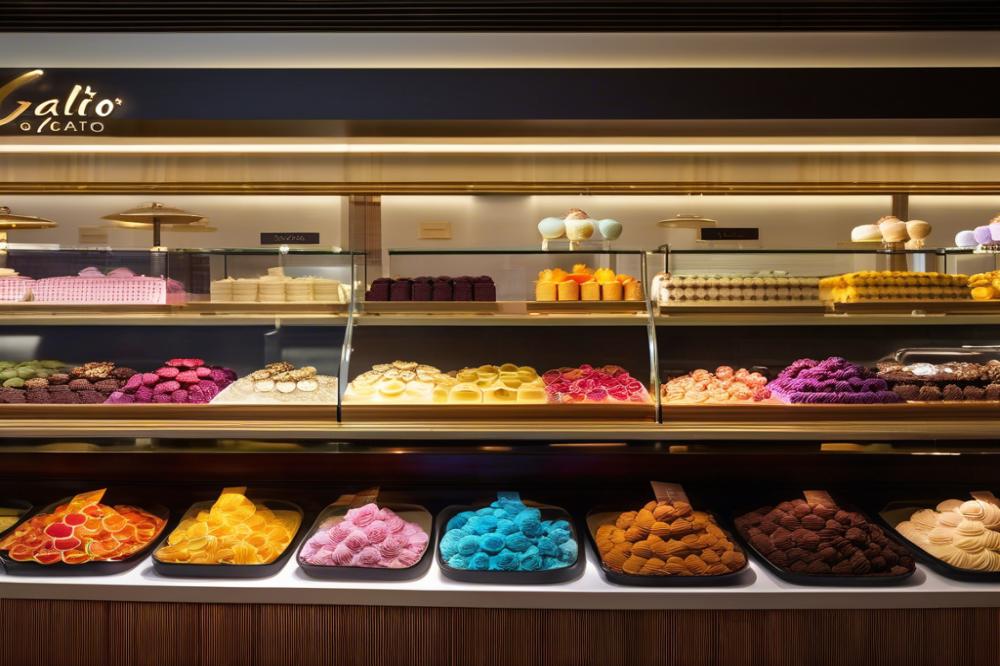
Origins of gelato can be traced back to ancient Italy. Early frozen desserts were made using simple methods. Snow from the mountains mixed with fruit, honey, and other natural ingredients created a delicious treat. These primitive recipes didn’t compare to what we enjoy today, but they laid the groundwork for the future.
During the Renaissance, a shift occurred. Nobles in Florence began to indulge more in frozen delicacies. A famous figure, Bernardo Buontalenti, contributed to the evolution of the recipe in the 16th century. His unique blend of egg yolks, cream, and sugar added a rich creaminess that changed everything. Buontalenti’s innovation caught the attention of royalty, making frozen desserts a sought-after indulgence.
As the years passed, flavors became more varied. The introduction of new ingredients, thanks to trade routes, made a huge difference. Chocolate, spices, and exotic fruits transformed traditional recipes. These enhancements marked the progression towards classic Italian artisan desserts we admire at gelaterias today. Regions across Italy began to develop their own styles and signature flavors, creating a diverse landscape of frozen treats.
Today, Italy is famous for its gelato culture. Each gelateria offers a unique experience with a range of flavors, always focusing on high quality. The craftsmanship behind this dessert involves exceptional skill and dedication. Artisans continue to honor the history while pushing boundaries with innovative recipes. All of these elements combine to celebrate the rich and vibrant history of this beloved treat.
The Artistry of Gelato
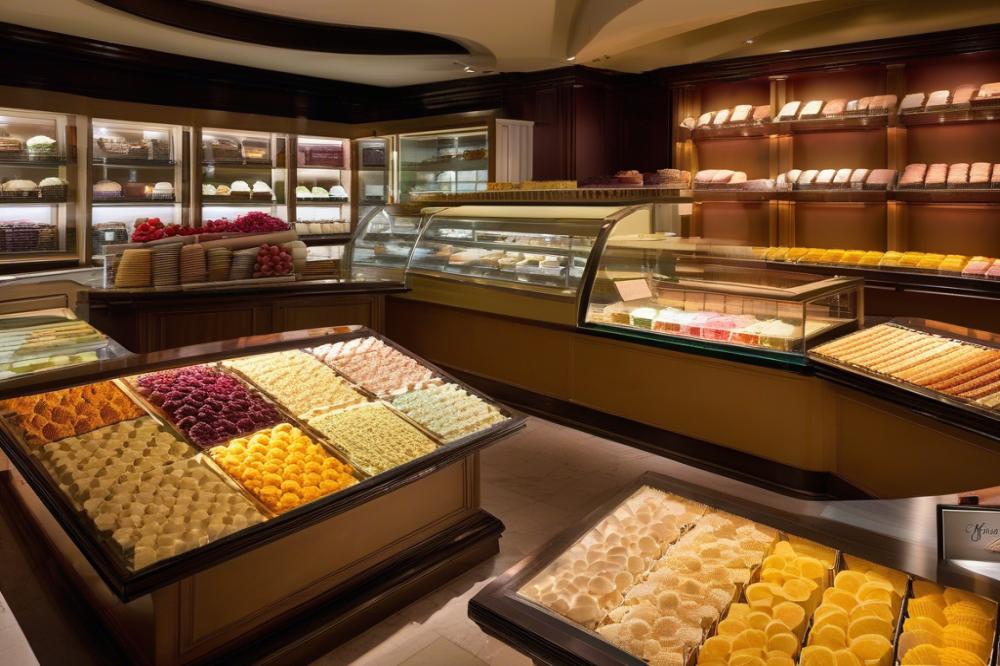
When comparing gelato to traditional ice cream, the differences stand out clearly. Ice cream often has a higher fat content, giving it a creamier texture. In contrast, gelato features lower fat, which results in a denser consistency. This change in fat creates a rich experience for your taste buds.
Flavor intensity is another aspect where gelato shines. The lower fat content allows the flavors to burst forth, making each scoop truly delightful. You won’t just taste sweetness; you will savor the story of each ingredient. Those flavors come alive like nobody’s business!
Artisan Techniques
Artisan methods play a significant role in creating this frozen treat. Skilled artisans understand the delicate balance between ingredients. Techniques used in small gelaterias often ensure every batch reflects tradition. This precise craftsmanship requires training and passion, adding to the overall experience.
Local Ingredients and Traditional Recipes
Local ingredients are essential to gelato’s appeal. Fresh fruits, rich chocolates, and quality dairy from nearby farms enhance the final product. Traditional recipes, often passed down through generations, also contribute to authenticity. The history of gelato in Italy forms a backdrop for every creation. Each scoop tells a story of local cultures, flavors, and culinary pride.
Flavors of Gelato
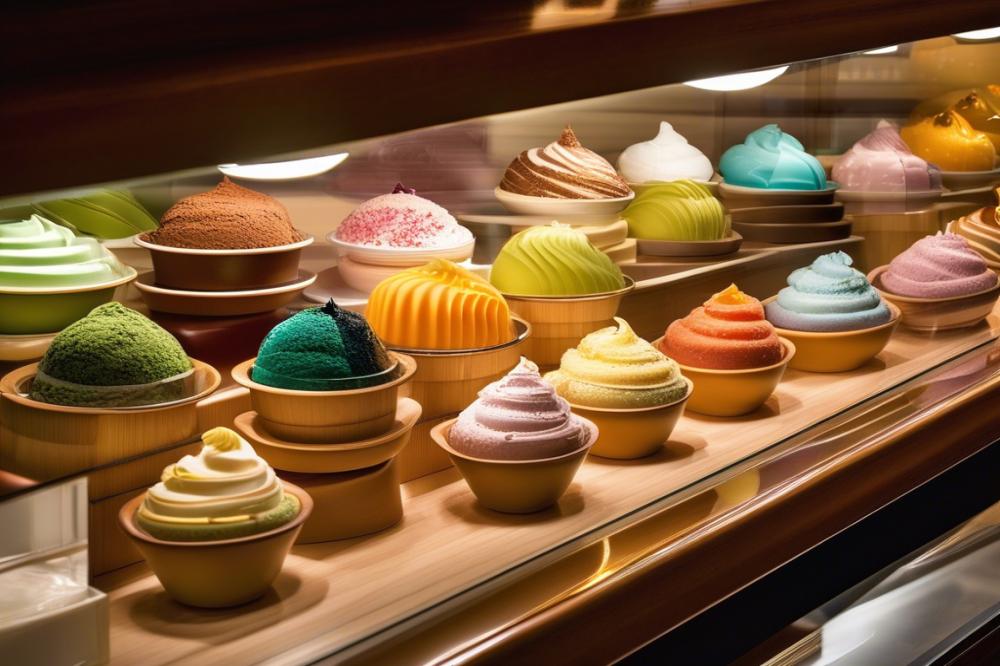
When you think of ice cream, you might picture scoops of vanilla, chocolate, or strawberry. However, the world of frozen treats is much broader. Classic flavors like pistachio, hazelnut, and stracciatella hail from Italy’s rich history. These artisan recipes have delighted taste buds for generations. Each has a distinct personality and a story rooted in regional culture.
Regional ingredients play a vital role in crafting these delicious flavors. For instance, in Sicily, you might find gelato made with the island’s famous blood oranges. Tuscany boasts its own unique ricotta flavor. The use of local products not only enhances taste, but it also connects each frozen dessert to its origins. This is what makes every visit to a gelateria a new adventure.
Innovative and Seasonal Flavors
Today’s gelaterias are pushing boundaries. Many now experiment with innovative and seasonal flavors. You could stumble upon peach and basil or dark chocolate with chili pepper. These combinations challenge traditional ideas of what a frozen treat can be. Seasonal flavors often showcase the freshest fruits and spices, inviting patrons to try something different.
Pairing Gelato with Italian Desserts
The experience of enjoying gelato can be elevated when paired with other Italian delights. Consider a scoop alongside a slice of tiramisu or panna cotta. The creaminess of the gelato complements the rich textures and flavors of these desserts. This combination creates an extraordinary dessert experience that transports you to Italy with every bite.
The Gelateria Experience
Visiting a gelateria is more than simply picking a dessert. The moment you step inside, you’ll be greeted by vibrant colors and enticing aromas. A wide array of flavors often fills the display case. You might see traditional options like nocciola (hazelnut) and pistachio, alongside innovative creations that capture creativity in every scoop.
Every artisan takes pride in their craft. The art of serving is paramount in this experience. You’ll notice how each portion is scooped with care. Often, it forms a beautiful swirl or dome, showcasing the creaminess and texture of the frozen treat. You may find gelato served in a cone or a cup, depending on your preference. The choice of a small or large size can impact your tasting journey, so choose wisely!
Recommendations for Enjoying Gelato
While in Italy, enjoy your treat slowly. Savor each mouthful, allowing the flavors to unfold on your palate. Pair your ice cream with a stroll through cobblestone streets for the ultimate experience. Consider trying a few tastes before you decide. Most places are happy to offer samples. Take this chance to explore new flavors and find your personal favorite.
Beyond Italy, gelaterias are popping up worldwide. Don’t miss the opportunity to indulge while traveling. Seek out establishments that follow traditional recipes and techniques. Check for places that focus on quality ingredients. You’ll likely discover hidden gems offering a taste of Italy in your own city. Remember, this frozen delight is meant to be enjoyed, so take your time to appreciate the rich history behind every scoop.
Crafting Your Own Gelato
Basic Recipes for Making Gelato at Home
Creating a frozen treat at home is both enjoyable and rewarding. Start with a simple base recipe. Combine two cups of whole milk, one cup of heavy cream, and three-quarters cup of sugar. Heat this mixture gently until the sugar dissolves. After it cools, mix in one tablespoon of vanilla extract. This forms a great foundation. You can experiment with additional flavors by adding pureed fruits, cocoa, or nuts.
Another classic recipe uses rich ingredients. Blend two cups of milk, one cup of cream, and a half-cup of sweetened condensed milk. Add a pinch of salt for extra flavor. Chill the mixture in the fridge before freezing it. Feel free to add delicious extras like dark chocolate or caramel.
Key Ingredients and Tools Needed for Gelato-Making
Quality ingredients are essential for authentic taste. Using fresh, local items can enhance your final product. Milk and cream should preferably be high fat for luxurious texture. Look for seasonal fruits to inspire uniquely flavored treats. Fresh herbs can also add a twist to your recipes, so don’t hesitate to try basil or mint.
Basic tools are necessary to achieve great results. A bowl, whisk, and a saucepan make up the essential kit. An ice cream machine can simplify the process, but it isn’t required. If you don’t have one, you can freeze your mixture in a shallow dish. Stir it every thirty minutes until it reaches that perfect creaminess.
Tips for Achieving the Perfect Creaminess and Flavor Balance
Attaining the right consistency is crucial. Monitor the temperature while freezing your mixture. Too cold can lead to ice crystals, resulting in a grainy texture. Maintaining a balance between sugar and fat content helps achieve that smooth mouthfeel. The sweetness should complement the flavors, not overpower them.
Experimenting is part of the process. Try infusing flavors by gently heating ingredients. This method allows the essence to fully develop. Always taste along the way. Adjust sweetness or add a splash of lemon juice if the flavor needs a lift. Remember, gelato is a traditional dessert, so don’t rush this artistic journey.
Look back at history for inspiration. Italy has centuries of artisan gelateria craftsmanship. Drawing from that can help guide your choices for flavors and presentation. Enjoy creating something special for friends and family. Your homemade desserts can become a topic of joy and delight in every gathering.
Embracing the Wonder of Italian ice cream
Gelato has captured hearts everywhere as a beloved frozen treat. With its creamy texture and delightful taste, it’s no wonder people crave this dessert. Each scoop offers a moment of joy that goes beyond just satisfying a sweet tooth. It allows us to connect with cherished memories, family traditions, and the rich culture of Italy.
Preserving traditional gelato-making techniques is of the utmost importance. These methods carry a rich heritage that links us to the artistry of the past. As modern techniques evolve, it becomes essential to keep alive the skills that create this iconic ice cream. By doing so, we honor the history and craft that have been passed down through generations.
Take the time to explore gelato in various forms and flavors. The possibilities are endless, from classic chocolate to inventive citrus blends. Local shops often feature seasonal specialties, so there’s always something new to try. Don’t miss out on the chance to savor this exquisite treat. Whether you enjoy a simple scoop or an elaborate sundae, every option offers a delightful experience.

