
Italy-a-game-on-the-rise”>Horse Riding Across the Regions: A Journey Through Italy’s Equestrian Culture
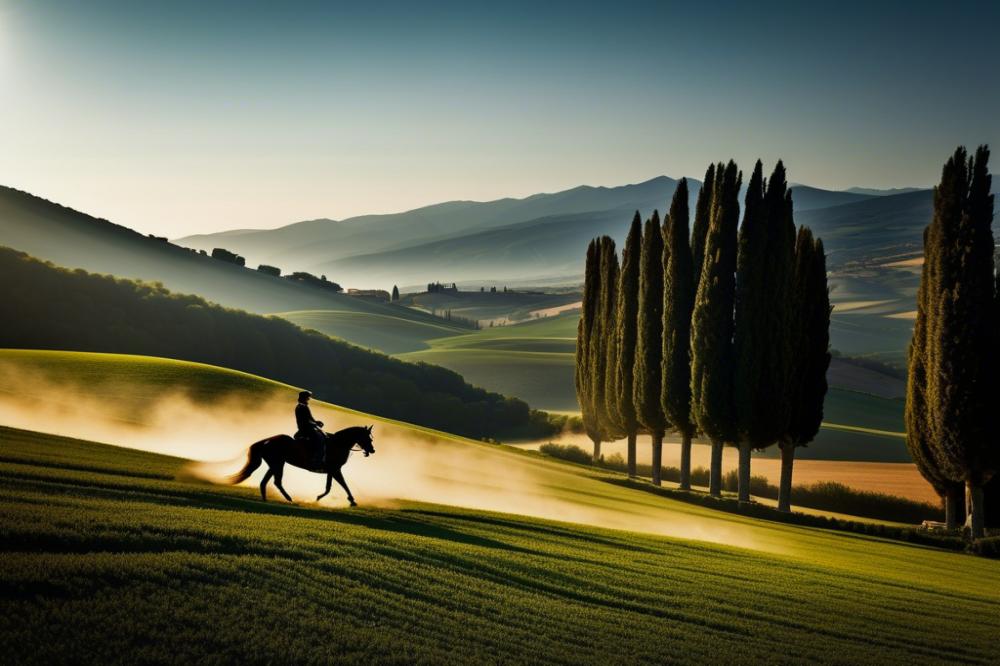
Italy presents a rich tapestry of history, art, and tradition, where horseback riding plays a significant role. This activity is not just a leisurely pursuit. It weaves deeply into the cultural fabric of the country, connecting people to their heritage and to one another. equestrian tourism thrives in diverse regions, from the rolling hills of Tuscany to the rugged landscapes of Sicily.
Equestrians in Italy often find that their passion reflects the rich regional traditions passed down through generations. Various horse breeds, such as the famous Maremma and Clydesdales, embody the distinct characteristics of specific areas. Riding schools offer lessons that educate not only on the skills of riding but also on the historical context surrounding these majestic animals.
Festivals dedicated to horses attract locals and tourists alike, showcasing Italy’s vibrant equestrian culture. Events like the Palio di Siena bring communities together in celebration, featuring intense horse races steeped in rivalry and pride. Historical routes beckon adventurers to explore ancient trails, allowing riders to connect with the land in a way that few other activities can offer.
The experience of horseback riding in Italy extends beyond the saddle. It embodies a form of eco-tourism, promoting sustainable adventures in rural areas. Riders can discover scenic landscapes, hidden gems, and cultural hotspots, all while respecting nature. As we delve into Italian Equestrian Culture, various themes will emerge, highlighting the importance and charm of this enduring practice.
Horse Riding: A Cultural Exploration
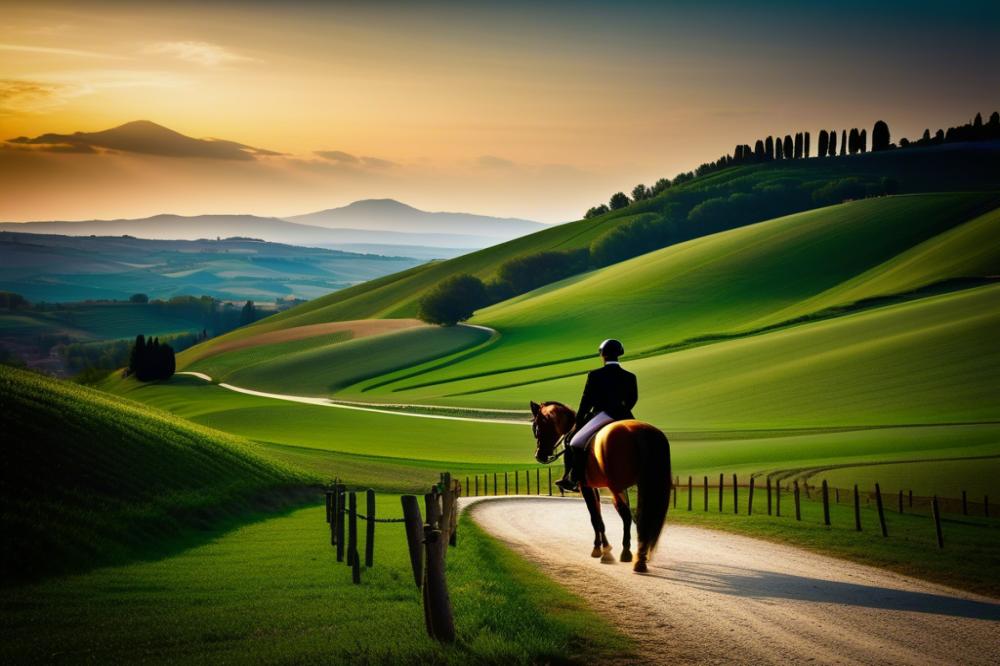
Italy holds a rich tapestry of traditions when it comes to horseback riding. Each region boasts its own customs and historical practices. In Tuscany, the deep bond between riders and horses expresses itself through rustic riding schools. Experienced instructors share techniques passed down through generations.
Festivals celebrating equestrian culture are popular. For instance, the famous Palio di Siena brings excitement and showcases the historic rivalry among its contrade, or districts. During this intense competition, riders dash through the narrow streets, showcasing incredible skill and strength.
In southern Italy, particularly in Sardinia, ranching and horseback riding connect with daily life. Local herders, known as “Pastori,” often rely on horses for cattle herding. Their unique methods of guiding and training horses highlight a lifestyle intertwined with nature.
The northern regions also play a significant role in Italy’s equestrian traditions. Here, riding schools train riders to navigate the picturesque countryside. The lush landscapes offer a perfect backdrop for riders seeking both adventure and connection with the rural community.
Italy is home to several notable horse breeds. The Maremma, known for its strength and endurance, is a prized breed in the central region. These sturdy horses excel in working with livestock, showcasing their importance in agriculture.
Meanwhile, the Lippizaner breed, famous worldwide, finds its roots in the Austrian-Italian border. Renowned for their athleticism and grace, these horses often participate in classical dressage performances. Riders continue to train in a refined style that reflects centuries of tradition.
Walking ancient historical routes trails the path of horseback riding as eco-tourism grows. equestrian tourism flourishes, with visitors eager to explore Italy’s pristine landscapes. Many find pleasure in guided tours, creating connections among local culture and natural beauty.
Rural adventures on horseback become a popular choice for those wishing to delve deeper into regional traditions. Riders can expect unique experiences, from navigating through vineyards in Piedmont to crossing sandy beaches in Puglia. A journey through the Italian countryside reveals the heart and soul of its equestrian legacy.
Equestrian Tourism in Italy
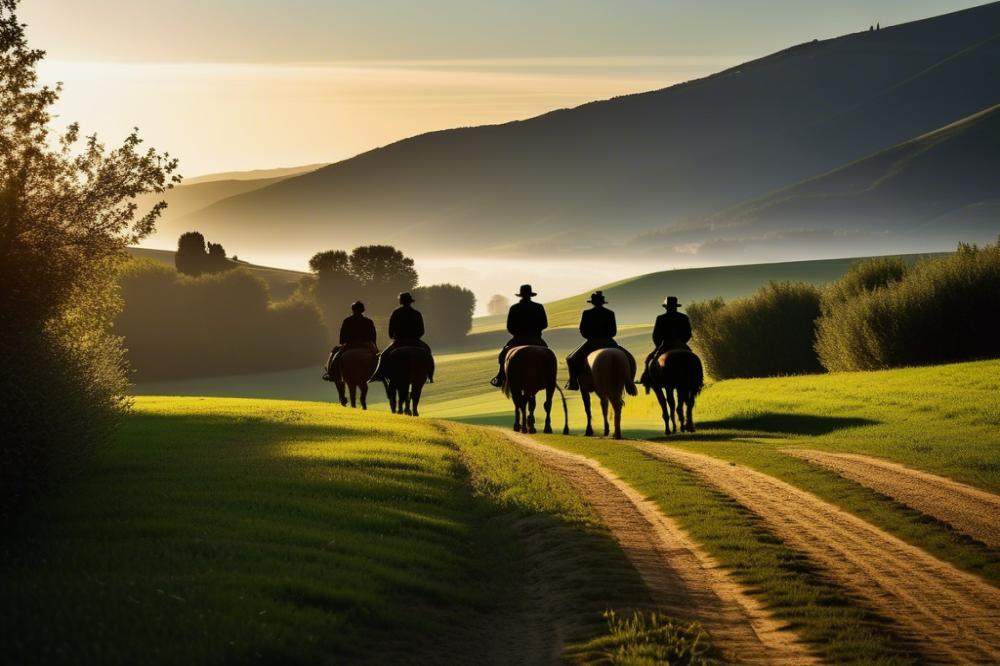
In recent years, equestrian tourism has gained significant traction in Italy. More travelers are choosing horseback riding as a way to explore the country’s stunning landscapes. This growth has positively impacted local economies, creating jobs and supporting small businesses. From cozy inns to local artisans, many benefits stem from this increasing interest.
Popular Destinations for Equestrian Explorations
Italy boasts a variety of breathtaking locations for riding enthusiasts. The rolling hills of Tuscany offer picturesque views and historical routes, ideal for riders seeking a rustic experience. In addition, the coastal paths in Sardinia allow for breathtaking ocean backdrops. Vibrant festivals celebrating regional traditions often feature equestrian events, drawing in audiences from around the world. Local wines and culinary delights only enhance these experiences.
The Role of Riding Schools
Riding schools play a crucial role in promoting equestrian tourism. These establishments not only provide lessons but also organize guided tours through scenic routes. They introduce visitors to local horse breeds, each with unique characteristics. Furthermore, many schools foster eco-tourism by emphasizing responsible riding practices and animal welfare.
Rural Adventures and Community Engagement
Exploring rural areas on horseback allows travelers to engage with local communities. Many riders learn about the craftsmanship of handmade saddles or regional delicacies. Sharing stories of pastoral life creates a deeper connection to the land. As tourists participate in these adventures, they contribute to preserving customs and traditions that have endured for generations.
The Essence of Equestrian Events
Throughout Italy, numerous events highlight the equestrian culture. Local competitions showcase the beauty and agility of horses, drawing spectators and participants alike. Festivals not only promote tourism but also celebrate the bond between horses and humans. Such occasions enrich cultural exchange and encourage visitors to return year after year.
Festivals and Events Celebrating Equestrian Culture
Italy boasts a rich equestrian culture, celebrated in various festivals throughout the year. One of the most famous is the Palio di Siena, a thrilling horse race held in the city’s historic Piazza del Campo. Riders from rival neighborhoods compete fiercely, showcasing their skills and deep-rooted regional traditions. The event takes place twice each summer, attracting thousands of visitors and participants alike. During the race, spectators experience a vibrant display of colorful flags and lively performances, igniting an atmosphere steeped in history.
Regional events also play a significant role in celebrating horseback riding across Italy. In towns like Ferrara and San Giovanni in Persiceto, noble horse breeds are paraded in colorful processions. Local riding schools often participate, educating the community about the importance of these majestic animals. These gatherings are vital for preserving traditions that date back centuries. Attendees enjoy local cuisine while reveling in the excitement of competitions and demonstrations.
The Importance of Festivals in Preservation
Equestrian festivals are essential for maintaining Italy’s riding traditions. They present an opportunity for younger generations to engage with their heritage. Many families pass down skills and knowledge related to horse care and riding techniques. The Palio di Siena, for instance, highlights the bond between horses and their jockeys, fostering respect for these animals. Events like these also encourage eco-tourism by promoting rural adventures and environmental awareness.
These celebrations are not just about competition; they unite communities. Local pride surges when neighborhoods rally around their riders. In addition, towns cultivate a sense of identity through these unique gatherings. The horse races, parades, and themed events bring together diverse groups, creating lasting memories that resonate deeply. The cultural significance of these festivities cannot be overstated, as they intertwine with the historical routes and stories of each region.
Throughout the Italian landscape, horseback riding festivals provide a unique insight into rural life. They highlight the connections between people, animals, and the land. Equestrian tourism thrives in this environment, attracting visitors eager to experience the authentic culture. Participants often share tales of past races, showcasing their dedication and passion for horsemanship. Festivals serve as a reminder of Italy’s vibrant equestrian history and commitment to keeping these traditions alive.
Exploring Historical Routes on Horseback
Italy is home to some of the most famous historical routes, perfect for those looking to immerse themselves in the countryside. One such path is the Via Francigena. This ancient trail stretches from Canterbury to Rome, and its origins trace back to the Middle Ages. Riding along this route, you can enjoy stunning landscapes while uncovering the rich history of pilgrimages.
Another notable path is the Strada del Vino, or the Wine Road. This trail weaves through picturesque vineyards and charming villages. The journey here offers riders more than just beautiful views; local wine festivals are common, celebrating regional traditions. You might even get the chance to taste some of the best wines Italy has to offer, enhancing the equestrian adventure.
Taking these journeys allows participants to blend adventure with historical discovery. The terrain varies from rolling hills to rustic farmlands. These rural adventures provide a unique way to experience Italy’s culture and heritage. Along the way, one can also engage with locals who often share stories about their land and traditions.
Riding schools throughout Italy offer lessons for all skill levels, making it accessible for everyone. Experienced riders can embrace the thrill of galloping along these historic paths, while beginners can enjoy a more leisurely pace. Some regions even celebrate festivals dedicated to specific horse breeds, showcasing the deep connection between the animals and local culture.
Eco-tourism has gained popularity in recent years, encouraging travelers to explore the countryside in a sustainable manner. Many horseback riding tours highlight this aspect, promoting the preservation of nature and local traditions. Riders often come away with a newfound appreciation for Italy’s diverse environments and rich equestrian heritage.
The Future of Horse Riding in Italy
Italy’s equestrian culture faces significant changes. Eco-tourism is shaping how people experience the countryside. Many travelers seek more sustainable ways to connect with nature. Riding schools across the country are embracing this shift. They now offer programs focused on environmental awareness. Visitors will find that horseback riding now goes hand in hand with respect for the land.
Conservation plays a vital role in this new era. Horses, often seen as part of agricultural traditions, are increasingly appreciated for their role in preserving landscapes. Riding near historical routes allows people to immerse themselves in cultural heritage while enjoying nature. These trails lead through vineyards, olive groves, and ancient villages. Riders can witness regional traditions firsthand. They help maintain paths and landscapes that are important for wildlife.
Looking at sustainable practices, it’s clear that future equestrian activities must be mindful. Tour operators are beginning to prioritize responsible riding. They often consider the health of horse breeds and the environment. This shift not only benefits nature but also enriches the riding experience. Festivals celebrating local traditions often incorporate eco-friendly initiatives. Attention is given to how events impact the environment.
The landscape of horseback riding is evolving in modern Italy. Increased interest in rural adventures means more people are exploring lesser-known regions. This also brings challenges, as more riders may affect fragile ecosystems. It is essential to balance tourism and conservation to protect these areas. Innovation in approach will likely drive the equestrian tourism industry forward. New ideas and practices will emerge to enhance traveler experiences while safeguarding the environment.
As equestrian tourism continues to grow, so does awareness. Each ride contributes to a larger story about nature and culture. Discussions around these topics are essential. They help equestrians understand their impact on local ecosystems. New generations of riders are becoming advocates for sustainability. Moreover, they are keen to engage with Italy’s rich equestrian heritage.
Final Thoughts
The richness of Italy’s equestrian culture is truly remarkable. Each region presents its own distinct traditions, riding styles, and historical influences. From the rolling hills of Tuscany to the coastal paths of Sardinia, the experience varies widely, reflecting the deep ties between horses and local communities. This connection is evident in festivals, local riders, and even the cuisine that pays homage to this noble animal.
Riding a horse offers a unique opportunity to explore Italy far beyond the bustling cities. It connects travelers with regional stories and landscapes in a way that walking or driving simply cannot. As you make your way through vineyards, ancient ruins, and vibrant villages, a bond forms between rider and horse, creating unforgettable memories. Equestrian tourism not only highlights scenic beauty but also showcases the culture embedded in each hoofbeat.
Consider stepping into the saddle on your next visit to Italy. Each ride can lead to discoveries—perhaps a hidden trattoria serving local delicacies or a breathtaking vista that few others have seen. Embrace the spirit of adventure and let the rhythm of horses guide you through the enchanting tapestry of Italy. You won’t just see the country; you will feel its pulse.

