
Introduction
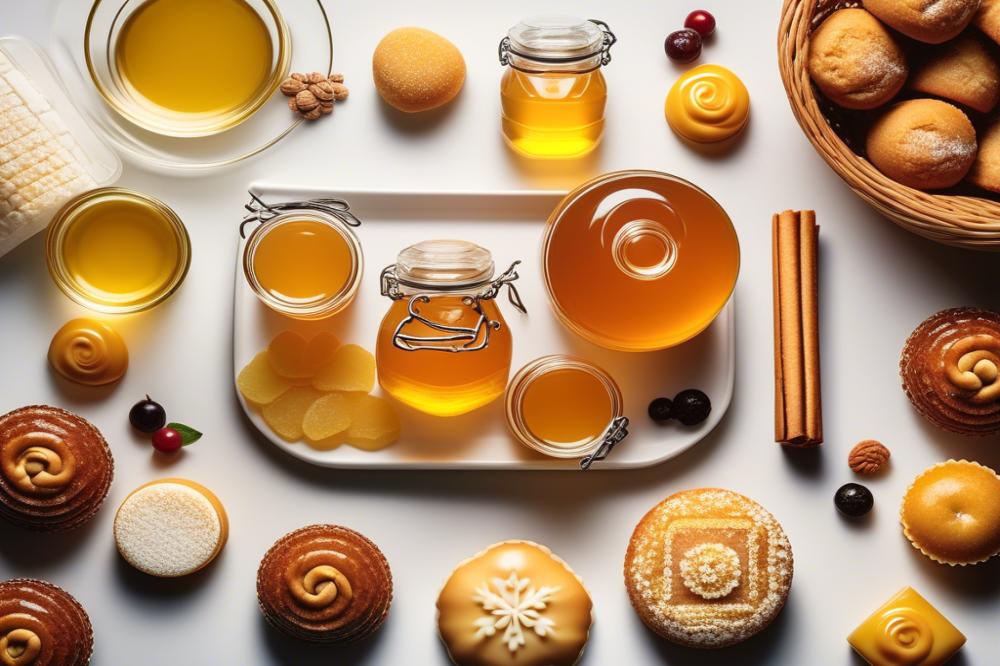
Corbezzolo Honey is a distinct Italian product that stands out in the world of natural sweeteners. It is derived from the flowers of the corbezzolo tree, also known as the strawberry tree. This honey boasts a flavor profile that is both robust and complex, making it an excellent choice for various culinary applications. The unique taste, combined with its thick, amber consistency, makes it a favored ingredient in numerous recipes.
Historically, this honey has been cherished for its health benefits and culinary versatility. Ancient cultures valued it not only as a food source but also for its medicinal properties. Today, it has found its place in the hearts of many, especially within the realm of desserts. Italian Confectionery has embraced Corbezzolo Honey, integrating it into traditional recipes that highlight its rich flavors.
Bakers and confectioners often incorporate this honey into pastries and sweets. The subtle notes of caramel and earthy undertones elevate the taste of Chocolate-bars-over-the-decades”>Chocolate and fruit-based desserts. It serves as an exceptional flavoring agent in many gourmet creations. Using it in baking can transform ordinary treats into extraordinary delights. Additionally, its thick texture resembles honeycomb, adding an appealing element to dishes.
In Italian Confectionery, Corbezzolo Honey is more than just a sweetener; it is an integral part of the culinary heritage. Its ability to enhance flavors makes it a go-to for many chefs and home bakers. Whether you are drizzling it over a warm pastry or incorporating it into a dessert sauce, its charm shines through. The incorporation of this honey ensures that each sweet creation resonates with tradition and authenticity.
Culinary Uses of Corbezzolo Honey
Flavoring agent in traditional recipes
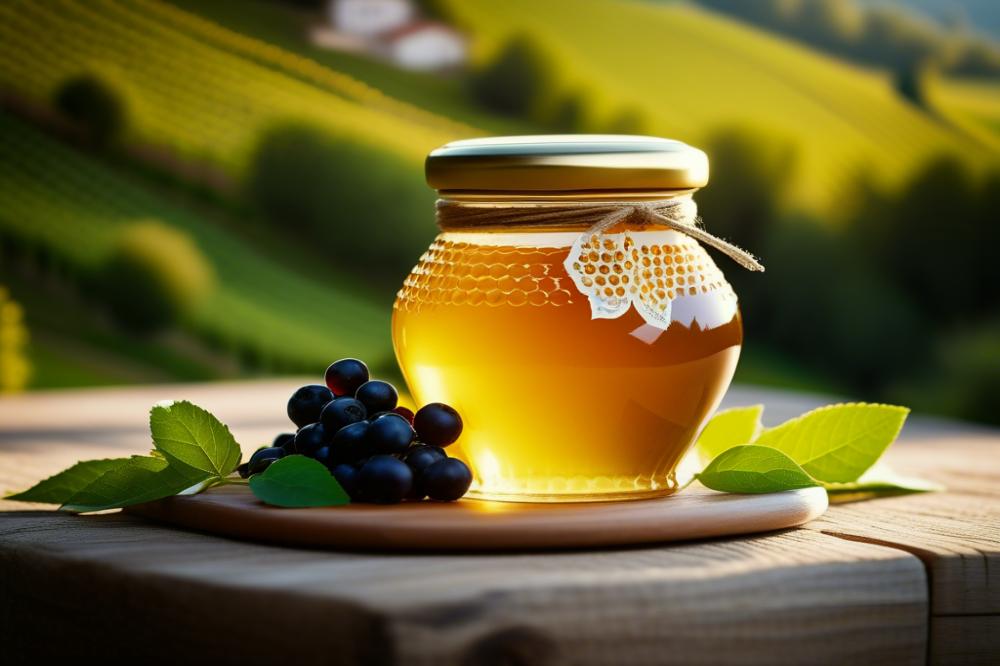
Corbezzolo honey serves as a delightful flavoring agent in many traditional recipes. Italian cooks have long cherished its rich, floral notes. Savory dishes also benefit from its distinct profile. The depth that it brings to sauces and marinades can transform everyday meals into gourmet experiences. Incorporating this ingredient not only boosts taste but also connects diners to authentic Italian culture.
Incorporation in chocolate and pastry creations
In the realm of chocolate and pastry, this honey shines brightly. Chocolatiers often use it to create complex flavor combinations that delight the senses. Imagine the smooth richness of chocolate paired with the nuanced sweetness of honeycomb. Pastries filled with creamy custards or rich ganaches take on a new dimension when sweetened with this ingredient. Bakers find that it enhances both texture and taste in their creations.
Role as a natural sweetener in desserts
Desserts frequently lean on Corbezzolo as a natural sweetener. Health-conscious individuals appreciate its organic appeal. Sweets like panna cotta or gelato become special when drizzled with this honey. Besides its amazing flavors, it offers a touch of luxury to everyday treats. Using it in desserts adds an authentic touch that elevates any gathering.
Enhancing the taste of baked goods
Baking also sees the benefits of incorporating this unique honey. Bread and cakes achieve a moist, tender crumb that keeps people coming back for more. The sweetness complements spices and fruits beautifully. An experiment with a simple loaf could reveal surprising results. Many have found that it deepens flavors, making the entire experience more enjoyable.
Corbezzolo Honey in Italian Sweets
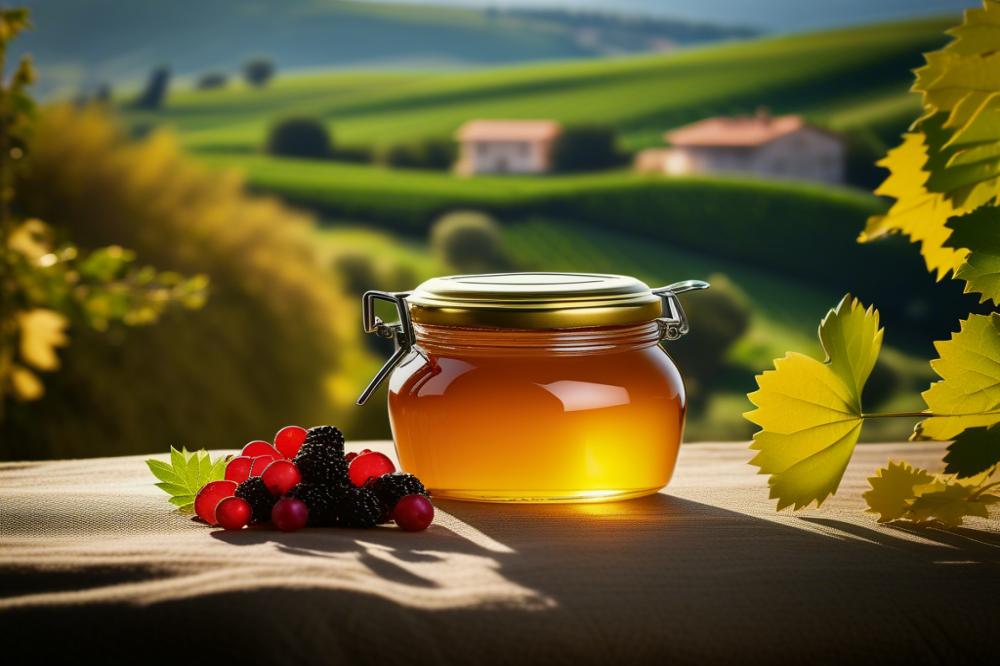
This exceptional honey plays a significant role in various Italian sweets. Its distinct flavor elevates many traditional recipes across regions. For example, in Sardinia, bakers often use this honey to enhance the taste of their pastries. The rich, earthy notes of Corbezzolo honey balance perfectly with other ingredients, creating a harmony that is hard to resist.
Use in various regional confections
Different regions in Italy showcase their culinary creativity by incorporating this honey in unique ways. In Liguria, for instance, you may find it as a drizzle over a slice of traditional focaccia. In Tuscany, it adds depth to biscotti, enriching each bite with a robust sweetness. Not only does this honey provide flavor, but it also adds a bit of history to the confections.
Popular sweets featuring Corbezzolo Honey
Many popular sweets feature this honey as a star ingredient. For instance, chocolate confections often benefit from its complex taste. Chocolatiers craft truffles that mix the richness of cocoa with the layers of honey. Another beloved treat is the use of honey in ricciarelli, a Tuscan almond cookie. Here, it seamlessly works with the nuts, creating a delightful texture.
Honeycomb and its role in gourmet desserts
Honeycomb also finds its place in some of the most gourmet desserts. Its crunchy texture can serve as a dramatic contrast to smooth elements like creams or mousses. By incorporating honeycomb into dishes, chefs not only elevate flavor but also provide visual appeal. Diners appreciate the combination of taste and texture. This component adds an artisan touch to dishes that might otherwise seem ordinary.
Overall, using this natural sweetener in baking and confections showcases Italy’s rich culinary tradition. Each creation, whether a simple sweet or a complex dessert, reflects the passion of Italian bakers. By exploring these delightful sweets, you can experience a piece of Italian culture through the lens of flavor.
Crafting Gourmet Confectionery with Corbezzolo Honey
Italian confectionery shines when using the distinct flavor of this natural sweetener. Many traditional recipes have embraced honey for centuries. Incorporating it into baking can elevate both taste and texture in various sweets.
Techniques for Incorporating Honey in Baking
When using honey in pastries and desserts, it’s important to adjust other liquids. Honey adds moisture, so reducing the use of water or milk can help. Sweetness plays a crucial role, so remember that it is sweeter than regular sugar. Be cautious when substituting. Measuring accurately makes a difference in the final product. Combining honey with butter in a recipe gives a rich flavor and a soft texture.
Pairing Corbezzolo Honey with Other Flavors
This honey pairs beautifully with chocolate. The deep notes of cacao and the aromatic qualities harmonize perfectly. Using it alongside nuts can create a delightful crunch. Think about combining it with spices like cinnamon or vanilla for added warmth. Citrus flavors also complement its richness, creating a balanced profile in every bite.
Innovative Creations by Contemporary Italian Chefs
Modern Italian chefs are experimenting with new ways to use different flavors. Honeycomb, for example, is being incorporated into elegant desserts as a crunchy element. Some are infusing it into creams and mousses, creating a luxurious treat. Others are crafting gourmet ice creams with hints of honey. Each creation showcases how versatile this ingredient can be in the kitchen.
Final Thoughts on Corbezzolo Honey in Italian Confectionery
Corbezzolo honey holds a special place in Italian sweets. Its rich, complex flavor adds depth to various treats. This honey elevates traditional pastries and desserts, making them truly exceptional. Desserts like cakes and chocolates that incorporate this ingredient often stand out due to its distinctive taste. Fans of Italian confectionery know how crucial quality ingredients are in creating memorable dishes.
Now is the perfect time to explore this ingredient in your own kitchen. Creating your own confectionery with it can be a rewarding experience. Imagine the delight of using this honey in recipes, giving your creations a unique twist. Whether drizzled over nuts or blended into a cake batter, this honey has the potential to transform ordinary dishes into extraordinary ones.
Moreover, the role of this honey goes beyond just flavor. It is intertwined with the rich tapestry of Italian culinary heritage. This ingredient provides not only taste but also a connection to history and tradition that many people cherish. As you indulge in sweet treats featuring it, you’re also honoring that heritage. The next time you enjoy a dessert or pastry, take a moment to appreciate the depth and richness that this wonderful ingredient can bring.

