
Introduction
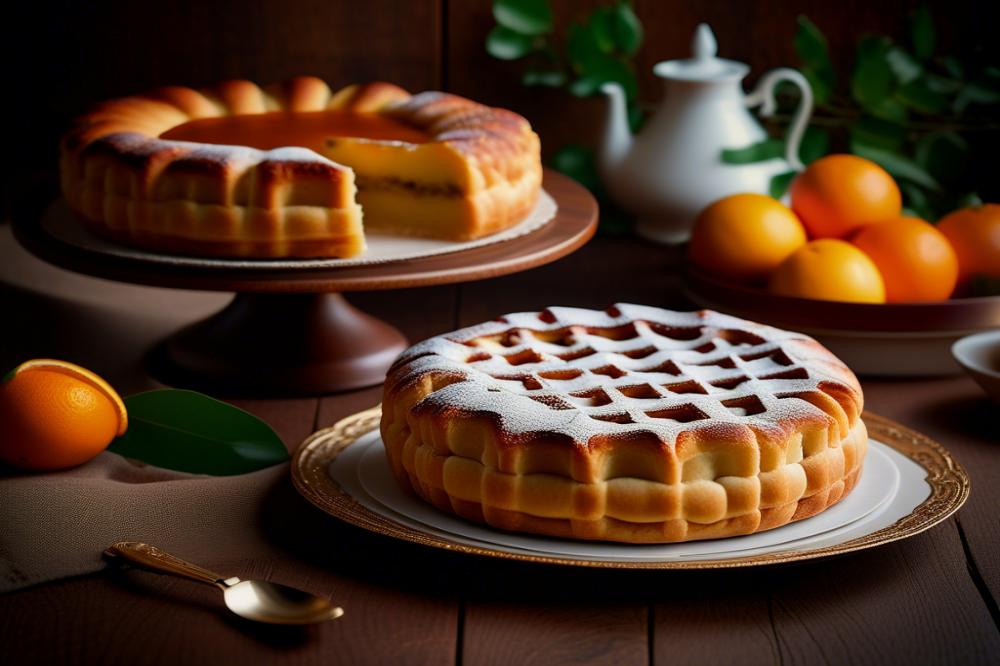
Neapolitan Pastiera is a celebrated Chocolate-easter-eggs”>Italian pastry, steeped in rich tradition. This delicious Easter dessert holds a special place in the hearts of many, especially in Naples. Families come together to create this iconic treat as part of their Easter Traditions.
The significance of Pastiera extends beyond mere taste. It symbolizes the arrival of spring and the joy of renewal. Its unique blend of flavors, including wheat, ricotta, and orange blossom, reflects the essence of Neapolitan cuisine. Every family has its own special way of making this delightful pastry, often using cherished recipes passed down through generations.
This article will delve into the history of this enchanting pastry, exploring its roots and the cultural heritage it embodies. We will also examine the key ingredients involved in its creation. Ultimately, the goal is to appreciate the importance of Pastiera in Easter celebrations and its enduring legacy.
The Origins and History of Neapolitan Pastiera
The early roots of this Chocolate-easter-eggs”>Italian pastry can be traced back to the ancient Neapolitan cuisine. Historical accounts suggest that Pastiera has been enjoyed for centuries in the region. Its creation involved a mix of simple ingredients that reflected the local land and culture. Wheat, for example, symbolizes rebirth and fertility. This connection to nature played a significant role in shaping the dessert.
Historical events also influenced the evolution of Pastiera over time. Different rulers and cultural exchanges brought new flavors to the area. Local ingredients, such as ricotta and fresh eggs, became staples in the recipe. They each added their unique flavor and richness. The use of orange blossom water further distinguishes the dessert, giving it that signature scent. These components came together to form a delightful Easter dessert cherished by families.
As families enjoyed this culinary treasure, the recipes began to evolve. Each generation put their personal touch on the traditional version. Variations emerged based on ingredients available in the household. Family recipes became a living part of cultural heritage, passed down from grandparents to grandchildren. Many people remember preparing Pastiera with loved ones in the kitchen during Easter. Festive traditions often revolve around sharing this special dessert at family gatherings.
This connection to the past is what makes Neapolitan Pastiera so significant. It serves not only as a delicious treat but also as a way to honor family history and unity. Every bite tells a story of love, tradition, and celebration. Every table during Easter is incomplete without this beloved dish. The significance of Pastiera goes beyond its sweetness. It represents a deep-rooted connection to the Neapolitan identity.
Key Ingredients of Neapolitan Pastiera
Role of Wheat in the Recipe and Its Symbolic Meanings
Wheat stands at the heart of this Easter dessert. It symbolizes resurrection and renewal, marking the end of winter and the arrival of spring. In Neapolitan cuisine, this ingredient speaks to the agricultural roots of the region. The use of boiled wheat in pastiera reflects a profound connection to the land. Families often have their own traditions surrounding this process, making each recipe distinct. When combined with other ingredients, wheat helps create the rich texture that defines this pastry.
Importance of Ricotta Cheese as a Staple in Italian Desserts
Ricotta cheese plays a crucial role in Italian desserts. For many, it embodies the essence of Italian cooking. This creamy cheese delivers a unique flavor and adds a delightful richness to each bite. In this festive dish, ricotta balances the sweetness of other ingredients. Its presence connects pastiera with various family recipes passed down through generations. People often associate it with celebrations and shared moments of joy during Easter.
The Signature Use of Orange Blossom and Its Cultural Significance
Orange blossom is a hallmark of pastiera. Its floral fragrance brings a refreshing contrast to the sweetness of the dish. More than just an ingredient, it holds cultural significance for many. The scent often evokes memories of family gatherings and festive traditions. In Neapolitan culture, the essence of orange blossom represents renewal and the joy of spring. This element transforms pastiera into a meaningful treat, reminding everyone of the beauty of heritage and community.
Neapolitan Pastiera as an Easter Dessert
This traditional Easter dessert is a staple of Neapolitan cuisine. The preparation of pastiera involves a rich mixture of wheat, ricotta cheese, eggs, and aromatic orange blossom water. Families often gather to create this delightful pastry, turning the act of baking into a cherished ritual. Recipes passed down through generations offer a glimpse into the history of this beloved dish.
Making pastiera is not merely a task; it’s a celebration. Many families follow specific rituals that add layers of meaning to the process. On Holy Saturday, it’s common to spend the day preparing the dough and filling, filling the kitchen with wonderful scents. Some families even gather together, each contributing their own ingredient to the mix. This collaboration fosters joy and strengthens family bonds during the Easter season.
Comparison with Other Italian Easter Desserts
When comparing Italian Easter desserts, pastiera holds a special place. Many regions have their own unique traditions, such as colomba in the north and cassata in Sicily. Each dessert reflects its region’s cultural heritage, but few are as deeply tied to family heritage as pastiera. While the colomba is often enjoyed for its lightness and fluffy texture, pastiera boasts a dense filling that tells the story of Neapolitan baking.
Furthermore, pastiera is made to be shared. Unlike other confections that might be enjoyed individually, this Easter treat typically finds its way to family gatherings. Guests look forward to savoring this Italian pastry that stands as a symbol of family togetherness. The harmony of flavors found in pastiera combines sweet and savory elements that delight taste buds. Each bite brings a taste of tradition, making it a true highlight of every Easter feast.
Importance of Pastiera in Family Gatherings and Festive Traditions
Pastiera has become much more than just an Easter dessert. It embodies the spirit of family gatherings and festive traditions throughout the season. As people come together to celebrate, sharing slices of pastiera is a way to pass down stories and heritage. The presence of this delightful treat often sparks joyful conversations and shared laughter.
Its importance transcends mere flavor. It serves as a reminder of the rich cultural history binding families together. Creating and enjoying pastiera becomes a way for families to honor their ancestors, making each gathering a tribute to the past. Every family has its own spin on the recipe, offering a delightful variety yet staying true to the core ingredients. Through these traditions, the pastiera continues to play a vital role in reinforcing the connections between generations.
Cultural Heritage and Modern Adaptations
Pastiera in Contemporary Italian Cuisine
Traditional Easter desserts like this Italian pastry carry a rich history. This dish symbolizes renewal and celebration. Often, it can be found at family gatherings during the Easter season. As the years pass, many cooks adapt the recipes slightly to make them more accessible. While the classic flavors remain, new ingredients sometimes make an appearance. Chefs explore creative methods to include contemporary tastes, yet they always honor the original essence.
How Traditions Are Being Preserved in Modern Families
Family recipes play an important role in keeping traditions alive. Many homes still prepare pastiera following age-old methods. Grandmothers teach younger generations the steps. This transmission of knowledge allows families to maintain connections to their roots. Cooking together also fosters a spirit of unity. Sharing stories while preparing the Easter dessert enriches the experience. Families often gather to enjoy their creations, thereby reinforcing the customs associated with this unique dish.
The Rise of Variations and Interpretations of Pastiera in Different Regions
Regional interpretations of this iconic dessert are increasingly popular. Bakers experiment with flavors and ingredients, leading to exciting new versions. Some areas incorporate local fruits or nuts to provide distinct twists. Others might alter the pastry crust to enhance texture. These variations reflect local tastes while respecting the traditional idea. The diverse approaches to preparing this dish showcase the creativity present in modern Italian cuisine. Ultimately, these adaptations contribute to a rich tapestry of cultural heritage celebrating Easter.
Embracing the Tradition
Neapolitan Pastiera holds a special place in the heart of Italian culture, particularly during Easter celebrations. This delightful Easter dessert is not merely a treat; it represents a cherished tradition steeped in history. Families gather to prepare and share this beautiful confectionery, creating memories that resonate through generations.
Its significance goes beyond taste. The Pastiera symbolizes the notion of homecoming and reunion. Each bite evokes a sense of heritage, connecting people to their roots and to one another. Whether made with love in a grandmother’s kitchen or crafted with care in a bustling bakery, the essence of this Italian pastry remains a testament to enduring family values.
Encouraging everyone to explore this historical delight is important. Trying your hand at making Pastiera could become a meaningful way to engage with Italian customs. From its fragrant aroma to its rich flavors, the experience is one that brings joy and appreciation for both the past and the present.
As you celebrate Easter, consider the role of this iconic pastry. Sharing it with loved ones can foster a deeper connection with traditions that span centuries. Let the flavors of Neapolitan Pastiera inspire you to honor not just a recipe, but the stories and legacies that shape our lives.

