
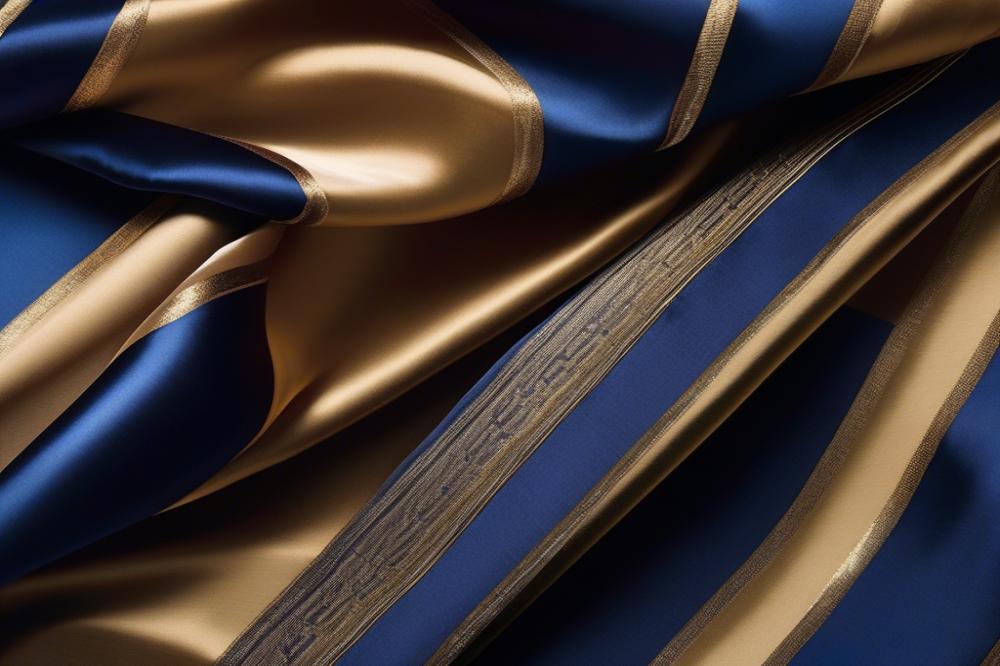
Overview of Italian silk and Its Significance in fashion and Design
Italian silk has a rich and vibrant history that connects deeply with fashion and design. This textile stands out among others due to its exceptional quality and softness. As one of the finest luxury fabrics, it has garnered attention and admiration worldwide. Craftsmanship within Italy plays a crucial role in maintaining this high standard. Skilled artisans dedicate their lives to perfecting the art of silk production, resulting in stunning fabrics that grace the runways of elite fashion houses.
The ‘Made in Italy’ label represents more than just a tag; it signifies a commitment to excellence. When consumers see this label, they often think of luxury goods associated with exceptional design and durability. They recognize that such products boast a tradition of meticulous attention to detail. This heritage resonates with buyers who seek sophistication. In global trade, Italian silk stands as a testament to what can be achieved through dedicated craftsmanship.
Moreover, the influence of Italian silk extends beyond mere clothing. It touches the realms of accessories, home decor, and high-end couture. High-profile designers incorporate this luxurious fabric into their collections, captivating audiences with elegance and style. The allure of silk continues to inspire creativity within the fashion world. It’s not just a fabric; it’s a symbol of Italian artistry and passion for luxurious living.
In summary, the prominence of Italian silk in the global market reflects its unparalleled significance in fashion. The history and dedication behind this textile remind consumers of the importance of supporting traditional craftsmanship. As the world continues to embrace luxury, Italian silk will remain a cherished staple, bridging cultures and tastes across continents.
The History of Italian Silk

The origins of silk production in Italy can be traced back to the Middle Ages. Around the 12th century, Italian merchants began importing silkworms and techniques from the East. This marked the beginning of a rich tradition. Soon, cities like Florence and Como emerged as centers of silk textiles.
Influence from historical trade routes played a crucial role in the development of silk textiles. The Silk Road opened opportunities that connected Italy to Asia. Goods and ideas flowed through these routes. As a result, the demand for luxury goods, especially silk, grew. Italian artisans perfected their craft, creating exquisite fabrics in vibrant colors.
Key regions known for silk production in Italy boast a proud history. Como is celebrated for its silk weaving, producing fine fabrics that are sought after worldwide. This area became synonymous with high-quality couture and luxury fashion. Similarly, Florence flourished as a hub of creativity, marrying tradition and innovation in textile design.
The craftsmanship found in these regions is unmatched. Artisans often use techniques handed down through generations. This heritage creates luxury items that embody the essence of Made in Italy. With every piece, consumers gain a connection to centuries of history.
Craftsmanship Behind Italian Silk
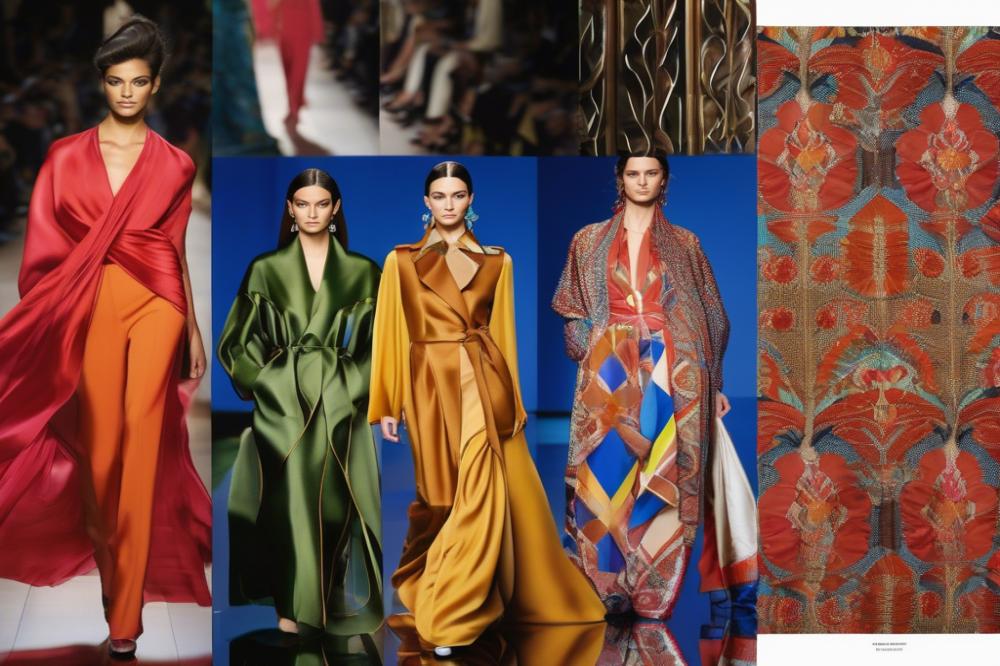
The artistry of textile creation defines much of Italy’s luxury reputation. Traditional methods in silk weaving have been passed down through generations. Each weaver develops their unique techniques, ensuring that the fabrics possess character and quality. Every thread tells a story, rooted in the rich history of the region.
Made in Italy symbolizes more than just production; it reflects a commitment to craftsmanship. Designers and fashion houses seek out these exquisite fabrics for their couture collections. As a result, garments crafted from these textiles stand apart in style and elegance. In the fashion world, the touch and feel of silk can elevate a piece from ordinary to extraordinary.
Artisans play a pivotal role in the creation of luxury goods. Their skills determine the final product’s appeal and value in global trade. Meticulous attention to detail is paramount. Each artisan weaves their passion and personality into the textiles they create, ensuring every piece resonates with luxury and heritage.
The impact of these skilled craftspeople extends beyond the fabrics themselves. They contribute to the identity of Italian luxury. Investing in these artisans means supporting a legacy that upholds traditional craftsmanship with modern sensibilities. People recognize their dedication and intricate work, which validates the high price point of these exceptional products.
The journey of Italian silk production is truly remarkable. From the silkworms nurtured in local farms to the final collections showcased on runways, each step reflects a dedication to excellence. This is not a mere transaction; it’s a connection to history and culture. Every piece crafted tells a part of Italy’s story and beautifully intertwines with the art of fashion and couture.
Italian Silk in Fashion and Design
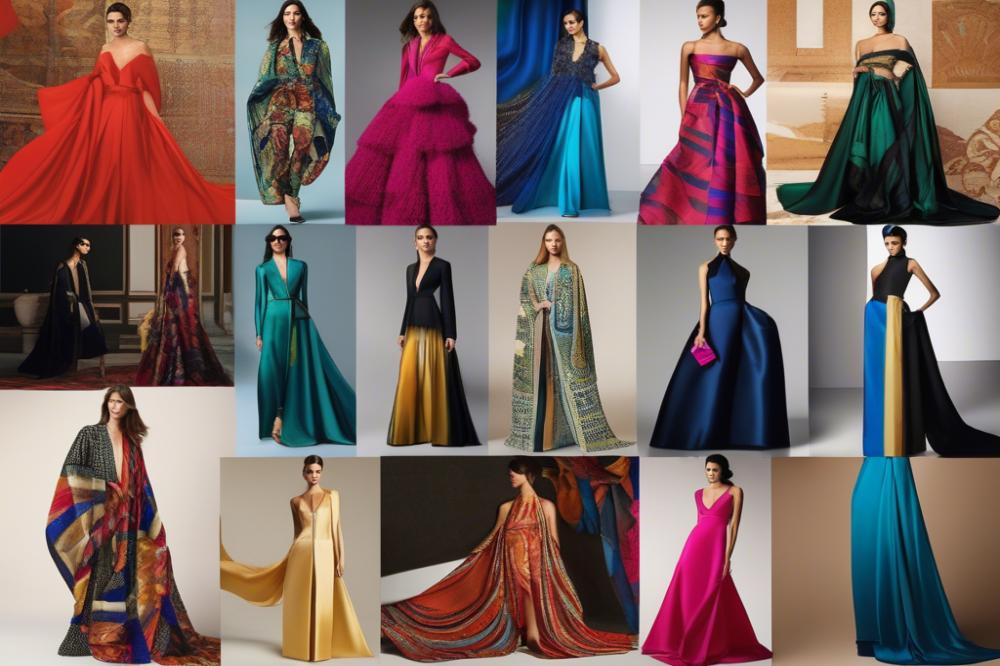
From ancient times, the relationship between Italian silk and the fashion industry has grown strong. It serves as a foundation for many iconic designs. Renowned fashion houses recognize the beauty and quality of these textiles. Designers often choose silk for its elegance and versatility. Italian silk symbolizes a commitment to craftsmanship that is hard to match.
Iconic Fashion Houses Utilizing Italian Silk Textiles
Several famous brands rely on Italian silk to create their luxurious collections. Think of names like Dolce & Gabbana, Gucci, and Prada. These fashion houses showcase the silk in stunning ways, expressing creativity and heritage through their designs. Celebrities frequently wear gowns made from Italian silk at high-profile events. This fabric elevates their style, adding an element of class and sophistication. Using textiles from this region maintains a tradition of quality in luxury goods.
Significance of Silk in Haute Couture Collections
In haute couture, silk plays a vital role. Designers often incorporate it into their collections to highlight intricate details and fine craftsmanship. This material drapes beautifully, making it ideal for flowy gowns and tailored suits. Silks add depth and texture that enhance any outfit. The allure of wearing something “Made in Italy” excites fashion enthusiasts around the world. With every stitch and design, the history of Italian silk unfolds, becoming part of each piece.
Global Trade and the Rise of Italian Silk
Globalization has transformed many industries, and the silk market is no exception. Importantly, this luxury fabric has gained immense popularity across borders. As the world becomes more connected, the demand for high-quality textiles has surged. Consumers now desire products with authenticity and craftsmanship. Thus, Italian silk production has flourished in this global marketplace.
Trade routes play a crucial role in the success of Italian silk products. Initially, goods moved along ancient paths, but now modern logistics connect Italy with markets worldwide. Italian artisans can ship their stunning creations to fashion capitals such as New York, Paris, and Tokyo. These goods carry the prestigious label of ‘Made in Italy’, which signifies quality, style, and heritage.
Market demand for luxury fabrics is booming in many regions. Cultural shifts in fashion trends push consumers toward exquisite materials. Designers increasingly seek unique textiles to create standout couture collections. Luxury goods are not just for the affluent anymore; they are now symbols of lifestyle and status. Consequently, Italian silk has positioned itself as a sought-after choice among discerning buyers globally.
History also plays a vital role in the allure of this fabric. Generations of Italian artisans have honed their skills over centuries. This dedication to craftsmanship creates fabrics that are noted for their sophistication and exclusivity. Silk’s smooth texture and lustrous finish add to its charm, making it the preferred option for high-end garments and accessories.
As the world continues to evolve, so too does the silk industry. The combination of rich heritage and modern innovation enhances its appeal. Global trade dynamics encourage an exchange of ideas and styles, further highlighting how luxury fabrics can shape cultural identities. Moreover, the rise of e-commerce allows consumers to access these exclusive products from anywhere, creating a wider appreciation for the artistry behind Italian textiles.
Heritage and Sustainability in Italian Silk Production
The rich history of silk production in Italy is a fascinating story. For centuries, artisans have used traditional silk-making techniques passed down through generations. This craftsmanship represents a significant part of Italy’s cultural identity. Many regions, especially in Lombardy and Piedmont, are renowned for their exceptional ability to create luxurious textiles.
However, sustainability challenges have emerged in this industry. Pollution, water usage, and the impact of synthetic fibers affect the environment. Global trade often prioritizes cheaper materials over quality, making it difficult for local producers to compete. As fashion trends shift, staying true to craftsmanship becomes harder.
Despite these challenges, efforts are ongoing to maintain heritage while adapting to modern practices. Some artisans collaborate with designers to incorporate eco-friendly techniques into luxury goods. Education plays a role as well, with workshops teaching newer generations about the traditional methods. By embracing sustainability, the industry can preserve its quality while reaching a broader audience.
Buying ‘Made in Italy’ guarantees more than just high quality; it represents dedication to sustainable practices. While couture may often attract attention, the story behind each piece adds value. The balance between respecting history and embracing innovation is crucial for the future of silk production and its place in global trade.
Final Thoughts on Italian Silk’s Journey and Future
The story of Italian silk is one of tradition, craftsmanship, and luxury. This fabric began as a local gem, gaining prestige through skilled artisans in regions like Como and Florence. Over time, it became a staple in haute couture and luxury textiles, captivating designers and fashion enthusiasts worldwide. Its exquisite qualities—softness, shine, and versatility—helped it capture hearts beyond Italy. As a result, this fabric stands at the intersection of heritage and modernity.
In today’s fashion landscape, silk maintains its allure. Designers continue to seek its beauty for runway shows and high-end collections. It adds an element of elegance to garments, making it a favorite among celebrities and everyday consumers alike. Even with the rise of innovative materials, silk holds its ground. Shoppers still crave its classic appeal, illustrating how timeless this fabric truly is.
Looking ahead, the outlook appears bright. As tastes evolve, there is potential for Italian silk to adapt while retaining its core essence. Sustainability will play a significant role in the choices of the next generation. Those in the industry might explore eco-friendly practices to keep production viable and appealing. Embracing technological advancements may also enhance its appeal in a new, more conscious market. The blend of tradition and innovation can likely keep this luxurious fabric relevant for years to come.

