
The Role of Italian Family-Owned Fashion Houses
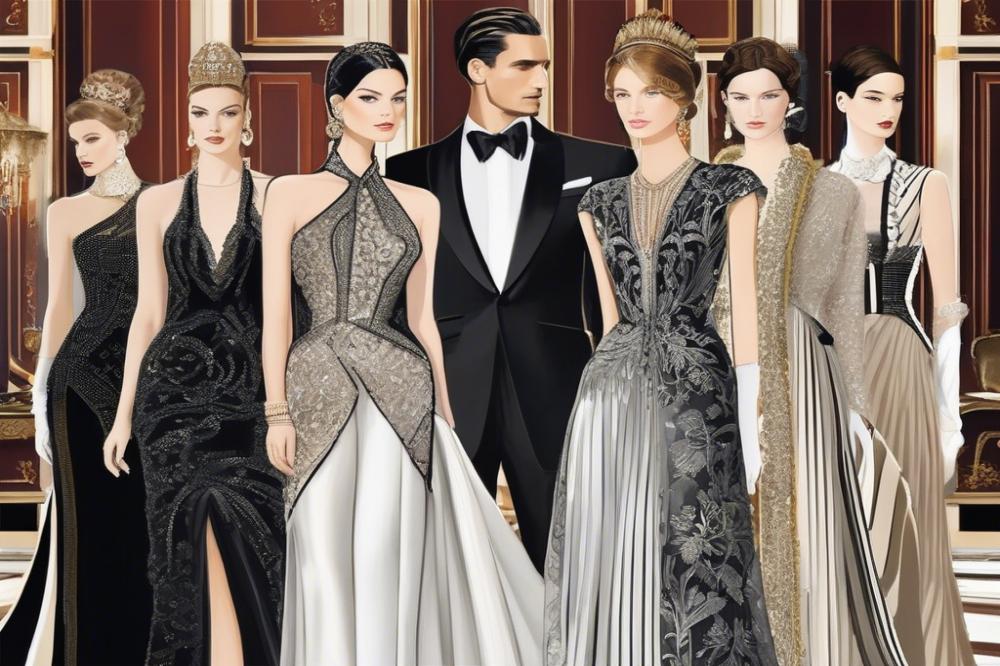
Italian fashion houses represent a pivotal part of the global fashion industry. They are recognized for their rich heritage and outstanding craftsmanship. These brands stand out not only for their luxury items but also for the story behind each product. family-owned businesses play a significant role in shaping these luxury brands. Their long history and family values contribute to the unique identity that these brands present to the world.
Cultural influence is another key aspect of these fashion houses. They incorporate elements from Italy’s diverse history into their designs. This connection to fashion history ensures that each piece tells a story. The commitment to design innovation also sets them apart. Creativity thrives in environments where traditions are respected yet challenged. This balance is what gives birth to new trends while honoring the past.
The legacy of these Italian brands is not only about creating stunning garments. Sustainability is now a focus, impacting how they operate. More consumers demand eco-friendly practices, and family-owned businesses are responding. They understand the importance of protecting the environment for future generations. This awareness fosters a stronger bond with consumers who value ethical luxury.
In the global market, Italian fashion houses have crafted a distinctive niche. Their reputation for excellence draws clients seeking quality and uniqueness. Entrepreneurs within these family-owned brands often bring fresh ideas. They bring a modern twist to traditional designs, appealing to new audiences. This synergy of old and new paves the way for continued success.
The blend of craftsmanship and heritage ensures that Italian fashion remains influential. As trends come and go, these houses maintain a timeless quality. Their ability to adapt while staying true to their roots is remarkable. Those who embrace these brands do so because they value the deep connection to culture and expertise in creation. The world of Italian fashion houses continues to evolve, yet their core values remain unchanged.
Historical Context
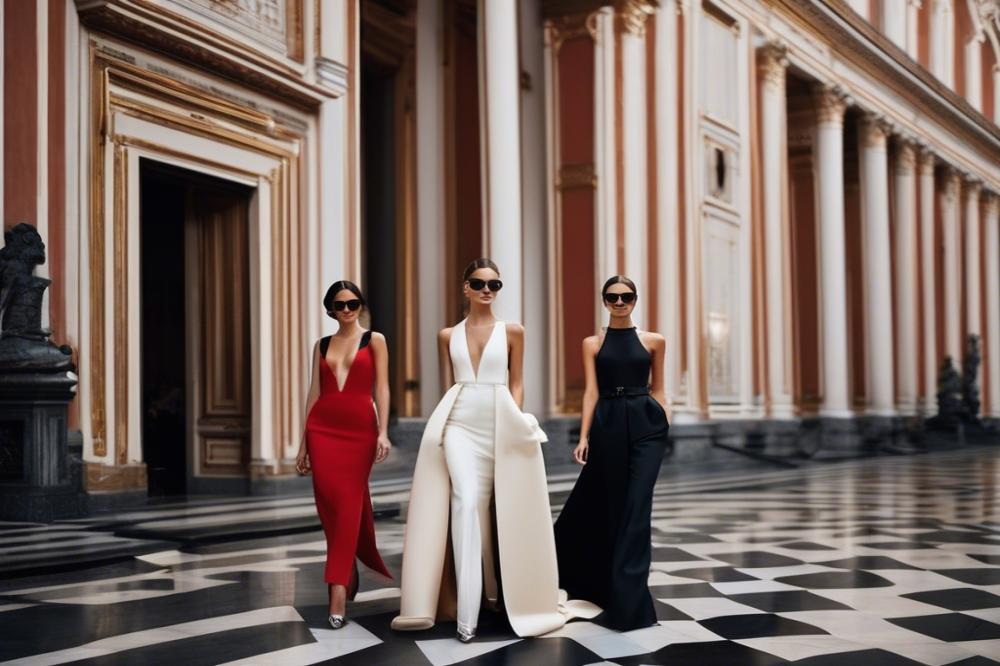
The origins of Italian fashion houses trace back to the late 19th and early 20th centuries. Each brand roots itself in a rich heritage, reflecting the country’s artistic and cultural movements. Milan and Florence emerged as fashion capitals. The rise of these cities wasn’t just about clothing; it was a statement of style and elegance.
During the post-World War II era, Italy experienced a fashion revolution. This period saw remarkable design innovation, where artisans combined traditional craftsmanship with modern techniques. Icons like Coco Chanel and Christian Dior had profound cultural influence. Their designs inspired a new wave of Italian luxury brands to assert themselves on the global stage.
Milestones mark the journey of Italian fashion. The establishment of tailoring houses, including Gucci and Prada, brought attention to bespoke suits and elegant dresses. Entrepreneurs like Guccio Gucci built legacies that continue to thrive. Additionally, innovations in fabric technology and sustainable practices shape contemporary fashion. Brands now focus on sustainability to appeal to modern consumers.
The emergence of fashion as a key industry in Italy has reshaped the global market. It provides countless jobs and connects artisans with luxury brands. Events like Milan Fashion Week showcase the latest trends and celebrate Italy’s deep-rooted fashion history. This not only honors the past but also drives future creativity.
Italian fashion houses encapsulate stories of their founders, showcasing personal journeys and unique visions. Each collection carries a narrative, elevating the experience of the consumer. Through their beautiful creations, these brands inspire new generations of designers to embrace their own ingenuity.
Craftsmanship and Design
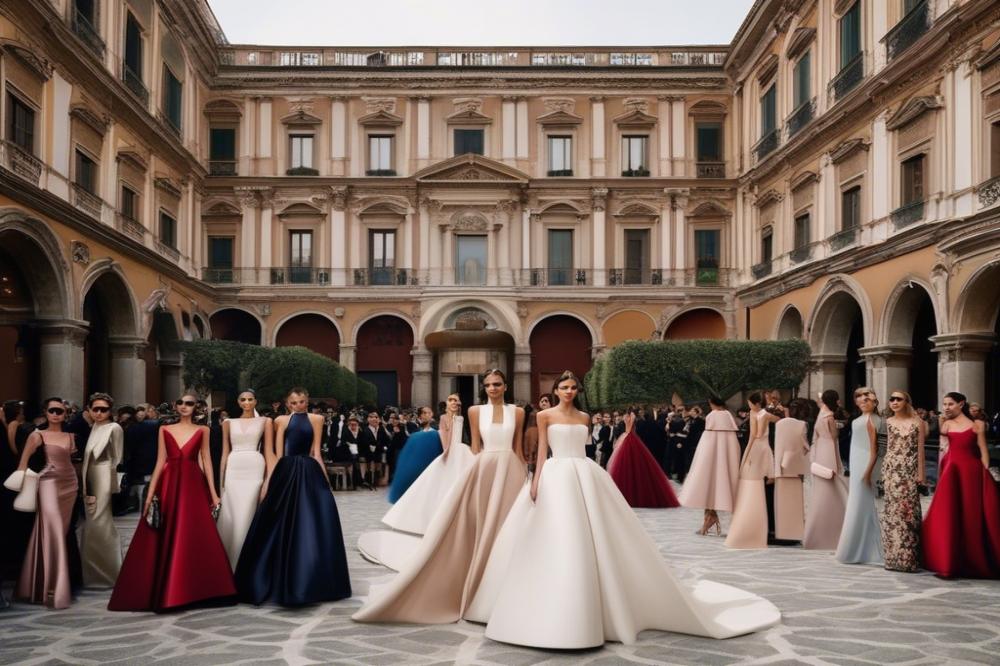
Italian fashion houses are famous for their high standards of craftsmanship. Deeply rooted in heritage, these brands focus on quality materials that last. Luxurious silk, fine leather, and beautiful fabrics create stunning garments. Every piece reflects meticulous attention to detail, which sets them apart in the global market.
Artisan techniques play a critical role in the design process. Skilled craftsmen often spend years honing their skills. Their knowledge of traditional methods influences every stitch. Each item tells a story of fashion history and legacy. This commitment creates an emotional connection to the clothing and its makers.
Family ownership adds a unique twist. When a family runs a fashion house, passion drives their work. Generations of experience often lead to a deep understanding of design innovation. They aim for excellence and prioritize longevity in garments. This focus on quality can lead to sustainable practices, ensuring that production methods do not harm the environment.
Cultural influence also shapes the collections. Family-owned brands often reflect their Italian roots in their designs. Images of the local landscape or inspirations from famous art pieces filter into collections. International consumers are drawn to this authenticity. The storytelling behind each piece resonates on a personal level.
Entrepreneurship in these houses often emphasizes relationships. Many leaders prioritize maintaining high standards over fast trends. This approach creates a sense of trust among customers. They know that investing in these luxury brands means receiving exceptional products that last.
Through craftsmanship and design, Italian fashion houses continue to capture hearts. Their commitment to quality, tradition, and aesthetic appeal lays a foundation for lasting success. This passion not only enriches their legacy but shapes the future of the fashion world.
Legacy and Cultural Influence
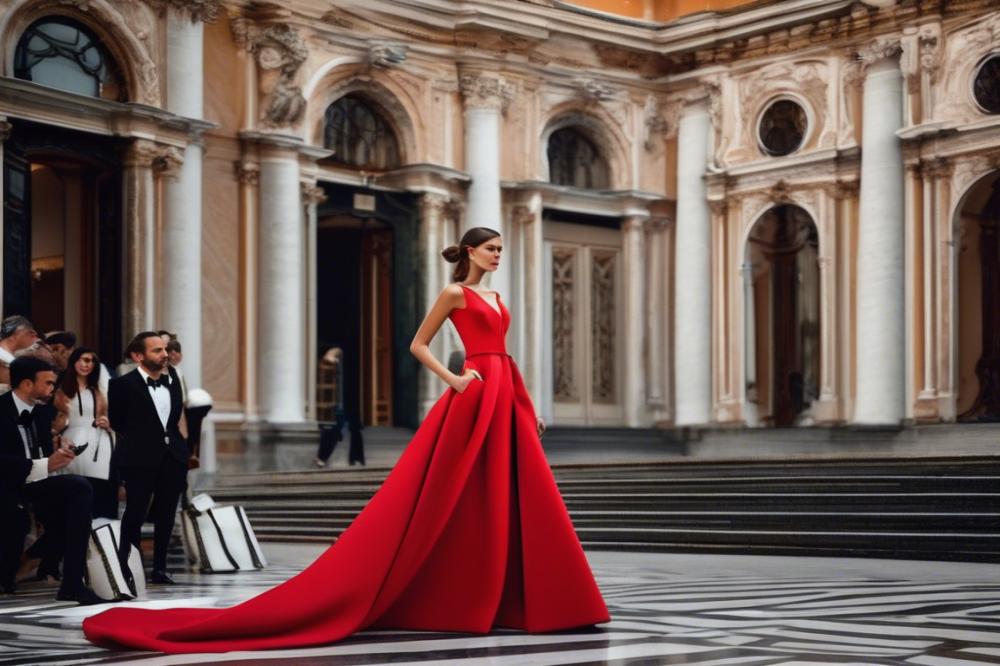
Italian family-owned fashion houses have left an impressive legacy over the decades. Each brand tells a story that resonates deeply with their audience. Their heritage shines through in every pattern and stitch, showcasing craftsmanship that has been honed over generations. This dedication to detail creates a bond with consumers, making them feel part of something greater.
Luxury brands like Gucci and Prada have influenced fashion history worldwide. These houses introduce design innovation that often shapes global trends. The concepts they develop are not just about clothing; they reflect cultural values and societal changes. Fashion becomes a dialogue that speaks to many different people.
Entrepreneurship plays a crucial role in maintaining these brands. Founders created their companies with passion, and this spirit remains. Their commitment to sustainability is also evolving, attracting modern consumers who care about the planet. Balancing tradition with innovation ensures these fashion houses stay relevant in the global market.
Storytelling is essential in establishing brand identity. It helps consumers connect emotionally and understand the essence of a label. Through advertisements and collections, the rich narratives of these Italian brands echo in the hearts of fashion lovers everywhere. The impact of the past continues to influence today’s fashion landscape.
Fashion houses also inspire aspiring designers. Young talent looks to them for guidance and motivation. The cultural influence these brands hold is immense, encouraging creativity and new ideas. As they push boundaries, they invite everyone to embrace a vibrant fashion culture that reflects individuality.
The legacy of these family-owned Houses is about more than just clothes. It’s about a shared journey—a testament to the artistry of Italian fashion. Each piece designed carries whispers of history and dreams for the future. This connection fosters loyalty among customers, who value authenticity and rich traditions.
Sustainability and Ethical Practices
Italian family-owned fashion houses are stepping up their game when it comes to sustainability. These brands have a long history steeped in heritage and craftsmanship. Their commitment to a better planet is more than just a trend; it reflects their legacy of thoughtful entrepreneurship. Many are now focusing on responsible sourcing. This means they select materials that are both ethical and eco-friendly.
Production processes have also seen significant shifts. Several luxury brands are adopting eco-friendly methods. They utilize techniques that minimize waste and reduce pollution. Design innovation plays a key role in this transformation. By creating products that last longer and are easier to recycle, they are changing the game in fashion history.
Ethical labor practices are another crucial aspect. Brands that care about their workers build a solid reputation globally. Fair wages and safe working conditions are becoming the standard, not just an exception. The impact of cultural influence drives businesses to not only sell but to make a difference.
As a result, consumers are increasingly drawn to brands that prioritize sustainability. The importance of this shift cannot be overstated in the modern global market. Shoppers want to know where their clothes come from and how they were made. They seek out businesses that reflect their values. In this way, a deeper connection to fashion can form, rooted in ethics and responsibility.
Overall, the movement towards sustainable luxury within the fashion industry is gaining momentum. Italian family-owned fashion houses are leading by example, setting new standards that will inspire future generations. With their focus on quality, they remind us that true luxury includes respecting our planet and its people.
Entrepreneurship in Italian Fashion
The spirit of entrepreneurship is a driving force behind many successful fashion houses. Founders often come from rich cultural backgrounds, infusing their work with heritage and passion. A notable example is the late Gianni Versace, whose vision transformed luxury brands into icons of style. His daring designs showcased how one person’s creativity could reshape fashion history.
Family members play a crucial role in continuing these legacies. They bring fresh ideas while respecting traditional craftsmanship. This balance allows companies to adapt in a fast-changing market. Taking inspiration from their ancestors, many of these designers target customer desires. They prioritize sustainability, understanding its importance for today’s consumers.
Consider the case of Gucci. Founded by Guccio Gucci in 1921, it evolved under newer generations. Each family member contributed to its growth, demonstrating the power of teamwork. Their focus on design innovation kept the brand relevant and appealing. Today, Gucci stands as one of the most influential luxury brands worldwide.
Entrepreneurs face many challenges in the competitive global market. Change is constant, yet those who adapt thrive. Brands that embrace technology often lead the race. Digital platforms have become essential to reaching a broader audience. This shift allows traditional values to merge with modern trends, creating a unique response to cultural influences.
The story of Prada highlights the role of strategic thinking. Founded by Mario Prada, the company gained fame for its leather goods. In the 1980s, Miuccia Prada injected modern aesthetics into the brand. Her innovative ideas captivated the fashion industry, establishing Prada as a leader. This journey illustrates how adaptability and entrepreneurship can redefine a legacy.
In summary, the fusion of heritage and fresh design leads to great successes. The entrepreneurial spirit must balance respect for craftsmanship with the need for change. Italian fashion houses often embody this challenge, proving that innovation is key to survival and growth in today’s world.
The Legacy of Italian Family-Owned Fashion Houses
Italian family-owned fashion houses hold a special place within the fashion industry. Their influence stretches across various aspects of global style, luxury, and craft. For decades, these houses have set standards that echo in runway shows and storefronts worldwide. They weave together a rich heritage that speaks of tradition, culture, and artistry, making their imprint undeniable.
Craftsmanship is at the heart of everything they do. Each piece that emerges from these renowned houses transcends mere clothing. It represents the dedication and skill passed down through generations. Customers often seek out these items, not just for their stylish appearance but for the story they carry. Such emotional connections deepen the appreciation for what fashion truly represents.
When considering sustainability, many of these brands are leading the way. They highlight ethical practices, showing the fashion world that style and responsibility go hand in hand. By sourcing materials thoughtfully and focusing on high-quality production, they are helping to reshape consumer expectations. Modern shoppers now consider where and how their clothes are made, pushing the industry towards more sustainable choices.
In summary, the role of these iconic fashion houses is complex and vital. They celebrate their lineage while embracing innovation. As fashion continues to evolve, the contributions of family-owned brands will be key in shaping the future. Their commitment to luxury, craftsmanship, and sustainable practices offers a bright path forward for the entire industry.

