

Introduction
In Italy, cats hold a special place in the hearts of many. They have a long-standing presence in Italian culture. Often seen lounging in sunlit piazzas or prowling through narrow alleyways, felines are both companions and symbols of urban life. This connection goes beyond mere affection. Cats embody a sense of freedom and independence that many admire.
Street cats play a significant role in urban areas. These animals are not just stray; they represent a part of the community’s character. Many residents feel a sense of responsibility toward these furry inhabitants. They contribute to the local ecology, acting as informal control for rodents and offering companionship. Recognizing their importance, various local organizations advocate for the humane treatment and well-being of these animals.
The purpose of this article is to explore how Italians care for these street cats. Emphasis will be placed on methods like TNR (trap-neuter-return), which aids in controlling the population and improving feline welfare. Additionally, volunteer efforts highlight the importance of community support in urban spaces. Caring for these animals showcases a broader commitment to the urban wildlife that enriches city life. Through understanding these practices, readers will gain insight into the synergy between humans and street cats in Italy.
Understanding community cats

community cats are often seen wandering in urban areas, and they play an important role in city life. These felines can be defined as free-roaming cats that may or may not have an owner. The distinction between stray cats and feral cats is crucial. Stray cats are typically pets that have lost their homes, while feral cats are unsocialized animals that have lived outdoors for their entire lives.
In urban settings, community cats contribute significantly to the ecological balance. They are part of the urban wildlife landscape, affecting local ecosystems in various
Cultural Attitudes Towards Cats

Cats as Symbols in Italian Culture
Cats hold a special place in Italian culture. Historically, they have been associated with good luck and prosperity. Many Italians see them as symbols of independence and grace. The image of a cat wandering through ancient streets is a common sight. Art, literature, and folklore often celebrate these animals. Their presence in homes is cherished, and feline friends are loved.
Historical Perspectives on Feline Welfare
Looking back, the care for street cats has roots in historical practices. In many Italian cities, cats were valued for curbing rodent populations. Over time, attitudes grew towards more humane treatment. This shift laid the groundwork for current feline welfare initiatives. Traditions of caring for animals evolved, highlighting compassion and responsibility. Old tales often depict cats as wise companions, deserving protection and respect.
Modern Attitudes Towards Street Cats
Today, urban areas see a blend of admiration and concern for street cats. Many residents engage in cat care through various methods. Local organizations work tirelessly to promote TNR (trap-neuter-return) programs. These efforts help manage the population and improve health among felines. Community support plays a significant role in these programs. Volunteer efforts are numerous, with people donating time and resources. They provide food and shelter to these animals, fostering a sense of shared responsibility. Awareness about urban wildlife continues to grow, transforming perceptions. People increasingly recognize the need for balance between humans and animals.
Cat Care Practices in Urban Areas
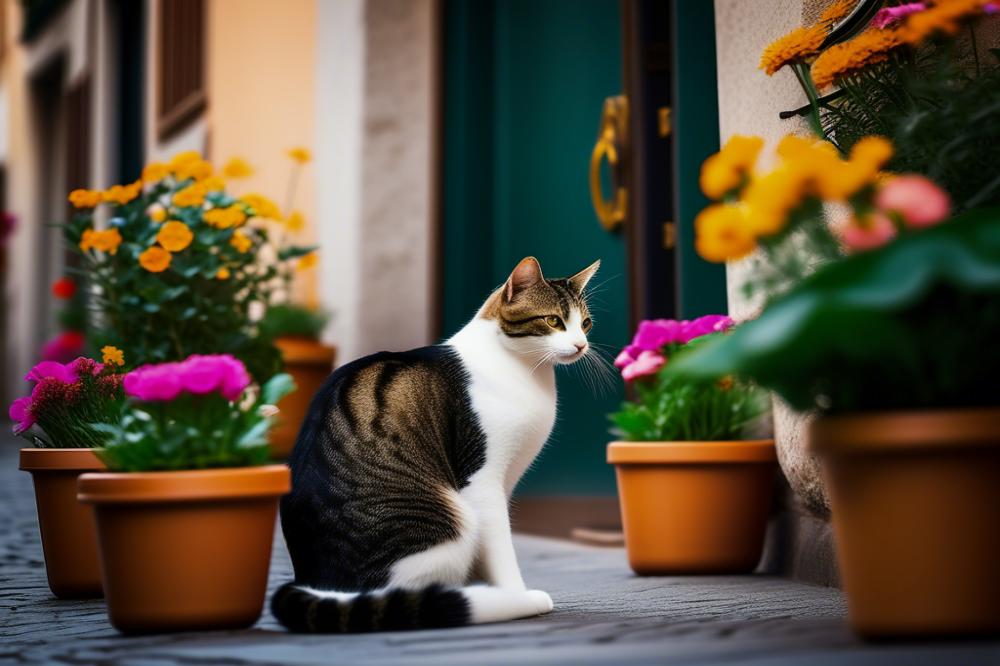
In urban areas across Italy, caring for street cats has become a vital concern. Daily feeding is one of the most common practices that community members engage in. People often place bowls of food in safe, discreet locations. This simple act makes a big difference in the lives of these animals. Dedicated volunteers frequently check these spots to refill food and water. Mixing wet and dry food helps cater to different preferences. Cats, like all living beings, require consistent nutrition to thrive.
Sustainable feeding practices are crucial for the health of both felines and urban wildlife. Offering food responsibly prevents problems like overpopulation. Many individuals choose specific times for feeding, which helps avoid attracting rodents or other pests. Setting a routine is also important to keep the cats comfortable and fed regularly. By providing meals without overwhelming the environment, locals contribute to a balanced approach to cat care.
The Role of Local Organizations and Community Support
Local organizations play a significant role in promoting feline welfare. Many of these groups focus on TNR (trap-neuter-return) programs. Through TNR, volunteers humanely trap street cats, spay or neuter them, and return them to their original locations. This reduces the overall cat population and improves their quality of life. Community support strengthens these initiatives. Assistance can come in various forms, such as donations, participating in awareness campaigns, or simply spreading knowledge about responsible cat care.
Many communities in Italy actively engage in collective efforts to care for these animals. Often, neighborhood networks form, where residents share responsibilities and resources. This collaboration enhances the effectiveness of care practices. Everyone involved shares a common goal: to promote the well-being of these street cats. With ongoing education and outreach, urban populations learn the importance of humane treatment. Ultimately, a strong community connection fosters a healthier environment for both cats and their human caretakers.
TNR (Trap-Neuter-Return) Programs
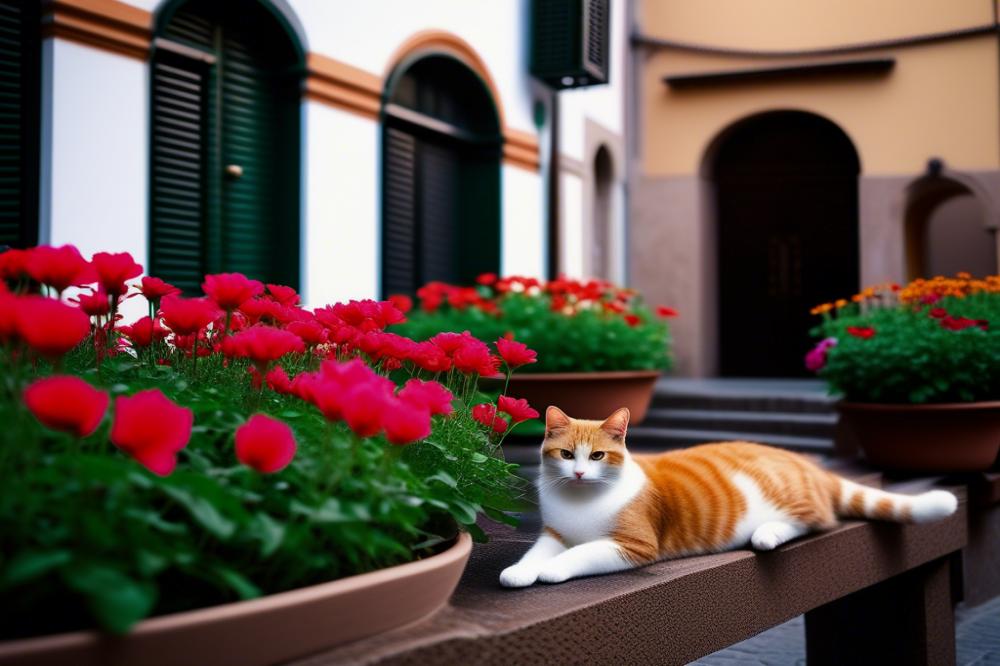
Overview of TNR and its benefits for feline welfare
TNR, or trap-neuter-return, is an effective method used to manage feral cat populations in urban areas. This method involves humanely trapping street cats, neutering or spaying them, and then returning them to their original location. It helps reduce the number of kittens born each year. This approach improves feline welfare significantly. By controlling the population, fewer animals face starvation and disease.
Many people believe that TNR contributes positively to urban wildlife. Fewer stray cats mean less competition for resources and a healthier environment for local species. It promotes humane treatment of these animals as well. Committed volunteers play a vital role in this process, offering time and services to help cats in need.
Examples of successful TNR initiatives in Italian cities
Several cities in Italy have embraced TNR programs with impressive results. In Rome, local organizations have partnered with volunteers to create a structured approach to managing street cats. Their efforts have led to a noticeable decline in the population of feral kittens.
Naples has also seen success with its initiatives. Community support plays an important part there. Residents often feed the cats and report those needing medical care. This collaboration ensures that many cats receive treatment and can enjoy healthier lives.
Collaborations between volunteers and local authorities
The partnership between volunteers and local authorities stands out in many regions. In Milan, city officials recognize the value of TNR programs for sustenance and harmony. Volunteers work alongside veterinarians, ensuring the cats receive proper medical attention.
Local organizations often receive support from municipalities, creating an efficient system of care. Airing public awareness campaigns helps educate citizens about the importance of humane treatment. With community backing, these initiatives thrive, making urban spaces better for both the cats and their human neighbors.
Active engagement of individuals leads to long-term solutions. It transforms how society views and cares for these animals. Therefore, TNR programs truly reflect a community’s commitment to animal welfare.
Volunteer Efforts and Community Involvement
Role of Volunteers in Cat Care
Many individuals step up to help street cats in urban areas. Through their dedication, volunteers play a vital role in cat care initiatives. They often engage in trap-neuter-return (TNR) programs. This process helps to control the feline population and improves the health of these animals. Volunteers also provide food, water, and shelter when possible. Their commitment extends beyond mere feeding. Education about proper care and humane treatment is also shared with the community.
Impact of Community Support on Welfare Initiatives
Community support proves essential for successful welfare programs. Donations from local businesses and residents make a significant difference. Fundraising events often draw crowds who want to help. These gatherings not only raise money but also foster a sense of unity. Urban wildlife activists often partner with volunteers to promote awareness. The combined effort enhances the visibility of feline welfare issues. In turn, more people become motivated to participate and make a change.
Profiles of Local Organizations Working with Community Cats
Numerous local organizations focus on caring for urban cats. Some groups host regular TNR clinics to help control populations. Others provide medical assistance and adoption services. For example, Cats of the World has made significant strides in educating people. Their outreach programs teach the community about responsible pet ownership. Additionally, the Feline Rescue Network offers resources for those who want to help. They provide advice on caring for feral cats and handling various situations. Each organization contributes uniquely to improving the lives of these animals in the city.
Humane Treatment and Legal Framework
Italian Laws Regarding Cat Welfare
In Italy, laws focus significantly on the welfare of animals, including street cats. Legislation promotes responsible cat care, which is crucial in urban areas. The country has established various protections to ensure these animals receive humane treatment. Local organizations are essential in enforcing these laws, often stepping in when issues arise. Volunteers actively participate, advocating for better practices concerning feline welfare.
Importance of Humane Treatment for Street Cats
Treating street cats humanely is vital for their survival and overall health. Stray populations can grow quickly, creating problems for both the animals and the communities. Responsible care includes feeding, providing shelter, and medical attention when needed. Humane treatment also promotes public awareness about the importance of protecting urban wildlife. People in the community often rally together to support these efforts, emphasizing kindness and responsibility.
Challenges Faced by Community Cats in Urban Environments
Urban areas present unique challenges for street cats. Food sources can be scarce, leading to malnutrition and disease. Additionally, the stress of living in busy environments can take a toll on their health. Community support plays a crucial role in helping these animals thrive. However, despite local efforts, issues like overpopulation remain significant. TNR (trap-neuter-return) programs have emerged to address these problems. They help manage cat populations more effectively while ensuring the well-being of these animals.
Urban Wildlife and the Ecosystem
Cats as Part of Urban Wildlife
Cats have become an important part of urban wildlife in many cities. They roam the streets, often finding food and shelter in various places. Street cats adapt well to city life. Some people see them as part of the problem, while others understand their role in the ecosystem. Feline welfare is a concern, but many believe in humane treatment for these animals. Local organizations work to provide care for cats living outdoors. Volunteers often take the initiative to feed and monitor their health. TNR, or trap-neuter-return, is one effective method for managing cat populations in urban areas.
Balancing Community Cats with Local Ecosystems
Finding balance in urban ecosystems can be challenging. Cats often hunt small animals, which can impact local wildlife. Birds and small mammals can suffer from this predation. It’s crucial to observe how street cats interact with their environment. Community support is vital to creating a strategy that protects both the cats and wildlife. Many organizations focus on promoting a stable population of cats while educating the public about coexisting with urban wildlife.
Managing the Relationship Between Cats and Other Wildlife
Managing the relationship between cats and other species requires careful planning. The presence of street cats can disrupt existing wildlife activities. Educating pet owners about responsible cat care is essential. Moreover, involving the community in volunteer efforts can lead to better outcomes. People can help monitor cat populations and support TNR programs. This cooperation fosters a sense of responsibility, encouraging humane treatment of cats. It also protects the delicate balance within urban areas. Collaboration between residents and local organizations leads to sustainable solutions for urban wildlife challenges.
Wrapping Up Our Discussion
Urban areas in Italy have a rich history of caring for stray felines. Understanding the methods used by locals reveals a compassionate approach. Many individuals and organizations play vital roles in this effort. Programs such as Trap-Neuter-Return (TNR) have gained traction. These initiatives not only help control the cat population but also promote healthier lives for the animals. People come together to provide food, shelter, and medical care. Such actions have a profound impact on the well-being of these furry wanderers.
Engagement from the community is crucial. When residents take an active role, they create a network of support. It fosters a sense of responsibility among neighbors. Through awareness efforts, individuals learn how to care for these cats. Education about feline welfare can spark interest. This involvement builds a bond between humans and animals.
Every little action counts. Encouraging more residents to participate in cat care initiatives can make a difference. Volunteering time or donating supplies can greatly assist those who are dedicated to helping. Each contribution adds to the collective effort. Together, communities can improve the lives of stray cats and create a more compassionate environment. The partnership of residents can lead to long-lasting change. Let’s all consider how we can lend a hand, ensuring these urban dwellers are cared for and respected.

