

Understanding Italian pottery and Its Cultural Significance
Italian pottery has long been a vital part of the nation’s cultural fabric. From vibrant dinnerware to artistic decorative pieces, ceramics reflect the values and stories of Italian life. Each piece tells a tale of its maker, imbued with a sense of history and tradition.
The rich history of ceramics in Italy can be traced back thousands of years. Ancient Romans and Etruscans laid the groundwork for what would become a flourishing craft. Over the centuries, various regions developed their own styles and techniques, resulting in a diverse range of handmade pottery.
Learning pottery making skills through courses is essential for those interested in this art form. Artisan workshops frequently offer hands-on training, helping participants connect with traditional crafts. The instruction not only helps in mastering pottery techniques but also fosters an appreciation for the cultural heritage embedded in every creation.
Engaging in these workshops provides insight into the intricacies of design and craftsmanship. Participants experience a direct link to the artisans, who often include their personal stories within the process. As students mold the clay, they also shape their understanding of an art form steeped in history.
By embracing the traditions of Italian pottery, individuals contribute to preserving a timeless craft. Each lesson learned becomes part of a larger narrative, one that honors the creativity and skill of generations past. In essence, pottery courses serve as a bridge connecting the old with the new, inviting everyone to explore this unique artistic journey.
The Art of Italian Pottery

Traditional pottery in Italy is rich in history and beauty. Various styles reflect the regions from which they originate. Ceramics from Tuscany showcase vibrant colors and intricate patterns. Artists often draw on historical themes, blending old methods with modern touches. This combination makes for captivating pieces.
In contrast, Sicilian pottery features bold designs and unique motifs. Artists might use bright yellows and greens, inspired by the island’s landscapes. Each piece tells a story through its colors and shapes. Techniques vary widely across regions, as local resources and traditions come into play.
Pottery making is not just about functionality. The design in handmade pottery plays a crucial role in its appeal. Aesthetic choices reflect cultural heritage and the community’s character. This emphasis on design transforms an everyday item into an art form.
Many artisans participate in pottery courses to hone their skills. These courses offer a deep dive into the principles behind the craft. Students learn various pottery techniques that have been passed down through generations. Artisan workshops provide hands-on experience, fostering a connection to Italy’s artistic legacy.
Italian artisans often incorporate symbolism into their work. Each design element may carry significance, linking to historical events or local folklore. This aspect enriches the viewer’s understanding of the piece. With every workshop, a new generation of potters emerges, ensuring traditions continue to thrive.
The experience of crafting pottery is deeply personal for many artists. They pour their passions into each item, creating a reflection of themselves. This connection to the craft allows for continued innovation within the tradition. Observing pottery making reveals the intimate bond between the artisan and their work.
Pottery Courses and Workshops Across Italy
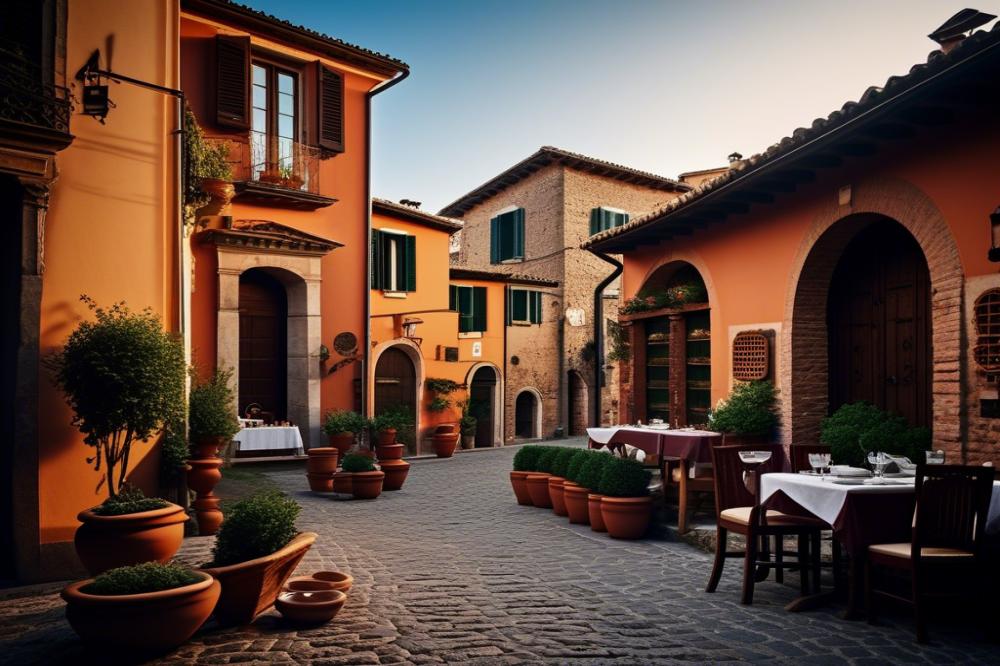
Artisan workshops and pottery courses are abundant in Italy, drawing people from around the world. Each key city offers its own distinct style and charm. Florence, Faenza, and Deruta are among the most notable places to explore pottery making.
Florence: A Renaissance Revival
In Florence, participants often find themselves immersed in a rich history of art. Courses here can cover various pottery techniques, blending traditional methods with modern designs. Beginners can easily learn basic skills like hand-building and glazing, while advanced students may explore intricate wheel throwing and decorative techniques.
Faenza: The Heart of Ceramics
Faenza is widely recognized for its enduring ceramic heritage. The city boasts multiple artisan workshops where craftsmen share their expertise. Students can engage in hands-on experiences, creating their own handmade pottery. Workshops often emphasize the use of local clay and traditional glazing methods. Programs vary in length, accommodating both short-term visitors and long-term learners.
Deruta: Tradition Meets Innovation
Deruta is famous for its vibrant majolica pottery. Here, workshops focus on colorful patterns and historical motifs. Local artisans teach about the cultural significance of their craft. Courses cater to different levels, making it accessible for all. Participants can expect to delve into painting techniques and surface decoration. Many students leave with beautiful, personal pieces that reflect their journey.
Course Structures and Learning Paths
Courses in these cities typically range from a few days to several weeks. Some workshops offer daily sessions, while others run on a weekly basis. Participants often start with basic skills before progressing to more complex projects. Learning from Italian artisans is central to these experiences. They share not just techniques but their passion for traditional crafts. Each lesson helps to deepen the understanding of pottery making as an art form.
Whether you want to master fine details or simply enjoy crafting, the variety of courses meets various needs. The process of shaping clay becomes a journey into creativity and personal expression. Importantly, students connect with Italy’s cultural heritage through every piece they make. These workshops provide not just skills but lasting memories.
Hands-On Experience: Crafting Techniques
Pottery making courses in Italy offer an in-depth look at traditional techniques. Students learn essential skills through hands-on experience. Each class focuses on different aspects of ceramics. Some may emphasize wheel-throwing, while others explore hand-building methods.
Importance lies in practice. Crafting handmade pottery requires repetitive motion and patience. Students fine-tune their abilities as they shape clay into beautiful forms. This direct engagement fosters a deeper understanding of the art. Learning from seasoned artisans enhances the educational experience greatly.
Different tools play a crucial role in the pottery-making process. Common items include clay cutters, ribs, and sponges. Each tool serves a specific purpose in shaping and refining the final piece. Materials vary as well, with different types of clay influencing texture and color. Many artisans prefer unique local clays that add character to their work.
Artisan workshops across Italy provide an immersive atmosphere. Participants can see the cultural heritage alive in every piece created. Many courses incorporate design principles, helping students develop their own unique styles. Traditional crafts are not just about the final product, but about the journey of creation itself.
Engaging with Italian artisans brings an additional dimension to learning. These masters share stories of their craft, embodying a rich history. Students gain insights that textbooks cannot convey. As they work side by side, their ability to apply pottery techniques grows.
Cultural Heritage and Artisan Community
Italy boasts a rich tapestry of cultural heritage, particularly visible through its pottery. The craft of ceramics reflects centuries of tradition and skill, passed down through generations. Many artisans dedicate their lives to mastering pottery techniques that highlight their local history. Each piece of handmade pottery tells a story, often rooted in the very soil from which it originates.
Italian artisans contribute significantly to this vibrant scene. Their methods vary from region to region, often inspired by local customs and materials. From the colorful majolica of Deruta to the elegant designs of Tuscan ceramics, the diversity is breathtaking. They imbue their work with passion, showcasing not only their talent but also their cultural identity.
Preserving traditional crafts is crucial in today’s world. These skills are not just practical; they serve as a reminder of the past. In a society that increasingly values technology, one must reflect on the worth of handmade pottery and its role in human experience. Even the youngest generations find value in learning these crafts through pottery courses and artisan workshops.
Moreover, pottery making fosters community. Local workshops often become gathering places, where stories and techniques are exchanged. Participants in these classes not only learn about design but also bond over shared experiences. Such connections help to guard against the fading of cultural practices.
The significance of pottery extends beyond mere decoration. It encapsulates a lifestyle, a way of connecting with the earth and with each other. Each artisan’s work not only celebrates their lineage but also invites others to appreciate the beauty of tradition. In cities and villages alike, this art form remains a living expression of Italy’s heritage.
In summary, the world of ceramics is alive with energy and history. Each stroke of a brush, deepening color, or carefully shaped clay reveals an artisan’s commitment to their craft. Understanding and supporting this community strengthens the ties to the past and enhances appreciation for the present.
Wrapping It Up
Learning the craft of ceramics offers a connection to Italy’s rich history. Engaging in pottery courses opens doors to new skills and ways of thinking. It goes beyond just making objects; it’s about embracing a deep tradition that spans generations. By creating with your hands, you discover a side of art that is both expressive and grounding.
Cultural enrichment comes with every new piece you craft. Each stroke of the brush and shape of the clay serves as a reminder of the stories behind every tradition. Courses provide not only techniques but also the chance to meet others who share this passion. These experiences can lead to friendships that last long after the class ends.
Artistry and tradition are deeply intertwined in this field. When you mold clay, you become part of an ongoing story. Every pot, dish, or decorative piece holds a heritage that reflects the uniqueness of Italian culture. This connection transforms simple learning into a meaningful journey.
As you consider diving into the world of ceramics, think about the rich experiences that await. Pottery will challenge your perspective and inspire your creativity. Embrace this opportunity to learn, create, and connect with a tradition that is both beautiful and timeless.

