
The Role of Roman Centurions: Uniforms and Weaponry
The Roman Empire stood as a colossal force in ancient history. Spanning three continents, it was known for its vast territories and impressive power. Military excellence played a crucial part in the Empire’s expansion. The Romans developed strategies that helped maintain control over numerous regions. The army was not just a fighting force; it symbolized Roman dominance.
In this context, Roman centurions emerged as pivotal figures within the military structure. These leaders, often responsible for a century of around eighty men, held substantial authority. Their ability to inspire and command respect was essential for maintaining discipline among troops. As seasoned fighters, centurions combined combat experience with leadership skills. Their role transcended mere combat; they were the backbone of the Roman military machine.
Uniforms and weaponry served as defining elements of a centurion’s presence. The attire of a centurion was not just for show. It reflected rank and experience, setting them apart on the battlefield. Various weapons, like the gladius and pilum, were crucial tools for ensuring victory. Learning about these aspects provides valuable insight into the everyday life of a centurion. Understanding their role also highlights the organization and strength of the Roman army. This discussion will delve deeper into the distinctive elements that made centurions so vital, including their attire and armaments. For additional details, check out #anchor_text_1# and learn more through #anchor_text_2#.
The Role of Roman Centurions
Centurions held significant positions in the Roman army. They were more than just leaders; their roles combined various responsibilities. Each centurion commanded a century, which comprised about eighty soldiers. As such, they played a vital part in the command structure of the legion.
Leadership Role and Command Structure
In the hierarchy of the military, centurions ranked just below the tribunes. Their authority made them essential for maintaining order within their ranks. Each centurion had a unique stance in the army that came from being battle-hardened veterans. Experience often shaped their decisions in both training and combat. Officers could count on centurions for advice due to their insight from years of service.
Under their command, troops learned to follow directions efficiently. Centurions executed orders from higher-ups while managing day-to-day operations. Soldiers usually respected centurions for their leadership skills and knowledge. This respect was crucial for morale in challenging situations.
Importance in Training and Discipline
Training was a significant aspect of a centurion’s duties. They developed soldiers into formidable warriors through rigorous programs. Regular drills ensured that troops remained prepared for battle. Beyond just physical training, they enforced strict discipline that kept the ranks in line. Discipline was paramount for the functioning of the army, especially in chaotic scenarios.
A centurion would often be seen correcting misbehaviors before they escalated. The ability to uphold standards and maintain unity was key for an effective military force. Centurions instilled a sense of responsibility among their soldiers, shaping not only skilled fighters but also dependable comrades. This combination of leadership, training, and discipline formed the backbone of the Roman military.
Uniforms of Roman Centurions
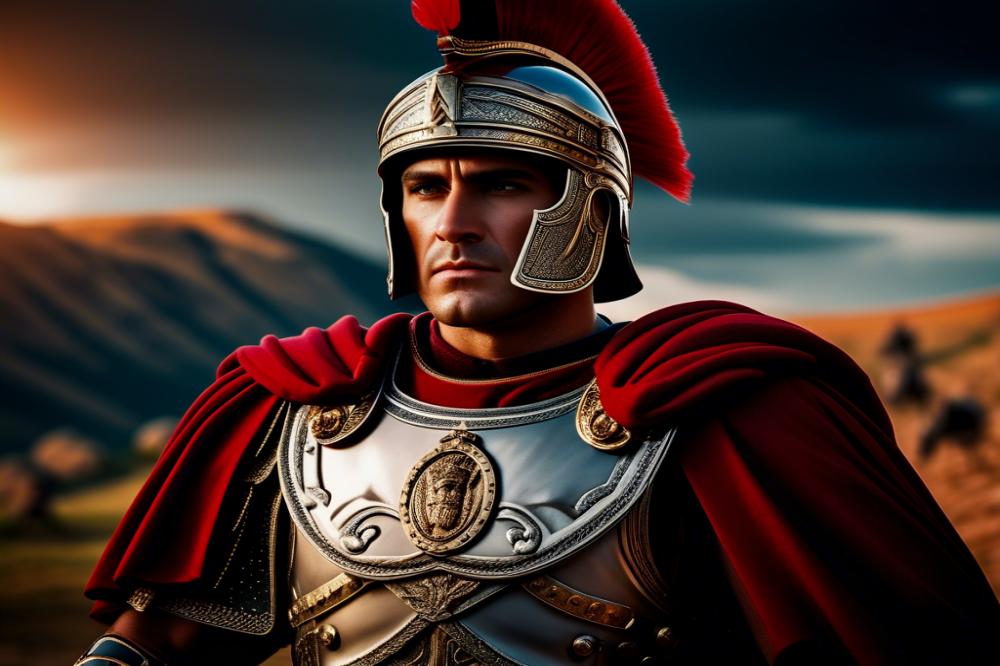
Centurions, the backbone of the Roman military, wore distinctive uniforms that symbolized their authority and rank. Their standard outfit typically included a tunic, a balteus, which was a broad leather belt, and a helmet adorned with crest feathers. Often, the tunic was dyed red or another bright color to help the centurion stand out on the battlefield. The helmet had a visor, which provided protection, while the greaves safeguarded the legs during combat.
Craftsmanship played a vital role in creating these uniforms. Artisans skillfully crafted garments from wool or linen, while the leather gear was often produced using traditional techniques. The attention to detail was remarkable, with intricate patterns on belts and decorative elements on helmets highlighting the centurion’s status. High-quality materials ensured durability, as these uniforms faced the wear and tear of rigorous military campaigns.
Variations in Uniforms Based on Rank and Time Period
Uniforms varied based on rank and the historical period of service. A centurion of a higher rank might wear a more elaborate helmet, complete with decorative plumes. By contrast, lower-ranking soldiers donned simpler attire, reflecting their status within the legion. Over time, these garments evolved. During earlier periods of the Roman Republic, uniforms were simpler. As the Empire expanded, so did the complexity of the designs.
Later periods saw even more differences. The inclusion of shoulder protection and more sophisticated boots became common as the military faced new challenges. Furthermore, regional influences sometimes altered traditional styles, introducing new materials or designs. This adaptability allowed the centurions to carry a piece of Rome with them, no matter where their duties took them.
Armor and Protective Gear

Centurions were key officers in the Roman army. They played a crucial role in ensuring discipline and strategy during battles. The armor they wore was an important part of their identity and effectiveness in combat.
Overview of Armor Used by Centurions
Centurions typically wore a variety of protective gear that provided defense on the battlefield. The primary component of their armor was the lorica segmentata, which consisted of overlapping metal strips. This design offered flexibility while maintaining strength. Some centurions also used chainmail, a type of armor made from interlinked metal rings. Each piece of armor contributed to their safety against enemy attacks.
Types of Protective Gear
Helmets were another essential part of a centurion’s ensemble. They featured distinctive crests or plumes made of horsehair, which made them easily identifiable. These helmets often had cheek guards and a visor, protecting the head while also enhancing visibility. A large shield, known as a scutum, was commonly wielded by centurions. It curved slightly and provided substantial coverage in battle.
Alongside these items, body armor offered enhanced protection. Armor was often crafted from sturdy materials to withstand slashes and blows. Various designs were tested to increase comfort and mobility. Centurions needed to move swiftly in combat situations, so minimizing weight was key.
Innovations in Armor Design and Their Effectiveness in Battle
Over time, armor designs evolved due to advances in warfare and technology. New techniques in metallurgy allowed for lighter yet stronger materials. This made it easier for centurions to engage in combat efficiently. Improved protective gear enhanced their ability to endure prolonged battles.
The innovations did not stop at the armor. Customization options emerged, allowing centurions to modify their equipment. Some added extra plates for increased protection, while others chose styles that showcased their rank. These developments influenced battlefield strategies and approach.
Ultimately, the armor and protective gear worn by centurions were essential. They allowed these leaders to maintain their authority and survive in the chaos of battle. Each piece served a purpose, helping to secure victories and uphold the might of Rome.
Weaponry of Roman Centurions
Centurions wielded several primary weapons that set them apart on the battlefield. The gladius, a short sword, was their mainstay. This weapon measured around 18 to 24 inches long and was designed for close combat. It allowed for quick strikes, ideal for the tight formations used by Roman soldiers. Additionally, centurions often carried a larger version of the gladius, known as the “gladius hispaniensis,” which had a broader blade for more powerful slashes. Complementing their swords, they also employed a pilum, a type of javelin. This spear was specifically crafted to be thrown at enemies before engaging in hand-to-hand combat.
Centurions did not simply utilize standard weaponry. Their arms differed significantly from those of regular soldiers. While common legionnaires usually carried one gladius and a pilum, centurions possessed greater variations in their gear. They might also have a large shield or a specialized helmet, providing extra protection and a commanding presence. This distinction was vital. Leadership on the battlefield required them to stand out, and their weapons played a crucial role in this responsibility.
Specific weaponry offered valuable tactical advantages to these leaders. The gladius made it easier to fight in the midst of tightly packed troops. When formations clashed, having a shorter sword allowed for effectiveness in close quarters. Pilums had another unique feature—they were designed to bend upon impact. This meant enemies could not throw them back. Such strategies hindered opponents and maintained Roman superiority during conflicts.
The effectiveness of a centurion’s weaponry also played a role in morale. Their advanced equipment inspired respect among the troops. With a commanding presence, a centurion became a figure of leadership and authority. Well-armed and with experience, they could turn the tide in heated battles, demonstrating skill and expertise. Details of their unique weaponry demonstrate how crucial these roles were in the Roman military, influencing tactics and outcomes in numerous battles.
The Evolution of Centurion Uniforms and Weaponry
Over the centuries, the uniforms and weaponry of Roman centurions evolved significantly. As Rome expanded, the need for effective military attire became clear. These officers wore distinct gear that indicated their rank and authority on the battlefield. Initially, they donned simple tunics. As time passed, innovations in design began to appear.
Incorporating elements from various cultures helped shape the centurion look. After encounters with different civilizations, the Romans adopted features from their adversaries. For instance, Gallic helmets offered better protection than earlier models. Furthermore, the use of the pectoral plate provided extra defense during combat. This blending of styles demonstrated adaptability in military strategies.
Weaponry also underwent transformation during the Roman Empire’s rise. Early on, centurions wielded basic javelins and short swords. The gladius, a short stabbing sword, eventually became a staple. Enhanced effectiveness in fighting came with the change from thrusting to slashing movements. Training methods adjusted to ensure soldiers could utilize their gear to the fullest.
In later years, the influence of organized warfare shifted how centurions equipped themselves. The introduction of armor, like chainmail, marked a significant change. Helmets became more complex, often embellished to reflect status. Each adaptation catered to the evolving battlefield conditions and tactics, showcasing the Roman military’s ingenuity.
Today, the lasting impact of these historical developments can be seen in modern military uniforms and gear. Inspired by the past, current designs focus on functionality and protection. Camouflage patterns, lightweight materials, and advanced technology have taken center stage. Connections between ancient and contemporary equipment highlight a rich tradition of warfare.
Cultural exchanges, shifting warfare approaches, and technological progress all played roles in this evolution. Understanding these elements aids in appreciating not only the centurion’s uniform but also the broader context of military history. Each piece of equipment tells a story about a time when tactical excellence was imperative.
Final Insights on the Role of Centurions
The centurion held a vital position in the Roman military structure. This officer was not only a leader of men but also a key figure in maintaining discipline and implementing strategies on the battlefield. Centurions were often the backbone of the legion, training soldiers and ensuring they were prepared for combat. They played a significant role in fostering a strong sense of unity and purpose among their troops.
Over time, the uniforms and weaponry evolved significantly. Initially simple, these elements became more advanced as the empire grew. Armor improved for better protection, while weapons saw innovations that increased their effectiveness. Such changes reflected the broader developments in warfare during that era. Modern military practices can trace some of their roots back to these early adaptations in Roman military equipment.
Centurions contributed greatly to military history. Their legacy endures, highlighting leadership and tactical prowess. As leaders on the front lines, they inspired their soldiers, demonstrating bravery in the face of danger. The stories of these officers live on in historical accounts and influence military training today. Understanding their impact helps us appreciate the complex history of warfare.
In summary, the role of centurions was crucial in shaping the Roman legions. Their uniforms and weaponry reflected broader military advancements and set standards that would echo through time. The contributions of Roman centurions extended beyond their period; they laid the foundation for centuries of military leadership and strategy. Reflecting on their significance allows us to see the rich tapestry of history and how one class of officers influenced the future of organized combat.
Looking back, we recognize the importance of figures like the centurion in not just shaping Roman warfare but also in how we view military command as a whole. Their unique perspectives and experiences have clearly left a mark on military traditions. Ultimately, each centurion’s story intertwines with the larger narrative of armed conflict, showcasing the enduring influence of Roman military practices. For further exploration on this topic, check out #anchor_text_3# and delve deeper into the evolution of military structures with #anchor_text_4#.

