
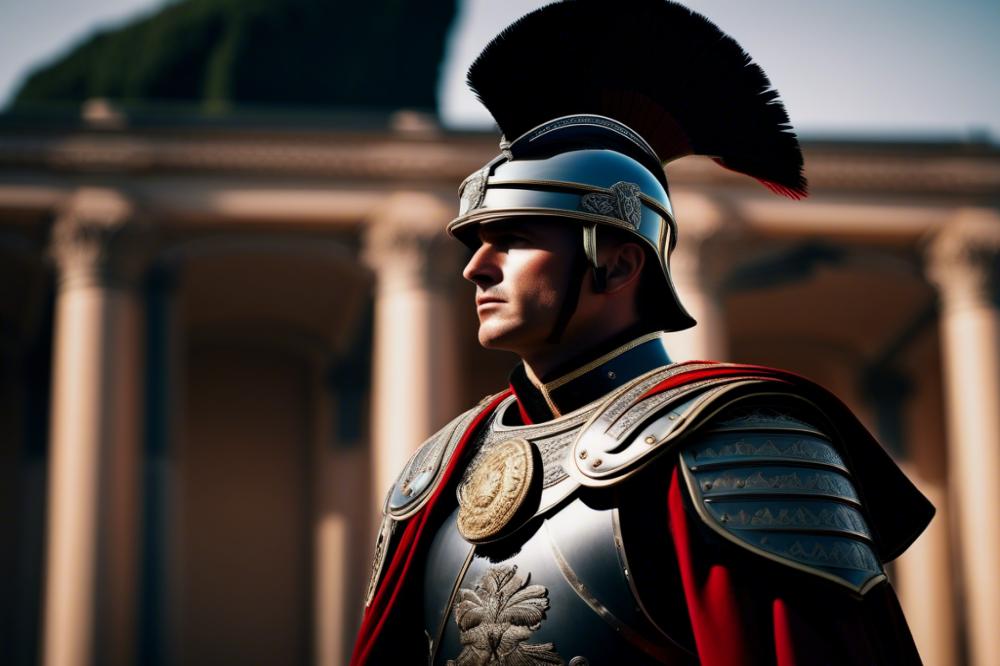
Officers’ Attire: Distinctions and Gear of Roman Commanders
The attire and gear of Roman military commanders played an essential role in the ancient military framework. Clothing indicated not only rank but also responsibility. Recognizing these distinctions allows us to understand the intricate hierarchy embedded within Roman culture. Officers wore specific garments that set them apart from regular soldiers, reflecting their elevated status in society.
Studying the outfits of these leaders provides a glimpse into the values and traditions of Rome. Different types of armor, tunics, and insignias distinguished commanders from their troops. Each element of their ensemble carried meaning, often signifying authority and power. For instance, commanders often donned more elaborate cloaks compared to those of regular soldiers, highlighting their leadership role. Moreover, weaponry varied significantly among ranks, with higher officers equipped with more advanced or decorated arms.
Understanding these visual cues helps us appreciate the nuances of Roman military organization. The specific gear worn by officers served to establish order and discipline on the battlefield. Observing how these individuals dressed gives insight into the broader narrative of Roman history. Such differences in attire and weapons simplify our comprehension of social dynamics and military conduct. This exploration of #anchor_text_1# reveals how attire was not merely functional but symbolic as well.
In addition, investigating how clothing influenced interactions within the ranks is crucial. Officers had gear and garb designed for functionality, yet it also served to inspire and command respect among troops. Recognizing these distinctions in dress and armament highlights the complexity of Roman military life. The array of styles and designs reflects a rich tapestry of culture and history. Each item worn by officers tells a story, connecting them to their duties and the civilization they served. Analyzing this theme further will shine light on the ongoing significance of #anchor_text_2# across historical contexts.
Officers’ Attire: Distinctions and Gear of Roman Commanders
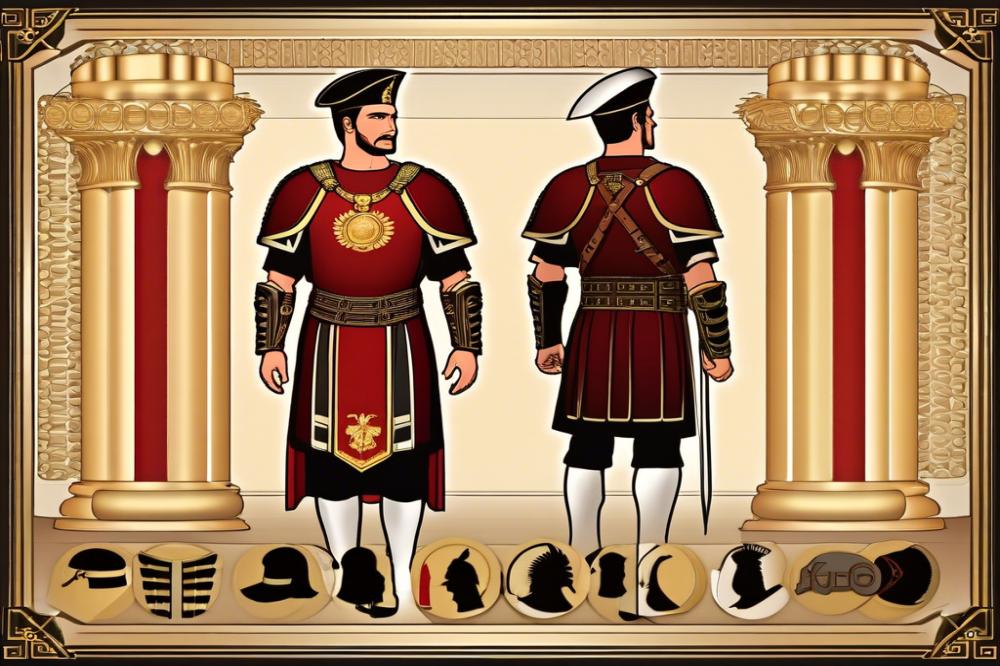
The attire of Roman commanders was more than just clothing; it was a statement of authority and rank. Typically, these leaders wore a tunic as their base layer. The tunic came down to the knees, allowing for easy movement. Over the tunic, many donned a distinctive toga, an emblematic garment of Roman culture. The toga was mostly reserved for formal occasions, while belts often adorned commanders’ waists for practicality.
Variations Based on Rank and Command Position
Clothing varied significantly with rank and position. For instance, a general might sport a richly colored cloak, setting them apart from lower-ranking soldiers. Centurions usually displayed their rank through distinctive insignia on their armor. Meanwhile, the lowest-ranking officers often wore simpler versions of the tunics and cloaks. This differentiation in attire clearly marked the chain of command on and off the battlefield.
Materials and Colors to Denote Rank
The choice of materials and colors played crucial roles in representing rank and authority. Commanders often favored wool and linen, known for their durability. Colors like red and purple symbolized power and prestige. Such hues were reserved for the elite, while common soldiers wore muted tones. This clear color distinction helped to communicate authority without words.
Accessories Unique to High-Ranking Officers
High-ranking officers often included specific accessories that further signified their status. A decorated helmet was a common sight, especially among generals. These helmets featured intricate designs and sometimes even feathers, adding to their imposing appearance. Commanders also carried ornate weapons that showcased craftsmanship. Certain ceremonial daggers or swords had embellishments that were not merely functional but served as a display of wealth and authority.
The Role of Armor in Officers’ Equipment
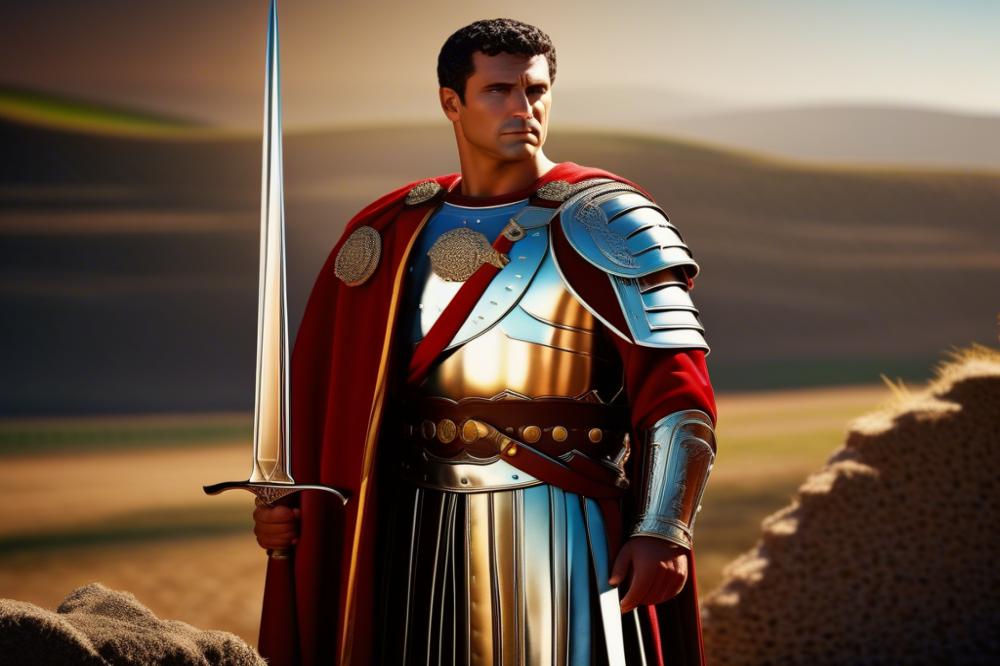
Armor played a crucial part in the gear of Roman commanders. Understanding the types of armor they used sheds light on their roles. Officers wore specific kinds adapted to their duties. The most common types included the lorica segmentata and chainmail, both designed for protection as well as mobility.
Types of Armor Utilized
Roman commanders had access to several armor styles. Infantry leaders often donned the lorica segmentata, which consisted of metal strips. This armor provided robust protection against enemy weapons while allowing some freedom of movement. Cavalry commanders, on the other hand, preferred lighter armor. Their gear often included leather and scale armor, which allowed for agility during fast maneuvers.
Armor Distinctions
There were marked distinctions between the two types of leaders. An infantry officer needed armor that balanced weight and durability. In contrast, a cavalry leader focused on swift movements. Lightweight armor helped them ride and fight effectively on horseback. These differences highlight how distinct battlefield roles influenced their attire.
Significance in Warfare
Armor was vital not only for protection but also for leadership. A well-equipped commander inspired confidence in their troops. When soldiers saw leaders adorned in battle-ready gear, it boosted morale. The presence of a heavily armored officer often signaled strength and reliability. Thus, armor became symbolic of authority and power in Roman military culture.
Evolution of Armor Styles
Throughout the years, armor styles transformed significantly. Early Roman commanders utilized simpler, less effective pieces. Over time, advancements emerged in design and materials. By the height of the empire, armor became more sophisticated. Commanders wore ornate helmets and displayed unique insignias. These changes reflected advancements in technology and strategies in warfare. The evolution of armor also illustrated the shifting needs of a growing empire.
Weaponry of Roman Officers
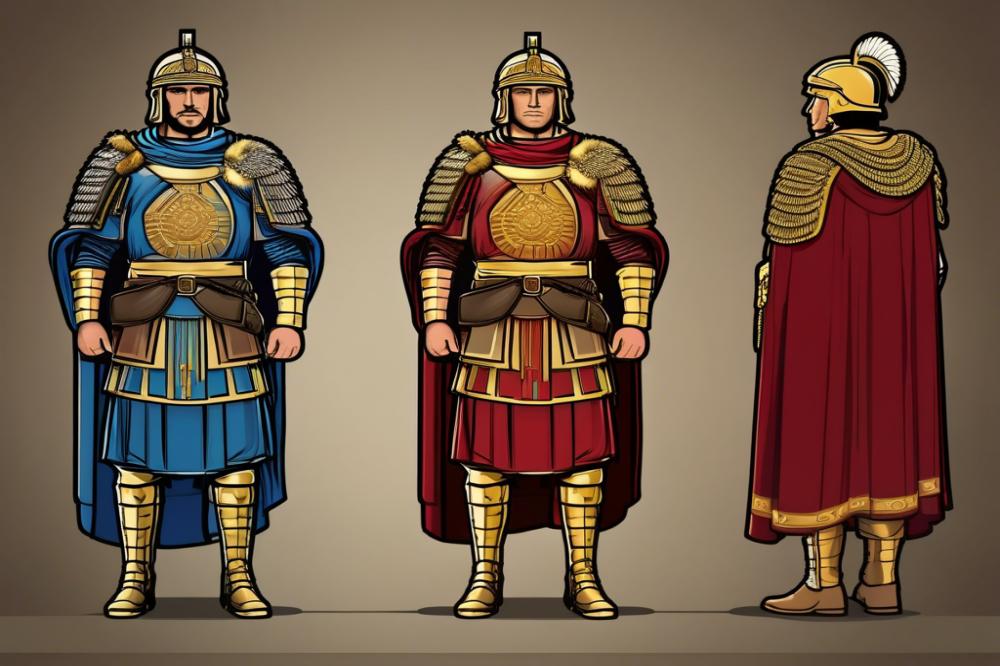
Roman officers were known for their impressive weaponry, which varied depending on their command. Standard weapons included the gladius, a short sword that was effective in close combat. Commanders of legionaries often carried this weapon alongside a pilum, a throwing spear designed to penetrate enemy shields. In contrast, cavalry commanders preferred longer weapons like the spatha, a sword that allowed for more reach during mounted combat.
Every type of unit had its own distinct needs. Infantry officers, for instance, focused on weapons that supported ground tactics. Their gear was crafted to suit battles fought on foot. Cavalry officers, however, needed tools that were effective while riding. This difference greatly impacted the styles of weaponry each commander wielded.
Ceremonial vs. Battle Weapons
In Rome, there was a clear distinction between ceremonial weapons and those meant for battle. Ceremonial swords often featured elaborate decorations. These pieces were symbols of status rather than tools for warfare. Officers wore these during parades and official events. Battle weapons, however, were more functional and designed for durability.
Training was essential for officers. To effectively wield their weapons, ongoing practice was a must. Skills in swordplay and throwing techniques were developed through rigorous drills. Officers not only needed to understand tactics but also hone their physical abilities. Mastery over different types of weapons was crucial for both success and survival on the battlefield.
Symbolism and Practicality in Officers’ Gear
The attire of Roman commanders tells many stories about their society. Every piece of gear served a purpose. Yet, beyond practicality, the attire represented values deeply ingrained in Roman culture. Commanders wore their symbols proudly, showcasing authority and honor.
Power was crucial in the Roman world. A commander’s outfit combined functionality and an impressive display. Armor had to protect while also displaying rank. For instance, a general might wear a breastplate that gleamed under the sun, signaling strength and bravery to the troops and enemies alike. It wasn’t just about protection; it was about making a statement.
Symbols of Authority
Certain symbols within military attire carried cultural significance. The laurel wreath, often worn by victorious leaders, represented triumph and divine approval. This headpiece became synonymous with victory in the Roman psyche. Similarly, the colors of clothing conveyed meanings. Red symbolized courage and valor, while purple often indicated power, reserved for the elite.
Weapons also held elaborate meanings. A sword, such as the gladius, was not just for fighting. It represented a soldier’s readiness and commitment to duty. The designs etched on a weapon often communicated the skill and honor of its wielder.
Notable Commanders and Their Gear
Throughout history, certain commanders became iconic for their attire. Julius Caesar, for example, is often imagined in a traditional toga, which represented Roman citizenship and dignity. His military tunic was functional yet adorned with symbols that demonstrated his authority.
Another prominent figure, Gaius Flavius, donned armor that became known for its elaborate decorations. His vestments included not just protection, but ornamentation that indicated his status. The colors he chose were no accident but carefully selected to instill fear in the opposition.
These commanders understood the significance of their appearance. It formed an integral part of how they were perceived by their soldiers and enemies. Their attire cast an enduring image, reflecting both cultural values and military prowess.
The Impact of Regional Variations on Attire and Gear
The attire of Roman officers was not static but instead reflected the diversity of the empire. Local customs played a significant role in shaping how commanders dressed. In regions far from central Rome, these local traditions often merged with Roman standards. This blending resulted in distinct looks that communicated the influence of both Roman identity and local culture.
In frontier areas, military attire differed considerably from that in Rome. Commanders stationed in places like Britain or Germania wore clothing suited for colder climates. The use of heavier fabrics and additional layers marked these uniforms as practical while also conveying authority. Similarly, officers serving in arid regions, such as North Africa, adopted lighter materials and loose-fitting styles to combat the heat.
Foreign styles found their way into the gear of Roman leaders. Artwork and artifacts show how commanders adopted elements from local influences. For example, in the East, silk and colorful patterns became fashionable. This shift indicated not only personal taste but also a stratagem to gain local support and respect.
Case Studies of Notable Regions
One notable example is the attire of officers in the provinces of Gaul. They often showcased a blend of Roman military garb with Gallic elements, such as decorated cloaks and unique shields. These garments served both to establish identity and create unity among their troops, who might come from different backgrounds.
Another interesting case is the military gear in the Eastern provinces, especially the Byzantine areas. Here, commanders wore outfits adorned with intricate designs and vibrant colors. Such visual statements not only indicated high rank but also signified the synthesis of Greek, Roman, and local cultures.
In the desert sands of Arabia, Roman officers adopted attire that reflected their surroundings. Clothing was often made from lighter materials suited for the heat, while still maintaining a sense of Roman authority. Accessories, like ornate belts and decorative helmets, were borrowed elements from local styles, demonstrating how cultural exchange shaped military apparel.
These regional variations illustrate a complex tapestry of influence and adaptation. They show how local customs, environmental factors, and intercultural exchange all contributed to the rich diversity in the gear and styles of Roman commanders. Each unique outfit tells a story, a glimpse into the rich social and military fabric of the time.
Final Reflections on Roman Commanders’ Attire
Understanding the attire and gear of Roman commanders reveals significant aspects of their military culture. Each piece of clothing had a purpose. From the ornate helmets to the colorful tunics, these elements showcased rank and authority. Moreover, variations in attire indicated different roles within the military hierarchy. A general might wear a distinctly embellished cape, while a centurion opted for simpler garb, emphasizing their respective statuses in the army.
These distinctions in clothing were not merely for decoration. They served as symbols of power and prestige. Officers needed to be easily recognizable on the battlefield. Commanders in armor infused with personal designs instilled loyalty among their troops. Gender and class also played roles in attire, helping to convey messages beyond mere appearance. Such details enhance our understanding of leadership and relationships among ranks.
This examination of Roman military garments extends beyond history. It offers insight into the evolution of military practices. Many aspects of modern military uniforms reflect the principles established by Roman commanders. Elements like rank insignia and standardized gear can trace their roots back to these ancient traditions. #anchor_text_3# illustrates how historical influences persist in shaping today’s armed forces.
In conclusion, the legacy of Roman military attire shapes not just the past, but also the present. The attire of officers signifies a blend of practicality and prestige. As todays’ world continues to draw from #anchor_text_4# aspects of Roman command, it is clear that understanding these distinctions remains crucial. The clothing worn by these leaders serves as a reminder of their impacts, both in their time and today.

