
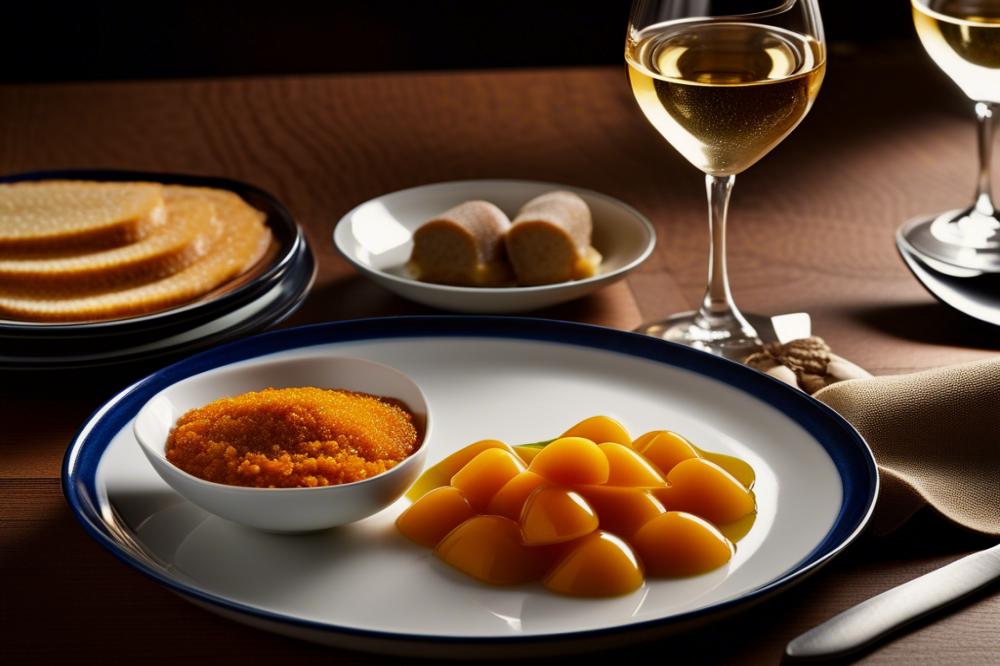
Tasting the Rare cuisine-of-the-garfagnana-in-tuscany”>Bottarga of Sardinia’s Western Coast
Savoring Italian delicacies opens a door to a world rich with tradition and flavor. Across the regions, each culinary tradition tells a story, and Sardinia’s Western Coast is no exception. This corner of the Mediterranean holds a wealth of hidden treasures, particularly when it comes to seafood. The waters that embrace this coastline are celebrated for their fish, which are pivotal to the local cuisine.
Culinary experiences here revolve around the sea. Among the most acclaimed offerings, fish roe emerges as a gourmet delight. It captivates not just the palate but also the imagination. Committed artisans work meticulously to create unique dishes that reflect the surrounding environment. Each bite captures the essence of local flavors, showcasing the wisdom of generations.
In this region, Bottarga stands out as a rare gem. This delicacy epitomizes the maritime heritage of Sardinia. People here respect the old ways of processing fish roe, treating it as both art and science. These methods yield a product that boasts a complex yet delicate taste. Enjoying it connects you to the identity of the land and its rich culinary history.
Delighting in the flavors of Sardinia’s Western Coast means embarking on a gastronomic journey. It’s about more than just food; it’s about embracing a way of life steeped in tradition and passion. As we delve deeper into this extraordinary delicacy, you’ll discover why it deserves a place on every gourmet table.
The Art of Bottarga
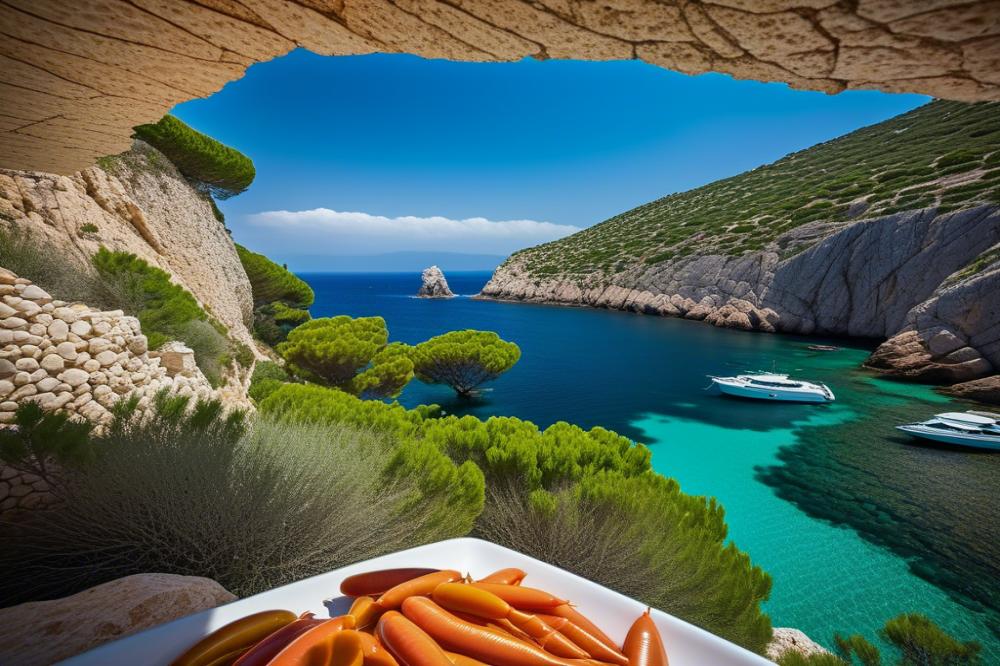
The roots of bottarga can be traced back to ancient Mediterranean cuisine. This delectable ingredient is crafted from fish roe, mainly sourced from grey mullet or tuna. The process begins with careful selection of fresh roe, which is then delicately salted. Gently pressing the roe removes excess moisture, a crucial step in the curing process.
Once salted, the roe is shaped into firm bundles or tubes. These are then coated with more salt, often resting for several weeks. After curing, the roe is dried, sometimes exposed to the sun, enhancing its rich flavors. Techniques for making this seafood delicacy have been passed down through generations, showcasing the dedication of artisanal producers.
In Sardinia, this ingredient holds cultural significance. It features prominently in local culinary tradition, embodying unique flavors of the region. This gourmet specialty transforms simple dishes into extraordinary meals. Whether grated over pasta or enjoyed thinly sliced, bottarga enhances the essence of Italian delicacies.
Locals often celebrate their seafood heritage with this prized ingredient. Its preparation can vary, but the respect for quality remains constant. Food enthusiasts appreciate the intense umami flavor that bottarga brings to a dish. Thus, this ingredient has become a symbol of Sardinian pride and gastronomic artistry.
The Unique Characteristics of Bottarga
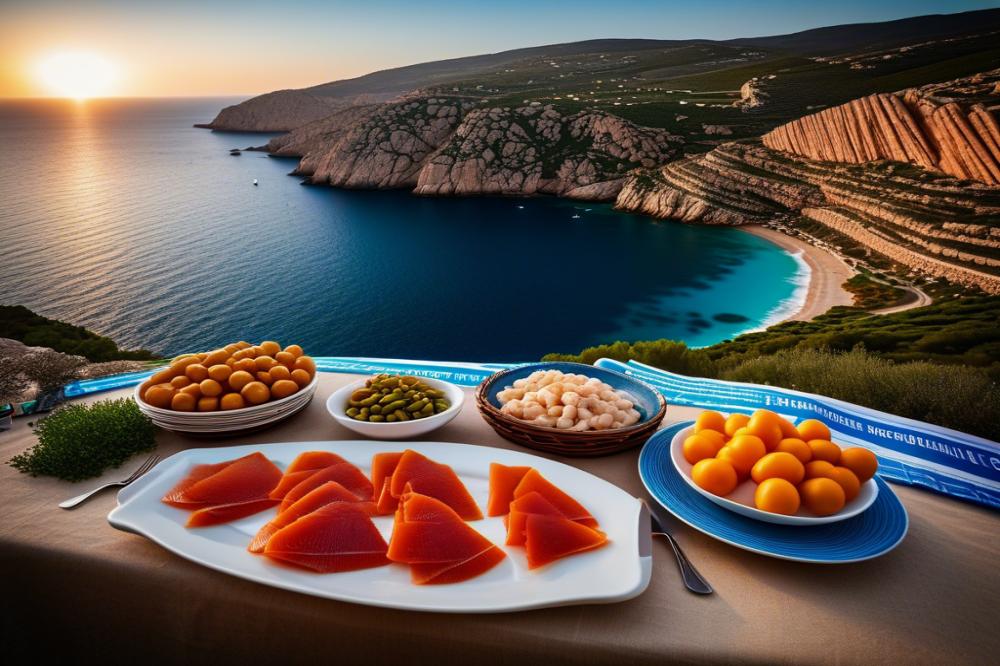
Sardinia’s Western Coast produces a special type of fish roe that captivates the senses. Its flavor profile is rich and complex, combining salty notes with a hint of the sea. Chefs and food lovers often describe its taste as umami, making it a delightful addition to many dishes. When grated over pasta or served thinly sliced, this ingredient transforms a simple meal into a gourmet experience.
The texture plays a significant role in the overall experience. Dried and firm, it can be compared to a hard cheese. When sliced, it becomes slightly chewy, releasing bursts of flavor. This mouthfeel complements the dishes it enhances, whether served with fresh seafood or vegetables.
Aroma offers another layer of enjoyment. The scent is distinctly briny, reminiscent of the ocean breeze that sweeps across the coast. This smell pulls diners to the table, creating anticipation for what’s to come. The fish species used, typically the grey mullet, along with local seawater, influences these sensory attributes greatly.
Curing methods vary across regions but follow a tradition that has been passed down through generations. In Sardinia, artisans combine salt with the roe, allowing it to dry in the warm Mediterranean air. This process imbues the fish roe with the unmistakable flavors of its coastal origins.
When compared to similar offerings from other Mediterranean regions, Sardinian fish roe stands apart. Calabrian and Sicilian varieties, for instance, might have a different taste or texture due to their unique curing processes and local fish used. Moreover, the specific environment of Sardinia contributes to the local flavors found in their products, making them distinct within the realm of Italian delicacies.
As locals continue to embrace this culinary tradition, visitors to the island are encouraged to taste what sets this dish apart. Artisanal production methods add to the charm, linking each bite to the landscape and culture of the Western Coast. Here, bottarga is not just a food; it is a representation of a way of life, shaped by its surroundings.
Culinary Uses of Bottarga
Sardinia’s culinary tradition highlights this fish roe in many ways. It adds depth and richness to various dishes across the Western Coast. Fresh seafood is abundant in this region, making it a natural pairing with this prized ingredient.
Pasta often showcases its flavors beautifully. A classic dish involves tossing spaghetti with olive oil, garlic, and grated bottarga. The result is a simple yet elegant meal that represents local flavors perfectly. Another beloved option includes serving it on a bed of linguine, paired with fresh clams and a hint of lemon.
Salads also benefit from its salty, umami taste. Adding small shavings of bottarga to a salad of arugula, cherry tomatoes, and red onions creates a delightful contrast. The dish becomes a perfect representation of Mediterranean cuisine. Diners enjoy how the bottarga enhances the freshness of the vegetables.
Seafood platters frequently feature this Italian delicacy as well. It can be served alongside fresh oysters, mussels, and anchovies, creating a food experience that celebrates the ocean’s bounty. Chefs may drizzle a light vinaigrette made with local olive oil over the platter. This brightens all the flavors and draws attention to the artisanal qualities of the main ingredients.
In contemporary gourmet cooking, some chefs take a creative approach. They might incorporate bottarga into fusion dishes, blending local tastes with international influences. For instance, using it in a savory risotto allows for a modern twist while respecting tradition.
Sardinia’s chefs are skilled at combining traditional methods with new techniques. They highlight bottarga’s flavors while ensuring that the core of the dish remains identifiable. Creating a balance between the past and the present makes each dining experience memorable.
With a focus on quality, many local restaurants source their bottarga from artisanal producers. This commitment to craftsmanship allows them to serve the freshest selections possible. Each dish reflects the region’s vibrant culinary landscape, showcasing the best of the Western Coast’s offerings.
Bottarga and Local Seafood Culture
On the Western Coast of Sardinia, the connection between bottarga and local fishing traditions runs deep. This area’s cuisine reflects a rich history of seafood and artisanal practices. Fishermen here have passed down their knowledge through generations. Their methods are rooted in respect for the sea and its ecosystems.
Sustainable fishing practices are vital to this culinary tradition. Local fishermen carefully select the best fish for producing fish roe, which is then transformed into a prized delicacy. They work in harmony with the Mediterranean environment, ensuring the ocean’s health for future generations. Techniques often include traditional nets or traps, which minimize damage to fish populations.
Artisanal producers play a crucial role in promoting local flavors. They create gourmet products that showcase the region’s seafood in its finest form. By supporting these craftspeople, consumers can savor the true essence of Sardinia’s culinary treasures. Each bite of the exquisite roe brings the sea to life, connecting eaters to the local ecosystem.
This focus on quality over quantity helps maintain the delicate balance of the fishing industry. Local fishermen and chefs collaborate to highlight the unique aspects of their catch. In markets, stalls filled with fresh seafood and carefully prepared products attract both locals and tourists. Each vendor tells a story of tradition, passion, and a commitment to sustainability.
As bottarga gains recognition as one of Italy’s delicacies, its importance cannot be overstated. Embracing this seafood treasure not only supports the local economy but also preserves a way of life. Visitors are encouraged to explore the flavors of the Western Coast while appreciating the labor that goes into each artisanal product.
Finding Bottarga on the Western Coast
Exploring the Western Coast of Sardinia reveals a treasure trove of culinary delights. For those eager to taste authentic fish roe, local markets are a fantastic choice. Cagliari’s San Benedetto Market stands out, showcasing fresh seafood and artisanal products. The lively atmosphere adds to the experience as you browse stalls filled with traditional goods.
Specialty shops dot the region as well. One of the best is Locanda Su Pirastru, located in the heart of Bosa. This gem offers various Italian delicacies, including carefully sourced bottarga. Speaking with local owners can provide insights into their culinary tradition, ensuring you select the finest quality.
Renowned restaurants also showcase this treasured ingredient. La Gritta in Alghero is famous for its seafood-focused menu. A dish like spaghetti with bottarga gives diners a taste of Mediterranean flair. Additionally, Il Pavone in Oristano pairs local flavors with a picturesque ambiance. Here, guests can indulge in tasting menus that highlight fresh ingredients.
If you prefer to savor bottarga at home, consider pairing it with wines from the region. Sardinia produces excellent whites, like Vermentino or sparkling wines like Brut. They complement the robust flavors of fish roe beautifully. For a simple preparation, just shave a few slices of the roe over a bed of fresh pasta and finish with olive oil and lemon. This straightforward dish speaks to the heart of Sardinian cuisine.
In summary, finding authentic bottarga along the Western Coast is an adventure. With local markets, specialty shops, and gourmet restaurants, each place has something special to offer. Whether dining out or cooking in, Sardinia’s culinary treasures await.
Rediscovering Sardinia’s Culinary Gem
Sardinia’s rare delicacy holds a special place in the heart of its cuisine. This beloved ingredient embodies the island’s rich traditions and artisanal practices. By savoring this jewel of the sea, one uncovers the essence of Italian gastronomy. The craftsmanship involved in its production highlights the connection between the land and its people.
Exploration of the culinary traditions along the Western Coast can be a delightful experience. Not only does it provide a taste of local flavors, but it also reveals the stories behind each dish. Engaging with local producers adds depth to the experience. Supporting these artisans strengthens the community and keeps these unique practices alive.
Culinary treasures like this one remind us of the importance of authenticity in food. They urge us to appreciate the meticulous process behind each bite. When we choose to savor local products, we help maintain the culture that surrounds them. Understanding the intricate flavors of traditional seafood dishes enriches our appreciation for Italian culture.
As you journey through Sardinia’s Western Coast, open your senses to the flavors that await. Seek out local markets and small eateries. Each visit can deepen your connection to the region’s vibrant culinary heritage. Embrace the chance to experience something that is not only delicious but also steeped in history. Tasting this rare delicacy is more than just a meal; it’s a celebration of local craftsmanship and community spirit.

