

The Art of Italian olive oil Production: From harvest to bottling
Italy has long been celebrated for its exceptional olive oil. This golden liquid plays a vital role in the country’s gastronomic identity. Olive oil is more than just an ingredient; it is a symbol of Italian culture and tradition.
Within the Mediterranean diet, this oil holds a place of honor. It not only enhances flavors but also brings notable health benefits. Rich in antioxidants and healthy fats, olive oil is essential for those who value both taste and wellness. Many households across Italy consider it a daily staple, drizzling it on salads, pasta, and bread.
Regional differences paint a vivid picture when it comes to olive varieties. Each area produces oil that reflects its local climate and soil. From Liguria’s delicate Taggiasca to Puglia’s robust Coratina, these varieties boast distinct flavors and aromas. Understanding these differences adds depth to the tasting experience and highlights the diversity of Italian olive oil.
The journey from orchard to kitchen involves several meticulous steps. Producers use artisanal techniques to craft oils that meet high standards. harvesting olives involves careful selection, ensuring only the best fruits are collected. Following this, cold extraction methods preserve the oil’s freshness and nutrients.
Quality control is essential throughout this process. Each bottle must meet strict criteria before reaching consumers. The final product is not just a condiment; it embodies the hard work of farmers and the rich heritage of Italy.
This article will delve deeper into the intricacies of Italian olive oil production. From the harvest to the bottling stage, we will explore what makes this oil a cherished ingredient in kitchens around the world.
The Process of Harvesting Olive Oil in Italy
Timing of the Harvest
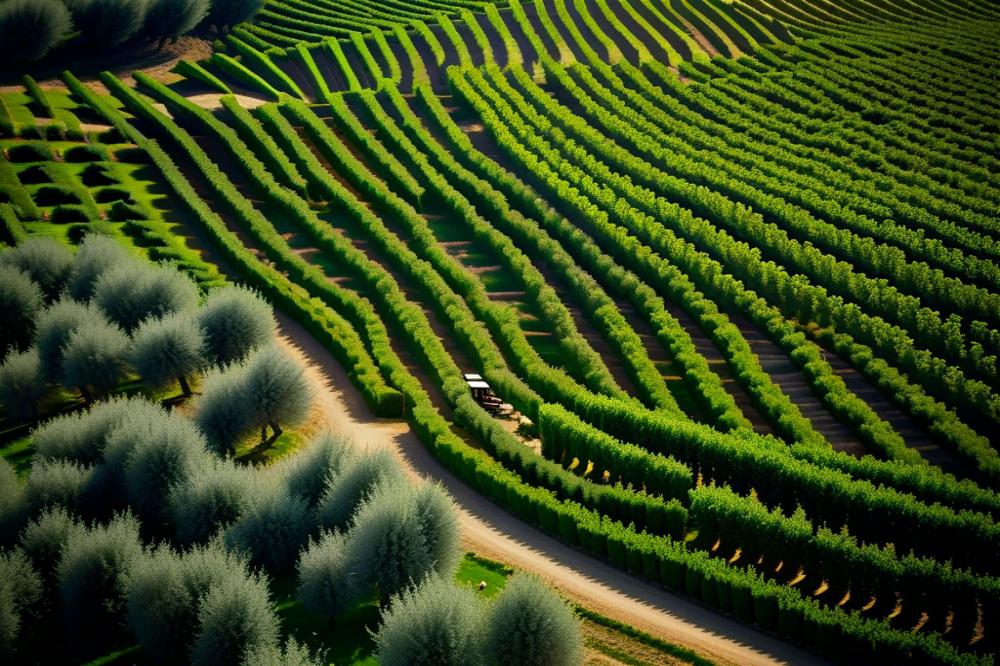
Harvesting olives is a carefully timed process. Typically, the best time to begin is in late fall, around October to December. The precise timing can affect flavor and quality. Picking too early or too late can lead to an inferior product. Farmers often monitor weather and olive ripeness closely. A well-timed harvest optimizes the health benefits of the oil. This attention to timing also influences the strength of the flavors produced.
Traditional vs. Modern Harvesting Methods
During traditional harvesting, laborers rely on handheld tools. Rakes or nets help to gently gather olives from trees. While effective, this method can be labor-intensive and slow. Modern techniques, such as mechanical shakers, have changed the landscape. Machines can harvest large quantities quickly. They shake branches to loosen the fruit, which then falls onto nets below. Both methods have their merits, depending on the goals of the producer. Artisanal techniques remain popular among those who value craftsmanship. Each method impacts the final oil’s characteristics in different ways.
Importance of Olive Varieties in the Harvesting Process
Not all olives are created equal. The variety of olives influences how and when they are harvested. Some types are better suited for cold extraction, which preserves flavors. Popular varieties like Frantoio, Leccino, and Coratina are highly sought after. Regional differences affect these choices too. In Tuscany, you might find a preference for certain types, while Puglia might lean toward others. Unique olive varieties also contribute to the overall tasting experience. Quality control during the harvest plays a crucial role in the final bottling process. Selecting the right olives can mean the difference between mediocre oil and a premium product. Producers know this, thus they take great care to select the best for their craft.
Cold Extraction and Production Techniques
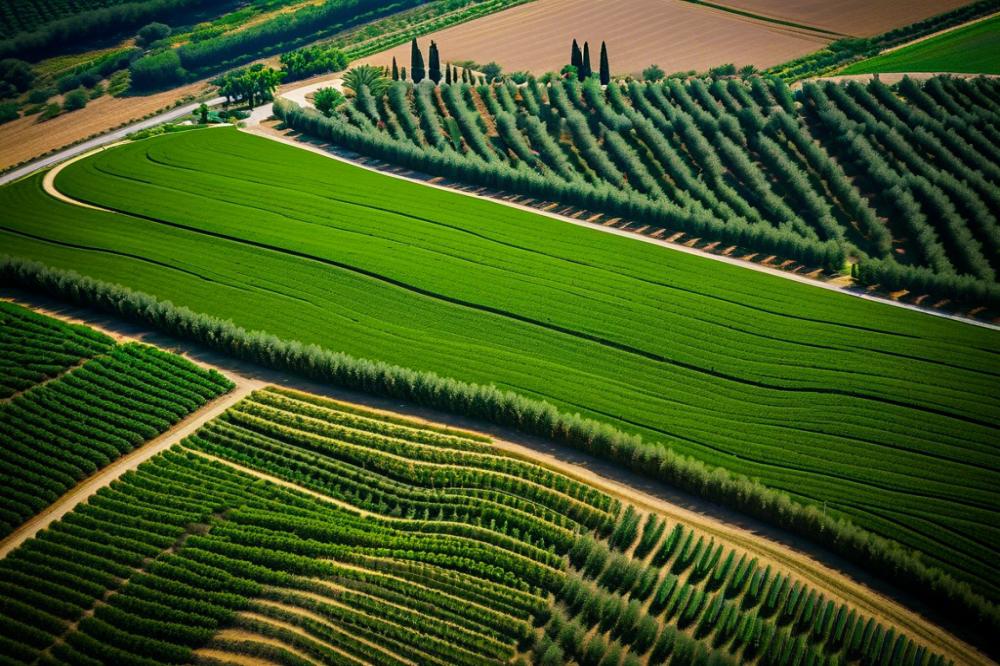
Cold extraction refers to a method used to extract oil from olives without using heat. This technique is essential to preserving the flavor and nutrients of the oil. When olives are processed at lower temperatures, the result is a higher quality product. Many producers in Italy believe this process enhances the health benefits of the oil while also maintaining its robust flavor.
There are various production techniques employed in this craft. Traditional methods include milling with stone grinding wheels, which slowly crush the olives. Other methods involve using modern machinery, like stainless steel presses, which can be more efficient. Each technique has its own advantages. Some olive varieties respond better to specific methods, affecting the final taste.
Artisanal techniques play a vital role in producing high-quality olive oil. Many small producers stick to traditional methods that have been passed down for generations. They often focus on the care of their trees during the harvest. Hand-picking olives allows for careful selection of the best fruits, ensuring that only the ripest olives make it to the mill. This attention to detail can significantly impact the quality of the finished product.
In addition to quality control during production, tasting panels are commonly used to judge the oil’s characteristics. Experts assess flavor profiles, aroma, and clarity. These evaluations are crucial to understanding regional differences. Different areas in Italy produce oils that taste distinctively different based on local soil, climate, and olive varieties.
As part of the Mediterranean diet, olive oil is celebrated not only for its taste but also for its health benefits. Regular consumption may reduce the risk of heart disease and promote overall wellness. Consumers today are increasingly aware of these advantages, often seeking oils with higher antioxidant content and lower acidity levels. Choosing to support artisanal producers can also help sustain local ecosystems and traditions.
Quality Control Standards
Importance of Quality Control
Quality control plays a crucial role in olive oil production. It starts with the harvest, where the right timing and technique can influence the final product. Without strict monitoring, the taste and health benefits may decline. Consumers expect high standards, especially when considering the Mediterranean diet. Therefore, producers must maintain careful oversight throughout the process, from tree to bottling.
Regulatory Bodies and Certifications
Various organizations oversee quality in olive oil production. In Italy, regulations are strict and aim to protect this valued product. Certifications like PDO (Protected Designation of Origin) are essential. They signify that the oil originates from specific regions and upholds traditional standards. These certifications help maintain the integrity of different olive varieties. Moreover, they ensure that consumers get a product that meets expectations.
Factors Influencing Olive Oil Quality
Several factors impact the overall quality of olive oil. Harvesting techniques can affect flavor and aroma. Picking olives at the right stage is vital for optimal extraction. Cold extraction methods are preferable as they preserve the oil’s nutrients and taste. Additionally, the variety of olives used will influence the final product’s character. Environmental conditions also play a key role in developing unique profiles. Each region in Italy can produce oils with distinct flavors due to these variances. Artisanal techniques still flourish, allowing for personal touches that enhance quality. Tasting tests ensure that the oil meets desired standards before reaching the market.
Regional Differences in Italian Olive Oil
Overview of Key Olive Growing Regions
Italy boasts a variety of regions known for their olive oil production. Tuscany is famous for its rolling hills and rich soil. The region produces oils that have a robust, fruity flavor. Puglia, located in the south, is the largest producer of olives in the country. Its vast groves offer a different profile. Liguria, with its coastal climate, brings forth milder oils that are perfect for delicate dishes. Calabria is known for its spicy and bold oils, while Sicily provides a mix of both sweet and bitter notes.
Unique Olive Varieties Associated with Each Region
Every region has its own preferred olive varieties. In Tuscany, the Frantoio and Leccino are prominent. They contribute to a rich and peppery taste that many love. Puglia showcases the Coratina with its high polyphenol content, offering health benefits and a strong flavor. Liguria is known for Taggiasca olives, which lend a fruity aroma to the oil. Calabria often features the Carolea olive, known for producing a harmonious balance of flavors. Sicilian varieties like Nocellara del Belice are prized for their versatility.
How Region Affects Flavor Profiles and Characteristics
Geography plays a huge role in the final product. Climate, soil, and traditional methods shape the taste. For instance, the hot, sunny days in Puglia lead to oil that is fruity and spicy. In contrast, the cooler climate of Liguria creates oils that are light and delicate. The altitude of Tuscany can enhance certain flavor notes. Cold extraction processes, used across the country, preserve the oil’s fresh characteristics while highlighting regional traits during tasting. Producers often rely on artisanal techniques to showcase local flavors. Quality control is essential to maintain high standards. When choosing olive oil, understanding these regional differences enhances the experience, especially within the context of the Mediterranean diet.
Tasting Italian Olive Oil
Tasting plays a vital role in understanding the quality of olive oil. A proper sensory evaluation reveals much about the oil’s origin, processing, and the skills of those who produced it. When sampling different oils, it’s important to pay attention to both aroma and flavor. The first step is to appreciate the fragrance. Swirling the oil in the glass releases its bouquet. Sniffing gently helps identify various notes.
Let’s explore some key flavor attributes to look for. Each variety of olive contributes distinct characteristics. For instance, oils from the Frantoio olives are often fruity and green. On the other hand, oils from Arbequina olives may lean towards nutty and buttery sensations. Some oils present peppery finishes, while others might be more buttery or even slightly bitter. Recognizing these differences requires practice and careful tasting.
Pairing olive oil with food enhances the dining experience. The Mediterranean diet highlights the use of quality oils in meal preparation. Drizzling an earthy olive oil over a fresh tomato salad creates a simple yet delightful dish. Using stronger oils to complement grilled meats or fish can elevate those flavors significantly. Each region in Italy brings its own unique oils, providing endless opportunities for culinary exploration.
Health benefits are another reason to appreciate this golden liquid. Rich in antioxidants, quality oils contribute to heart health. Enjoying them as part of a balanced diet leads to better overall well-being. When tasting, consider how the oils interact with various foods. A small taste test combines buttery olive oil with crusty bread, showcasing the perfect blend. Different olive varieties strengthen the bond with local cuisine.
Artisanal techniques used in cold extraction preserve the oil’s integrity and flavor. This traditional method helps to create rich, high-quality oils that stand out in the market. Careful quality control throughout the production process is essential. Harvesting olives at the right time during the season influences the final product. Those who understand these details become more adept at distinguishing great olive oil from the rest.
Health Benefits of Italian Olive Oil
Olive oil consumption is linked to various health benefits that attract many to include it in their diets. This golden liquid is rich in monounsaturated fats, which are known to promote heart health. Heart disease risks may decrease when individuals regularly consume this essential fat. Additionally, antioxidants found in olive oil, such as vitamin E, contribute to its impressive reputation.
This oil plays a vital role in the Mediterranean diet, a lifestyle praised for its health advantages. Meals in this diet often feature fruits, vegetables, whole grains, and healthy fats, with olive oil as a key ingredient. The synergy of these foods helps create balanced nutrition that many nutritionists recommend. It’s no wonder this dietary pattern has become a model for healthy eating worldwide.
Scientific research supports these health claims, yielding a significant amount of studies reflecting olive oil’s benefits. Research has shown that its anti-inflammatory properties can assist in reducing chronic inflammation in the body. Experts have also discovered that the oil may help combat oxidative stress, which is linked to aging and various diseases. Furthermore, the health benefits of using extra virgin olive oil are often highlighted due to its cold extraction process, which preserves nutrients effectively.
Many olive varieties contribute to the complex flavor profiles, enhancing the tasting experience while also delivering health benefits. Regional differences across Italy mean that each area produces oils with unique tastes and beneficial properties. This variance can affect the final oil’s nutritional value, as different regions utilize artisanal techniques during cultivation and bottling. Quality control remains essential to guarantee the oil’s integrity and health benefits during production.
Incorporating olive oil into daily meals not only enhances flavor but also contributes to general well-being. Whether drizzled over salads or used for cooking, it provides a simple way to elevate health. Experts encourage individuals to choose high-quality oil to reap the maximum advantages of this cherished product. From harvest to table, Italian olive oil continues to highlight the intersection of culture, flavor, and health.
Final Thoughts on Italian Olive Oil Production
The process of producing Italian olive oil is much more than just a method; it is an art form passed down through generations. From the careful harvesting of olives to the meticulous bottling of the finished product, every step reflects a deep appreciation for quality and tradition. Families often come together during harvest, celebrating the fruits of their labor and sharing their passion for this timeless craft.
Italy holds a special place in the global olive oil landscape. This country is renowned for its rich variety of oils, each with its own distinct flavor profile. These oils have made their mark both in the kitchen and on the world stage. Chefs and home cooks alike cherish them, recognizing their ability to elevate dishes. Authentic Italian olive oil has become a staple in kitchens everywhere, signifying high-quality cuisine.
Encouraging people to explore authentic products is essential. It’s not just about taste; it’s about supporting the hard work of farmers and producers. By choosing quality over quantity, consumers can make a positive impact on local economies and encourage sustainability. As more individuals become aware of this, the appreciation for genuine Italian olive oil grows.
In conclusion, the journey from olive to bottle encapsulates a rich heritage and a commitment to excellence. Every bottle tells a story of the land, the people, and the traditions that shape Italian culture. So, the next time you reach for olive oil, consider its origins and the artistry involved in each drop.

