
The Delicate flavors of Vignarola in Lazio’s countryside
In the heart of Lazio’s countryside, a vibrant dish embodies the essence of the region’s gastronomic tradition. Vignarola is a reflection of seasonal harvesting and local ingredients. This beloved recipe highlights the importance of fresh vegetables in Roman cuisine, celebrating what nature has to offer at various times of the year. Chef and home cook alike share a deep respect for the flavors that arise from these simple, yet high-quality products.
From spring to early summer, farmers cultivate a variety of seasonal vegetables. Each season brings different produce, allowing chefs to create traditional recipes that are influenced by the land. Roman cuisine thrives on such practices, where the freshest ingredients dictate the dishes crafted in both homes and restaurants. It is a testament to the culinary heritage passed down through generations, ensuring that every plate tells a story of the landscape.
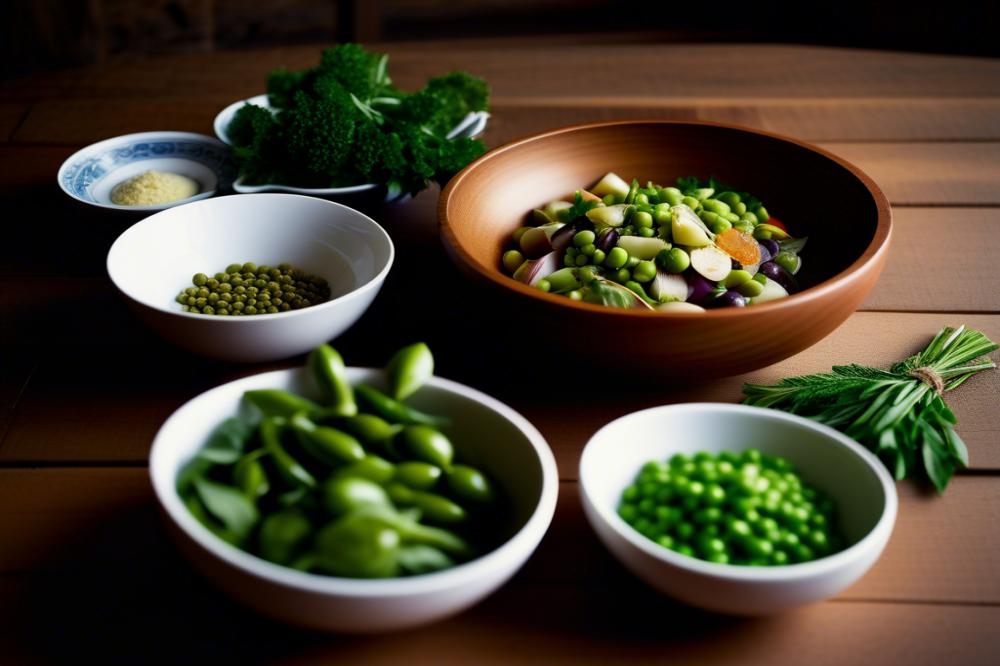
The delicate flavors of Vignarola come alive through the careful preparation of local vegetables. Sweet peas, artichokes, and fava beans often mingle together in this colorful medley. These ingredients contribute to a delightful combination. Through cooking, each element retains its individual character while merging into a harmonious dish. It showcases the simplicity that defines much of Italian food culture, where quality matters more than complexity.
This article aims to explore the intricate layers of Vignarola, revealing its significance beyond just a meal. With each bite, diners experience a connection to the land, its seasons, and its people. By focusing on the rich flavors and culinary traditions of Lazio, we celebrate the vibrant agricultural heritage that continues to shape Italian gastronomy.
The Essence of Vignarola
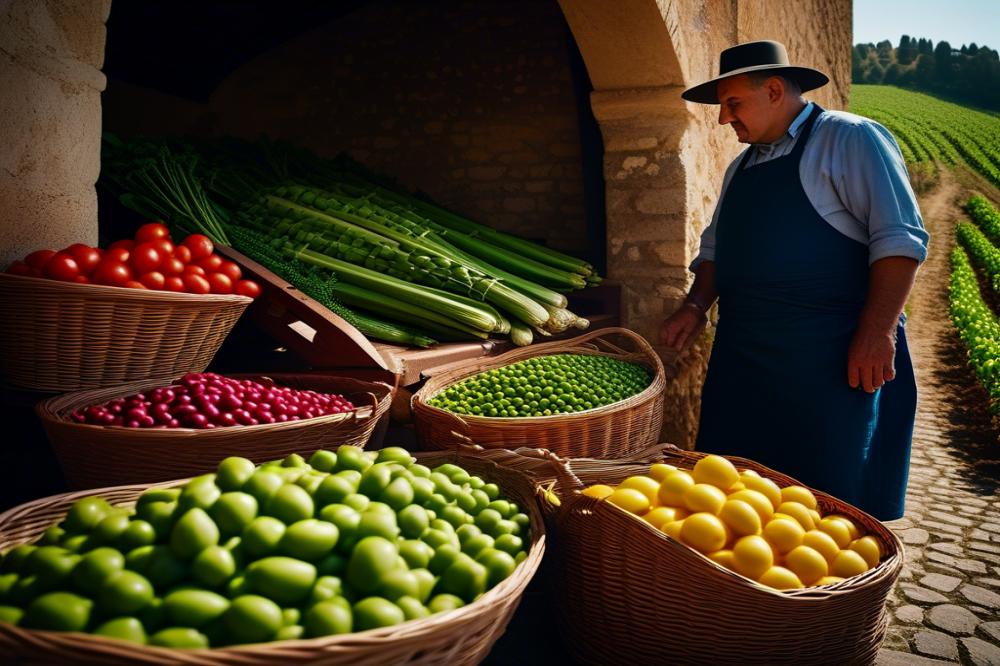
Vignarola embodies the beauty of Lazio’s countryside through its delightful use of seasonal vegetables. This dish reflects Italy’s rich heritage, showcasing the vibrant flavors that define Roman cuisine. Peas, artichokes, and fava beans stand out among the ingredients. Each vegetable plays a critical role in creating the dish’s distinctive taste. Artichokes, tender yet slightly earthy, add depth to every bite.
The sweet, fresh peas burst with brightness, often reminding eaters of spring days in the fields. Fava beans, with their creamy texture, provide a comforting layer to the mix. Together, these vegetables paint a picture of the region’s agricultural bounty. Farmers harvest them at their peak, ensuring that every bite celebrates the land. Such local ingredients speak to the heart of traditional recipes.
Visitors to the Lazio region can find Vignarola in family kitchens and local eateries alike. Home cooks often impart their own stories into every pot, blending techniques passed down through generations. This combination of heritage and culinary skill results in a dish that truly reflects Italy’s food culture. Each spoonful carries the essence of both land and history.
When cooked, the vegetables meld together beautifully, creating a medley of flavors. The harmony formed between them exemplifies the artistry in preparing this classic dish. Simple yet sophisticated, Vignarola serves as a reminder of how ingredients can shine through authenticity. Such culinary creations foster appreciation for the countryside’s efforts and dedication.
Culinary Heritage and Traditional Recipes
Vignarola has deep roots in Italy’s culinary heritage, especially within the countryside of Lazio. This dish represents the essence of Roman cuisine, showcasing seasonal vegetables in a fresh and vibrant way. Its origins trace back to a time when local ingredients dictated the meals of everyday life. Families in the region relied on what was available during each season, making this dish a celebration of nature’s bounty.
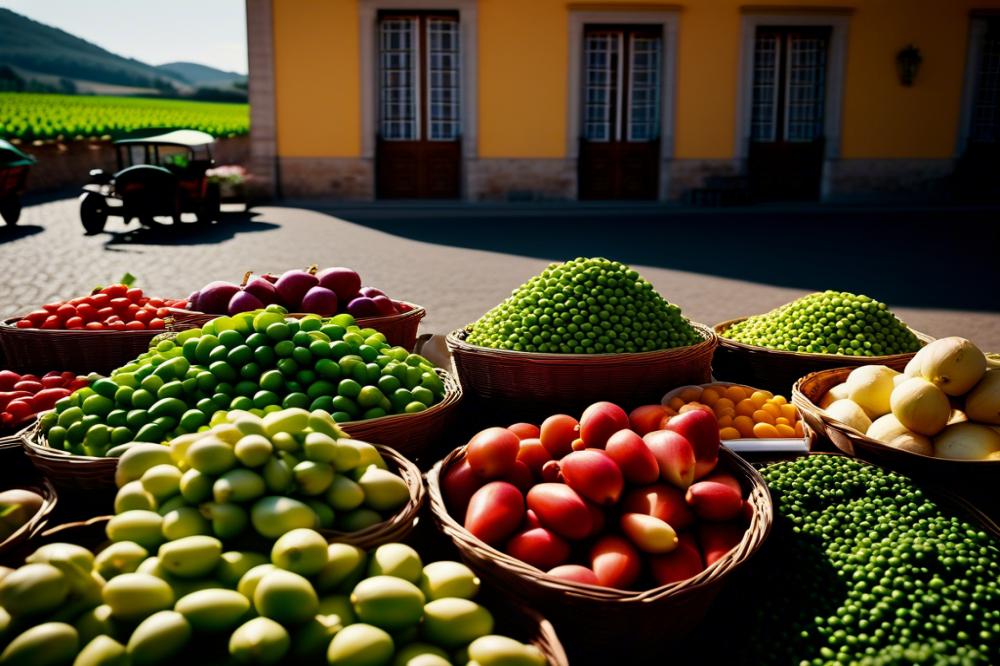
Over generations, traditional recipes have evolved, yet the core simplicity remains the same. Ingredients often include artichokes, peas, fava beans, and asparagus, varying according to what local markets offer. Many families have their own version of the dish, reflecting personal tastes and practices passed down from parent to child. Such variations are not merely differences; they hold stories of the people who made them.
Cooking methods remain straightforward. Vegetables are typically sautéed, allowing the natural flavors to shine. Some might add a drizzle of olive oil and a sprinkle of salt, while others might opt for a splash of white wine to enhance the taste. These simple techniques showcase the utmost respect for the ingredients. Every bite invites you to savor the harmony found in each seasonal offering.
The food culture in this part of Italy thrives on sharing recipes and traditions, often during family gatherings and festive occasions. Long conversations over a bubbling pot of vegetables create bonds between generations. It is through these shared experiences that the rich history of Vignarola continues to live on, infusing new life into age-old practices.
With each plate served, a connection to the past is revived. Cooking this dish provides an opportunity to engage with local ingredients, turning an ordinary meal into a culinary journey. In this way, the flavors of Vignarola serve not just to fill hungry bellies but to preserve the stories and traditions that define a region. The taste of those seasonal vegetables whispers tales of the land, weaving together the past with the present.
The Role of Seasonal Eating in Italian Food Culture
Seasonal vegetables play a crucial role in Italian cuisine, especially in the Lazio region. Fresh produce forms the backbone of many traditional recipes. This emphasis on using what’s available has shaped regional dishes over the years. Vignarola, a delightful medley of vegetables, showcases this practice beautifully.
Eating with the seasons means that flavors are at their peak. Local ingredients not only taste better, but they also reflect the environment. People in Italy have long appreciated the connection between what grows nearby and what appears on their plates. This connection is essential to the country’s culinary heritage.
More than just flavor, seasonal eating supports sustainability. It encourages farmers to cultivate crops that thrive in the local climate, promoting biodiversity. With the rising awareness of environmental issues, many are turning to this traditional approach in hopes of preserving Lazio’s countryside.
Roman cuisine often highlights the importance of fresh vegetables in its dishes. Classic meals are crafted from ingredients harvested at just the right time. This natural rhythm of farming and cooking fosters a sense of community as people gather to enjoy meals. Sharing traditional recipes also keeps this food culture alive.
The variety of textures and tastes found in seasonal vegetables can transform a simple dish into something remarkable. Chefs and home cooks alike take pride in sourcing their ingredients from local vendors. This not only delivers exceptional flavors but strengthens the local economy.
In Italy, meals go beyond mere sustenance. They’re an experience rich in history and family connections. Each season brings new opportunities to explore different ingredients and their unique profiles. By focusing on what’s in season, the art of Italian gastronomy thrives, weaving a deep bond between people and their land.
Pairing Vignarola with Local Wines
When it comes to enjoying Vignarola, the right wine can elevate the experience. Lazio’s countryside offers some remarkable options. Local vineyards produce several wines that match perfectly with the dish’s delicate flavors.
One excellent choice is Frascati. This white wine is light and crisp, making it an ideal companion for the seasonal vegetables in the dish. Its subtle notes of citrus and almond harmonize well with the fresh tastes of Roman cuisine.
Another notable selection is the Est! Est Est di Montefiascone. This wine carries a vibrant freshness, showcasing the region’s gastronomy. Its fruity undertones bring out the best in the ingredients, enhancing the flavors of traditional recipes.
Red wine enthusiasts might find a lovely pairing in Cesanese. This native variety has earthy tones, which complement the robust essence of local ingredients. The wine’s medium body works nicely, balancing well with the dish’s textures.
Additionally, the white wine from the Castelli Romani region deserves attention. With its floral aromas and refreshing palate, it adds a delightful contrast to the dish. This blend of nature and tradition showcases Italy’s culinary heritage beautifully.
Choosing a wine that reflects the local food culture can transform the meal. Each sip should echo the love put into the creation of the Vignarola. By pairing thoughtfully, diners can savor a complete experience that celebrates Lazio’s unique offerings.
The Culinary Legacy of Lazio’s Hidden Gem
Embracing the delicate flavors of this dish reveals the heart and soul of Lazio’s culture. Celebrating local ingredients brings a sense of pride to farmers and chefs alike. Each bite connects you to the countryside, reminding us of the importance of seasonal cooking. This dish is not simply food; it’s a testament to the land and its people.
Freshness plays a significant role in the preparation of this meal. Local markets brim with vibrant vegetables, creating seasonal combinations. Diners are transported to the rustic settings where these ingredients hail from. Savoring such a dish allows you to experience the rhythm of life in the region.
Encouraging exploration into this gastronomic treasure provides an opportunity for discovery. Tasting it honors the tradition of cooking that has persisted through generations. Visitors to Lazio can delve deep into its authentic culinary scene, engaging with flavors that are deeply rooted in history.
In sum, this dish is a celebration of simplicity and heartfelt craftsmanship. It stands as a reminder of the value found in local cuisines. So, take a trip to this picturesque region and immerse yourself in its rich food culture. You may find that hidden gems like this dish offer experiences that resonate long after the meal is over.

