
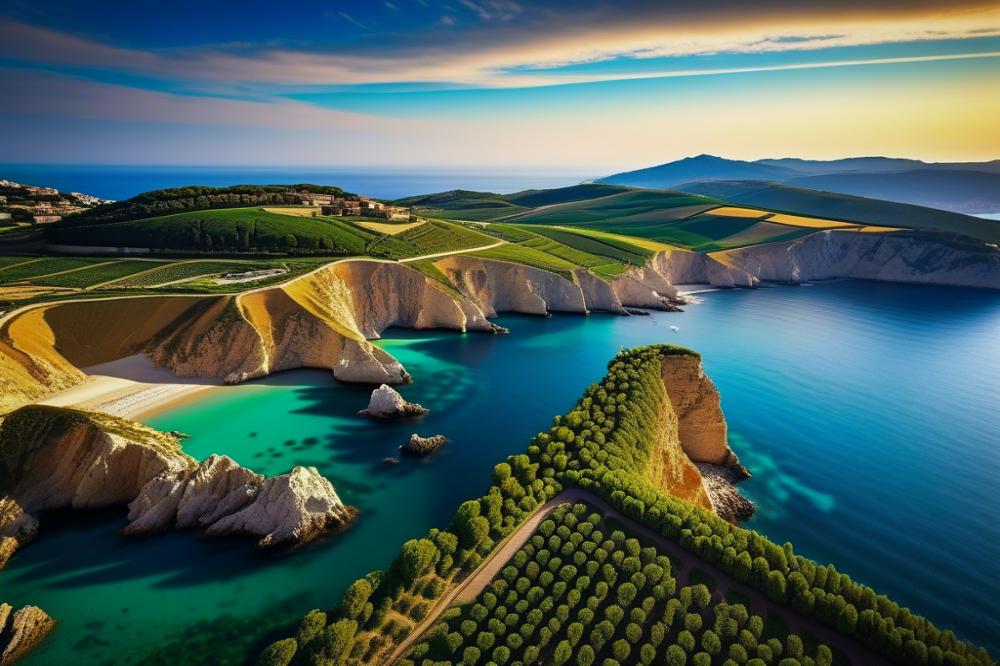
Understanding Italy‘s Coastal Ecosystems
Italy boasts a diverse range of coastlines, stretching from the serene beaches of the Adriatic Sea to the dramatic cliffs of the Amalfi Coast. These environments host unique ecosystems that are shaped by the interplay of land and sea. sandy soils dominate many coastal areas, presenting distinct challenges and opportunities for the plants that inhabit them. Coastal plants have adapted remarkably to thrive under these conditions, playing a crucial role in maintaining ecological balance.
In sandy soils, vegetation encounters issues such as erosion and salt exposure. The importance of plants that can survive in these harsh conditions cannot be understated. They not only support wildlife but also contribute to dune stabilization, reducing the impact of winds and waves. Additionally, coastal plants help to maintain biodiversity, offering habitats for various species, including insects, birds, and other animals.
Many of these plants belong to the Mediterranean vegetation community, which is characterized by its ability to endure dry conditions. Xerophytes, or drought-resistant plants, are prevalent along Italy’s coastlines. Examples such as sea oats and beach grass showcase extraordinary salt tolerance and root structures that anchor them in shifting sands.
Understanding the role of coastal plants is vital for conservation efforts. Protecting these natural habitats ensures the survival of both flora and fauna, and promotes the overall health of these ecosystems. As we explore the coastal flora of Italy, we reveal the incredible ways in which these plants have adapted to their environment, demonstrating resilience and beauty in challenging terrains.
Understanding Sandy Soils
Italy’s coastlines feature sandy soils that define their natural landscapes. These soil types are characterized by larger particles, which allows for good drainage. However, this characteristic also leads to specific challenges for plant life. Water tends to pass through sandy soils quickly, leaving little time for roots to absorb moisture. In coastal areas, this means plants must adapt to survive on limited water supplies.
Coastal plants face many difficulties when growing in these environments. Hot sun and strong winds can take a toll on vegetation. Moreover, the presence of salt in the air adds another layer of stress. Not all plants can endure these harsh conditions. Therefore, salt tolerance becomes a critical factor in selecting suitable plant species for these regions.
Nutrient availability is another concern. Nutrient levels in sandy soils are often low compared to richer, clay-based options. Essential minerals can wash away with rainfall or wind. This leads to challenges for plant growth, as nutrients are vital for developing healthy root systems and foliage. Various species, such as xerophytes, have evolved to cope with these factors. These plants have specialized adaptations to thrive in dry, nutrient-poor environments.
Keeping ecosystems healthy along Italy’s coast requires focused conservation efforts. Diverse plant life helps stabilize sand dunes, preventing erosion from wind and water. Biodiversity is crucial, as it enables resilience against environmental changes. The Mediterranean vegetation found here plays a significant role in maintaining balance within coastal habitats. Local efforts to protect and sustain these ecosystems will greatly benefit both people and plants.
Diverse Flora of Italy’s Coastal Regions
Italy’s coastal areas are home to a rich variety of Mediterranean vegetation. This unique environment boasts ecosystems that thrive in challenging conditions. Among these ecosystems, sandy soils play a crucial role in supporting a diverse range of plant species. Coastal regions serve not only as picturesque landscapes but also as important habitats for biodiversity.
Key species of coastal plants include xerophytes and halophytes, which have specific adaptations to survive. Xerophytes, such as various succulents and drought-resistant shrubs, efficiently conserve water. Halophytes, on the other hand, flourish in salty environments, capable of tolerating high salinity levels. Notable examples of halophytes include saltbush and sea lavender, both of which add beauty to the coastal landscape.
Adaptations to salt tolerance are essential for these plants. Some coastal species have developed specialized mechanisms to filter out excess salt. They may excrete salt through their leaves, or store it in vacuoles, thereby minimizing harmful effects. Drought conditions also pose a significant challenge. To cope, many plants have deep root systems, allowing them to access underground water sources. Others feature thick, waxy leaves that reduce moisture loss under the scorching sun.
The interplay of sand, salt, and sun has shaped these coastal ecosystems. Dune stabilization is vital, preventing erosion and maintaining habitat integrity. Various plants work together in this role, forming complex relationships. Conservation efforts also play a role in protecting these habitats from development and pollution. Preserving Italy’s coastal plants helps maintain the delicate balance of these ecosystems, ensuring they can thrive for generations to come.
Role of Flora in Ecosystem Stability
Coastal plants play a vital role in maintaining stable ecosystems along Italy’s picturesque coastlines. These plants are essential for dune stabilization, helping to anchor sandy soils and protect against erosion. With their roots intertwined, they create a strong network that combats wind and water forces. This stabilization is crucial, especially in areas with heavy tourist traffic or coastal storms.
Interactions between these coastal plants and coastal fauna form a delicate balance. Various animals depend on these ecosystems for food and shelter. Birds nest in the dense vegetation, while insects find refuge among the leaves. The health of these communities relies on the presence and diversity of Mediterranean vegetation. Biodiversity not only enriches these habitats but also boosts resilience against climate changes.
In some regions, invasive species threaten native coastal plants. They compete for resources, like sunlight and water, often outgrowing the local flora. The introduction of non-native xerophytes exacerbates this issue, as many lack salt tolerance, putting additional stress on ecosystems already facing challenges. Conservation efforts are vital to protect Italy’s unique environments and ensure native plant species thrive. By understanding these dynamics, we can better appreciate the intricate relationships that exist within coastal ecosystems.
Biodiversity and Conservation Efforts
The biodiversity found along Italy’s coastlines plays a crucial role in maintaining the health of marine and terrestrial ecosystems. Coastal plants in this area exhibit incredible adaptations to survive in sandy soils and salty environments. These species, particularly those within Mediterranean vegetation, can thrive where harsh conditions often prevail. Such adaptation includes salt tolerance, allowing them to flourish despite periodic flooding and drought.
In order to protect this rich diversity, effective conservation strategies are needed. Various approaches focus on preserving habitats where xerophytes and other coastal plants grow. Planting native species enhances dune stabilization, which is important for preventing erosion. Programs also seek to rehabilitate areas that have been damaged by human activity, ensuring that natural habitats are restored.
Local communities and organizations play an integral part in these conservation efforts. Engaging residents fosters a sense of responsibility towards their surroundings. Many small groups host workshops to educate locals about the importance of coastal ecosystems. Volunteers often gather to clean beaches, plant native vegetation, and monitor wildlife. Their involvement helps create a stronger connection to the land and encourages sustainable practices.
In addition, partnerships between governmental bodies and private organizations can lead to successful conservation initiatives. These collaborations help in securing funding for projects aimed at preserving coastal habitats. Regular research initiatives are also essential, contributing valuable data about the conditions of various ecosystems. This information shapes ongoing conservation methods, allowing for adaptive management.
By preserving Italy’s unique coastal biodiversity, we take steps toward maintaining the overall health of our environment. It is vital that all stakeholders, from local communities to researchers, work hand in hand to protect these remarkable areas. The future of Italy’s coastlines largely depends on how effectively we recognize and support the rich variety of life that exists there.
Future Challenges and Research Directions
Climate change poses significant threats to coastal ecosystems in Italy. Rising sea levels will alter the habitats of many coastal plants. Changes in temperature and increased salinity can also affect growth patterns. As the Mediterranean climate shifts, so too does the balance of native vegetation. Dune stabilization efforts may become more challenging, impacting sandy soils where many plants thrive.
Ongoing research is focused on the adaptability and resilience of coastal plants. Scientists study various species, including xerophytes that thrive in dry conditions and have high salt tolerance. This research plays a key role in understanding how these plants respond to environmental stress. By examining gene expression and adaptive traits, researchers aim to identify which species can survive the changing climate.
Maintaining biodiversity is crucial for healthy coastal ecosystems. Diverse plant life supports not only local flora but also numerous animals and insects that depend on them. Sustainable practices are needed to protect these delicate environments. Conservation efforts should prioritize the restoration of native Mediterranean vegetation. This is especially important as human activities continue to impact natural habitats.
Communities can play a part in these conservation efforts. Engaging in education and outreach programs about coastal flora can help raise awareness. Protecting these ecosystems involves promoting responsible practices that benefit both plants and wildlife. As we face future challenges, collaboration between scientists, organizations, and local residents is essential for the survival of Italy’s coastal landscapes.
Final Thoughts on Italy’s Coastal Ecosystems
Italy’s coastal ecosystems hold great importance for biodiversity. Various plants thrive in the sandy soils, creating habitats that support many animal species. These ecosystems are not just beautiful; they also play a crucial role in environmental health. Coastal plants help prevent erosion and contribute to the overall stability of the region.
Looking ahead, protecting these rich environments will depend on dedicated preservation efforts. It is essential to highlight the value of research aimed at understanding these unique habitats. By studying the plant life along Italy’s coastlines, scientists can find effective ways to safeguard these fragile ecosystems. Future research will inform conservation strategies that can counteract the threats posed by climate change and human activities.
Encouraging local communities to take action is vital. When individuals understand their role in protecting coastal biodiversity, even small efforts can make a difference. Simple actions like cleaning up beaches, reporting invasive species, and supporting conservation programs can lead to significant positive outcomes. Together, we can help ensure that generations to come will enjoy the beauty and benefits of Italy’s coastal flora.

