
Introduction
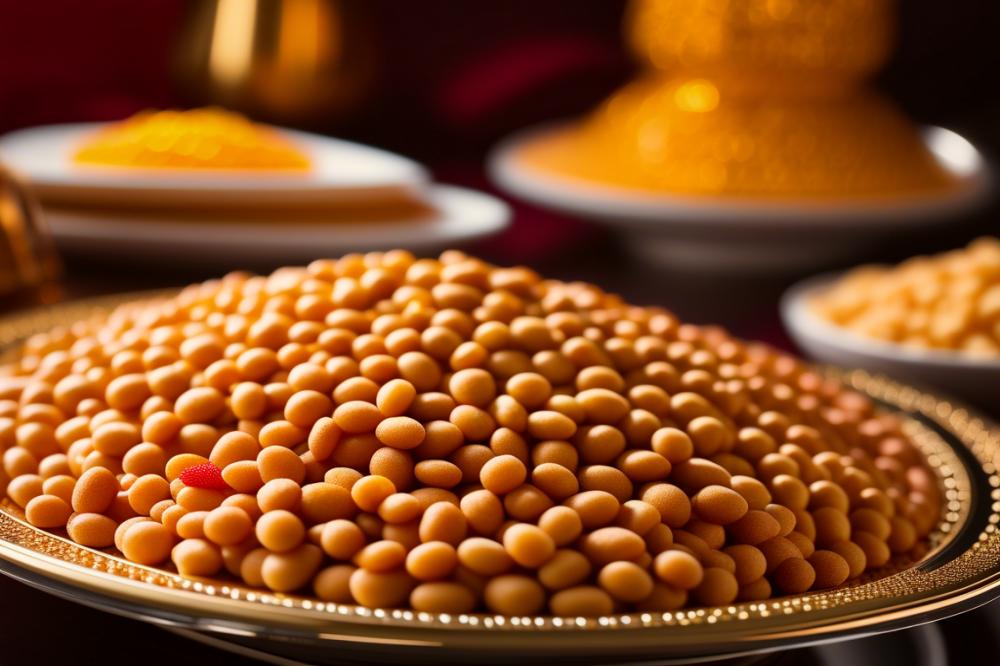
Italian confectionery is renowned for its variety and flavor. From creamy tiramisu to rich Chocolate panna cotta, sweets play a significant role in Italy’s culinary landscape. Among these delights, struffoli stands out, especially during festive seasons. This traditional dessert is a collection of small, golden dough balls coated in honey, often served in decorative arrangements.
Struffoli is more than just a treat; it embodies celebration and family gatherings. These little bites of joy are typically enjoyed during Christmas and other holidays, reflecting the warmth of Italian traditions. Their preparation often involves multiple family members, fostering a sense of unity.
In Italian culture, struffoli holds a special place. It symbolizes abundance and joy, making it a cherished part of festive meals. For many, the act of making struffoli is a ritual that connects generations, imparting cherished recipes and stories. This collective experience enhances the significance of the dessert during celebrations, allowing families to create lasting memories while indulging in a tasty delight. The roots of struffoli run deep, illustrating the blending of culinary art and cultural heritage. Those looking to embrace this tradition can find satisfaction in both the process and the delicious outcome.
For a deeper look into struffoli’s background, explore more about its fascinating history and recipes on #anchor_text_1#. The joy of making and sharing struffoli unites people, making it a beloved choice during festivities like Christmas and New Year’s. Understanding its importance adds to the excitement and meaning of every bite. Discovering its origins provides a window into Italy’s rich culinary past, which is full of delightful stories waiting to be told through each sweet morsel. Additionally, learning how to make struffoli can be an exciting adventure for many! Check out #anchor_text_2# for guidance on preparing this festive treat at home.
Historical Background
The origins of struffoli can be traced back to Italy, where celebrations often include this delightful treat. Many believe this dessert dates back to ancient times, with Greek roots influencing its creation. In Southern Italy, particularly in regions like Campania and Calabria, struffoli became a staple during festive occasions, especially during Christmas.
Regional variations significantly shape how struffoli is prepared. In Naples, for instance, they are typically smaller and coated with colorful sprinkles. Other areas might use different nuts or even add spices, creating distinct flavors. This adaptability makes struffoli a fascinating reflection of local traditions and ingredients.
Traditional recipes vary across the country. In some households, the dough is flavored with citrus zest, enhancing its taste. Others might incorporate local honey, often sourced from nearby beekeepers, adding a rich sweetness that complements the fried dough perfectly. Whether topped with Chocolate or adorned with candied fruits, each version tells a story of regional pride and familial love.
Despite these differences, all variations share a common thread: they symbolize togetherness during celebrations. Families often gather to make this dish, reflecting the joy of the season. By preparing struffoli, Italians not only savor a delicious dessert but also honor their heritage and cultural history.
Preparation and Ingredients
Key ingredients in struffoli
Struffoli are made from a handful of important ingredients. Flour is the main base, providing structure. Eggs are mixed in for richness and flavor. Sugar adds sweetness, while butter contributes to the texture. Italian dessert recipes often call for a dash of orange zest for a citrusy note. Honey is a key component, coating the tiny dough balls in a shiny layer. Finally, colorful sprinkles add a festive touch, appealing to the eyes as well as the taste buds.
Step-by-step process of making struffoli
Making struffoli involves several straightforward steps. Begin by creating the dough. Combine flour, sugar, and eggs in a bowl. Knead the mixture until it forms a smooth ball. Next, divide the dough into small pieces. Roll each piece into thin ropes and cut them into tiny bits. Once cut, shape them into little balls. Heat oil in a frying pan, and fry the dough pieces until they are golden brown. Drain them on paper towels to remove excess oil. Afterward, it’s time for the honey. Gently heat honey in a saucepan until it is fluid. Pour the warm honey over the fried dough. Toss everything together until the dough balls are well coated. Finally, transfer the mixture onto a serving plate and sprinkle with colorful toppings.
Variations in recipes and methods
Several variations exist within struffoli recipes. Some people prefer to use flavored liqueurs, such as limoncello, to enhance the taste. Others like to incorporate nuts, giving an added crunch. Different regions of Italy may have their own slight twists on techniques. For example, in some households, cinnamon might be included for warmth. Additionally, the method of cooking can vary, with some opting to bake their dough balls instead of frying. Choices abound depending on personal preference and regional traditions.
Cultural Significance
Struffoli play a central role in Italian festivities. Families across the country prepare this beloved sweet during important holidays. Christmas is perhaps the most common occasion for making struffoli, but they can also be found during weddings and special events. Gathering to create these treats fosters a sense of community and togetherness.
These honey-coated balls of dough symbolize abundance and joy. When served, struffoli represent the sweetness of life. Traditionally, they are adorned with colorful sprinkles, which are thought to bring good luck. In a way, their golden color reflects the hope and warmth of the holiday season.
Comparisons can be drawn between struffoli and other Italian desserts. For instance, panettone also marks Christmas and carries its own rich history. While panettone is a towering bread filled with various fruits, struffoli offers a bite-sized alternative that is just as festive. Their textures and flavors may differ, but both share a common theme of celebration.
Other treats, like torrone or croccante, also bring sweetness to gatherings. Each dessert has its place in Italian culture, often tied to regional traditions. However, struffoli’s unique presentation and lively decorations make it particularly festive. Family recipes often vary from one kitchen to another, further adding to the treat’s charm.
During holidays, struffoli become more than just food; they become part of storytelling. Elders often share tales of how they prepared struffoli when they were younger. This passing down of tradition helps keep the memories alive and strengthens family bonds. The simple act of rolling dough and frying it invites laughter and creativity.
In many households, making struffoli is a multi-generational affair. Children learn from their parents while creating these sweet delights. This hands-on experience connects them to their heritage. Every batch tells a story, woven with love and care, making each bite more than just a dessert.
Modern Adaptations and Variations
Contemporary Twists on Traditional Struffoli
New ideas breathe life into traditional struffoli. Today, bakers experiment with flavors like chocolate and citrus zest. However, the core recipe remains unchanged. This allows the classic dessert to evolve while maintaining its heart. Some versions incorporate different nuts, adding a delightful crunch. Others use festive sprinkles to make it visually appealing for younger audiences. These changes highlight creativity while honoring the original dish.
Influence of Different Culinary Trends
Diverse food trends have influenced struffoli’s preparation. For instance, the rise of gluten-free options means some cooks now use alternative flours. Interest in healthy eating has sparked recipes with honey substitutes. These adjustments cater to dietary preferences without sacrificing sweetness. Vegan variations also appear, replacing eggs with plant-based ingredients. Trends like these showcase how culinary innovation shapes beloved treats.
Struffoli in Global Confectionery Contexts
Around the world, struffoli find their way into various celebrations. Italian communities abroad carry on this festive tradition. In the United States, it’s often featured during Christmas and Easter. Bakeries showcase struffoli in different sizes and presentations. This dessert also attracts attention from non-Italians who enjoy its flavor. As globalization continues, unique adaptations emerge, merging local tastes with this Italian classic. The timeless appeal of struffoli ensures that they remain a festive favorite, no matter where they are served.
The Sweet Legacy of Struffoli
Struffoli’s origins trace back to ancient Italy, where its roots intertwine with local customs and traditions. This festive dessert symbolizes more than just sweetness; it embodies togetherness during celebrations. Traditionally prepared during Christmas and other special occasions, struffoli captures the essence of family gatherings and festive cheer.
Cultural significance plays a vital role in the story of struffoli. Generations have passed down this recipe, connecting families through shared memories of cooking and savoring these honey-coated morsels. Whether enjoyed at Christmas tables or during weddings, struffoli remains a staple of Italian life, showcasing the importance of culinary heritage.
As time progresses, the methods and ingredients for making struffoli may evolve, but the heart of this treat endures. The ongoing celebration of these traditions helps to foster a sense of identity and belonging. Preserving recipes ensures that future generations will also experience the joy that struffoli brings. By keeping these traditions alive, families create lasting bonds that endure beyond just the flavorful bites.
It is essential to honor such dishes that tell stories of love, labor, and culture. The act of making struffoli invites families to come together, to share laughter, and to remember their roots. By relishing every piece, we not only celebrate a delightful treat but also a cherished past.
As we look ahead, let us make a conscious effort to keep these traditions vibrant. Cultivating an appreciation for struffoli and similar foods reinforces ties to our heritage. Those connections foster unity, ensuring that festivities continue in their rich and flavorful forms. Embracing these customs carries an important message: traditions, like #anchor_text_3#, are meant to be cherished and celebrated, not forgotten.

