

Introduction
In Italy, cats hold a special place in hearts and homes. These beloved pets come with their own set of traditions and beliefs. Throughout history, they have been woven into the tapestry of Italian Culture, often symbolizing various human ideals. The way people view felines can influence their attitudes and actions. Cats, particularly, are rich in superstitions. They can represent fortune or misfortune depending on the context.
In this culture, the black cat stands out. It serves as a focal point for many discussions about luck. Some believe these creatures bring good luck, while others associate them with bad omens. This duality reflects the complex nature of Italian folklore. Stories passed down over generations shape how society perceives these animals. As a result, Black Cats come to signify more than just mere pets; they represent deeper cultural meanings.
The aim of this article is to explore how Italian Culture views Black Cats differently than other nations. By understanding local superstitions and traditions, we can uncover why these animals evoke such diverse reactions. With a careful examination of beliefs and animal metaphors in Italian society, we aim to shine a light on this unique perspective. This knowledge is not only fascinating but essential for anyone seeking a deeper appreciation of cultural perceptions in Italy.
Black Cats in Italian folklore
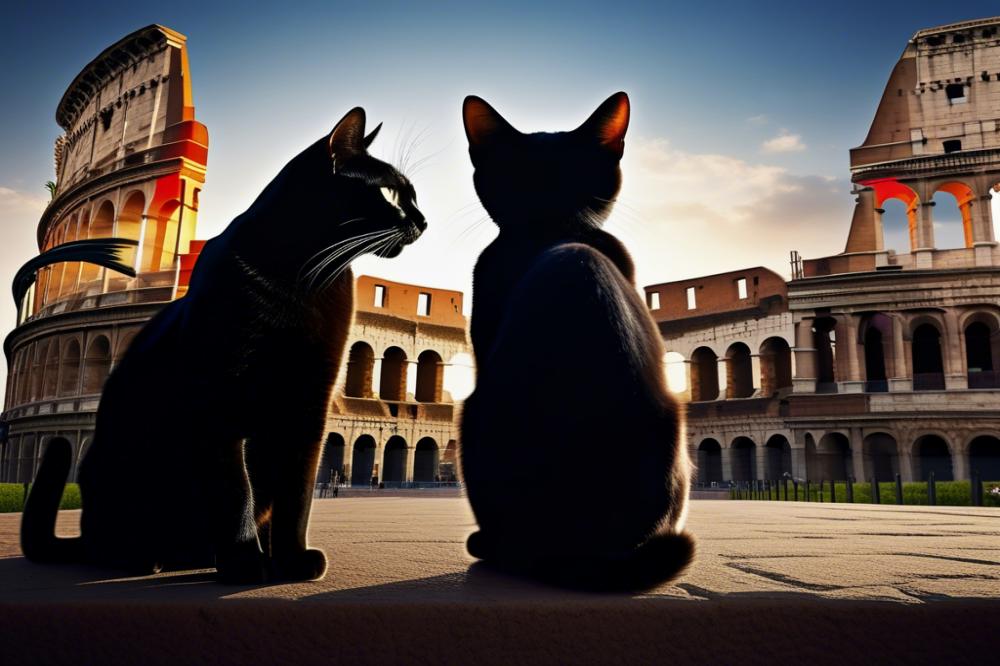
Throughout history, black cats have held a significant position in Italian folklore. Many people believed these creatures carried deep symbolism. Some viewed them as omens, representing both good and bad luck. In medieval times, a black cat was often associated with witchcraft. This led to a negative perception in various regions. Ironically, some traditions also celebrated their presence. They symbolized prosperity and protection in certain households.
Superstitions surrounding these felines frequently vary across Italy. In many northern areas, a black cat crossing one’s path might bring bad luck. Conversely, in parts of southern Italy, it is thought to bring forth good fortune. This contradiction showcases the richness of Italian cultural perceptions. Distinct communities adopt unique beliefs, almost as animal metaphors, reflecting local history. Different regions have crafted their stories, embedding black cats into their myths.
Regional folklore plays a crucial role in shaping these views. In Tuscany, for instance, households often keep black cats as pets, believing they ward off evil spirits. Meanwhile, Sicilians might argue that spotting one is an indicator of upcoming good days. Folktales frequently feature these cats in whimsical ways, adding an element of charm. They might portray a cunning character, embodying both mystery and grace. Local legends often intertwine with day-to-day life, showcasing the importance of these animals in various narratives.
Such variations highlight the deep-rooted beliefs across generations. While some see them as harbingers of misfortune, others embrace them for serenity. Community traditions create a tapestry of stories, revealing much about Italian life. Understanding these differing perceptions offers insight into how folklore evolves. Ultimately, this complexity enriches the cultural landscape of Italy. Black cats, thus, remain a fascinating part of Italy’s heritage.
Symbolism of Black Cats in Italy
In Italy, the symbolism of black cats is complex and diverse. Throughout history, these animals have been associated with both good and bad luck. Superstitions play a significant role in shaping cultural perceptions. Many people believe that encountering a black cat can bring good fortune, while others see it as an omen of misfortune. This duality reflects the rich tapestry of Italian folklore.
Good luck versus bad luck associations
Good luck is often linked to these creatures in various regions of Italy. Some traditions suggest that they can bring prosperity and happiness to homes. Conversely, other beliefs portray them as bringers of bad luck, especially if they cross one’s path. These contrasting views create an intriguing cultural landscape. The idea of a black cat as a charm for good luck is common, yet its darker associations linger in the shadows.
Cultural beliefs influencing perceptions
Beliefs about black cats often vary between different areas of Italy. In some towns, they are welcomed as cherished pets, seen as guardians of the home. In other locales, fear prevails. Local legends and stories have influenced how communities view these animals. People often gravitate towards the narratives that resonate with their own experiences.
Black cats in art and literature
Throughout artistic expression and literature, black cats make frequent appearances. They often symbolize mystery or the unknown in various forms of storytelling. Writers and artists draw upon their enigmatic nature to convey deeper meanings. As animal metaphors, they represent more than just pets; they embody complex emotions and themes.
Animal metaphors related to black cats
Metaphors surrounding these creatures can be quite telling. In many stories, they represent a blend of independence and mystery. This portrayal can evoke feelings of both awe and apprehension. Folklore is rich with tales where black cats are depicted as guides or protectors, leading individuals through challenging times.
Cultural Traditions Involving Black Cats
Festivals and Celebrations Featuring Black Cats
Many festivals in Italy celebrate the beauty and mystery of these animals. One notable event is held in Sicily during the feast of Santa Lucia. It is said that a black cat crossing your path on this day brings good fortune. Festivals often feature pets dressed up and paraded, symbolizing hope and prosperity. Local traditions encourage people to adopt cats, emphasizing the idea that these creatures can bring happiness into homes. Villagers often share stories about their own good luck encounters with cats. These gatherings create a sense of community, strengthening bonds through shared beliefs.
Rituals or Practices Surrounding These Animals
In Italian culture, various rituals exist that connect to the presence of these animals. Some believe that having one in the house can ward off evil spirits. People often keep a bowl of milk outside, hoping to attract a visiting cat for luck. Lighting candles in their honor during special nights is another widespread practice. Many families remember to offer treats to these felines, believing that kindness to them translates to good fortune for themselves. Other rituals involve storytelling, where folklore intertwines with everyday life, enhancing cultural perceptions and beliefs.
Comparison with Other Cultures’ Beliefs
Beliefs about these creatures differ greatly around the world. In contrast to Italy, where they often symbolize good luck, other cultures see them as bad omens. In parts of the United States, people may worry if a black cat crosses their path. Such views highlight contrasting beliefs and superstitions surrounding animal metaphors. The Japanese often regard them as protectors, believing they bring good fortune, similar to Italian traditions. Understanding these differences enriches our perspective on how cultures view these animals and their place in society. The rich tapestry of beliefs reflects varying interpretations, showcasing the diverse significance of these pets globally.
Black Cats as Pets in Italian Households
In Italian homes, the presence of these enigmatic creatures can spark a mix of feelings. Many people view them as charming companions, while others are influenced by deep-rooted superstitions. Pet ownership trends have shown a shift in preference over the years.
Once regarded by some as harbingers of bad luck, they now find a warm place in many families. Changing perceptions reflect a broader movement in society. As collective beliefs evolve, more individuals recognize these animals as symbols of good fortune. This shift has coincided with a rise in adopting them as beloved household pets.
Folklore plays a significant role in shaping attitudes toward these animals. Various traditions associate them with both good and bad omens. In Italian culture, some still fear a black cat crossing their path. However, others believe they bring prosperity and happiness. This duality creates a fascinating landscape of cultural perceptions.
Throughout historical narratives, black cats often appear as powerful animal metaphors. They symbolize mystery and independence, which resonates with many people. Within communities, families express love and appreciation for these fascinating creatures more than ever. Many Italian households now celebrate their quirks, often sharing stories about their pets’ unique behaviors.
Engaging with animals like these can reshape societal attitudes. Encouraging conversations about their role in families helps dispel age-old beliefs. Furthermore, embracing the notion of them as symbols of good luck fosters a more inclusive view. Today, families that welcome them into their homes create a sense of joy and companionship.
Ultimately, perceptions of black cats in Italy are changing. Modern influences have helped reshape opinions, highlighting the joy they bring into lives. A newfound appreciation exists, allowing these pets to thrive in homes and hearts alike.
Modern Views on Black Cats
Influence of Media and Popular Culture
Influence from movies and books shapes how people view these animals. Often, they are portrayed as ominous figures or bad omens. However, recent films have begun to show them in a more positive light. For example, animated films and children’s stories often highlight their charm and playfulness. This shift showcases them as lovable pets rather than symbols of misfortune. As cinema evolves, so does the portrayal of superstitions associated with these creatures.
Contemporary Superstitions and Their Relevance
Today, some still hold on to old beliefs that black cats bring bad luck. Many people invoke folklore to explain their views. Various traditions claim that crossing paths with one leads to a misfortune. This idea is often reinforced during Halloween when superstitions become more pronounced. Yet, one must wonder if such beliefs hold true in modern society. Many individuals see their pets as symbols of companionship and joy rather than danger. As a result, the relevance of these superstitions may be waning.
Shifts in Attitudes Towards Black Cats
Attitudes toward these animals have begun to change significantly. Society increasingly recognizes their unique grace and beauty. Pet adoption campaigns emphasize that these animals can be wonderful companions. Greater awareness has led to increased acceptance and love for them as accepted pets. Cultural perceptions are shifting, embracing diversity in animal symbolism. Beliefs about superstition are being challenged by facts and personal experiences. Overall, more people take a fresh look at these beloved creatures, appreciating their role in homes and hearts.
Final Thoughts on Italian Perspectives of the Mysterious Feline
In summary, black cats are perceived quite differently in Italy compared to many other cultures. While some see them as bringers of bad luck, others embrace them with open arms and a sense of pride. These varied perceptions stem from centuries-old folklore and superstitions that shape how people view these creatures. Many Italians understand that the meaning of a black cat can change depending on one’s beliefs and experiences.
Reflecting on cultural views reveals a broader truth about how society often constructs meaning around animals. The impact of folklore cannot be underestimated. Tales of good fortune and misfortune linger in the minds of many, leading to deeply rooted emotions and biases. Such beliefs shape daily lives and interactions.
Ultimately, black cats symbolize more than just good or bad luck in Italian culture. They serve as a reminder of how narratives evolve and shift over time. It’s crucial to discuss and challenge these perceptions, encouraging a more accepting viewpoint. In doing so, we can foster a deeper appreciation for the role of these felines in our lives, moving beyond outdated superstitions towards a more caring understanding.

