

The Role of Italy-s-ecosystem-and-culture”>Lavender in Italy’s Biodiversity
In the rolling hills and sun-drenched valleys of Italy, a vibrant tapestry of life unfolds. This country’s ecosystems are rich and diverse, showcasing a variety of plants and animals. Among the notable flora, Lavender stands out, contributing beauty and fragrance to the landscapes. This aromatic plant thrives in various regions, thriving especially in areas like Tuscany and Liguria. Its presence is not merely ornamental; it plays a significant role in local agriculture.
Connecting with Biodiversity is crucial when discussing this remarkable plant. Each species in these environments interacts with others, creating a delicate balance. Flora supports fauna, providing habitat and food for countless creatures. As lavender blooms, it attracts pollinators such as bees, which are vital for ecosystem health. Their relationships highlight the importance of every element in nature. When one species flourishes, entire systems benefit.
Conservation initiatives seek to protect these intricate webs of life. Sustainable practices in agriculture can reduce environmental impacts while preserving natural resources. Supporting local farmers growing lavender can lead to a greater awareness of environmental issues. Aromatherapy also benefits from lavender, showcasing its medicinal properties. This plant contributes to cultural heritage, enriching lives through traditions and holistic wellness.
Italy embodies a commitment to preserving biodiversity. The landscapes host a unique array of species, each with its own significance. By fostering an appreciation for lavender and other native plants, communities can better appreciate their rich heritage. Engaging people in conservation can promote awareness and understanding of the interconnectedness in nature. Through efforts to protect ecosystems, individuals can contribute to a sustainable future.
Lavender as a Key Element of Flora in Italy
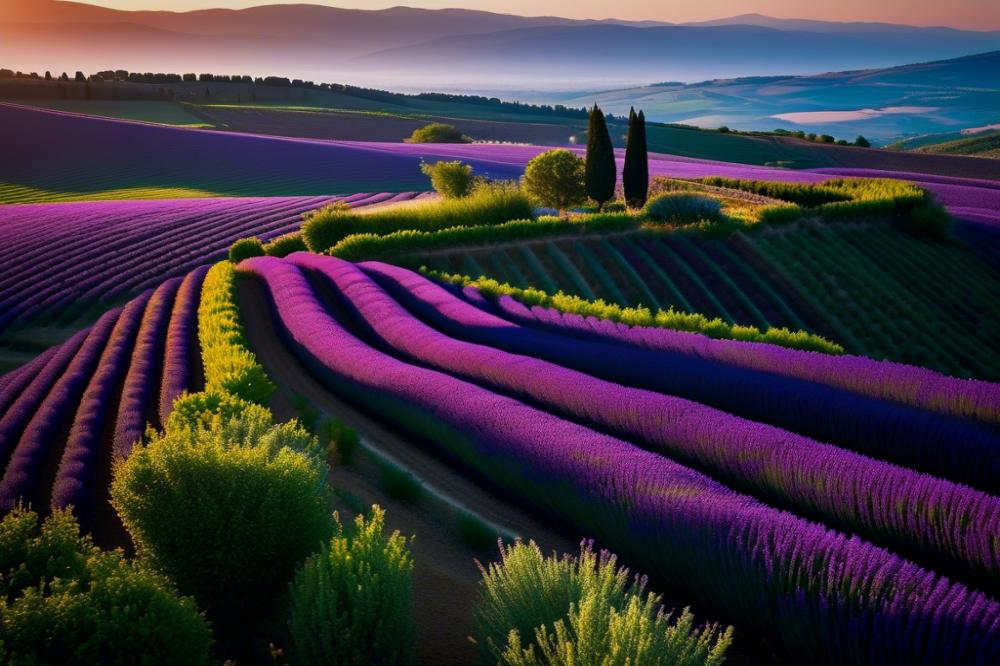
Description of lavender species native to Italy
Lavandula angustifolia and Lavandula stoechas are two notable species found in Italy. These plants thrive in various Italian regions, particularly in areas with sunny climates and well-drained soils. Their vibrant purple blooms attract both attention and pollinators. Often, people recognize their strong, pleasant fragrance that fills the air during summer months. Gardens and fields often showcase these plants, linking local culture to natural beauty. Many Italian traditions involve using the flowers for both culinary and medicinal purposes. They have a long history of use, indicating their importance in agricultural practices as well.
Role of lavender in various ecosystems
In many ecosystems, lavender plays a vital role. As a nectar source, it supports many species of bees and butterflies, contributing to pollination efforts. This attracts diverse fauna, which helps maintain healthy ecosystems. The plants provide cover for small wildlife, creating habitats within open fields and gardens. Furthermore, their root systems can stabilize soil, preventing erosion. By creating microhabitats, these plants enhance biodiversity beyond just their own species. They also act as natural pest deterrents, benefiting nearby crops without harmful chemicals.
Contributions to the overall biodiversity
Overall, the presence of lavender enhances biodiversity in Italy. It not only enriches the flora but also serves as a bridge connecting various forms of life. Agricultural landscapes benefit from their inclusion, promoting sustainable practices. Farmers often cultivate them alongside other crops, decreasing the environmental impact of traditional farming methods. Additionally, their aromatic properties find importance in aromatherapy and wellness, connecting cultural heritage with nature. This connection fosters an appreciation for preserving natural landscapes. Efforts in conservation are crucial for maintaining these unique ecosystems in Italy. Their vibrant flowers tell a story of tradition, sustainability, and ecological balance.
The Connection Between Lavender and Fauna
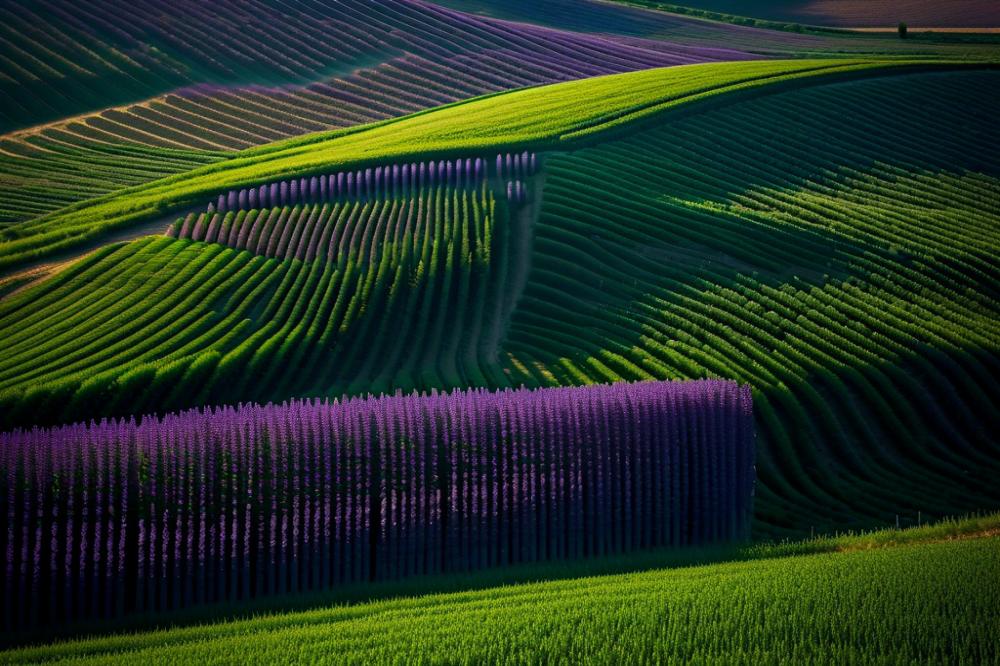
In Italy, the impact of lavender cultivation on pollinator species cannot be overstated. Fields filled with this vibrant plant attract a variety of bees, butterflies, and other insects. These pollinators play a vital role in the surrounding ecosystems. By visiting flowers, they facilitate the reproduction of numerous plants, ensuring a rich diversity of flora.
Birds also find a place in these lively environments. They often forage for insects that reside among the lavender. Together, these birds and insects create a balanced ecosystem. Each species contributes to the health of its habitat. It’s fascinating how these small creatures influence larger environmental dynamics.
Interactions between the plant and local wildlife highlight the importance of conservation efforts. Protecting these areas means safeguarding the life that depends on them. Sustainable practices in agriculture promote biodiversity and reduce environmental impact. By focusing on these aspects, Italy preserves its unique heritage while benefiting its fauna.
The relationship is not merely a one-way street. As pollinators flourish, they enhance the health of agricultural systems that rely on these crucial species. In return, the aromatic plant provides essential resources, supporting the entire web of life. Aromatherapy also taps into the benefits of the aromatic plant, leading to greater appreciation of its value in both ecological and cultural contexts.
Cultural and Agricultural Significance of Lavender
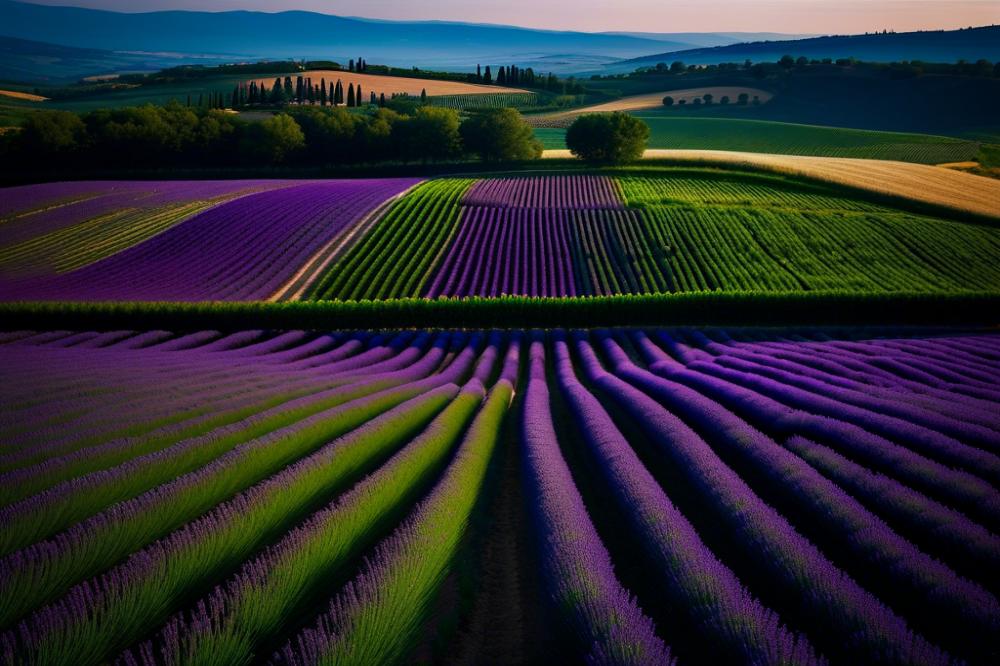
Historical use of lavender in Italian culture
Lavender has deep roots in Italy’s cultural heritage. This plant was cherished by ancient Romans who used it for its fragrant properties and believed it would purify their surroundings. It also found its way into traditional medicine. Throughout history, this herb was associated with cleanliness and healing. In many regions, people would hang lavender in their homes to ward off insects and promote good luck. Festivals celebrating the plant are still common in various towns, showcasing its lasting impact on local customs.
Modern agricultural practices involving lavender
Today, the agricultural scene surrounding this plant is evolving. Farmers employ sustainable practices to grow lavender, recognizing its importance to the ecosystem. They focus on minimizing the environmental impact of farming while promoting biodiversity. Many use organic methods to cultivate this aromatic crop, which helps to protect local flora and fauna. This approach also attracts wildlife, creating a rich habitat. Overall, modern techniques combine traditional knowledge with innovative ideas to ensure the continued health of both the plant and the land.
Economic value of lavender farming and its products
Lavender farming has significant economic benefits in Italy. Products derived from the plant include essential oils, dried flowers, and herbal teas. These items are not just popular in local markets; they also have a strong international demand. The tourism industry has tapped into this as well, with visitors flocking to lavender fields during blooming seasons. Some farms have developed agritourism, offering experiences that educate customers about both agriculture and conservation. This connection fosters appreciation for the landscape while boosting local economies.
Sustainable Practices in Lavender Cultivation
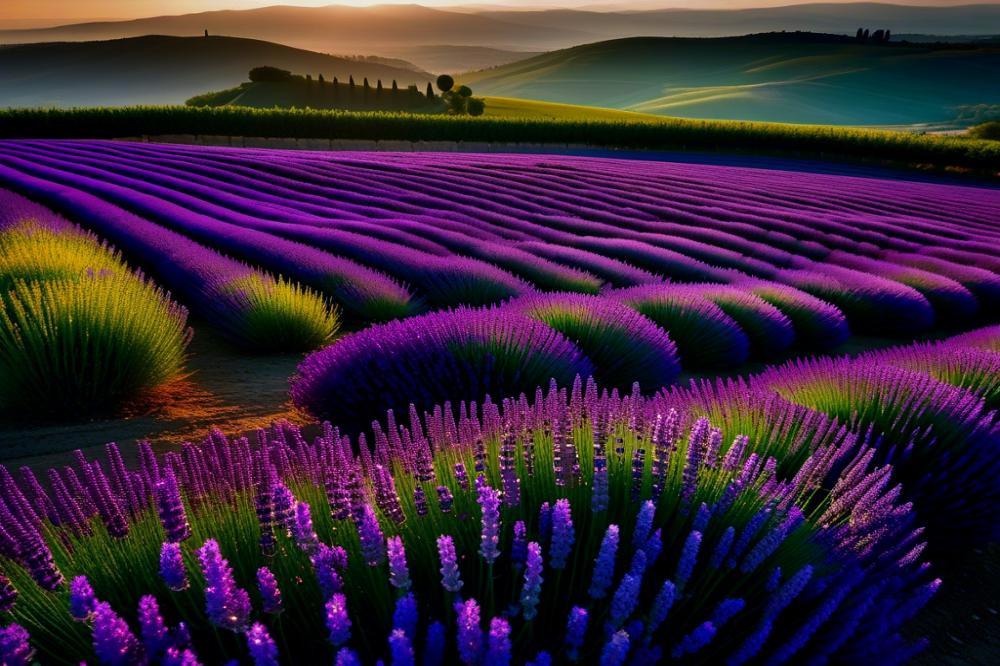
Overview of sustainable agriculture methods
Sustainable agriculture focuses on creating systems that are friendly to both the environment and local communities. This approach includes crop rotation, which helps improve soil health and control pests. Farmers also use cover crops to add nutrients naturally. Employing integrated pest management allows for a reduction in harmful chemicals. By promoting biodiversity, these practices support both the flora and fauna of Italy’s unique ecosystems.
Benefits of organic lavender farming
Organic farming has numerous advantages. Not only does it minimize chemical use, but it also contributes to healthier ecosystems. This method allows for the production of high-quality aromas, essential for the aromatherapy industry. Many consumers are now searching for products that uphold environmental values. Supporting organic lavender cultivators helps preserve Italy’s agricultural heritage while protecting natural habitats.
Conservation efforts related to lavender cultivation
Conservation initiatives often highlight the significance of lavender in maintaining biodiversity. Establishing protected areas ensures that natural habitats remain intact. Local farmers participate in programs aimed at preserving native plant species. This collaboration benefits both the environment and sustainable agriculture. By fostering eco-friendly methods, communities can promote a balance between cultivation and conservation, securing the future of Italy’s rich landscapes.
Environmental Impact of Lavender Cultivation
Positive Effects on Soil and Climate
Cultivating lavender can have beneficial effects on soil health. The deep roots of this plant help prevent erosion. They also improve soil structure over time. Farm practices like adding organic matter enhance fertility. Increased biodiversity in the area attracts various pollinators. These changes create a healthier ecosystem that supports different flora and fauna. Furthermore, lavender can act as a natural air purifier. Its oils have the potential to improve air quality, which is crucial in agricultural regions. The presence of these fragrant plants contributes to Italy’s rich agricultural heritage.
Challenges Faced by Lavender Farmers
Despite the advantages, farmers encounter numerous challenges. Weather unpredictability poses a significant risk to crops. Excessive rain or drought can devastate harvests. Invasive species may also threaten lavender’s growth. Farmers must stay vigilant against pests and diseases. This requires additional resources and effort. Economic pressures can strain small farms, making sustainable practices harder to implement. Balancing the demands of modern agriculture with traditional techniques is no small task.
Balancing Agricultural Practices with Biodiversity Conservation
Managing agricultural practices alongside conservation efforts is essential. Farmers need to find ways to support both productivity and ecosystems. Sustainable practices help nurture local biodiversity. Crop rotation, organic fertilizers, and cover cropping can maintain soil health. These methods also support beneficial insects, a key to pollination. Collaborations with conservation groups can raise awareness of local ecosystems. Effective education can empower farmers to adopt eco-friendly techniques. Adjusting strategies helps preserve Italy’s natural landscapes while maintaining agricultural viability. All these efforts contribute to a healthier environment for future generations.
Final Thoughts on Lavender’s Role in Italy’s Biodiversity
A remarkable plant has played its part in Italy’s biodiversity, enriching the ecosystems it touches. Its deep roots in local culture provide not just beauty, but also benefits for surrounding wildlife. Pollinators, such as bees and butterflies, find refuge among its flowers, helping to sustain various plant species through their pollination efforts. This interconnectedness highlights how diverse life forms rely on each other for survival.
Conservation efforts are crucial to maintain this balance. Protecting such flora helps to uphold the environmental integrity of regions across Italy. Sustainable agricultural practices can further enhance this relationship. Farmers can adopt methods that respect the land and promote biodiversity. These practices not only benefit the environment but can also lead to healthier, more resilient cultivation methods.
Looking ahead, the future of this plant in Italian agroecosystems seems promising. With an increasing awareness of the importance of biodiversity, more farmers are likely to incorporate it into their fields. This incorporation could lead to agricultural landscapes that are both productive and rich in variety. Communities that embrace these plants can expect to see not just financial benefits but also an enriched environment.
In summary, this plant serves as a vital element in Italy’s diverse ecosystems. Its role goes beyond simple beauty. It embraces the cooperation found in nature. As we focus on conservation and sustainable practices, the ongoing health of Italy’s natural heritage stands to gain immensely. Through mindful farming and an appreciation for biodiversity, this plant will continue to thrive and inspire future generations.

