
Introduction
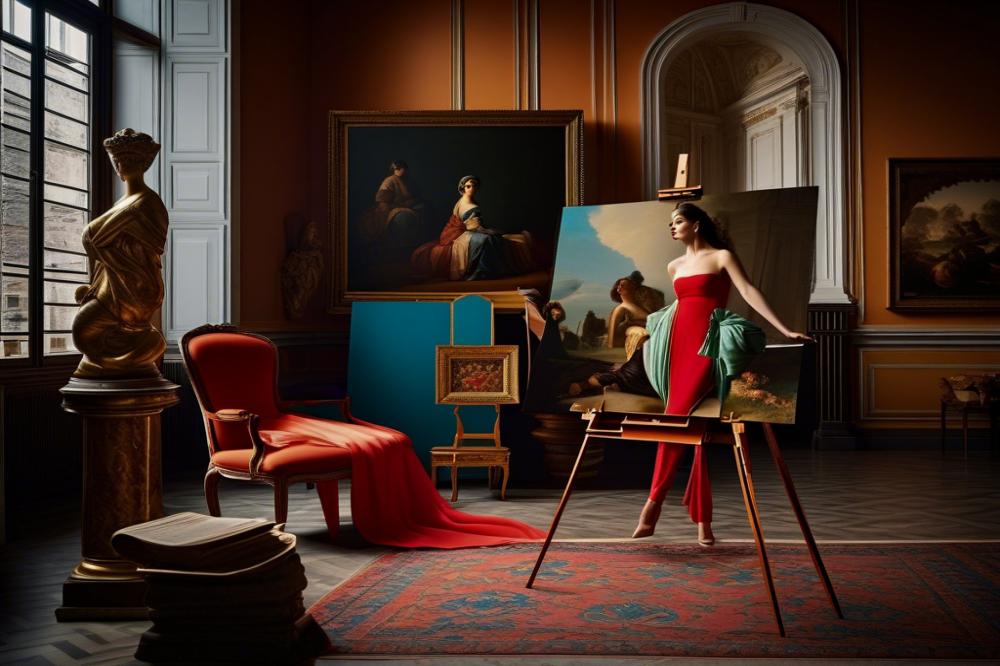
Throughout history, women have played a vital role in Italian art. Often overlooked, Female Artists Italy have made countless contributions to various art movements. Their stories reflect a struggle against societal norms that have historically limited women’s opportunities. In understanding their impact, we can shed light on the dynamics of gender roles in art.
Examining art history, it’s clear that women’s voices have been silenced for too long. Many renowned Italian painters, such as Caravaggio and Raphael, defined epochs with their work. However, female figures were often relegated to the sidelines, prompting questions about inclusivity and recognition in art. Moving forward, it’s essential to reconsider these narratives and explore the works of women sculptors and women painters who have enriched the field.
The discussion of gender roles in art extends beyond just the past. In contemporary Italian artists, we see a blend of traditional techniques and modern themes that reflect diverse experiences. Feminist art movements have emerged to highlight these unique perspectives. They invite us to consider how cultural contributions shape our understanding of art today.
Overall, this exploration of Women in Italian Art underscores their significance. Recognizing their achievements is not only about celebrating their talent but also about redefining the art community as inclusive and diverse.
Historical Context
Overview of Art History in Italy
Italian art boasts a rich and diverse history. From ancient Rome to the present, it has undergone many transformations. Each period brought new ideas and styles. The Renaissance marked a rebirth of classical aesthetics. Artists sought harmony and beauty in their work. By contrast, the Baroque period introduced drama and emotion. This artistic evolution laid the groundwork for future movements. Yet, one voice often remained quiet: that of women.
Role of Women in the Renaissance and Baroque Periods
During the Renaissance, women faced significant challenges. Gender roles in art placed many barriers in their way. Education and access to training were often denied. Despite these obstacles, some women emerged as remarkable creators. They began to carve out a space in a male-dominated field. The Baroque era offered a little more visibility. Artists like Artemisia Gentileschi gained recognition and respect. Her fierce and potent work challenged societal norms.
Famous women artists and Their Contributions
Several women artists left a lasting impact on Italian art. Sofonisba Anguissola was one of the first notable female painters. Her portraits showcased both skill and sensitivity. Another influential figure, Lavinia Fontana, became famous for her religious and mythological works. She opened doors for future generations. Additionally, Gentileschi’s work portrayed strong women from mythology and the Bible. Each of these artists pushed boundaries and offered fresh perspectives. Their cultural contributions shaped art history, even if they go unrecognized sometimes.
Notable Movements That Included Women Artists
Art movements throughout history have included women artists. The Baroque period, in particular, saw many female creators. They contributed significantly to the era’s defining characteristics. Additionally, the rise of feminist art in the 20th century challenged traditional narratives. This movement encouraged women to express their unique experiences. Contemporary Italian artists continue this trend. Today, women sculptors and painters are at the forefront of innovative practices. Their works often reflect their diverse experiences and insights. It’s essential to acknowledge this evolution and the roles they’ve played.
Prominent Women Artists
Detailed profiles of key women painters
Many women artists have left a mark on Italian art. Artemisia Gentileschi is one notable figure. She gained recognition in the 17th century for powerful paintings that often featured strong female characters. Another important name is Sofonisba Anguissola, celebrated for her portraits that capture the human experience with elegance. Her work helped pave the way for women in art. Modern figures like Titina Maselli also deserve attention. A contemporary Italian artist, Maselli explores themes of identity through vibrant colors.
Impact of women sculptors in Italian art
Sculptors have made significant contributions to the Italian art scene, as well. One prominent artist is Anna Chromy. Her sculptures are not only visually stunning but also invoke deep feelings of introspection. Through their art, women sculptors challenge traditional notions of beauty and strength. Fiorenza Bittarello, another influential figure, uses unconventional materials to create dynamic forms. The emergence of women in sculpture helps broaden the scope of what Italian art can truly represent.
Comparison with their male counterparts
When comparing women artists to their male counterparts, the contrast is striking. Men have historically dominated the art scene, often overshadowing female talents. However, the quality of work produced by women stands on equal footing. Take, for example, Caravaggio and Gentileschi. Both produced powerful narratives, yet only one often receives wider acclaim. Gender roles in art have limited recognition for many female artists. Still, their contributions resonate deeply within art history, proving the value of diverse perspectives.
Challenges faced by women in the art scene
Women artists in Italy encounter various challenges. The art world often favors well-established male figures, creating barriers for newcomers. Many female artists struggle to secure gallery space or exhibit their work. Even in contemporary art movements, women sometimes find their voices stifled. Societal expectations about gender roles in art influence perceptions of their creativity. Despite these obstacles, women continue to push boundaries. Their cultural contributions enrich the art landscape, challenging perceptions and inspiring future generations.
Contemporary Contributions
Overview of Contemporary Italian artists
Many contemporary Italian artists have gained recognition for their innovative work. Among them, women artists have started to make their voices heard. These creators often challenge traditional gender roles in art. They redefine what it means to be a woman in this vibrant scene. As a result, their contributions are enriching the cultural landscape of Italy today.
Emerging Women Artists Today
Young women sculptors and women painters are breaking through barriers. They explore various themes that resonate with modern audiences. Their artwork reflects personal experiences, social issues, and profound emotions. These emerging talents bring fresh perspectives to the art world. As they exhibit their work, they inspire others to pursue their artistic dreams.
Feminist Art Movements in Italy
Feminist art movements have played a vital role in shaping contemporary practices. They have provided a platform for women artists to express their ideas. Many of these movements emphasize identity, body politics, and gender experiences. Influential figures from the past have paved the way for today’s artists. Their legacies remind us of the ongoing struggle for equality in art history.
Influence of Social Changes on Women in Art
Social changes over the last few decades have significantly influenced women in the arts. Increasing awareness of gender inequality has sparked conversations about representation. As a result, more women artists are gaining visibility in galleries and exhibitions. These artists reflect shifts in society, presenting diverse narratives that were previously overlooked. Their works comment on contemporary issues, leaving a lasting impact on the audience.
Cultural Contributions
Women have played a vital role in shaping the landscape of Italian art. Their creativity and dedication have significantly contributed to the richness of art history. From the Renaissance to contemporary times, women artists have carved out their spaces despite facing many obstacles.
The Significance of Women in Italian Art
Throughout history, the contributions of women artists have often been overlooked. Yet, their voices and perspectives have proven essential. They have inspired countless others and brought new ideas to the forefront. Many talented women painters and sculptors created extraordinary works that reflect their unique experiences and visions. Italian art has a deep, complex identity partly formed by these contributions.
Their Role in Shaping Italian Art Identity
Italian art thrives on diversity and innovative viewpoints. Women artists have challenged traditional gender roles in art, pushing boundaries and redefining what is accepted. Their artwork often conveys powerful messages that resonate with society. The influence of these women extends beyond personal achievement; it has helped shape the cultural fabric of Italy. Each piece of art tells a story that contributes to the overall identity of Italian art.
Cross-Cultural Influences and Collaborations
Many women artists have engaged in collaborative projects that highlight shared experiences among different cultures. These interactions have led to the blending of styles and ideas, enriching the Italian art scene. By forming connections with other artists worldwide, they have broadened their own perspectives and brought fresh elements into their work. This exchange of creativity highlights the importance of collaboration in the art community.
Legacy of Women Artists in Art Movements
The legacy of women sculptors and painters in various art movements cannot be underestimated. From the early days of the Renaissance to the advent of feminist art movements, women have left their mark. They contributed to major shifts, like modernism, providing insights often grounded in personal narratives. Contemporary Italian artists continue to build on these foundations, exploring issues relevant to today’s society. Their efforts keep the spirit of female creativity alive, ensuring that future generations grow from this rich history.
Final Thoughts
The contribution of women artists to Italian art cannot be overstated. Throughout history, they have brought fresh perspectives and innovative techniques to the canvas. Their work reflects not only personal experiences but also broader societal changes. This impact has helped to shape the artistic landscape of Italy in significant ways.
Despite the progress made, challenges remain. Women still encounter obstacles in gaining recognition and equal opportunities in the artistic community. Historic biases have often sidelined their contributions. Today, a growing number of female artists continue to break barriers. They challenge norms, creating space for future generations to thrive.
Recognizing the role of women in the art world is vital for a complete understanding of artistic heritage. By acknowledging their achievements, society can encourage equality and celebration of all artists. The stories of these women need to be included in the narrative of Italian art history. It’s about time we appreciate their work and the unique voices they bring to contemporary practices.

