
Introduction
Italian confectionery has a rich history that reflects the country’s culture and traditions. Sweets play an essential role in gatherings, festivals, and everyday life. They are more than just treats; they are a way to celebrate moments with family and friends. Among the variety of desserts, the world of Italian sweets offers something for everyone, from creamy gelato to crunchy biscotti.
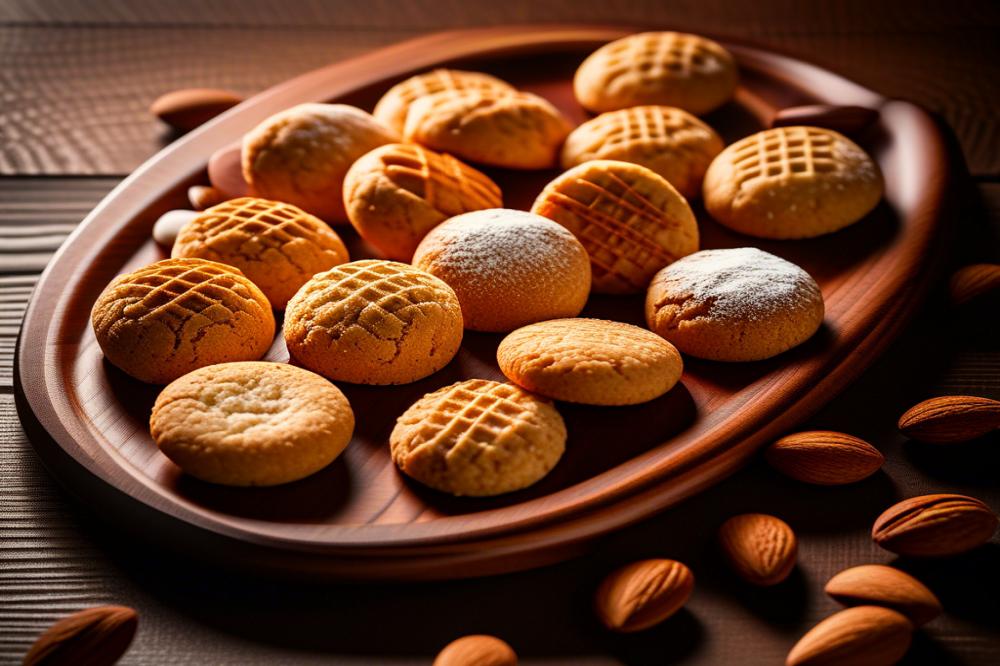
One particularly beloved item in this culinary repertoire is Amaretti cookies. These delectable treats are made from almond paste, sugar, and egg whites, creating a unique texture that many find irresistible. Traditional recipes vary, but the core elements remain the same. The result is a delightful meringue-like cookie that is both chewy and crunchy.
Often enjoyed alongside coffee or tea, these Italian almond cookies are also served during festivities and special occasions. Their artisanal quality and the love invested in their creation make them stand out in the world of desserts. Whether homemade or bought from a local bakery, they carry a story of craftsmanship and heritage that resonates with many.
In this article, we will explore the charm behind these almond delights and uncover their significance in Italian cuisine. Their presence blends seamlessly into the wider narrative of Italian confections, highlighting the importance of quality ingredients and traditional methods.
The History of Amaretti cookies
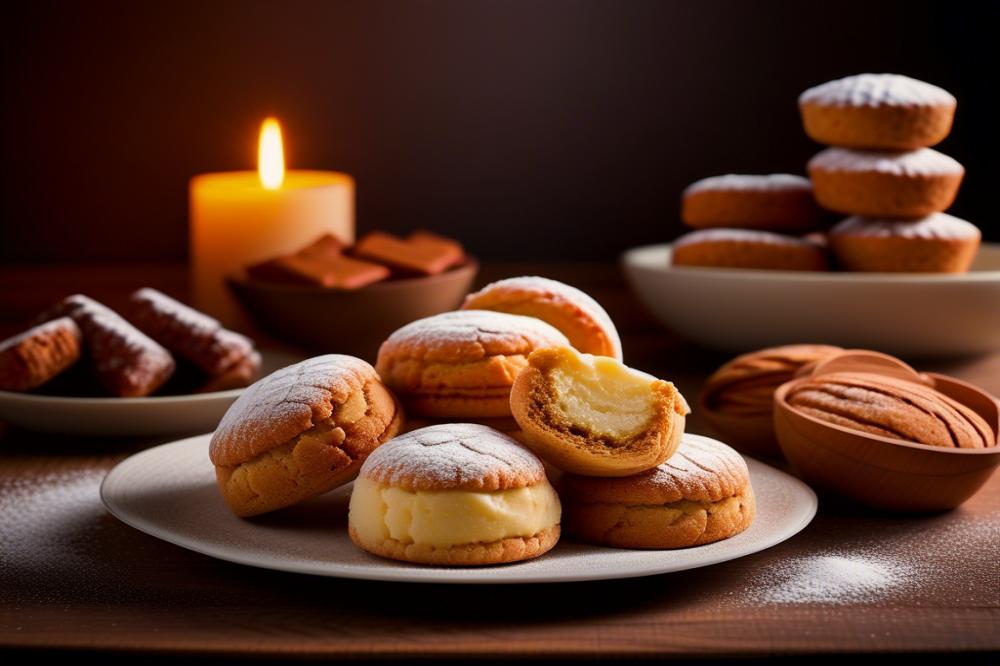
Amaretti cookies have their roots deep in Italy’s culinary history. Their origin dates back to the late 17th century. Legend holds that a couple in Saronno crafted these treats as a gesture of love for a visiting bishop. Almonds, a common ingredient in many Italian sweets, played a key role in their creation. Over the decades, these cookies have become a beloved dessert, not just in Italy but worldwide.
The traditional recipe has evolved significantly over time. Initially, the cookies were simple meringue-based treats made from egg whites and ground almonds. Bakers began experimenting with flavors such as vanilla and cocoa. Artisanal methods were employed to perfect their crunchy texture. Each region of Italy added its own twist, showcasing local ingredients and preferences.
Regional Variations
Different areas of Italy boast unique takes on amaretti. In Lombardy, for example, they might be chewier, reflecting a taste for soft textures. Conversely, the amaretti from Tuscany are often crisp and have a distinctly nutty flavor. Ferrara is famous for its larger versions that are sometimes filled with jams or creams. Exploring these variations reveals the rich diversity within Italian cuisine.
Many families have passed down their homemade versions, often using secret recipes. These recipes highlight the pride and history embedded in these treats. The cookies can often be found alongside other popular sweets like biscotti. The love for almonds in these recipes showcases their importance in Italian desserts.
Today, many artisans carry on the tradition of making amaretti cookies. They use high-quality ingredients, ensuring that each cookie captures the essence of its regional roots. Each bite offers a taste of Italy’s cultural heritage. People enjoy these cookies not just as a snack, but as a reminder of their heritage and familial connections.
Ingredients and Preparation
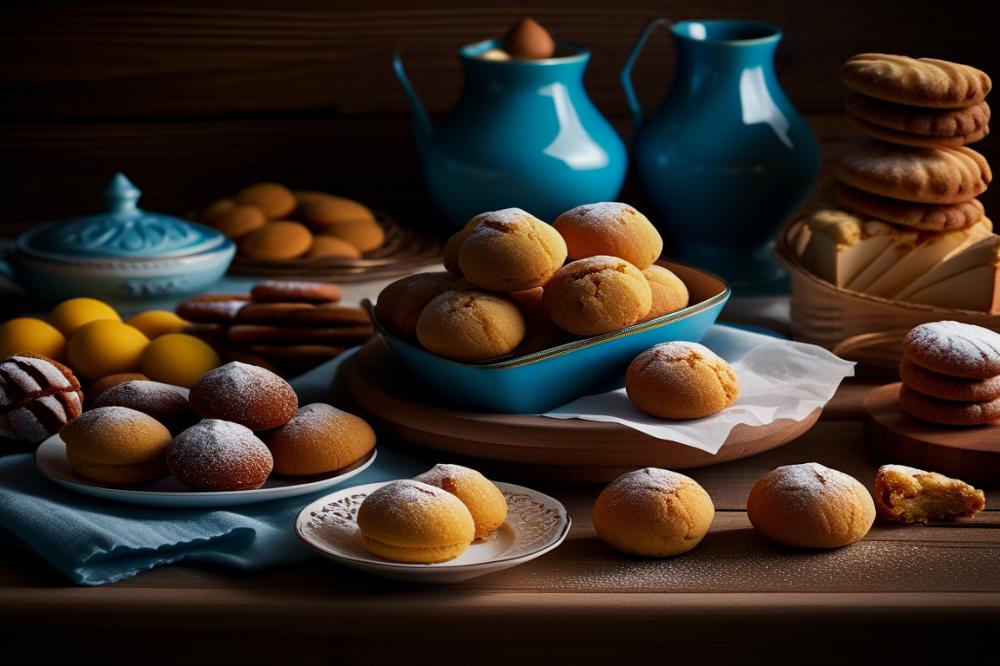
Amaretti cookies, a sweet treat from Italy, are beloved for their distinct almond flavor and crunchy texture. The main ingredient is ground almonds, which give these cookies their characteristic taste. Traditionally, the recipe combines almond flour with sugar and egg whites. This mixture is essential for achieving the perfect balance of sweetness and nutty flavor.
Meringue plays a pivotal role in the preparation. Egg whites are whipped until they form stiff peaks, adding airiness to the dough. This process creates that delightful crunchy outer layer while maintaining a chewy center. Many bakers emphasize the importance of using fresh ingredients to elevate the flavors in the final product.
Variations of this traditional recipe exist across Italy. Some bakers include different flavors such as orange zest or a hint of vanilla to create new twists on the classic. In certain regions, the cookies may be dipped in Chocolate, merging the traditional and modern aspects of Italian sweets. Additionally, regional differences can affect the texture, leading to softer or crisper biscotti.
Artisanal methods are crucial when crafting these cookies. Many choose to grind almonds by hand to maintain the integrity of the nut’s oils. This method allows for a richer flavor than commercially produced almond flour. The combination of quality ingredients and skilled preparation results in not just a dessert but an experience.
Overall, the process of making these cookies is a blend of science and art. Each step contributes to the desired outcome. Mastering meringue is often where many novice bakers face challenges. However, with practice, achieving the right consistency becomes second nature. In the end, the joy of indulging in freshly baked amaretti cookies is worth the effort.
Taste and Texture Profile
Amaretti cookies present a delightful crunch that contrasts wonderfully with their soft interior. This heritage dessert showcases a lovely balance of sweet and nutty flavors, thanks to the prominent use of almond. Each bite offers a unique experience, blending a rich meringue base with a satisfying texture that crisps on the outside. The hint of bitterness from the almond complements the sweetness, creating an enjoyable flavor profile.
When comparing these treats to other Italian sweets, it’s clear that they stand out. Biscotti, for instance, provide a dual texture with their hardiness requiring a dip in coffee or tea. In contrast, amaretti are delicate and can be enjoyed solo or as a treat to enhance other flavors. Traditional Italian sweets tend to be either creamier or richer, while this cookie leans into a lighter and airy mouthfeel.
Pairing options are numerous and rewarding. A strong cup of espresso amplifies the cookie’s almond essence. Alternatively, savoring them with a dessert wine adds elegance to the occasion. Artisanal varieties often come with spices or Chocolate, enriching the experience even further. Think of enjoying these cookies alongside a dessert platter, with fresh fruit or rich cheeses, to explore the delightful contrasts.
Cultural Significance and Popularity
Amaretti cookies play a vital role in Italy’s celebrations and traditions. These delightful almond treats often appear at weddings, holidays, and special family gatherings. In some regions, the crispy meringue texture brings nostalgia, reminding many of cherished childhood memories. Bakers pride themselves on crafting the perfect recipe, using simple ingredients to create extraordinary flavors.
As traditional sweets, they offer a taste of Italian heritage. Every bite reveals a history intertwined with the culture of the regions they come from. Families often share stories about the origins of their favorite types, creating a bond with each other as they enjoy these cookies. During festive seasons, especially Christmas, they fill tables alongside other biscotti and confections.
The global popularity of these cookies is impressive. From New York to Tokyo, Italian restaurants and artisanal shops proudly display them. Consumers appreciate the balance between sweetness and crunchiness, making them a favorite dessert option. Chefs often incorporate amaretti into modern desserts, adding a twist to classic recipes.
Creativity shines through when bakers experiment with this ingredient. Their versatility allows for innovative creations, from cakes to ice creams. Some even crush them for a unique topping on various treats. The world has embraced these almond delights in countless forms, proving their lasting appeal.
Food lovers appreciate the balance of texture and flavor in these cookies. More than just a snack, they evoke emotions and memories. As new generations discover their charm, the tradition of enjoying them continues. Excitement surrounds their potential in various dishes, ensuring they remain a beloved staple in both Italian cuisine and beyond.
Final Thoughts on Italy’s Sweet Tradition
Amaretti cookies have a charm that captivates many. Their delightful crunch and chewy texture come from a blend of almond, sugar, and egg whites. This classic Italian treat has roots that stretch back centuries. Over time, bakers have passed down recipes that reflect a rich history of Italian culture. The secrets behind these cookies lie in the quality of ingredients and the technique of preparation. This simplicity adds to their allure.
Many people adore this sweet for its versatility. Enjoy them as a standalone treat, or pair them with coffee or dessert wines. The flavor of almonds adds a distinctive taste that feels both familiar and special. Often, they evoke memories of family gatherings and festive celebrations, making them more than just a cookie. Their presence on dessert tables connects generations, reminding us of shared moments and traditions.
Trying your hand at making them can be a rewarding experience. It allows for personal interpretation of a classic recipe. If visiting Italy, sampling these treats from local bakeries is a must. Each region has its twist on the recipe, offering a variety of flavors and textures. By embracing these culinary delights, you join a timeless tradition that celebrates craftsmanship and passion. Whether baking or tasting, these cookies offer a slice of Italy that is worth savoring.

