
Overview of Roman Warships
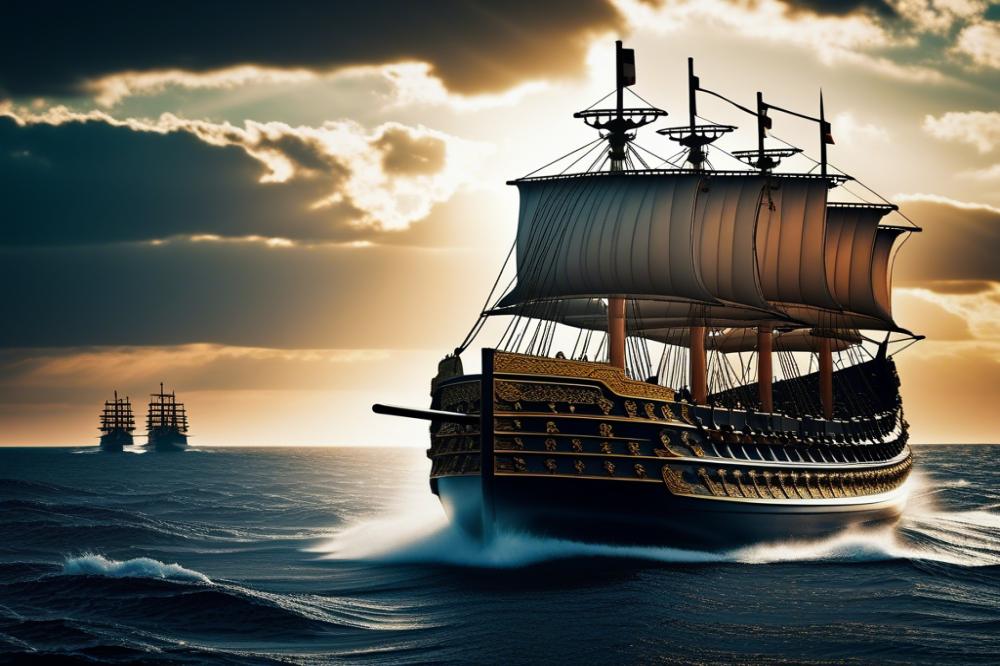
Roman Warships played a vital role in the expansion and maintenance of the empire across the vast Mediterranean. These vessels represented not just a means for military engagement but also a key aspect of trade and communication. Their design was a product of ancient shipbuilding techniques, which evolved over centuries. Fast ships like triremes and quinqueremes were often employed, reflecting the Romans’ understanding of speed and agility in naval warfare.
Importance of Naval Power in the Roman Empire
Naval power was crucial to the Roman Empire’s strategy. Control of the seas allowed Rome to protect its interests against rivals. The rise of the Roman Navy marked a turning point during conflicts such as the Punic Wars. As Rome battled Carthage, dominance over the Mediterranean trade routes became essential. Naval battles were not only about territory; they were about economic strength and securing resources. The empire needed to safeguard its strategic ports, ensuring the flow of goods and military reinforcement.
Maritime Strategy and Trade Routes
Strategic planning was key to Roman maritime success. A well-structured maritime strategy maximized the potential of the Mediterranean Routes. Goods, troops, and information traveled by sea, connecting different regions of the empire. Meanwhile, military logistics often relied on these routes for swift mobilization. The Roman commitment to naval dominance enabled them to adapt and respond to threats effectively. Securing the maritime environment was imperative for maintaining power and expanding influence across the Mediterranean empire. Through naval prowess, the Romans crafted a legacy that would echo through the ages.
Historical Context of the Roman Navy
Development of the Roman Navy
The early Romans primarily relied on land forces, which shaped the initial phase of their military culture. As they expanded their territory, the need for a formidable naval presence became clear. By the 4th century BCE, the Romans recognized the importance of controlling waterways. This led to investments in ancient shipbuilding techniques. Soon, they began constructing vessels capable of engaging in naval combat and transporting troops. The Roman Navy played a crucial role in supporting military logistics, particularly as campaigns moved across the Mediterranean.
Key Historical Events Influencing Naval Expansion
Several events pushed the Romans to further strengthen their naval capabilities. Most notably, conflicts with Carthage highlighted the significance of maritime strategy. The First Punic War raised awareness of the Mediterranean trade routes. Romans sought to dominate these paths to secure essential resources. Subsequent engagements against piracy also motivated naval expansion. These encounters stressed the necessity of protecting their strategic ports and merchant vessels. Each battle offered valuable lessons that contributed to the evolution of their fleet.
Role of Naval Warfare in the Punic Wars
During the Punic Wars, naval battles were game-changers. The struggle against Carthage showcased the effectiveness of a powerful navy. Romans adapted their warfare tactics and built ships that could withstand oceanic challenges. Early defeats prompted rapid learning and innovation within their naval ranks. Each victory expanded their control over critical Mediterranean territories. This newfound dominance not only secured trade routes but also asserted their growing strength as a Mediterranean empire. Control of the sea facilitated troop movements and ensured supply lines during prolonged conflicts. Naval warfare ultimately served as a cornerstone of Roman military strategy in this era.
Design and Construction of Roman Warships
Ancient shipbuilding techniques were vital for the success of the Roman Navy. Craftsmen utilized wood from various trees, primarily oak and pine, to construct sturdy vessels. Ships were built using a method called the mortise and tenon joint, which provided additional strength. This technique allowed ships to withstand the challenging conditions of the Mediterranean Sea.
Types of Warships
Different types of warships played significant roles in ancient naval warfare. Quinqueremes were among the largest and most powerful vessels, featuring five rows of oars on each side. These ships had a crew that could maneuver quickly during naval battles, giving them a tactical advantage. On the other hand, triremes were smaller and faster, known for their sleek design and agility. Each trireme boasted three rows of oars, allowing for impressive speed and flexibility in various combat scenarios.
Innovations in Naval Technology
Advancements in naval technology greatly shaped the course of the Mediterranean empire. Roman engineers introduced the corvus, a boarding device that enabled soldiers to board enemy ships. This innovation altered military logistics during sea confrontations. Additionally, improved hull designs made vessels more seaworthy, enhancing their ability to traverse vast distances. Such advancements facilitated control over vital maritime trade routes, boosting Rome’s economy and military capabilities.
Mediterranean Trade Routes and Their Strategic Importance
The Mediterranean served as a central hub for trade during ancient times. Roman warships navigated these waters, protecting vital routes. Goods flowed between different regions, connecting cultures and economies. Major trading centers included cities like Carthage, Alexandria, and Ostia. Each location was significant for its role in commerce and military supply.
Trade and military logistics were deeply intertwined in the Roman Empire. Shipping routes often provided supplies necessary for campaigns. Naval warfare depended on the ability to move resources efficiently. Control over these routes could dictate the outcomes of conflicts, particularly during the Punic Wars. The need for reliable supplies influenced naval strategy.
Strategic ports played a critical role in maintaining dominance on the seas. They served as bases for the Roman Navy, allowing for rapid deployment of ships. Key ports like Massalia and Lilybaeum were crucial for operations in the western Mediterranean. These locations offered safe harbors and easy access to important trade lanes.
Ancient shipbuilding techniques also contributed to the effectiveness of naval operations. With innovations in design, vessels could carry more goods and troops, enhancing military capabilities. Understanding the geography of the Mediterranean was essential for successful missions. Navigating these waters required skill and extensive knowledge.
The interconnected nature of trade routes and military might highlights the importance of the Mediterranean. Securing these passages meant not only profit but also the protection of the empire’s interests. Naval battles could arise from competition over these vital paths. Rome’s ability to protect and control trade led to its enduring power in the region.
Naval Engagements and Battles
Throughout history, the Roman Navy played a significant role in securing the Mediterranean for Rome. The Punic Wars stand out as a defining period of naval warfare. Major battles during this time showcased Rome’s growing maritime power.
Notable Naval Battles of the Roman Navy
The Battle of Mylae in 260 BC marked a crucial victory against Carthage. This engagement demonstrated the effectiveness of the corvus, a boarding device that allowed Roman soldiers to engage enemy ships at close quarters. Another significant encounter was the Battle of Ecnomus in 256 BC, where the Roman fleet decisively outmaneuvered the Carthaginian forces. Such victories helped Rome establish dominance over crucial maritime routes.
Tactics and Strategies Employed
Roman naval tactics often focused on direct confrontation. This contrasts with the Carthaginian emphasis on agility and speed. Using ramming techniques and the corvus, Roman ships transformed naval combat. Their strategy involved quickly boarding enemy vessels to maximize their infantry advantage. A strong emphasis on military logistics ensured that ships were well-equipped for long voyages, supporting sustained campaigns.
Impacts of Naval Victories on the Mediterranean Empire
Victory in naval battles significantly influenced the Mediterranean trade routes. Control over these routes improved trade efficiency and boosted the economy. Winning at sea also facilitated the protection of strategic ports critical to the empire’s expansion. Victories fostered increased confidence among Roman leaders, further encouraging maritime exploration and conquest. Even today, the remnants of this maritime strategy echo through modern naval doctrines.
Military Logistics and Support of Naval Operations
The organization of the Roman Navy was complex yet effective. Fleets were divided into different classes based on their size and purpose. Each ship type could serve specific military needs, from smaller vessels for scouting to larger ships for naval battles. Commanders were skilled at coordinating these diverse ships.
Military logistics played a crucial role in Roman naval expeditions. Supplying fleets was vital for successful operations. Provisions, fresh water, and maintenance were necessary for long journeys. Ports along the Mediterranean trade routes served as key supply points. These strategic ports ensured fleets could refuel and resupply during missions.
A close relationship existed between the Roman army and the naval forces. Successful military campaigns relied on seamless integration between ground troops and naval support. Troops could be transported swiftly across waters, allowing for strategic surprises. During the Punic Wars, this collaboration was especially evident, as both forces worked to secure dominance in the Mediterranean.
This ancient shipbuilding tradition contributed to the power of the Mediterranean empire. Crafting vessels suited for warfare was essential. The innovation in ship designs gave the Romans a significant advantage. They could engage with enemy ships effectively and disrupt their maritime strategies.
Navigating the Mediterranean required careful planning and execution. Understanding maritime strategy was crucial for both offense and defense. Often, naval battles were determined by the effectiveness of the support systems in place. Even a slight delay in supply could impact the outcome of an engagement.
Ultimately, the success of naval operations depended on thorough preparations. A well-organized fleet, reliable supply chains, and strong ties with land forces were all necessary components. The Romans recognized this and continuously adapted their logistics to meet the demands of warfare and trade. This adaptability helped to maintain their dominance across the Mediterranean.
Wrapping Up the Importance of Naval Power
The role of warships in the Roman Empire was immense. They not only navigated the Mediterranean but also bolstered the Empire’s influence throughout the region. Control of sea routes facilitated trade and bolstered military operations. This maritime strategy equipped Rome with the ability to project power far beyond its borders, setting the stage for its expansion.
The Roman Navy established techniques and innovations that would shape future naval conflicts. Shipbuilding methods improved, allowing for quicker and more resilient vessels. Tactics evolved as well, with the Romans mastering the art of naval warfare. The legacy of these developments can still be seen in modern naval practices.
Growth of the Roman Empire hinged on its ability to dominate the seas. Through their innovative warships, they conducted successful blockades and transport operations. The integration of naval power into their military strategy demonstrated its significance in achieving victory against adversaries. This control enabled Rome to solidify its dominance across various cultures and regions.
Looking back, the strategic use of warships reshaped the dynamics of military conflict. Command at sea became as crucial as land battles. The seas were not mere barriers; they were highways for commerce and conquest. The Roman Navy helped establish the foundation for the rise of one of history’s greatest empires.

