
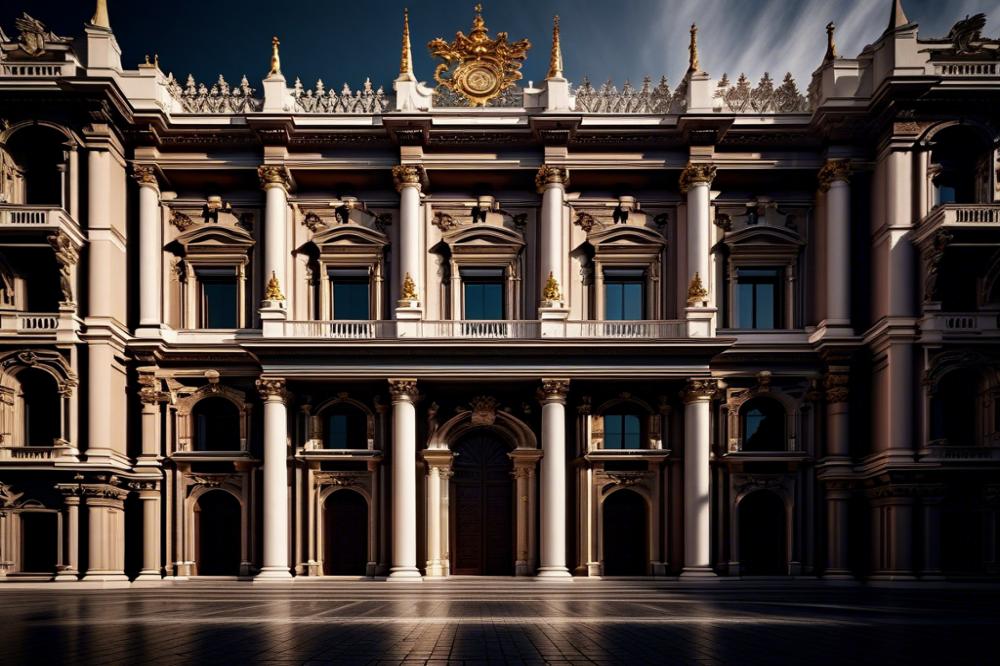
Overview of Palazzo Madama‘s Architectural Heritage
Palazzo Madama stands as a symbol of Italy’s rich architectural history. This remarkable structure has undergone significant transformations throughout the centuries. Originally built as a medieval fortress, it has evolved into a magnificent example of Baroque architecture.
Histories are etched in its very walls, revealing stories of wars, power, and culture. The fortress once protected the city of Turin but now serves a different purpose. As a cultural site, it offers visitors a glimpse into the past. The transformation into a Baroque masterpiece showcases a blend of styles that reflect the artistic movements of its time.
Today, it also functions as a museum. This venue houses a wealth of art and artifacts that highlight Italy’s diverse heritage. Restoration efforts have preserved its unique features, allowing visitors to appreciate both the medieval and Baroque elements. The Palazzo Madama is more than just a building; it is a testament to the evolution of architecture and a vital piece of Turin‘s cultural identity.
History of Palazzo Madama
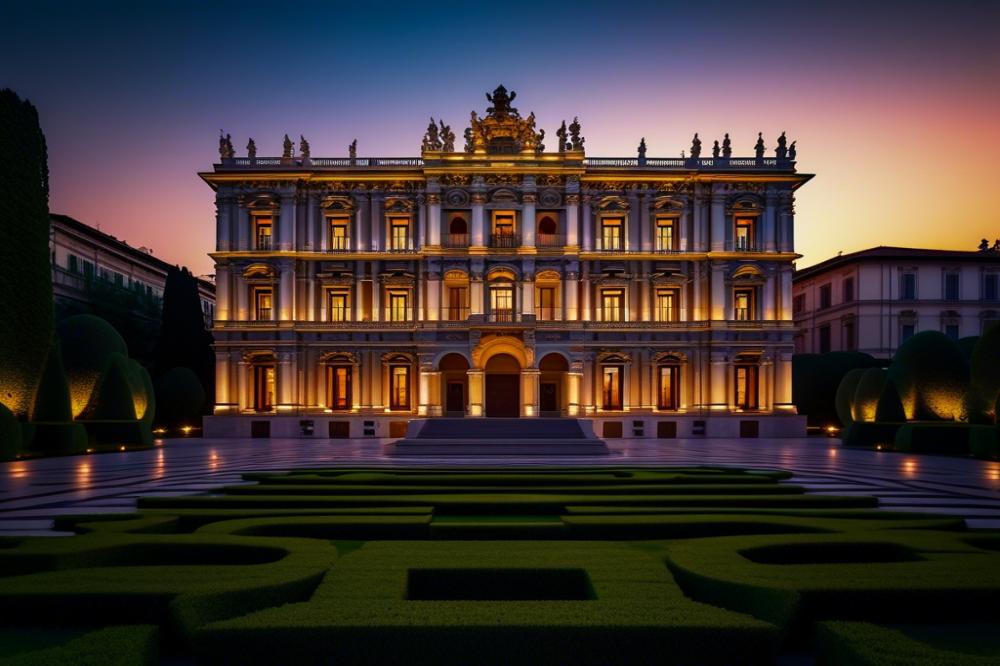
The origins of this remarkable structure trace back to the 13th century when it began as a medieval fortress. Its primary purpose was to defend the city of Turin, a vital settlement in northern Italy. Built by the powerful lords of the time, the fortress served as a strategic stronghold. Over the years, it witnessed numerous battles and political changes that shaped local history.
Key historical events are intertwined with the development of the building. In the late 15th century, it became associated with the House of Savoy, an influential royal family in Italy. This connection changed its course from a military stronghold to a royal residence. Notably, during the Renaissance, significant renovations were undertaken, blending the sturdy medieval architecture with emerging trends.
The Baroque period brought further transformation to the site. Elegant details and elaborate decorations defined this era. Artists and architects reimagined the fortress, adding layers of beauty. Its significance evolved as it became more than just a defensive structure. The building became a representation of power and art, standing tall as a symbol of Turin’s heritage.
Throughout the centuries, Palazzo Madama has been a testament to the changing times. Restoration efforts have preserved its rich history. Today, it operates as a museum, showcasing artworks and artifacts that reflect the region’s cultural site. Visitors walk through halls that tell stories of queens and knights, exploring the past while engaging with the present.
Lastly, this architectural masterpiece continues to draw people from all over. It attracts those interested in Italy’s diverse history and Baroque beauty. Each year, countless visitors marvel at its grandeur and learn about its significant role in the landscape of local and national history.
Architectural Evolution

The architecture of Palazzo Madama has fascinating roots. Initially designed as a medieval fortress, it played a vital role in the defense of Turin. Thick stone walls and imposing towers characterized its early structure. This fortress was not just about strength; it represented the tumultuous history of the region.
In the 17th century, a dramatic transformation began. The Baroque style introduced a new elegance to the building. Ornate decorations and grand arches replaced the fortress’s rough, utilitarian features. Architects like Filippo Juvarra and other skilled artists made significant contributions to this renovation. They crafted a striking façade that reflected the glory of Italy’s cultural heritage.
Key architectural details highlight this intricate blend of styles. The grand staircase is a perfect example. It gracefully connects the various levels, showcasing the fluidity of Baroque design. Balconies adorned with wrought iron flourishes provide an inviting touch. Inside, the museum exhibits showcase how restoration kept the building’s rich history alive.
Throughout the structure, visitors can see the melding of medieval strength and Baroque charm. Gothic elements linger alongside the opulence of the 17th century. The carefully restored interiors reveal a story steeped in cultural significance. Each feature provides a glimpse into the architectural evolution that has taken place.
Palazzo Madama stands as a testament to the rich tapestry of Turin’s past. It is not just a building; it embodies the city’s journey through time. The transition from fortress to masterpiece makes it a key cultural site in Italy. This historical gem invites all to explore its unique charm and artistic legacy.
Palazzo Madama as a Museum
Housed within the historic walls of the Palazzo Madama, the museum offers a fascinating glimpse into Italy’s rich heritage. Visitors can explore a variety of collections related to Italian history. Exhibits span from the medieval period through to the Baroque era. This range showcases the evolution of culture and architecture in the region.
The museum plays a crucial role in preserving cultural artifacts. Many pieces reflect the changing narrative of Italy’s past. From armor used in ancient battles to ornate furniture, these items tell stories of different eras. Through careful restoration, art and history come alive for future generations.
Educational programs enhance the visitor experience. Workshops and guided tours cater to schools and families. These programs help individuals connect with Italy’s past on a deeper level. They foster an understanding of the importance of heritage and history.
As a cultural site, the museum attracts both locals and tourists. People come to learn about the artistry and craft that shaped the nation. The unique architecture of the building adds to the charm. Each corner reveals something new, making every visit memorable.
Special events often take place within the museum’s walls. These gatherings provide opportunities for further engagement with history. Lectures and exhibitions offer insights into specific themes related to Italian culture. Awareness of the heritage remains vital for community identity.
Restoration Efforts
Over the years, many projects have focused on restoring the Palazzo Madama. These efforts aim to preserve its unique architectural features that span both medieval and Baroque styles. Each phase of restoration has brought distinct challenges. Workers must carefully balance the needs of the ancient fortress with the ornate details of later renovations.
Maintaining the harmony of different architectural elements can be difficult. For example, the transitions between stonework from the medieval era and the lavish decorations of the Baroque period require skilled craftsmanship. Such intricacies demand a deep understanding of the building’s extensive history.
Throughout its life, the Palazzo has faced issues related to weathering and wear. Interventions often involve delicate techniques to tackle problems like water damage and graffiti. Structural stability is another concern, especially in a building that has stood for centuries in the heart of Italy.
These restoration efforts also have a significant impact on public access. When work is underway, certain sections might close to visitors. However, many enhancements improve the museum experience. New displays highlight the building’s rich heritage and invite appreciation of its architectural beauty.
Visitors often remark on the contrast between the fortress’s rugged exterior and the grandeur found inside. Each restoration project tends to uncover new facets of this cultural site. Such discoveries enrich the stories shared with guests who walk through its halls.
Cultural Significance
The Palazzo Madama plays a vital role in contemporary culture and tourism within Italy. As a historical landmark, it draws thousands of visitors each year. Tourists flock to see how this structure evolved from a medieval fortress into a stunning Baroque masterpiece. Each stone tells a story, revealing layers of history that date back centuries.
A diverse range of events and activities often occurs at this cultural site. Art exhibitions, concerts, and educational workshops highlight various aspects of Italian heritage. These events aim to engage the community and attract visitors, providing them with unique experiences. Furthermore, the museum within offers insights into the rich history of the region. Restoration efforts have been crucial in preserving this architectural gem.
Understanding Italian history becomes more accessible through visits to this landmark. Guests appreciate not only the beauty of the building but also its significance in the broader context of heritage. The mix of medieval and Baroque elements showcases the evolution of architectural styles in Italy. Thus, the site serves as an essential educational resource for locals and tourists alike.
An afternoon spent exploring the Palazzo Madama can deepen one’s appreciation for the artistry and craftsmanship from different periods. Additionally, guided tours provide further context and highlight critical moments in the structure’s past. The ongoing dedication to preserving this site ensures that future generations can connect with its history.
In the realm of cultural tourism, this palace stands out. Visitors often leave with a renewed interest in architecture and its historical implications. Such experiences foster a greater understanding of how Italy’s past shapes its present. Ultimately, the Palazzo Madama remains a beacon of both beauty and knowledge, captivating all who enter its walls.
Reflecting on the Journey
Exploring the transformation of Palazzo Madama reveals a captivating narrative. Originally a medieval fortress, it has evolved into a stunning Baroque masterpiece. Such architectural wonders remind us of the layers of history that enrich our culture. They signify the craftsmanship of previous generations and the stories they hold.
Preserving sites like this is vital for future generations. They represent a connection to our past and allow us to understand the choices made throughout history. Every corner of the building exudes character, inviting curiosity from visitors. Witnessing its beauty can foster a deeper appreciation for art, architecture, and history.
Visiting this remarkable site can spark interest in learning more about similar cultural landmarks. Each visit supports not only the preservation efforts but also local tourism. So, when planning your next trip, consider including a stop at this historic gem. Immerse yourself in its rich history, and take the opportunity to connect with the past. The journey from fortress to artistic wonder is waiting for you to discover.

