
Introduction
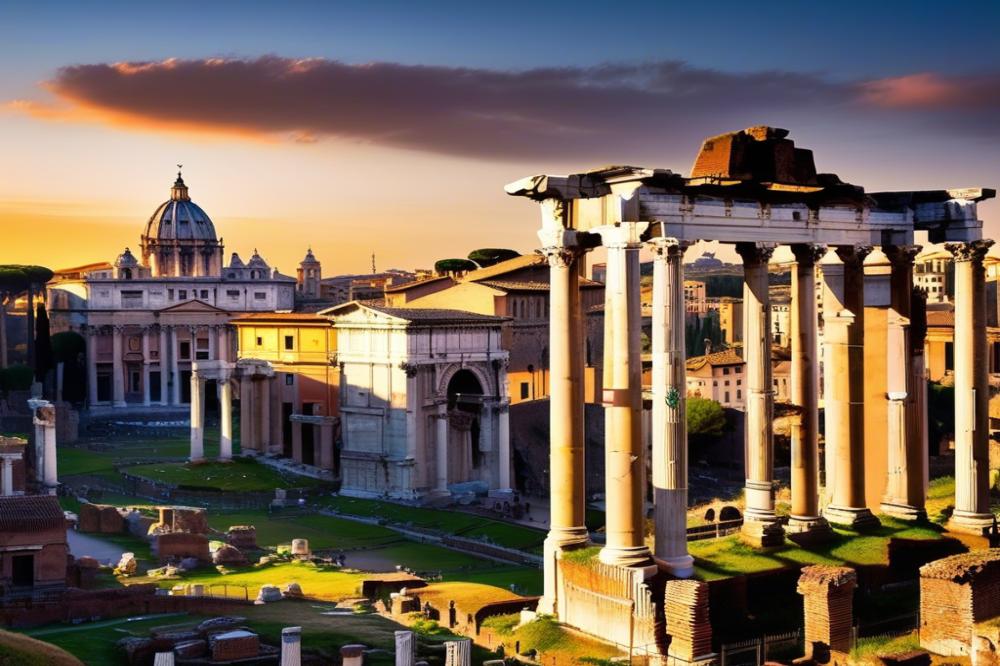
Traveling to Rome is like stepping into a living museum. The excitement builds as visitors imagine walking the same streets that shaped history. This city, rich in culture and ancient architecture, draws millions each year. Among the must-see sites is the history“>Roman Forum, a key destination that connects tourists with the heart of ancient civilization.
The Forum is a stunning collection of ruins that once served as the center of political, social, and economic life in Ancient Rome. Here, citizens gathered to exchange ideas, trade goods, and witness important events. Guided tours offer a glimpse into the past, allowing travelers to appreciate the stories embedded within the stones.
Visitors can easily envision the grandeur that once stood in this bustling area. Spectacular temples and impressive structures created a vibrant backdrop for public life. The nearby Colosseum and Palatine Hill provide additional layers of history, making Rome a treasure trove for enthusiasts of archaeology.
Exploring the remnants of the Forum reveals much about Roman life and values. Each ruin serves as a reminder of the city’s evolution. Whether marvelling at the architecture or contemplating the events that unfolded in this sacred space, travelers experience a unique connection to the past. A visit to the Roman Forum is not just sightseeing; it’s an invitation to understand a civilization that has influenced the world.
The Historical Significance of the Roman Forum
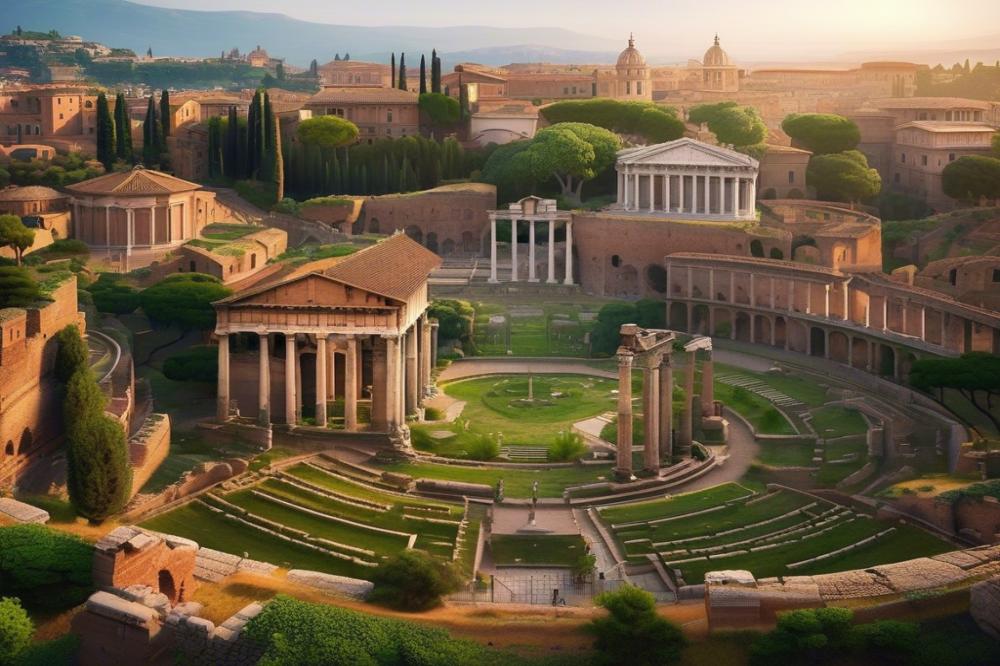
The Roman Forum served as the center of public life in Ancient Rome. It was a bustling hub where politics, religion, and culture thrived. Citizens gathered here to discuss important matters, witness trials, and attend public speeches. The ruins echo the vibrant history of a civilization that shaped much of the modern world.
Several significant events unfolded within this historic space. Vowing to uphold their values, senators debated here. Major speeches, like those by Cicero, captivated audiences. Additionally, the Forum hosted festivals, religious ceremonies, and triumphal processions. Each event illustrated the power dynamics of the time.
Roman politics flourished in this area. Senators’ decisions directly impacted the Republic and later the Empire. Temples dedicated to various gods marked the landscape too, showcasing the importance of religion. Worshiping deities was intertwined with political life. Society relied heavily on these institutions, as they provided both identity and guidance.
Furthermore, impressive architecture dominated the Forum’s skyline. Structures like the Temple of Saturn and the Senate House remain remarkable even today. They tell stories of innovation in design and construction. Visiting these ruins allows travelers to grasp the grandeur of ancient civilization. Nearby attractions, such as the Colosseum and Palatine Hill, only enhance this experience.
For those who dare to explore, guided tours unveil hidden aspects of this legendary site. Knowledgeable guides share insights that bring history to life. The opportunity to learn about various layers of culture motivates many to visit. Every corner holds a story waiting to be uncovered, immersing travelers in the past.
This historic space remains a vital link to humanity’s roots. Appreciation for both its archaeological value and its influence on modern politics is essential. Students of history and culture can dive deep into the experiences of those who walked these grounds long ago. Understanding this serves as a reminder of our shared legacy.
Exploring the Archaeological Ruins
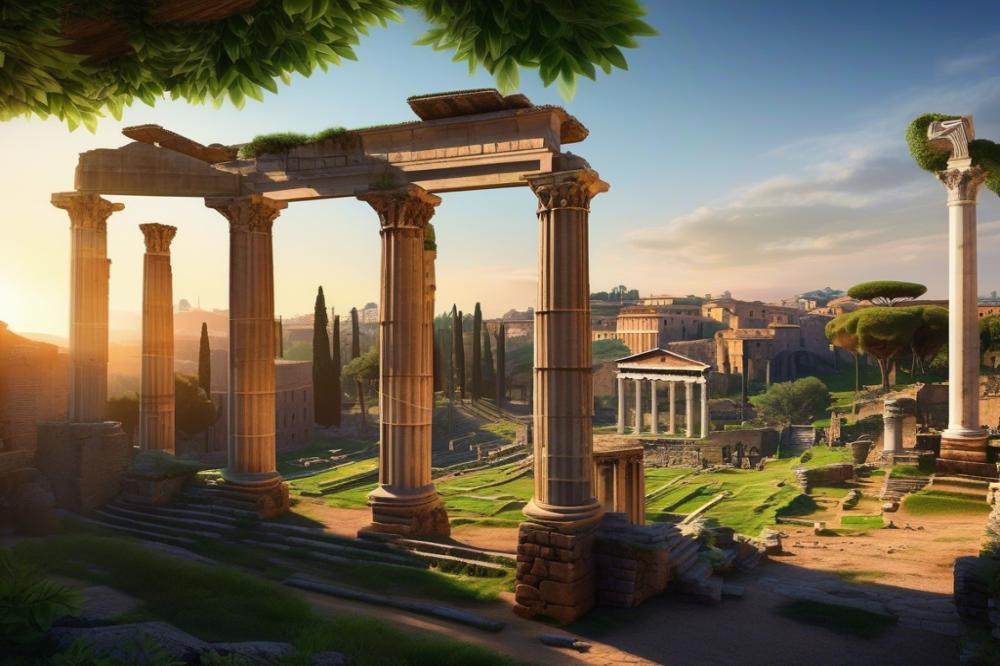
The Roman Forum is a treasure trove of physical remains from a pivotal era in history. Walking through its ancient pathways, visitors encounter a wealth of columns, arches, and stones that narrate a civilization long gone. Each ruin tells a story, offering insights into the everyday lives of the people who once called this area their center of politics, culture, and commerce.
Key Ruins and Structures Within the Forum
Several iconic structures stand out among the ruins. The Temple of Saturn, with its impressive columns, was a place of worship and storage for the state treasury. Nearby, the Curia, or Senate House, speaks to the importance of political life in ancient Rome. The majestic Arch of Septimius Severus celebrates military victories, showcasing the Roman prowess. Other significant remnants include the Rostra, where speakers would address the public, and the imposing remains of the Basilica Julia, which served as a public meeting space.
Importance of archaeology in Understanding Ancient Rome
Archaeological efforts have been pivotal in piecing together the lives of the past. Each discovery adds depth to our understanding of social structures, religious practices, and governance in this ancient civilization. Travel to the Forum offers insight not just into architectural styles but also into the broader cultural values of the time. Knowledge gained through careful excavation helps us appreciate the complexities of Roman life and its influence on modern society. Guided tours are available for those who wish to engage more thoroughly with expert accounts of these fascinating locations.
Adjacent sites like the Colosseum and Palatine Hill further enrich the experience. These landmarks showcase the architectural innovation and grandeur of ancient Rome. Exploring this vast landscape can ignite curiosity about the interplay of power, culture, and everyday life during an era that laid the foundation for much of Western civilization.
Cultural Attractions and Guided Tours
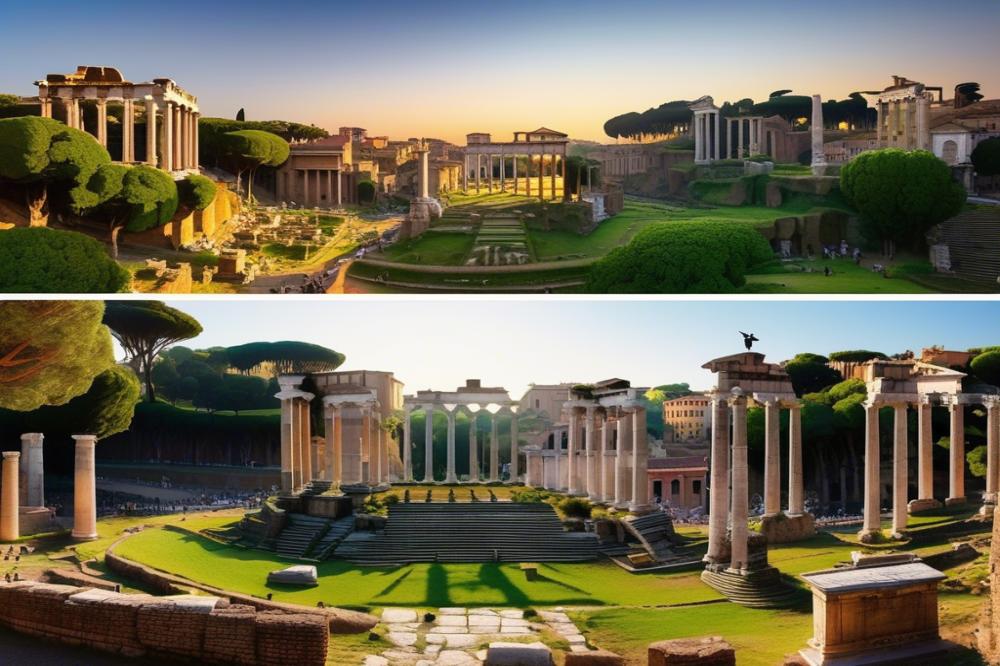
The cultural significance of the Roman Forum continues to resonate in today’s world. This site symbolizes the heart of ancient civilization, showcasing remnants of history, politics, and society. Visitors can explore fascinating ruins that tell tales of a time when Rome was the center of the universe. The architecture found here reflects the ingenuity of an era remarkable for its advancements. Every column and crumbled wall connects us to a vibrant past that shapes modern culture.
Popular Guided Tours Available for Visitors
Many guided tours cater to tourists eager to learn more about this historic site. Options vary from group tours to private excursions. Some tours combine a visit to the Forum with stops at the nearby Colosseum and Palatine Hill. This offers a broad perspective on ancient Rome’s grandeur. Knowledgeable guides share insights about the significant structures like the Temple of Saturn and the Arch of Septimius Severus, enhancing the experience immensely. Exploring the Forum with an expert can make the history come alive in engaging ways.
Tips for Getting the Most Out of a Visit
Planning your trip carefully can enhance your time at the Forum. Arriving early helps avoid the crowds and allows for a more peaceful exploration. Consider wearing comfortable shoes, as the uneven terrain requires it. Pack water and snacks to stay energized. While walking through the ruins, take your time. Stopping to appreciate the smaller details can lead to discoveries you may otherwise overlook. Bringing a camera? Capture the stunning architecture that graces this ancient landscape. These insights will help make your trip more rewarding.
The Architectural Wonders of the Forum
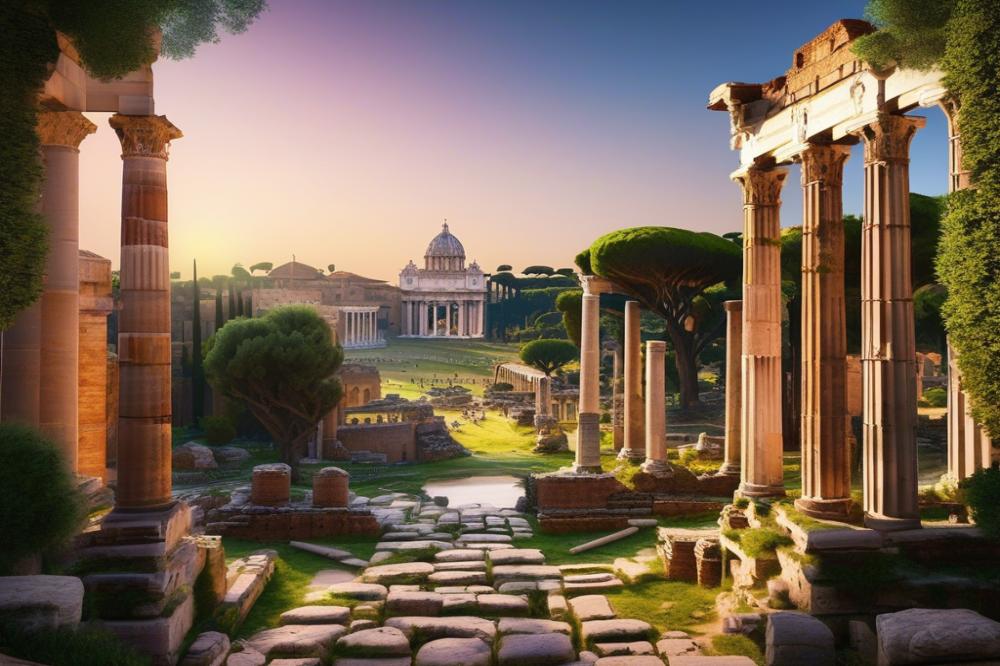
The Roman Forum showcases a blend of architectural styles from various periods of ancient Rome. This site was once the center of Roman public life. Its structures reflect the evolution of Roman architecture from simple styles to more elaborate designs. Temples, basilicas, and arches can be found side by side, telling stories of history and culture.
In comparing the Forum with the Colosseum and Palatine Hill, distinctions become clear. The Colosseum represents grandiosity and entertainment, built for the masses. Its elliptical shape and towering arches communicate power. In contrast, the Forum emphasizes civic life, focusing on temples and spaces for gathering. Palatine Hill, steeped in mythology, shows signs of imperial residences, blending private and public life. Each location has its architectural language, yet they all contribute to the narrative of an ancient civilization.
Roman architecture has had a lasting impact on the development of Western architecture. Innovations such as the arch and concrete construction became foundational for future styles. The ruins of these structures invite travelers to marvel at their ingenuity. Guided tours often highlight how these designs went on to influence Renaissance and Neoclassical buildings. The preservation of the Forum serves as a critical piece of archaeology, allowing contemporary observers to connect with the ancient past.
Travel Tips for Visiting the Roman Forum
Best Times to Visit for Avoiding Crowds
Visiting during off-peak hours can greatly enhance your experience. Early mornings or late afternoons are ideal times to explore. Weekdays typically attract fewer tourists compared to weekends. Consider planning your visit during the shoulder seasons of spring or fall. The weather remains pleasant, and crowds are smaller. This approach allows you to enjoy the history and architecture without the rush.
How to Access the Roman Forum and Nearby Attractions
Public transportation offers convenient access to this historic site. The Metro is a reliable choice; the Colosseo station is just a short walk away. Buses also provide routes that drop you near the entrance. Consider purchasing a combined ticket that includes entry to other sites. The ticket allows access to the Colosseum and Palatine Hill as well. This makes for an efficient travel day that covers important ruins and showcases ancient civilization.
Recommendations for Combining Visits to Other Iconic Sites
A trip to the Forum pairs well with a visit to the Colosseum. The grandeur of this arena complements the historical context of the Forum. Guided tours can enhance your understanding of both locations. Knowledgeable guides share stories that bring the ruins to life. Additionally, Palatine Hill is nearby and worth the journey. Exploring all three on the same day offers a fuller view of Rome’s rich culture. Make sure to wear comfortable shoes for the uneven terrain. Each site reveals layers of history that contribute to Rome’s significance in archaeology.
Final Reflections on Ancient Rome’s Heart
The significance of the Roman Forum as the center of ancient Rome cannot be overstated. This site was a hub of political life, social gathering, and cultural exchange. Millions of people walked its paths, witnessing debates and celebrations. It gives us insight into the daily lives of those who shaped western civilization. This area played a crucial role in the development of democracy, law, and public space, which resonate in today’s societies.
When you have the chance, visiting this remarkable site is essential. Explore its ruins and imagine what life was like centuries ago. Walk among the remnants of temples and government buildings. Each stone tells a story, bringing the past to life in a way that books can only hint at. Feel the weight of history surround you. There’s nothing like standing where influential leaders once stood.
Final thoughts reflect on how ancient civilization continues to impact modern culture. The principles of democracy, law, and human rights still stem from those early times. Archaeology helps us better understand our roots. Recognizing this connection allows us to appreciate the heritage we inherit. Your journey through the Roman Forum can illuminate these connections and inspire you. Embrace your role in continuing this legacy.

