
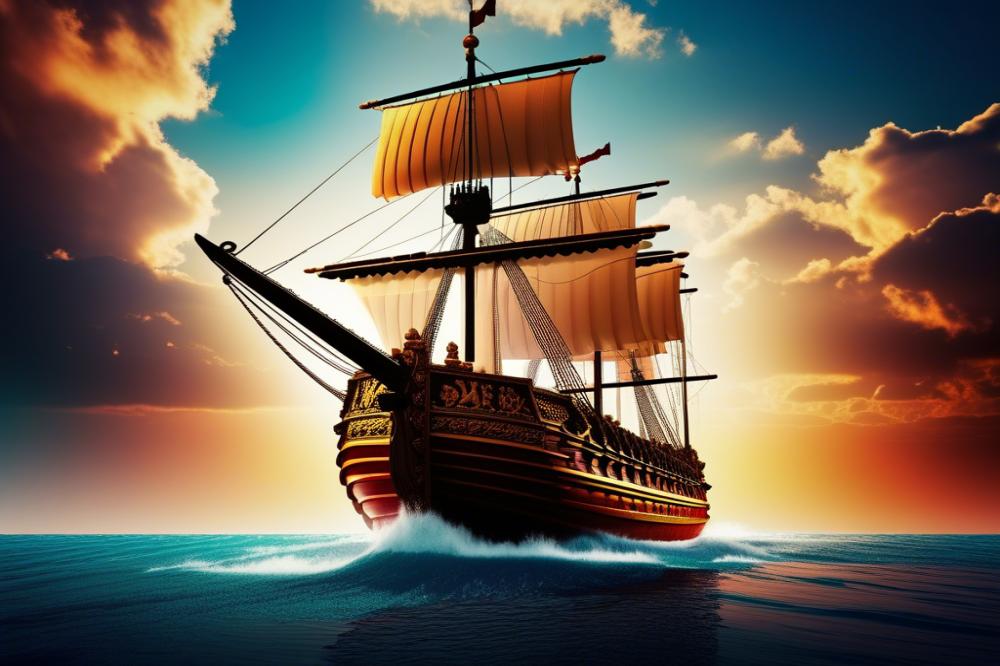
Understanding the Significance of Roman Warships
The naval force of the Roman Empire played a crucial role in its expansion and control over vast territories. Roman Warships were not just vessels; they represented innovative engineering and strategic military might. The advancement in ship design and construction contributed to the empire’s ability to dominate the Mediterranean Sea.
Naval innovation was at the heart of this success. Romans transformed maritime technology with the development of impressive ships, like triremes, which were designed for speed and maneuverability. These ships were often powered by multiple tiers of oarsmen, showcasing the sophisticated craftsmanship of Roman shipwrights. As military naval vessels, they were integral to war tactics and coastal defense.
Significant advancements in Shipbuilding Techniques enabled the navy to adapt to various combat scenarios. The ability to transport troops quickly and establish supply lines was critical. Through maritime archaeology, historians have uncovered much about these engineering marvels, highlighting their importance in the context of ancient Rome’s territorial ambitions.
Overall, we can see how advancements in naval capabilities facilitated not only military success but also facilitated commerce and communication across the empire. Roman warships changed the landscape of naval warfare and set the stage for maritime dominance.
The Evolution of Roman Warships
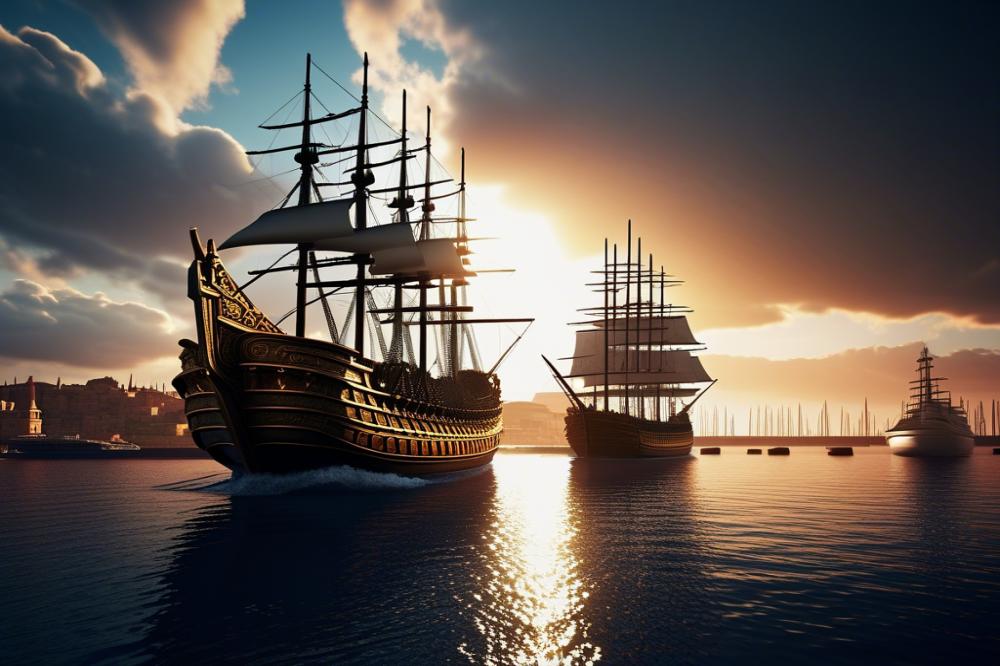
Naval warfare in ancient Rome underwent significant changes over centuries. At first, the Romans relied on simpler vessels, primarily used for trade and fishing. These early boats lacked the design necessary for combat, yet they served a purpose. As threats from rival powers grew, the need for more capable military naval vessels became clear. This urgency led to innovative engineering and Shipbuilding Techniques.
The transition from early vessels to advanced designs marked a pivotal moment in maritime technology. One major development was the adoption of the trireme, an agile warship with three rows of oars on each side. This design offered speed and maneuverability that older ships simply could not match. Such advancements in ship design allowed for new war tactics in engagements, transforming naval battles forever.
Key ship designs emerged during this era, significantly influencing how battles were fought on water. The trireme, with its pointed ram, was designed to strike enemy ships directly. This tactic focused on sinking opponents rather than simply boarding them. Additionally, these vessels had sails for long-distance travel, which combined perfectly with the power of oars during combat.
Shipwrights played a crucial role in this evolution. Their expertise in creating durable and effective vessels helped shape Roman dominance on the seas. Each design was tailored for specific military needs. Changes such as reinforced hulls and improved rudder systems enhanced watercraft performance. Maritime archaeology has uncovered many aspects of this shipbuilding revolution, giving us insight into strategies that once ruled the waves.
Thus, the evolution of Roman warships was more than just about building better boats. It reflected broader changes in military approaches and the importance of naval power in ancient Rome. The engineering and design innovations seen in these vessels laid the foundation for future shipbuilding. The legacy of these advancements still influences maritime practices today.
Engineering Innovations in Shipbuilding
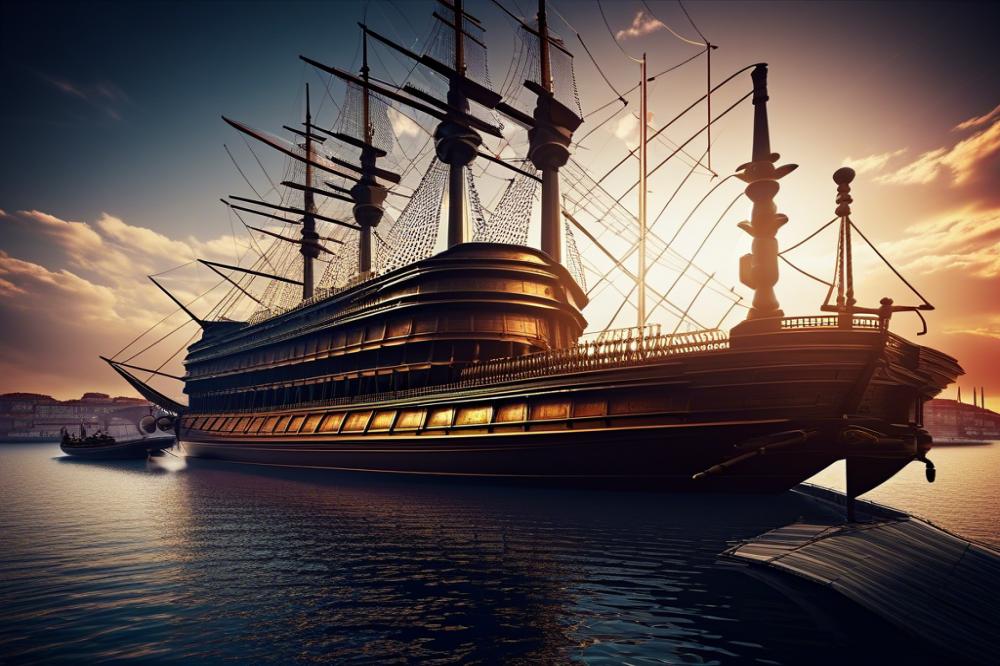
Ancient Rome was a hub for engineering and naval innovation. Shipwrights developed techniques that transformed maritime technology forever. They combined traditional methods with new ideas to create efficient, powerful military naval vessels. The hallmark of this period was the trireme, a fast and agile war vessel designed for speed and effectiveness in battle.
One prominent technique included the construction of hulls from a variety of materials. Shipwrights utilized wood sourced from forests across the empire. Cedar and oak were popular choices due to their strength and durability. This variety allowed for greater flexibility in ship design. The use of iron nails and bronze fittings further enhanced durability.
Innovative shipbuilding techniques also involved the design of their oars. Triremes featured a unique row arrangement with three tiers of oars. This design increased rowing power without compromising speed. These advancements allowed Roman ships to maneuver effectively, outpacing rivals during naval engagements. As a result, tactics on the battlefield shifted significantly.
Maritime archaeology reveals much about the construction of these ancient vessels. Studies show a focus on creating a well-balanced hull. Such designs could withstand harsh conditions at sea. Shipwrights understood the importance of resilience in their creations. Consequently, Roman warships not only competed for speed but also for structural integrity.
In addition, the incorporation of sails transformed naval capabilities. A combination of sails and oars enabled greater operational versatility. This flexibility allowed for longer voyages and varied war tactics. As ships became more advanced, Roman naval power expanded across the Mediterranean.
Every advancement in shipbuilding influenced the way battles were fought on water. Techniques perfected over time helped Roman forces establish dominance. Engineering feats in ship design changed the course of military history. Innovations ensured that these vessels remained effective in combat while also allowing for exploration and trade.
The impact of Roman maritime technology went beyond warfare. It laid the groundwork for future naval design and shipbuilding practices. The achievements of ancient shipwrights continue to inspire modern engineering today.
War Tactics and the Role of Roman Warships
Naval warfare tactics during ancient Rome were critical to its military success. The Romans relied heavily on their military naval vessels to assert control over the Mediterranean Sea. These ships were not just tools; they represented advanced engineering and naval innovation. Tactics often included formations and maneuvers designed to outsmart opponents. The Romans utilized their vessels to ram enemy ships, sinking them before they had a chance to fight back.
Ship design played a significant role in determining how battles unfolded. Triremes, with their three rows of oars, allowed for impressive speed and agility. Such features gave Roman commanders a tactical advantage. These warships could not just navigate tight waters; they could also outpace larger vessels in open seas. Battle strategies incorporated the unique capabilities of their ships. For example, boarding actions were common, where soldiers would leap onto enemy ships to take control.
Examples of significant naval battles highlight the effectiveness of these tactics. The Battle of Mylae in 241 BC showcased the might of Roman warships. Here, skilled shipwrights created vessels capable of handling fierce ocean conditions. Their design facilitated quick maneuvers that caught the Carthaginians off guard. As tactics evolved, so did the need for better maritime technology. Flexibility in tactics allowed Roman forces to adapt to various challenges at sea.
Maritime archaeology gives us a glimpse into how these ships influenced warfare. Findings show that the construction of warships was not only functional; it was a strategic masterpiece. The Romans understood the importance of naval dominance and shaped their tactics accordingly. Masters of design, they ensured that their war vessels were equipped for both offense and defense. Detailed intelligence on enemy routes and ship types became essential to planning successful engagements.
As Rome expanded its influence, its naval strategies only became more refined. Each battle brought new lessons that shaped future tactics. Allies and enemies alike learned that naval control was crucial. With engineering prowess, Romans changed the face of ancient maritime warfare through innovative approaches. By consistently evolving their maritime tactics and ship designs, they achieved impressive victories that still resonate in military history.
The Legacy of Roman Warships and Maritime Archaeology
Innovations in ship design from ancient Rome have had a profound influence on future naval innovation. Engineers of that era perfected the trireme, a type of military naval vessel known for its speed and agility. This sophisticated design set new standards in warfare at sea. The intricate craftsmanship of Roman shipwrights revolutionized how ships were built, blending function with effectiveness in military naval tactics.
Recent archaeological findings shed light on the importance of these ancient vessels. Excavations of shipwrecks reveal not only ship construction techniques but also cargo and maritime activities. Items recovered from underwater sites provide insight into the trade routes and naval operations of the time. Such discoveries enhance our understanding of ancient Roman culture and its relationships with other civilizations.
Preservation of these maritime technologies is vital for both historical and educational purposes. Techniques used in maritime archaeology allow researchers to reconstruct ancient warships. Advanced technologies, such as 3D modeling and underwater drones, aid in documenting these remnants of history. By studying what remains, we can appreciate the complexity of ancient engineering.
Exploration into these vessels also highlights the lives of those who sailed them. It gives a voice to the shipwrights, sailors, and strategists who played crucial roles in naval success. The examination of artifacts associated with ancient naval engagements enriches our knowledge of past war tactics and their applications. Collectively, these efforts contribute to a deeper appreciation of the innovative spirit that characterized ancient Rome.
Final Thoughts on Roman Warship Engineering
Roman warships represent incredible engineering feats of their time. With advanced shipbuilding techniques, they changed the course of naval battles. The designs showcased a mix of practicality and power, giving them an edge over many adversaries. Their endurance on the seas was unmatched, enabling Rome to control key trade routes and expand its influence across the Mediterranean.
Reflecting on their significance, it’s clear that these vessels contributed immensely to military might. Romans mastered the art of warfare at sea, which was crucial for their empire’s vast reach. Innovations such as the corvus, a boarding device, transformed naval strategy. This adaptation allowed for tactics that combined sea and land warfare, showcasing versatility in combat.
The legacy of Roman maritime technology continues today. Modern naval practices can trace elements back to Roman ingenuity. Techniques in ship design and naval warfare still resonate within contemporary strategies. Many nations now study this ancient engineering to inform their naval capabilities. Learning from history, they recognize the importance of adaptation and innovation in overcoming challenges at sea.

