
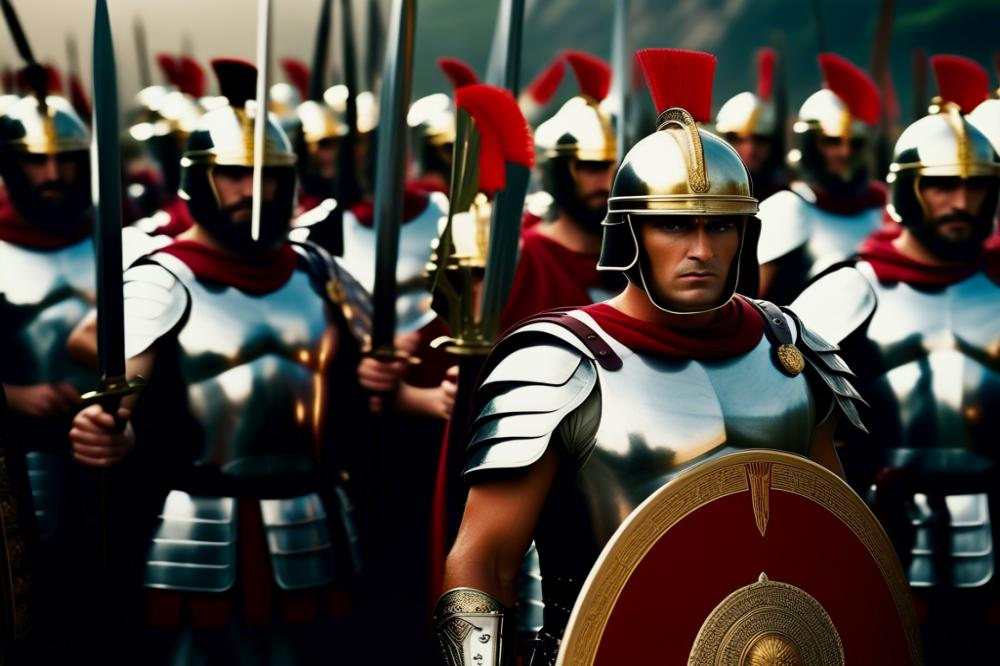
Field Weapons of the Roman Army: Adaptations for Different Battles
The Roman army was known for its powerful and effective arsenal. Weapons played a crucial role in warfare, helping legionaries achieve victory in many battles throughout history. Understanding these implements provides insight into a military machine that revolutionized combat tactics. The gladius, for example, was not just a sword; it became a symbol of Roman strength. Soldiers relied heavily on the pilum, a javelin designed to disrupt enemy formations. These arms were essential to the identity of the Roman military.
Attire was equally significant to a soldier’s identity. The scutum shield was robust, providing vital protection during a fight. A well-fitted tunic and sturdy sandals allowed for swift movement across various terrains. Both clothing and arms worked together, creating a soldier prepared for multiple scenarios. In combat, adapting to the opponent’s strengths and weaknesses gave an advantage.
Military leaders understood the importance of Battle Adaptations. Different environments called for specific strategies. Siege weapons like the onager and ballista were used in assaults on fortified positions. They demonstrated the flexibility of tactics employed by Roman forces. In contrast, skirmishes required lighter, more agile approaches. Each weapon served a distinct purpose, showing how the Romans adjusted their methods of warfare based on circumstances.
The history of Roman warfare teaches us how adaptability defines success on the battlefield. The seamless blend of armament and strategy made the Roman army legendary. Variations in weapons and approaches were not merely for show; they were essential for survival and dominance.
The gladius: The Heart of Roman Infantry
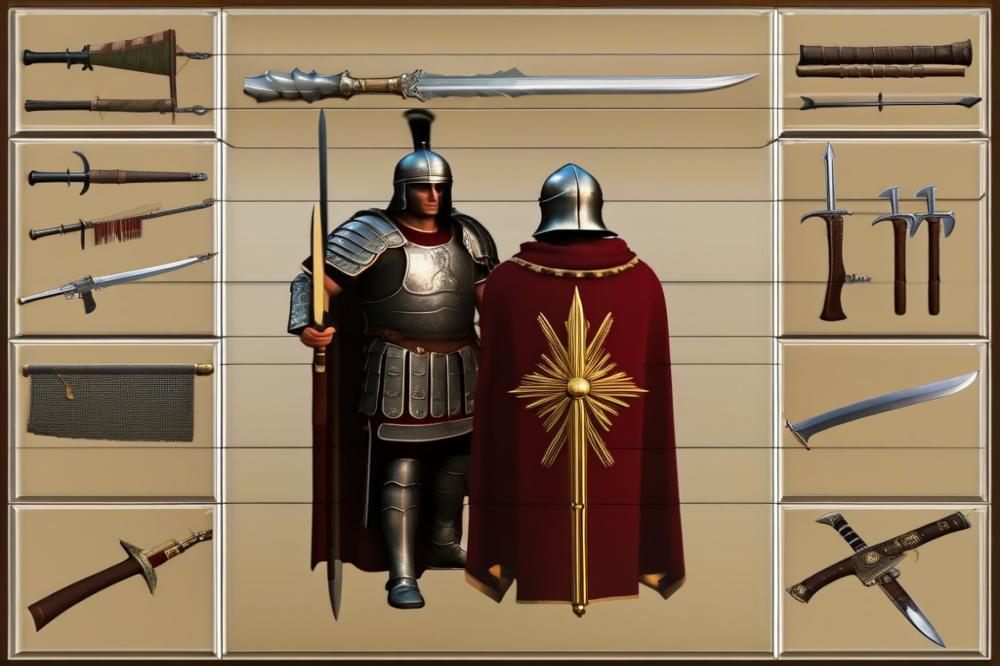
The gladius was the primary sword of the Roman legionaries. This short sword typically measured around two feet in length. A double-edged blade made it efficient for close-quarters combat. Its design featured a pointed tip, perfect for thrusting. The blade was often wider at the hilt and tapered towards the end. This shape allowed for quick retrieval after a thrust.
Role of the Gladius in Close Combat
Roman infantry relied heavily on the gladius during battles. When two opposing forces clashed, soldiers faced each other at close range. Tactics emphasized formations that favored the gladius’s capabilities. The shield, known as the scutum, provided excellent defense while allowing soldiers to push forward. In the chaos of melee, the gladius became vital for maneuverability. Its size allowed legionaries to wield it with both hands for more powerful strikes. Every thrust could be decisive in the fight, marking the gladius as a symbol of Roman military strength.
Adaptations in Design for Various Combat Situations
Over time, adaptations to the gladius occurred based on combat needs. Some versions featured a slightly longer blade for more reach. Artisans skilled in sword-making adjusted the balance to enhance speed. In contrast, other variations included a broader blade, which offered more cutting power. These adjustments were often in response to the tactics faced. For instance, during sieges, other weapons like the onager or ballista complemented the gladius. Using combined arms techniques allowed Romans to maintain superiority on the battlefield.
The gladius did not exist in isolation. It worked in tandem with other weapons, like the pilum, which could disrupt enemy formations. Together, these weapons demonstrated the Romans’ advanced approach to warfare. Each adaptation met specific challenges, reflecting a deep understanding of military history. Choices in weaponry were not random; they were strategic, shaped by experience and observation.
The Pilum: A Versatile Throwing Weapon
Introduction to the pilum and its construction
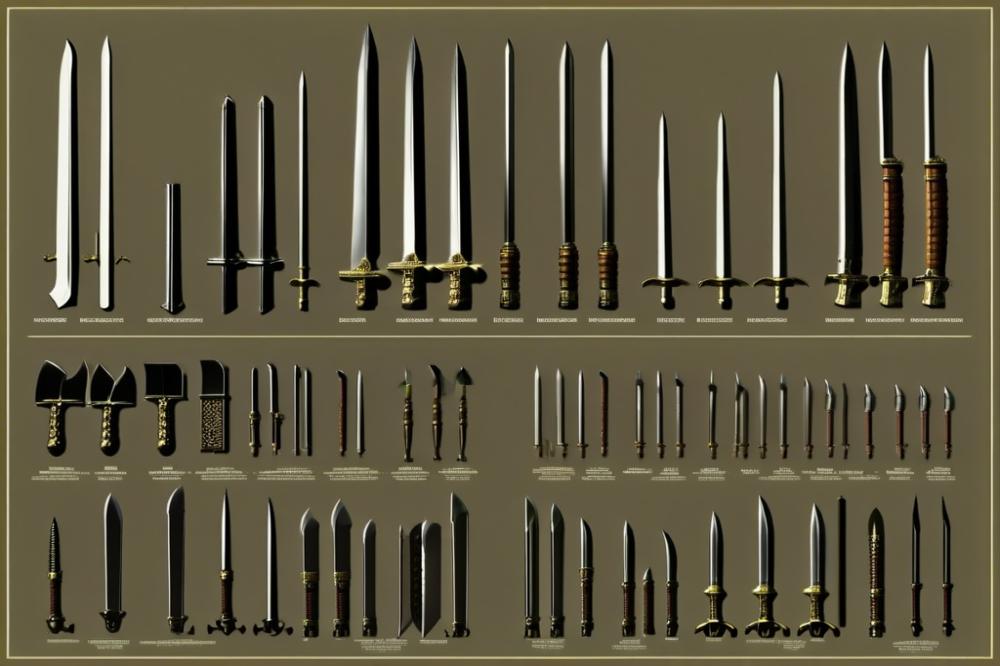
The pilum was a crucial weapon for Roman soldiers. This throwing spear typically measured around two meters long. Made of wood, its shaft had a weighted iron tip. Some versions featured a flexible shank, allowing it to bend upon impact. Such design prevented enemies from throwing it back. Roman engineers focused on both functionality and durability in the pilum’s construction.
Tactical use of the pilum in battle
Legionaries carried the pilum alongside their gladius, ready for varied combat scenarios. Before an engagement, soldiers would hurl these spears at enemy troops. The goal was to disrupt formations and provoke chaos. The effectiveness of the pilum lay in its ability to penetrate shields. Once the enemy’s defenses were compromised, legionaries would advance with their gladius drawn. Military tactics were carefully calculated, allowing the pilum to play a strategic role in overall warfare dynamics.
Effects on enemy formations and strategies
The impact of the pilum on opposing forces was profound. Armies often struggled to maintain their lines after a barrage of these weapons. Shields splintered or became less effective against the weighted tips. Consequently, this forced adversaries to adjust their strategies quickly. In battles where pilum was effectively deployed, outcomes often tilted in favor of Roman forces. Romans’ understanding of battlefield dynamics, combined with their advanced weaponry like the onager and ballista, showcased their dominance in military history. The pilum was not just a weapon, but a tool for psychological warfare. Enemy troops often felt demoralized when faced with its lethal precision.
Defensive Weapons: The Scutum and Its Role
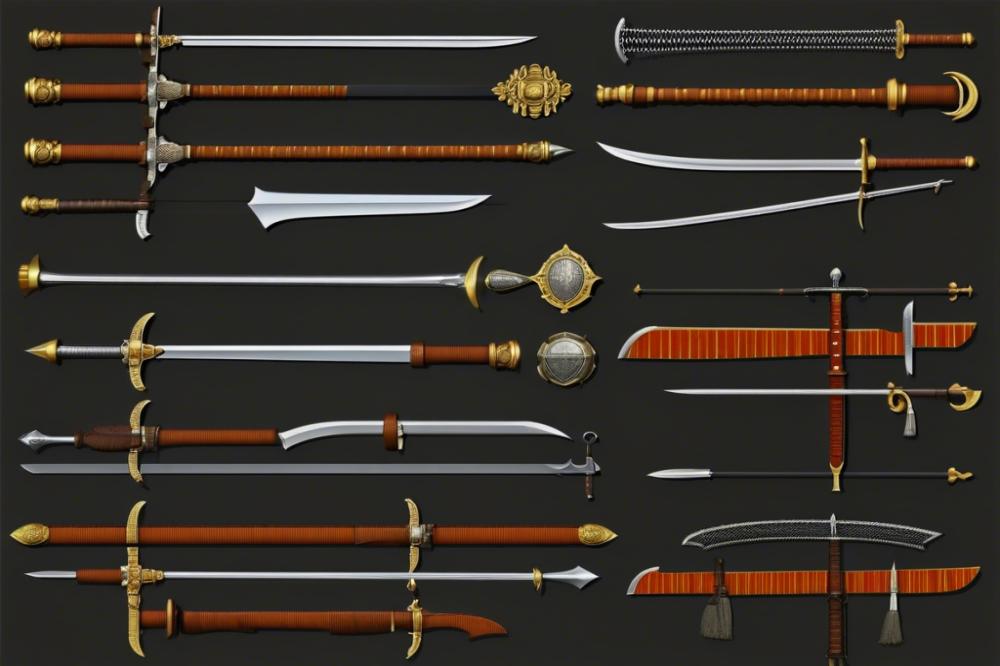
The scutum was a large rectangular shield used by legionaries in the Roman army. Its design featured a curved surface that helped to deflect incoming blows. Typically made from wood, the scutum was reinforced with metal, making it both sturdy and effective. This shield measured about four feet in height and two and a half feet in width. Its size provided excellent coverage, protecting soldiers in formation during battles.
In Roman military tactics, the scutum played a crucial role. When engaged in combat, soldiers formed a tight formation known as the testudo, or tortoise. In this formation, soldiers would overlap their shields to create a nearly impenetrable wall. The scutum allowed legionaries to advance steadily against their enemies, all while being shielded from arrows and projectiles. This method of fighting showcased the discipline and coordination of Roman troops.
Adaptations were made over time to enhance the effectiveness of the scutum in various fighting styles. Soldiers learned to adjust their grip and angle the shield depending on the type of enemy they faced. For instance, in open battles, the large surface area of the scutum provided protection against advancing infantry or cavalry. In close-quarters skirmishes, it served as an effective weapon for bashing opponents. The versatility of the scutum was unmatched, proving to be a valuable asset alongside the gladius and pilum, another crucial weapon of Rome.
As warfare evolved, adaptations in the use of the scutum occurred. It was not only a defensive tool but also a means to create opportunities for offense. When used effectively, Roman soldiers could thrust with their gladius while maintaining a protective stance with the scutum. This method increased the chances of survival on the battlefield. The Roman army’s success was partly due to their thoughtful integration of defensive and offensive tactics.
Siege weapons, like the onager and ballista, were often supported by the scutum’s design. During sieges, defending soldiers relied on their shields to protect against projectiles aimed at their fortifications. A robust defense was essential in these situations, allowing troops to hold their ground against opponents trying to breach their positions. The evolution of military history reveals that the scutum was instrumental in safeguarding lives while contributing significantly to Rome’s military achievements.
Siege Weapons: Onagers and Ballistae
Overview of Onager and Ballista as Siege Weapons
The onager and the ballista were integral to Roman siege weapons. In ancient battles, these machines enabled forces to break through fortifications. Specifically, the onager, resembling a large catapult, launched heavy projectiles over walls. It could hurl rocks or incendiary devices at great distances. Ballistae functioned like giant crossbows, firing bolts and stones with precision. Each weapon made considerable impacts during conflicts.
Adaptations for Different Types of Fortifications
Military engineers adapted these weapons based on the nature of enemy fortifications. For instance, if an enemy built thick walls, legionaries would employ larger onagers. More extensive projectiles could generate enough force to breach these defenses. On the other hand, lighter fortifications might require only ballistae for effective assaults. Their speed allowed quick shots against less protected positions. Various adjustments, such as changing the angle of fire or payload, ensured optimal performance in diverse situations.
Impact on Warfare and Military Strategy
Utilizing onagers and ballistae changed the face of warfare in Roman military history. The ability to breach strongholds altered tactical approaches. As walls began to fall, armies could move swiftly into captured territory. This capacity for rapid expansion became a hallmark of Roman strategy. Additionally, the intimidation factor of these siege machines often led to quicker surrenders. Opponents recognized the futility of resisting well-equipped forces. Ultimately, integrating these formidable siege weapons into legions’ tactics reshaped how battles unfolded throughout the empire.
Roman Tactics: Integrating Weapons into Warfare
The Roman army was known for its effective tactics and disciplined legionaries. Adapting to different types of combat situations was crucial. Each weapon had a specific role that matched the challenges of the battlefield. Tactics evolved as needed, with specific scenarios influencing which armaments were employed.
Legionaries utilized the gladius for close combat. This short sword was ideal in tight formations. When formations held together, soldiers could stab at enemies while remaining shielded by their scutum. This use was not random; it reflected the need for quick, lethal strikes during engagements.
Ranged incombat situations required different tools. The pilum provided this capability. These javelins were designed to break enemy shields and create openings in defenses. Additionally, the introduction of siege weapons like the onager and ballista enhanced the Romans’ ability to attack fortified locations. These devices demonstrated how Roman tactics integrated both infantry and artillery support.
Case Studies of Battles Illustrating These Adaptations
Analyzing major battles reveals significant insights into the Roman approach. In the Battle of Alesia, Romans faced a unique scenario. With the enemy surrounding them, their tactics revolved around effective use of both siege technologies and close-quarters fighting. The combination of onagers and ballistae provided effective bombardment, while legionaries remained ready to repel direct assaults.
The Battle of Cannae revealed another adaptation. Although it was a defeat, the lessons learned shaped future strategies. Roman commanders understood the importance of flexibility. Their inability to adapt during the battle showcased the need for improved reconnaissance and the preparedness for ambushes.
In contrast, the pivotal Battle of Zama illustrated how Roman tactics matured over time. Scipio Africanus effectively countered Hannibal’s elephants with disciplined formations. The coordinated use of the pilum against both infantry and cavalry advanced their strategic advantage. Victories like this indicated that Roman warfare was not static; it evolved and utilized various weapons.
These examples underscore how the Romans effectively integrated diverse weaponry into their military practices. The adaptability of legionaries, from close fighting with the gladius to launching missiles from the ballista, highlights an important aspect of their military history. Understanding the relationship between weaponry and tactics reveals the brilliance behind Roman successes on the battlefield.
The Evolution of Roman Army Weapons
The story of Roman weaponry reflects a deep understanding of warfare. Throughout their history, the Romans adapted their tools to meet the challenges they faced. The gladius, a short sword, became a symbol of the legionary’s effectiveness. Its design was suited for close-quarter combat, allowing soldiers to engage enemies in the thick of battle.
In the early days of the Republic, weapon technology was relatively simple. Basic spears and shields were common among infantry. As they encountered various foes, tactics changed, influencing Roman military gear. The pilum, a throwing spear designed to disrupt enemy formations, emerged as a key element in their arsenal. Soldiers often hurled it at enemy shields before charging in with their swords.
Influence of Technology and Enemy Encounters
Throughout conflicts, Rome observed and learned from its enemies. Experience gained in battle led to improvements in equipment. For instance, siege weapons like the onager and the ballista were created to breach fortifications. These devices changed the landscape of warfare, allowing Romans to lay successful sieges on cities. The development of these artillery pieces reflected an increasing need for longer-range capabilities in military engagements.
Changes in warfare were also driven by tactics. The use of the scutum, a large rectangular shield, allowed soldiers to form a powerful defensive line. This adaptation enabled them to withstand heavy enemy assaults effectively. The combination of various weapons and innovations ensured that the Roman legions remained formidable on the battlefield.
Legacy of Roman Weapons in Military History
The influence of Roman weapons extends far beyond their time. Many aspects of their military technology have inspired countless armies. The principles of engineering showcased in their siege weapons still resonate in modern warfare. Strategies like the testudo formation have also carved out a place in military training today.
Ultimately, the evolution of Roman armament represents a legacy of adaptability. The gladius and pilum remain iconic symbols, while the siege engines exemplified tactical ingenuity. History teaches us that effective weaponry can shape the outcome of battles. The Romans understood this well, ensuring their place in the annals of military history.
Final Thoughts on Roman Military Innovations
Summary of Key Points on Weapons
The Roman army was renowned for its innovative weaponry and battlefield strategies. Their adaptations allowed for flexible responses to various combat situations. Key weapons, like the gladius and pilum, showcased the ingenuity of Roman military design. The gladius provided soldiers with an effective close-combat option, while the pilum served as an excellent throwing weapon that disrupted enemy formations. Each tool was tailored to meet the demands of unique military conditions. Understanding these weapons gives insight into how the Romans maintained their dominance in warfare.
Enduring Impact on Warfare
The adaptations made by Roman forces had lasting effects on military tactics. Their focus on versatility in weapon design influenced armies long after their time. Many of the principles established by Roman engineers can still be seen in modern armed forces. Strategies involving the gladius and pilum have inspired weapon design and combat techniques worldwide. This wide-reaching impact highlights how Roman practices shaped future conflicts and influenced military organizations globally.
Reflection on Military History
Reflecting on the military history of the Roman Empire reveals a culture deeply committed to excellence in warfare. Their emphasis on precision and adaptability helped them conquer vast territories. By continuously evolving their field weapons, they maintained an edge over their adversaries. The legacy of their military innovations persists today, reminding us of the ingenuity that characterized the Roman approach to warfare. The diversity of their weaponry not only secured victories but also established a template for modern military operations. Ultimately, the Roman army’s adaptability lays a foundation for understanding the growth of military technology and strategy through the ages.

