
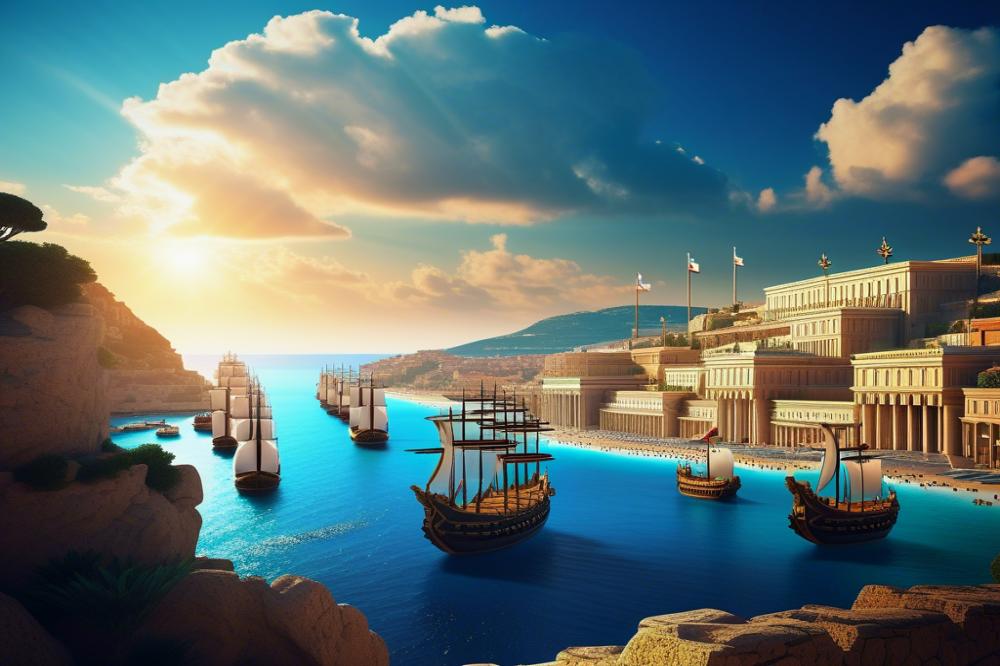
The Size and Structure of Roman naval fleets: Numbers and Dimensions
The maritime power of the Roman Empire played a crucial role in its expansion and control. Ancient Rome was not just a land-based empire; it relied heavily on the water for military and trade activities. Understanding the significance of naval power reveals how it shaped the empire’s dominance. While the legions marched across fields, the naval forces operated in the Mediterranean and beyond, securing routes vital for commerce and warfare.
The Roman Navy was essential in maintaining control over vast territories. Naval strategy was intertwined with military campaigns, making the presence of ships like triremes and quinqueremes indispensable. Ships of various types carried soldiers, supplies, and goods across the waters. Trade thrived, linking distant provinces and ensuring the flow of resources necessary for sustaining the empire.
This article explores the Roman naval fleets, focusing on their structure, fleet size, and the types of vessels used. Shipbuilding techniques advanced over time, allowing for the creation of larger and more powerful ships. The dimensions of these fleets were often a reflection of the empire’s needs and ambitions. Analyzing the components of Roman naval warfare provides insight into how maritime forces complemented land-based strategies.
Throughout history, naval power has been a determining factor in the success of military endeavors. The Romans recognized this and adapted accordingly. By understanding the various ship types and naval organization, one can appreciate the complexity and scale of naval operations. These factors combined to create a formidable maritime force that contributed to the empire’s enduring legacy.
The Evolution of the Roman Navy
Origins of the Roman Navy in the Ancient World
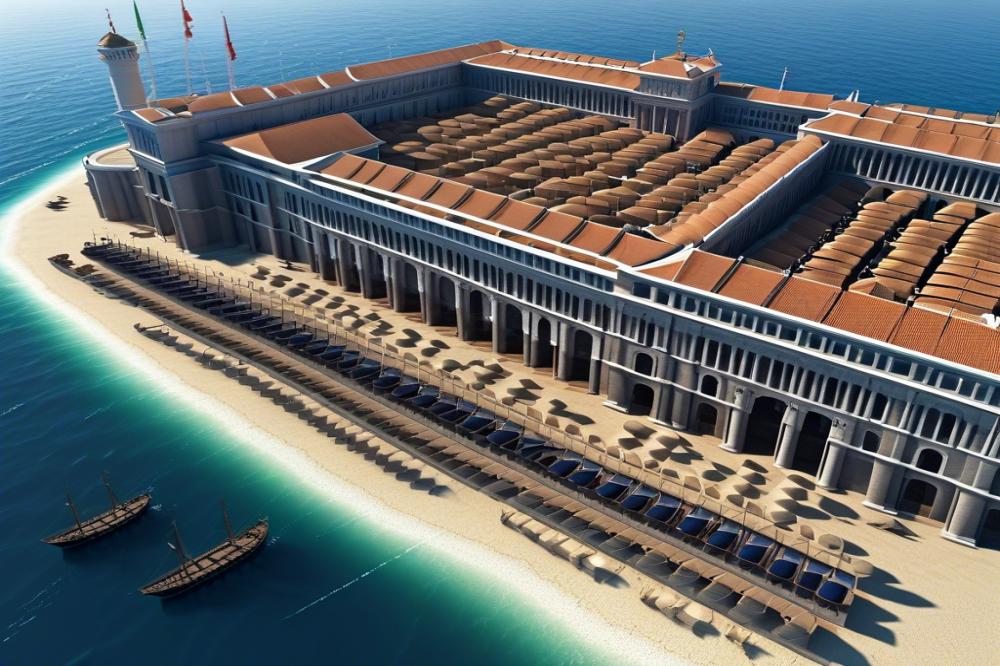
The Roman Navy emerged in a world dominated by rival powers. Initially, they relied on alliances with other maritime nations. Shipbuilding was not yet a priority for the early Romans. However, the conflicts with Carthage changed everything. To defend their interests, they began to recognize the importance of having a military presence on the sea. War at sea became a vital aspect of maintaining control over trade routes.
Development of ship types from Small Vessels to Powerful Warships
Over time, the Romans developed several ship types suited to their naval strategy. Early ships were small and relatively simple, intended for transport or fishing. As naval warfare intensified, the Romans introduced the trireme, a vessel designed for speed and agility. These ships boasted three rows of oars, which allowed for quick maneuvers in battle. Later, the quinquereme emerged, larger and more formidable. This ship had five rows of oars and was instrumental during major naval battles. These advancements in design demonstrated the Romans’ commitment to dominating the seas.
Transition from Merchant Fleets to a Structured Naval Force
The shift from a collection of merchant vessels to an organized naval force was gradual but significant. Initially, merchant fleets were primarily responsible for trade and supply. However, as hostilities increased, the need for a dedicated navy became apparent. The Roman Navy was formalized as a military branch, focusing on both commerce protection and offensive operations. This change allowed for the coordination of larger fleet sizes. It also made room for innovative shipbuilding practices. By the end of the Republic, the navy had become a crucial component of Roman power in the Mediterranean.
Key Ship Types of the Roman Naval Fleets
Triremes and Their Role in Battles
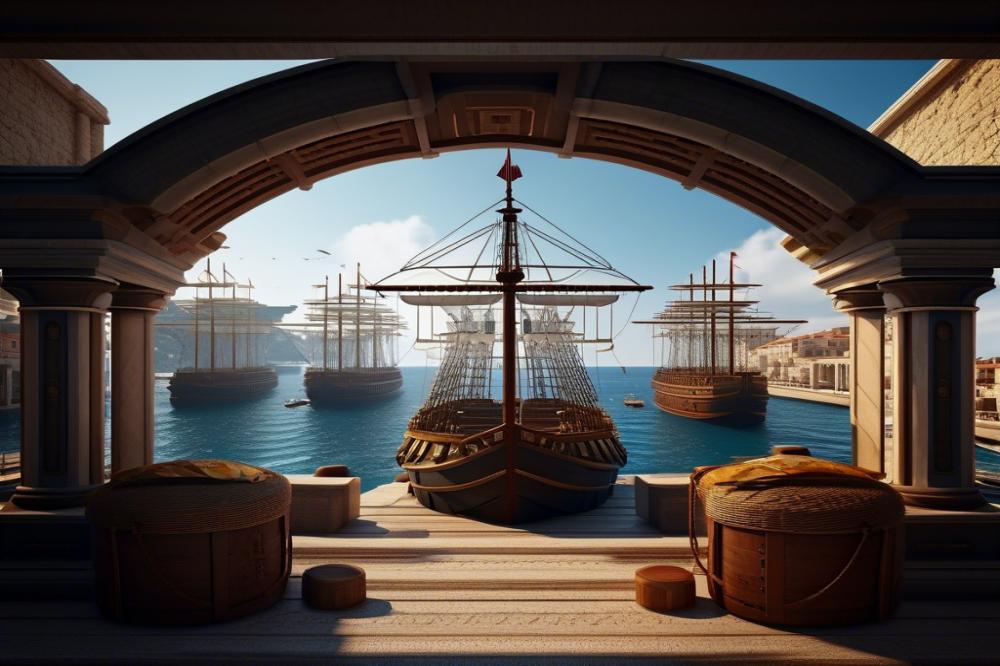
Triremes were a critical part of the Roman Navy. This type of ship had three rows of oars on each side, manned by skilled rowers. They were designed for speed and maneuverability. In naval warfare, their agility allowed them to outsmart larger ships. Triremes could ram enemy vessels and then retreat swiftly. Such tactics were vital in battles across the Mediterranean Sea. These ships also had sails for longer journeys. Their blend of oars and sails made them versatile for various situations.
Analysis of Quinqueremes
Quinqueremes represented an advancement in shipbuilding technology. Unlike triremes, quinqueremes had five rows of oars, allowing for greater power. Their increased size meant more crew members and larger storage capacity. This ship type became essential for the Roman Navy. Naval strategy often involved using quinqueremes for larger engagements. Their ability to carry heavier artillery made them formidable in combat. Seafarers could also use these ships for prolonged missions. Their design reflected the Romans’ understanding of naval warfare.
Other Notable Ship Types
Various other ship types played crucial roles in ancient Rome. One of these was the merchant ship, essential for maritime trade. These vessels transported goods across the empire. Cargo ships were vital for economy and connectivity. They helped sustain Rome’s vast supply networks. Also noteworthy were the transport ships, used to move troops and materials. In peacetime, these vessels ensured smooth commerce. Each type of ship served its purpose, whether in battle or trading essentials. Understanding these different vessel functions highlights the complexity of Roman naval operations.
Fleet Size and Organization
Factors influencing the size of Roman naval fleets
Several elements affected the size of the Roman Navy. One major factor was the threat level from rival powers. When conflicts arose, larger fleets were mobilized for defense and offense. The Mediterranean Sea was a central arena for such naval warfare. The growth of maritime trade also played a crucial role. A strong navy protected trade routes from piracy and ensured economic stability. Consequently, as Rome expanded its territories, the demand for naval resources increased as well.
Major naval battles and the scale of Rome’s naval deployments
The historic battles of Mylae and Actium highlight the scale of Roman deployments. At Mylae, a significant number of triremes and quinqueremes were deployed against Carthage. These confrontations showcased both strategy and strength. At Actium, Octavian’s forces faced Mark Antony’s fleet. More than 400 ships were in action during this notable battle. Such large-scale deployments reflected Rome’s ambition to dominate naval power. Successful engagements would often lead to greater investment in shipbuilding and naval infrastructure.
Hierarchical structure of commands and fleet divisions
The command structure of the Roman Navy was hierarchical. At the top were the admirals, known as “duces.” Below them were various subordinate officers who oversaw divisions of ships. Fleets could be divided based on their mission. Some were dedicated to invasion, while others focused on defense or patrol duties. Each division specialized in different ship types. Triremes, known for their speed, often engaged in battles. Quinqueremes were utilized for larger confrontations due to their heavier armament. Understanding this organization helped in planning naval strategy. This allowed for coordinated attacks and efficient use of resources during clashes at sea.
Naval Warfare Tactics and Strategies
Roman naval warfare was an essential component of their military power. The techniques employed by the Roman Navy focused on both offensive and defensive strategies. Understanding how they fought on water reveals much about their overall military effectiveness. Ship types played a critical role, with triremes and quinqueremes being the main vessels used in battles.
Ramming tactics were a hallmark of Roman naval engagements. Ships often had a reinforced prow designed for this purpose. Battering enemy vessels would cause significant damage and often sink them. Additionally, boarding tactics came into play when ships were in close quarters. Soldiers would leap onto enemy decks to fight with swords and spears, turning naval battles into fierce hand-to-hand confrontations.
During conflicts like the Punic Wars, naval strategy took on added importance. Keeping control of trade routes was vital for economic strength. The Romans understood that a powerful navy could blockade ports and disrupt supply lines. Fleet size would vary depending on the situation, but superior numbers often provided a decisive advantage. They built impressive fleets, showcasing their commitment to shipbuilding and naval power.
Notable battles, such as the Battle of Mylae, demonstrated Roman ingenuity in warfare. Ships would maneuver skillfully to outflank opponents while using their ramming tactics effectively. A tactical mix of aggression and defense made Roman naval fleets formidable forces. Their methods evolved, adapting to the challenges faced during warfare in ancient Rome, especially against rivals like Carthage.
Maritime trade also influenced their military strategies. Control over the Mediterranean Sea meant control over trade. The Romans sought to protect their interests while undermining those of their enemies. This dual approach to naval power highlighted the complexity of their military efforts. Tactics were not only about fighting but also involved securing resources vital for Rome’s growth.
Shipbuilding Techniques and Innovations
Materials and Methods Used in Roman Shipbuilding
The Roman Navy relied on a combination of wood, iron, and other materials for its ships. Oak was favored for its durability. Most vessels featured a simple design for ease of construction and repair. Technicians utilized various tools such as saws, axes, and drills. This allowed efficient work in boatyards. Skilled craftsmen crafted intricate parts like keels and hulls. Innovations in fastening techniques provided greater strength. Additionally, the use of waterproofing made ships more resilient. Tar and pitch helped secure joints that faced the elements. Over time, the techniques evolved to meet the demands of naval warfare.
Shipyards and Centers of Naval Construction in Ancient Rome
Ancient Rome boasted several important shipbuilding centers. Places like Ostia and Portus served as crucial hubs. These locations benefited from easy access to the sea. Workers in these areas specialized in different ship types. Triremes and quinqueremes were among the most prominent designs. Each yard employed hundreds of laborers. The scale of operation supported the fleet size needed for maritime trade. Construction in these locales significantly influenced naval strategy. The close proximity to raw materials streamlined the entire process. This concentration of resources advanced Rome’s naval power.
Technological Advancements and Their Impact on Naval Capabilities
Advancements played a vital role in enhancing naval capabilities. Innovations in hull design made ships faster and more maneuverable. This was crucial during battles and for pursuing enemies. The introduction of the ram, a powerful weapon on the bow, changed naval warfare dynamics. With multiple oars, triremes could achieve impressive speeds. Quinqueremes, having more oars, could support bigger crews. This increased flexibility allowed for effective maritime combat tactics. Additionally, improvements in navigation tools aided long-distance travel. Sailors became better equipped to launch surprise attacks. With these developments, Rome maintained a dominant position on the water. Each innovation not only advanced shipbuilding but also reshaped how naval power was understood in ancient societies.
Maritime Trade and the Role of Roman Naval Fleets
The connection between naval power and trade routes in ancient Rome was vital. Romans understood that to thrive economically, they needed to control the seas. A strong naval presence allowed them to protect shipping lanes. This protective force also deterred pirates and hostile nations from attacking merchant ships. Without naval support, trade would have been less secure. Increased safety boosted trade and contributed to economic growth.
Impact on trade security was significant. Roman Navy ships, such as triremes and quinqueremes, safeguarded vessels laden with valuable cargo. These vessels could swiftly chase down and defeat threats at sea, ensuring smooth transportation of goods. Fleet size also played a crucial role. More ships meant that more extensive shipping routes could be defended at once. Smaller fleets might struggle to cover long distances, leaving merchants vulnerable.
Key trade commodities included grain, olive oil, and wine. These goods not only fed the population but also fueled the economy. Roman naval forces transported bulk goods across the Mediterranean. The efficient movement of grain, for instance, was crucial for the survival of cities like Rome itself. Furthermore, shipbuilding was essential to construct and maintain a capable fleet. Combining different ship types helped maximize efficiency and versatility in maritime trade.
Naval strategy guided how the Romans approached both trade and warfare. Protecting key ports and establishing naval bases allowed them to maintain dominance over trade routes. As a result, Rome’s economy rested on a network of safe maritime pathways. Without a strategic naval presence, the empire may not have reached its remarkable heights. Trade shaped daily life in ancient Rome and ensured the empire’s riches flowed continuously.
Closing Reflections on Roman Naval Power
Roman naval fleets played a vital role in both military operations and trade during ancient times. These forces not only safeguarded supply routes but also expanded the Empire’s reach across the Mediterranean. The significance of the Roman Navy cannot be overstated; it was crucial in asserting dominance over rival territories and ensuring safe passage for merchant vessels. Effective naval power facilitated economic growth and stability, allowing Rome to thrive.
A legacy of innovation and organization defines the era of Roman shipbuilding. Various ship types contributed to the complexity and effectiveness of fleets. This diversity allowed Rome to adapt to different combat situations and trade needs. From swift triremes to robust cargo ships, each design served a specific purpose. Over time, these advancements laid the groundwork for future civilizations. For instance, modern navies still draw on concepts developed in the Roman era.
Reflecting on the impact of the Roman Navy reveals its enduring influence on maritime history. The strategies and techniques pioneered during this time shaped naval warfare for generations. From tactics to the structure of fleets, many ideas persist in naval doctrine today. The mastery over the seas showcased in the ancient world has echoes in contemporary naval practices.
In summary, the influence of Rome’s naval power is far-reaching and significant. It transcends the boundaries of its time, impacting trade routes and military organization. A deeper understanding of this ancient maritime force can inspire today’s discussions on naval strategy and economics. Observing how Rome operated across the water still offers valuable lessons. The essence of their naval strength continues to resonate within the annals of history.

