
Introduction
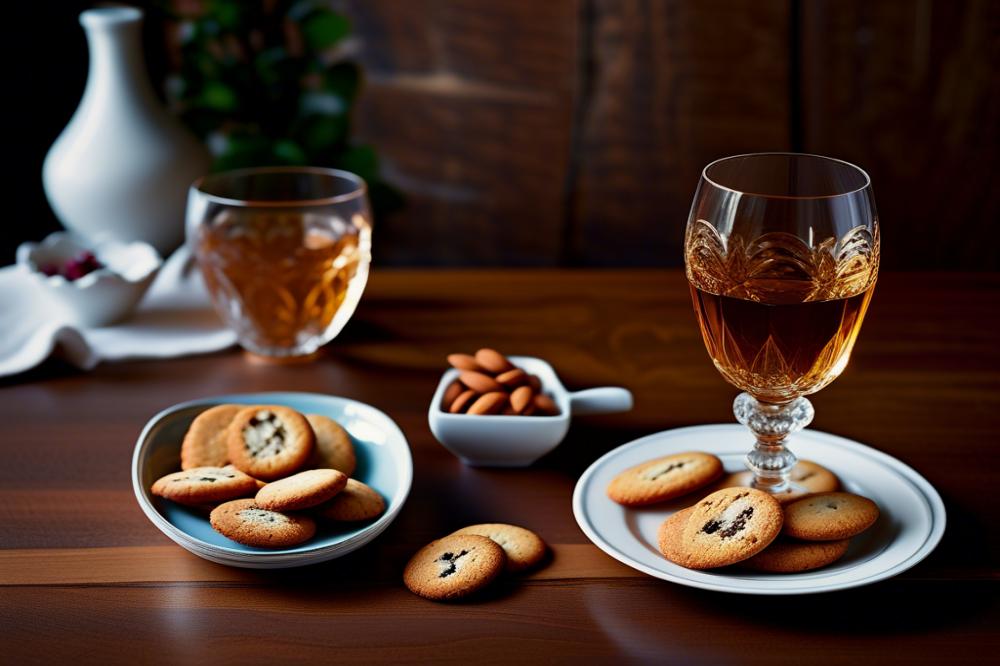
Italian cuisine is famous for its rich flavors and diverse offerings, especially when it comes to desserts. Every region boasts its own sweet delights, but few pairings are as celebrated as the combination of almond cookies and dessert wine. Originating from Tuscany, Cantucci are traditional biscotti known for their crunch and delightful almond flavor. These beloved cookies have a long history and are often enjoyed with a glass of Vin Santo, a classic dessert wine that complements their texture and flavor beautifully.
Vin Santo, or “holy wine,” is a uniquely crafted sweet wine that adds depth to the dining experience. Its origins trace back to Tuscany as well, making it an integral part of Italian culinary tradition. This wine is often served as a perfect after-dinner treat, inviting diners to savor its rich notes while dipping Cantucci for an irresistible combination.
The following article will explore how Cantucci and Vin Santo create aChocolate-cake-of-capri”> classic pairing that highlights the best of Italian dessert culture. By examining their individual qualities, cooking methods, and historical significance, readers will gain a fuller appreciation for this classic Italian dessert duo.
The Origins of Cantucci
Historical Background of Cantucci in Tuscany
Cantucci traces its roots back to Tuscany, a region rich in culinary traditions. Historical records suggest that these almond cookies originated in the 14th century. Bakers in the cities of Prato and Florence began crafting these delicious treats. Initially, the local populace enjoyed them as a simple snack. Over time, they became a beloved part of Italian dessert culture, embodying the essence of Tuscany’s culinary heritage.
Evolution of the Traditional Recipe Over the Years
Traditionally, the recipe included only a few basic ingredients. Over centuries, bakers experimented with the basic formula. The addition of various flavors like spices or citrus zest became common. Today, some versions include Chocolate or other nuts, showcasing creativity while respecting the original form. This evolution reflects changes in taste and the influence of different regions.
Key Ingredients and Their Significance
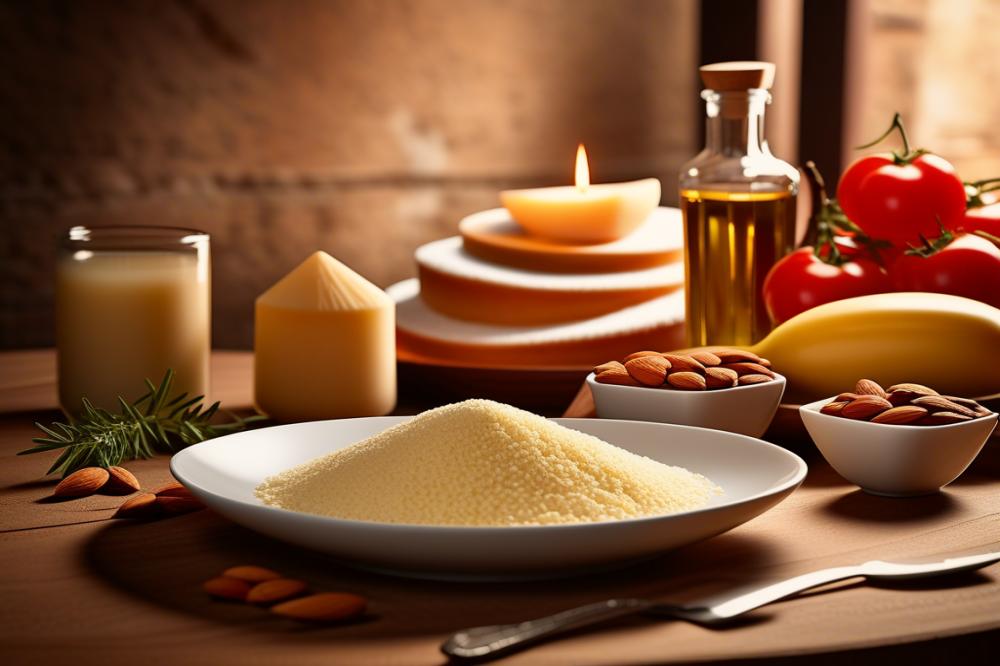
Almonds are the star ingredient in this Italian dessert. Their robust flavor pairs beautifully with the sweetness of sugar. Flour acts as the foundation, giving the biscotti its structure. Each component is essential, creating a balance that defines these cookies. The significance of using high-quality almonds cannot be overstated. Fresh, fragrant nuts enhance the overall taste, making every bite unforgettable.
The Connection of Cantucci to Italian Culture and Celebrations
This sweet treat holds a special place in Italian culture. It is common to serve Cantucci at celebrations and during family gatherings. The classic pairing with Vin Santo, a traditional dessert wine, often takes center stage after meals. Dunking a biscuit into sweet wine highlights the simplicity and joy of Italian cuisine. For many Italians, these cookies symbolize warmth, comfort, and shared moments. Their presence during festive occasions reinforces the connection between food and family ties.
Vin Santo: A Sweet Companion
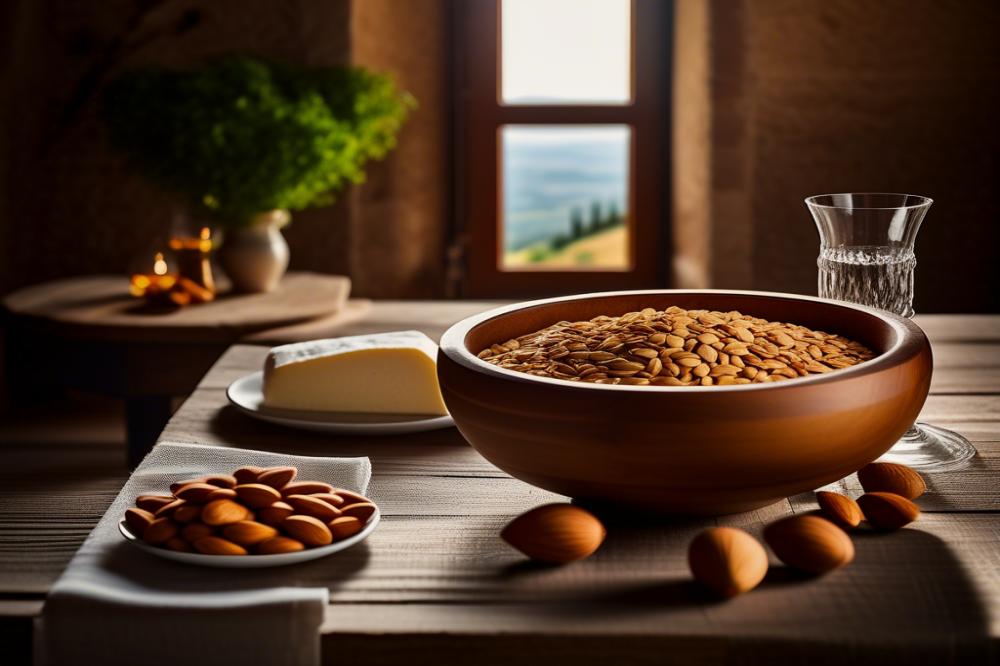
Vin Santo is more than just a dessert wine; it stands as a symbol of Italian culture. This sweet wine hails from Tuscany, where it has been cherished for generations. Commonly enjoyed with a variety of treats, it pairs beautifully with various biscotti. The rich flavors make it an ideal choice for an after-dinner treat.
The wine-making process for Vin Santo is fascinating. Grapes, often Sangiovese or Trebbiano, are harvested and then dried for several months. Through this method, the sugars in the fruit concentrate, leading to a sweet wine. After drying, fermentation occurs, followed by aging. The aging process can take several years, often in small oak barrels, which imparts unique flavors to the final product.
Different regions of Italy boast their own versions of Vin Santo. For instance, Vin Santo del Chianti is famous for its honey and nut notes, while Vin Santo from the coastal areas may present a more floral and fruity profile. Each variation reflects the local terroir and traditions, making the wine a diverse part of Italian cuisine.
When paired with almond cookies, Vin Santo complements the flavors perfectly. The wine’s sweetness balances the crunchy texture of the Cantucci. Its notes of dried fruits and honey enhance the nutty flavors found in the cookies. This classic pairing creates a delightful experience that showcases the best of Italy’s culinary offerings.
The Perfect Pairing: Cantucci and Vin Santo
Nothing quite compares to the sensory experience of enjoying an Italian dessert that combines flavors and textures so harmoniously. When you take a bite of a crunchy almond cookie, known as biscotti, the sensation is riveting. Accompanying this delightful treat with a glass of Vin Santo transforms the tasting into something extraordinary.
The crunchiness of these almond-laden biscuits is remarkably satisfying. Each bite creates a contrast against the smooth, sweet wine. Vin Santo, with its rich sweetness, complements the dry nature of the cookie. This pairing reveals a balance that delights the palate. Many observers note how the crispness of the biscotti softens after being dipped into the dessert wine, enhancing the flavor profile.
Traditional Methods of Enjoying
In Tuscany, the cultural significance of this classic pairing is immense. Locals often serve the cookie alongside a glass of Vin Santo at the end of meals. The traditional recipe of these almond cookies dates back centuries. Guests typically dip the biscotti into the wine, allowing it to soak for a moment. This simple act leads to a gratifying mingling of flavors that pays homage to Italy’s culinary roots.
This pairing serves a significant role as an after-dinner treat in many Italian households. It encapsulates the Italian spirit of savoring life. As you relax with family and friends, biscotti and sweet wine become more than just food; they create bonds around the table. The warmth of the wine and the crunch of the cookie offer an invitation to enjoy leisurely moments, where every sip and bite is cherished.
Cantucci in Modern Italian Cuisine
Recently, traditional recipes from Tuscany have seen a revival in contemporary cooking. Chefs and home bakers are rediscovering the rich history behind this Italian dessert. It is no longer just a simple after-dinner treat; it has become a staple in many kitchens across the globe.
Creativity flourishes in modern variations of these almond cookies. Innovative flavors now include chocolate, pistachio, and even orange zest. Each ingredient brings a new twist, captivating those who seek to experience familiar tastes with a fresh perspective.
When comparing Cantucci served in restaurants versus homemade versions, distinctions are clear. Restaurants often present them with refined approaches, pairing them with dessert wine in artistic ways. Homemade cookies might carry a sense of nostalgia, reflecting family traditions passed down through generations.
During festive occasions, these biscotti play a special role. They are often served at celebrations, enhancing gatherings with their crunchy texture and sweet flavor. Families look forward to sharing this delightful pairing with Vin Santo, especially during holidays or family reunions.
Now, this classic pairing continues to delight people with its charm and taste. As chefs experiment and families uphold traditions, the significance of these cookies in Italian cuisine remains strong. They tell the story of Italy’s past and showcase its culinary evolution.
Wrapping Up the Delight of Cantucci and Vin Santo
Cantucci and Vin Santo represent a beloved tradition in the world of Italian desserts. Their charm lies in the contrast of flavors and textures that come together perfectly. When you bite into the crispness of the biscuit, dipped into the sweet, amber liquid, it creates a mouthwatering experience. This pairing is not just food; it’s a celebration of Italian culture and a moment to savor.
In modern times, keeping traditional recipes alive is crucial. As global cuisines blend and evolve, these authentic dishes remind us of our roots. Remembering how generations enjoyed simple foods can enrich our culinary experiences. Preserving these recipes ensures that the stories behind each bite remain alive for future generations.
Readers are encouraged to try this classic pairing at home. Whether preparing for a special occasion or just wanting to indulge, this combination offers a wonderful way to connect with Italian traditions. Gather some friends, pour a glass of Vin Santo, and enjoy the delightful crunch of these treats. The joy this brings is universal.
Ultimately, this biscuit stands out as an emblem of rich Italian culinary heritage. Embracing such flavors is a way to appreciate the craftsmanship and care that go into these timeless recipes. Enjoying Cantucci alongside Vin Santo invites you into a world where tradition and taste beautifully meld.

